Worshipping the Source of Life
The sun has always been central to human survival, providing light, warmth, and the energy needed for plants to grow and ecosystems to thrive. Long before science explained its role, early humans recognized its importance through observation and experience.
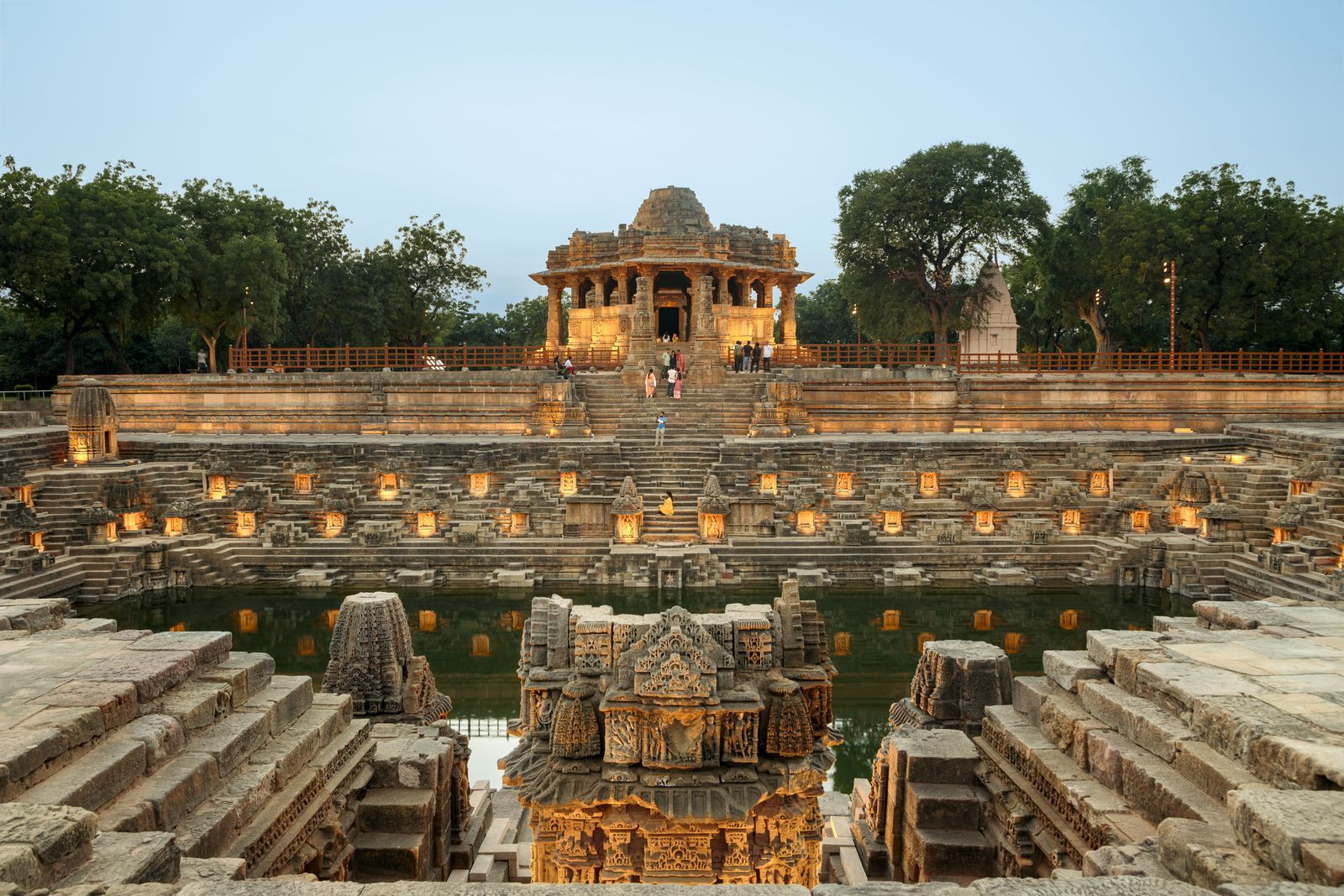
It is no surprise, then, that early societies began to see the sun not just as a natural object, but as a powerful and life-giving force worthy of reverence. Over time, this respect evolved into organized worship, expressed through the construction of temples dedicated to the sun.
Early Sun Temples
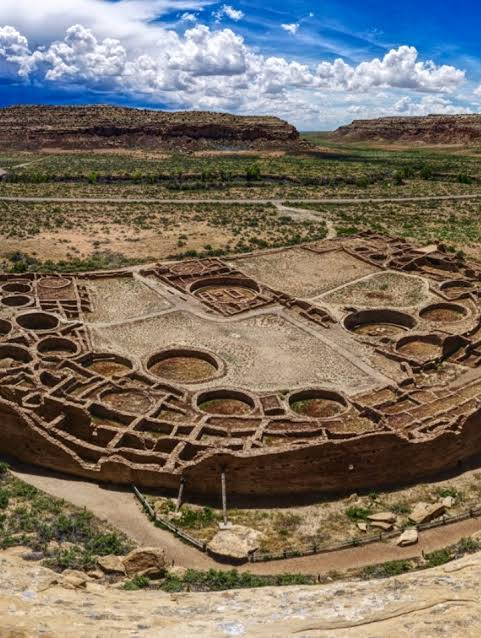
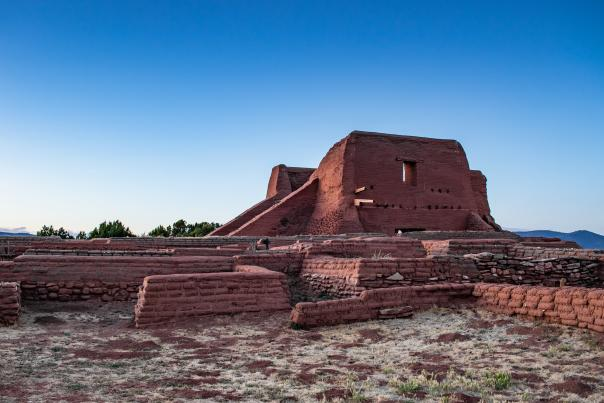
Some of the oldest known temples were carefully aligned with the movement of the sun. These were not random structures—they were built with intention, guided by repeated observations of sunrise, sunset, and seasonal changes.
Ancient builders designed these temples to capture sunlight during specific times of the year, especially during solstices and equinoxes. On these days, sunlight would enter the temple in a precise way, illuminating a central altar or sacred space.
These moments were likely seen as deeply significant, marking transitions in seasons and reinforcing the connection between human life and cosmic cycles.
Architectural Features
Sun temples often featured open courtyards, elevated platforms, and carefully aligned entrances. These design elements allowed sunlight to travel through the structure in meaningful ways.
In some temples, long corridors or narrow openings were constructed so that light would pass through them only at specific times. This required not only architectural skill but also a deep understanding of solar patterns.
The placement of altars and sacred objects was also intentional, often positioned where sunlight would fall during important celestial events.
Spiritual Meaning
To ancient societies, the sun was more than a physical presence—it was a divine force.
It represented life, growth, renewal, and the continuous cycle of existence. The rising sun symbolized rebirth, while the setting sun represented rest or transition.
By worshipping the sun, early people expressed gratitude for survival and sought to maintain harmony with the forces that sustained their world.
Cosmic Connection
By aligning temples with the sun, ancient builders created a powerful link between human activity and the larger universe.
These structures acted as bridges between Earth and sky, reinforcing the idea that human life was part of a greater cosmic order.
The precision of these temples reflects not only spiritual belief but also impressive observational knowledge. Early societies were not passive observers—they actively studied and interpreted the movements of the heavens.
A Legacy Written in Light
The first sun temples stand as lasting evidence of humanity’s desire to understand and honor the natural world.
They remind us that even in the earliest stages of civilization, people were capable of combining science, spirituality, and architecture in remarkable ways.