• MAIN PAGE
  • LATEST NEWS
    • Lost Cities
    • Archaeology's Greatest Finds
    • Underwater Discoveries
    • Greatest Inventions
    • Studies
    • Blog
  • PHILOSOPHY
  • HISTORY
  • RELIGIONS
    • Africa
    • Anatolia
    • Arabian Peninsula
    • Balkan Region
    • China - East Asia
    • Europe
    • Eurasian Steppe
    • Levant
    • Mesopotamia
    • Oceania - SE Asia
    • Pre-Columbian Civilizations of America
    • Iranian Plateau - Central Asia
    • Indus Valley - South Asia
    • Japan
    • The Archaeologist Editor Group
    • Scientific Studies
    • Aegean Prehistory
    • Historical Period
    • Byzantine Middle Ages
    • Predynastic Period
    • Dynastic Period
    • Greco-Roman Egypt
  • Rome
  • PALEONTOLOGY
  • About us
Menu

The Archaeologist

  • MAIN PAGE
  • LATEST NEWS
  • DISCOVERIES
    • Lost Cities
    • Archaeology's Greatest Finds
    • Underwater Discoveries
    • Greatest Inventions
    • Studies
    • Blog
  • PHILOSOPHY
  • HISTORY
  • RELIGIONS
  • World Civilizations
    • Africa
    • Anatolia
    • Arabian Peninsula
    • Balkan Region
    • China - East Asia
    • Europe
    • Eurasian Steppe
    • Levant
    • Mesopotamia
    • Oceania - SE Asia
    • Pre-Columbian Civilizations of America
    • Iranian Plateau - Central Asia
    • Indus Valley - South Asia
    • Japan
    • The Archaeologist Editor Group
    • Scientific Studies
  • GREECE
    • Aegean Prehistory
    • Historical Period
    • Byzantine Middle Ages
  • Egypt
    • Predynastic Period
    • Dynastic Period
    • Greco-Roman Egypt
  • Rome
  • PALEONTOLOGY
  • About us
No results found

The Lost Animal Cults of Prehistoric Europe

April 7, 2026

Animals as Sacred Beings

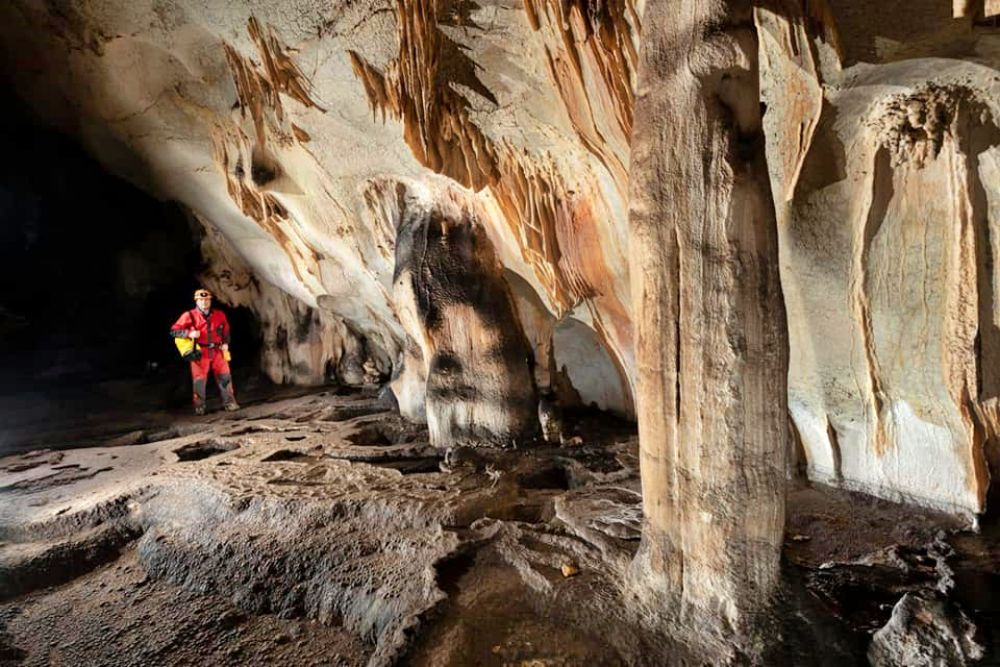
In prehistoric Europe, animals were more than sources of food—they were deeply symbolic and often considered sacred. Evidence from cave art and archaeological sites suggests the existence of animal-centered belief systems.
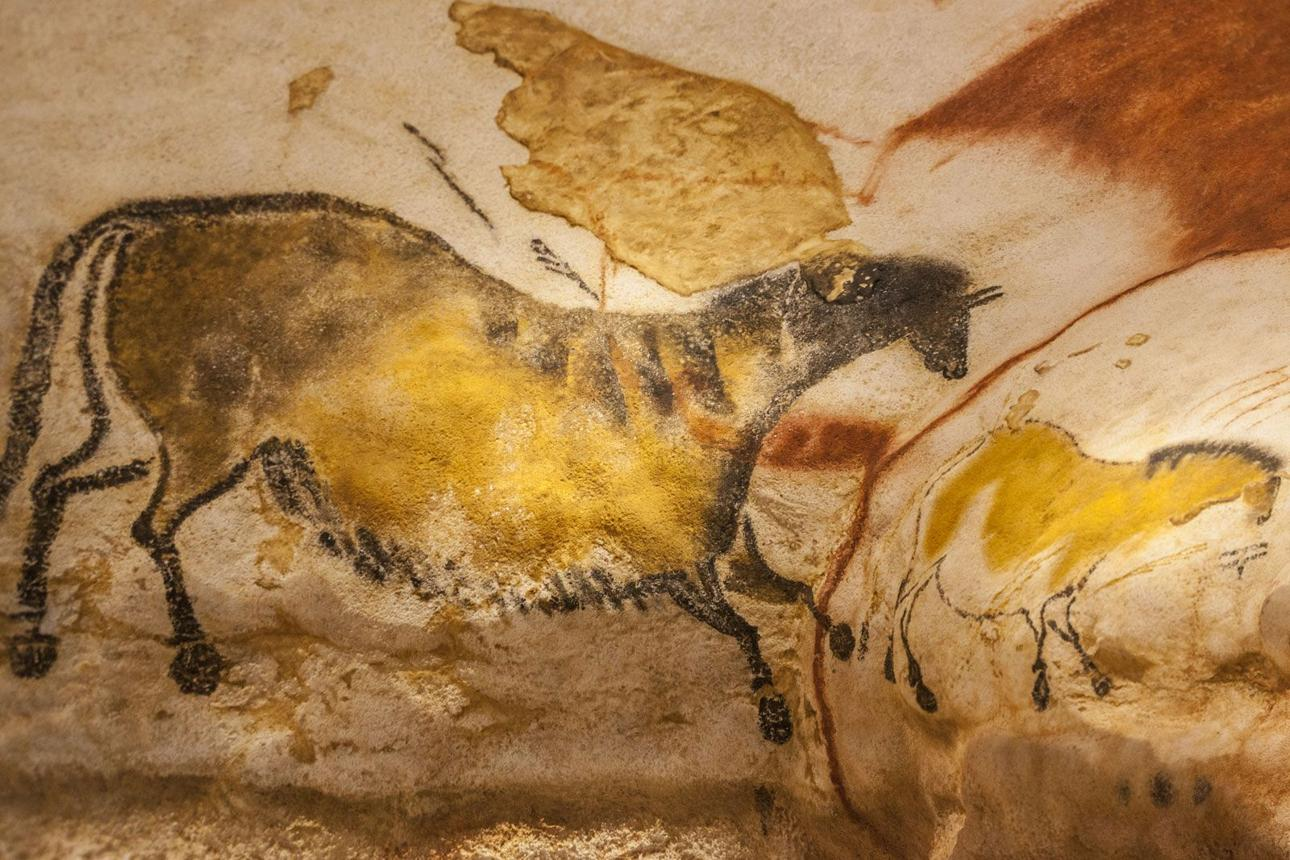
Cave Art and Symbolism
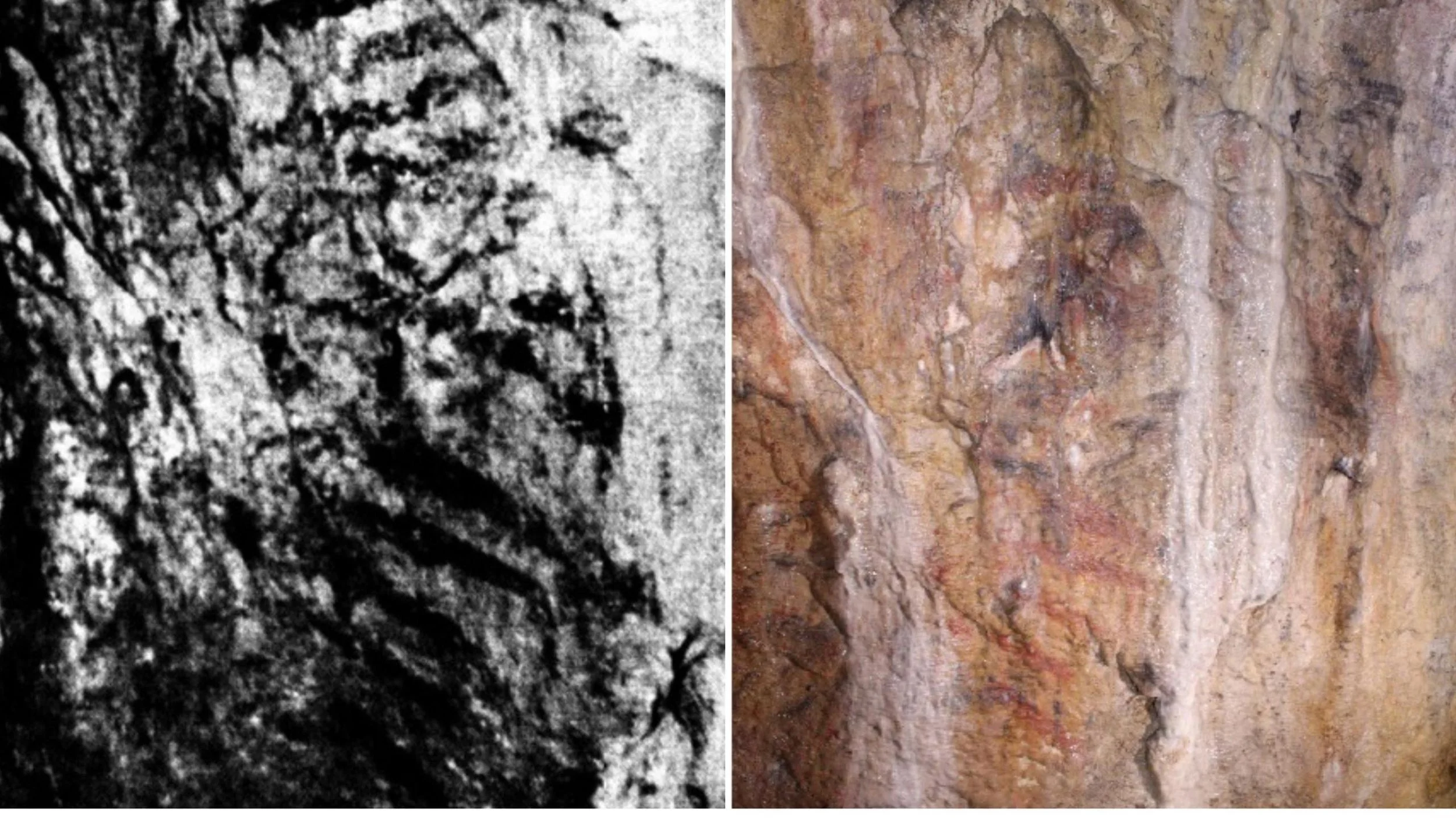
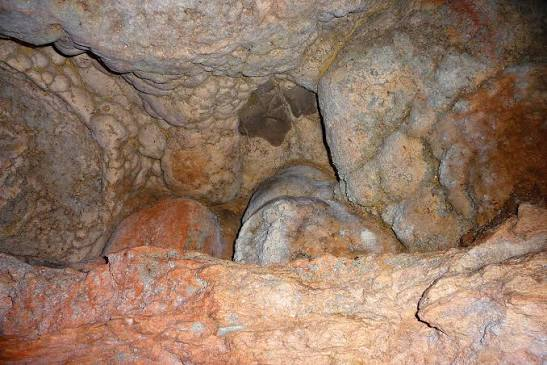
Cave paintings frequently depict animals such as bison, deer, and horses. These images may represent spiritual beliefs, hunting rituals, or symbolic connections.

Ritual Practices

Animal remains found in specific arrangements suggest ritual activity. These practices may have been intended to ensure successful hunts or honor animal spirits.

Human-Animal Connection

These cults reflect a deep respect for nature and the role of animals in survival.
← The Oldest Metal Tools Ever ForgedAncient Storm Gods and Their Global Influence →
Featured
image_2026-05-21_194210405.png
May 21, 2026
Ancient Egyptian Scribes: The Tools and Education of the Elite
May 21, 2026
Read more →
May 21, 2026
image_2026-05-21_194047248.png
May 21, 2026
The Roman Arch of Constantine: Spolia and Imperial Propaganda
May 21, 2026
Read more →
May 21, 2026
image_2026-05-21_194004733.png
May 21, 2026
Ancient Greek Pottery: Decoding the Scenes of Daily Life
May 21, 2026
Read more →
May 21, 2026
image_2026-05-21_193929602.png
May 21, 2026
The Mycenaean Lion Gate: The Architecture of Power
May 21, 2026
Read more →
May 21, 2026
image_2026-05-21_193826806.png
May 21, 2026
Roman Mosaics in North Africa: The Splendor of El Jem
May 21, 2026
Read more →
May 21, 2026
image_2026-05-21_193752997.png
May 21, 2026
The Viking God Odin: Archaeological Evidence of Norse Shamanism
May 21, 2026
Read more →
May 21, 2026
read more

Powered by The archaeologist