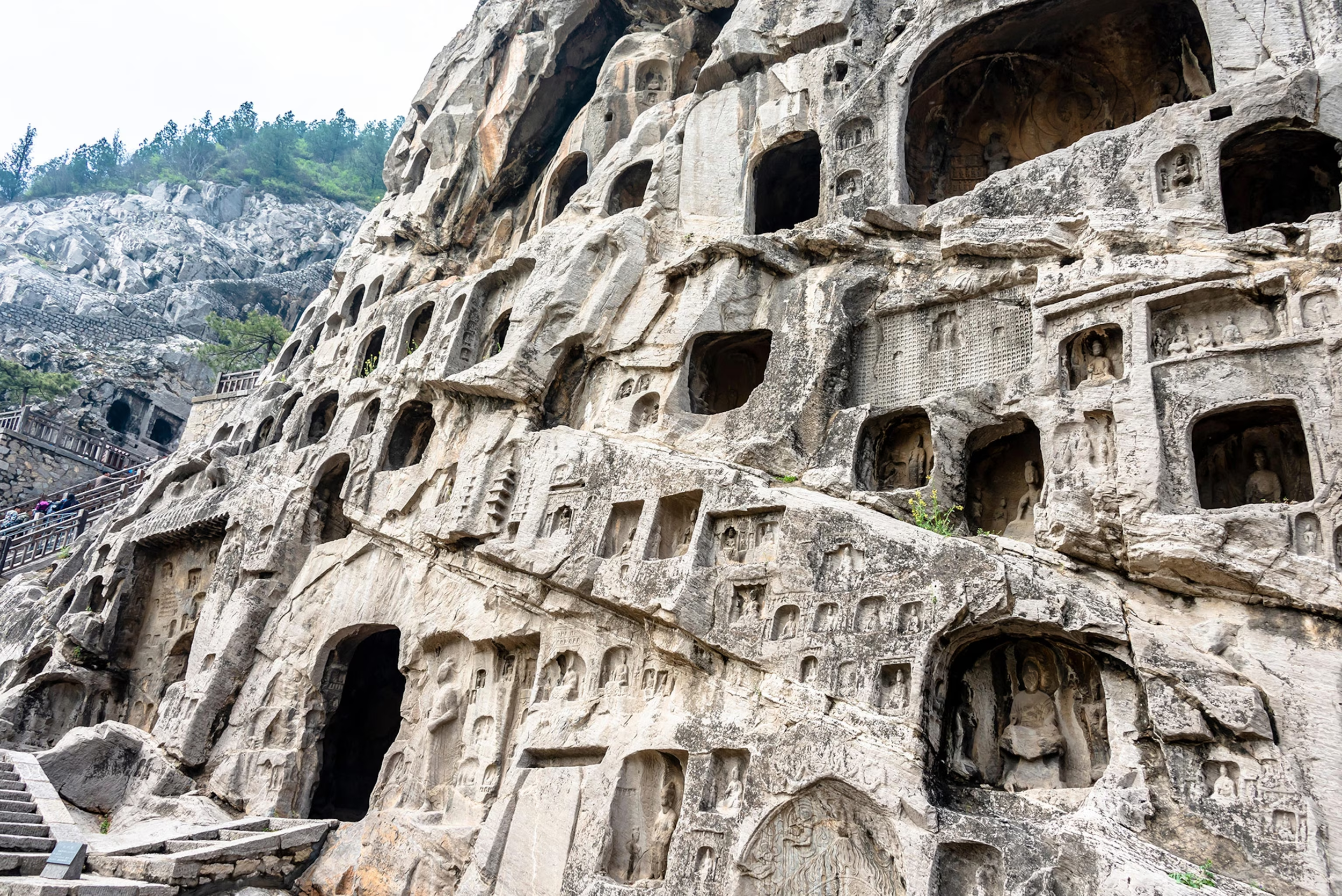
Sacred Spaces Beneath the Earth
Long before temples of stone and towering monuments, early humans turned to caves as places of spiritual expression. These natural shelters became some of the oldest known sanctuaries, where art, ritual, and belief came together.
Hidden deep within rock formations, cave shrines offer a rare glimpse into the spiritual lives of prehistoric societies.
Prehistoric Art as Sacred Expression
Cave walls were often covered with paintings and carvings depicting animals, human figures, and abstract symbols.
These images were not simply decorative. Many researchers believe they had ritual significance—perhaps connected to hunting success, fertility, or communication with unseen forces.
The careful placement of these artworks suggests that certain areas of caves were considered especially sacred.
Ritual Markings and Symbolism
In addition to paintings, archaeologists have found engraved patterns, handprints, and repeated symbols.
These markings may have served as early forms of symbolic communication or spiritual expression. Some could represent group identity, mythological ideas, or ritual acts performed within the cave.
The Atmosphere of the Sacred
Caves themselves likely contributed to their spiritual importance.
Their darkness, echoes, and isolation created powerful sensory experiences. Entering a cave shrine may have felt like stepping into another world—a place where the boundary between the human and spiritual realms became thinner.
Early Beliefs and Practices
Though the exact meanings of cave rituals remain uncertain, they clearly played an important role in early societies.
These spaces may have been used for ceremonies, storytelling, or rites of passage that helped define community identity.
Humanity’s First Temples
Cave shrines represent some of the earliest known efforts to create sacred spaces.
They remind us that even in prehistoric times, humans were driven to express belief, meaning, and connection to forces beyond the visible world.