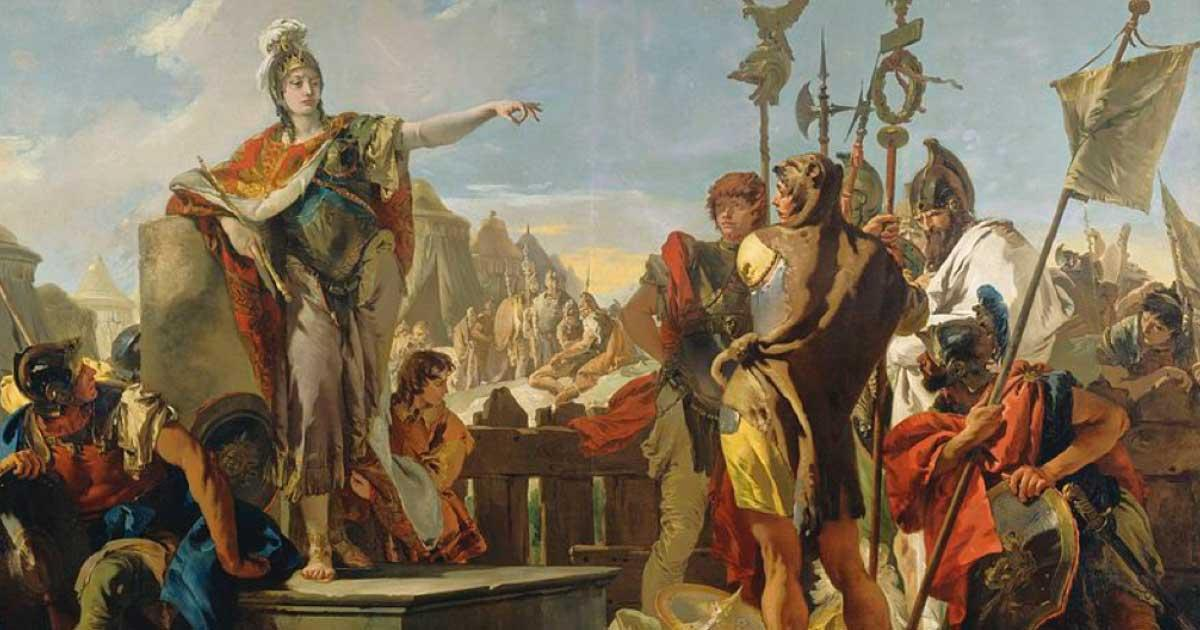
Power Beyond Tradition
While ancient warfare is often associated with male warriors, history reveals the presence of powerful female leaders who commanded armies and shaped the course of battles.
These warrior queens challenged traditional roles and left lasting marks on their societies.
Legendary Female Rulers
Figures such as Boudica of ancient Britain and Artemisia I of Caria demonstrated remarkable leadership in times of conflict.
Boudica led a large-scale uprising against a powerful empire, while Artemisia commanded naval forces with strategic skill.
Their stories, preserved in historical accounts, highlight the influence women could wield in warfare.
Archaeological Evidence
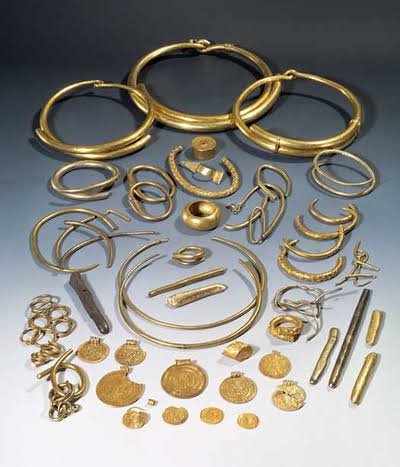
Beyond written records, archaeological discoveries provide clues about women’s roles in combat.
Graves containing weapons alongside female remains suggest that some women were active participants in warfare.
These findings challenge earlier assumptions about strictly male-dominated battlefields.
Leadership and Strategy
Warrior queens were not only fighters—they were leaders.
They organized armies, developed strategies, and inspired their followers. Their authority often came from royal lineage, personal strength, or both.
Their presence on the battlefield could unite communities during times of crisis.
Cultural Impact
The legacy of warrior queens extends beyond military victories.
Their stories became symbols of resistance, courage, and leadership. In some cultures, they were remembered as heroic figures who defied expectations.
Redefining Ancient Warfare
The existence of warrior queens reminds us that ancient societies were more complex than often assumed.
Women played significant roles not only in governance and culture but also in the defense and expansion of their communities.