When Legends First Took Shape
Long before written history fully developed, humans were already imagining powerful creatures that lived beyond the boundaries of the known world. Some of the oldest myths describe dragons, griffins, and strange monsters that symbolized natural forces, divine power, or humanity’s deepest fears.
These creatures appear in the earliest surviving texts and artwork from ancient civilizations. Though their forms differ across cultures, their roles often share striking similarities.
Dragons: Symbols of Power and Chaos
Dragons are among the most ancient mythological creatures known to humanity. References to dragon-like beings appear in early texts from Mesopotamia, China, and ancient Europe.
In many traditions, dragons represented untamed forces of nature. In ancient Mesopotamian myths, serpent-like monsters symbolized chaos and the primordial sea. These creatures often battled heroic gods who represented order.
In East Asia, dragons took on a very different role. Rather than destructive monsters, they were often seen as wise and benevolent beings connected to rain, rivers, and imperial authority. Their presence symbolized prosperity and cosmic harmony.
Across cultures, dragons reflected humanity’s attempt to explain the unpredictable forces of the natural world.
Griffins: Guardians of Treasure
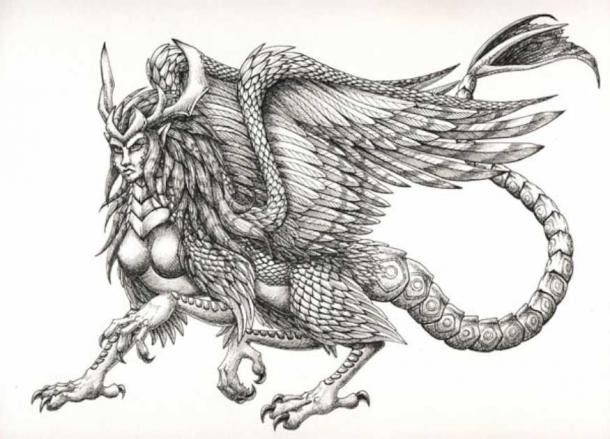
Griffins—creatures with the body of a lion and the head and wings of an eagle—appear in art dating back more than 5,000 years.
These hybrid beings were especially common in the art of ancient Persia and the Mediterranean. Because they combined two powerful animals, griffins symbolized strength, vigilance, and divine protection.
Ancient stories often described griffins guarding valuable treasures such as gold. Their role as protectors made them powerful symbols in royal and religious imagery.
Monsters and the Unknown
Early myths also include terrifying creatures designed to embody danger and chaos. From sea serpents to giant beasts, these monsters reflected the fears of ancient societies living in a mysterious and often dangerous world.
Unfamiliar landscapes, storms, wild animals, and unexplained natural disasters could easily be interpreted as the work of supernatural beings.
By giving these fears a form, early cultures created stories that helped people understand and confront the unknown.
Why These Creatures Mattered
Mythological creatures were more than simple entertainment. They carried deep symbolic meaning.
Dragons could represent chaos or divine power. Griffins symbolized guardianship and royal authority. Other monsters warned against danger or moral failure.
These stories also helped shape cultural identity. By telling tales of heroes defeating monsters, societies reinforced values like bravery, order, and wisdom.
Ancient Imaginations That Still Inspire
Even today, dragons, griffins, and legendary monsters remain central to literature, art, and film. Their origins stretch back thousands of years, reminding us that imagination has always been part of human culture.
The oldest mythological creatures show how early societies used storytelling to make sense of their world—transforming mystery and fear into enduring legends.