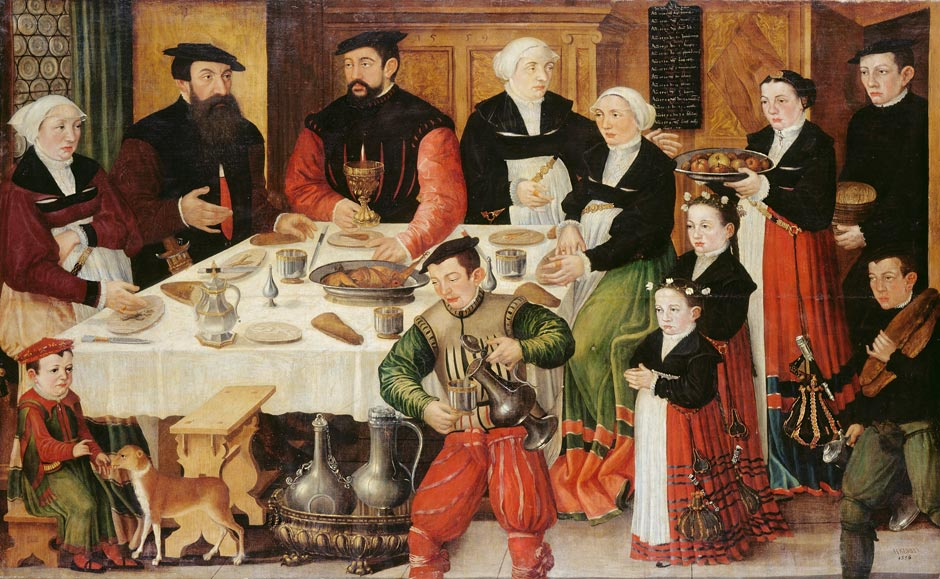
How Shared Meals Shaped Diplomacy, Religion, and Community Life
Feasting was far more than an opportunity to enjoy food in ancient civilizations. Across cultures from Mesopotamia and Egypt to Greece, China, and the Americas lavish meals served as social glue, political tools, and sacred rituals. These gatherings reveal how early people expressed identity, negotiated alliances, and honored their gods.
Feasts as Platforms for Diplomacy
In many societies, political influence was demonstrated through generosity. Hosting a grand feast communicated stability, wealth, and authority. Leaders invited allies and rivals alike to the table, knowing that shared food softened tensions and created environments where negotiations could begin.
For example, ancient Near Eastern kings used state banquets to finalize trade agreements or celebrate military victories. The act of eating together symbolized mutual respect and sealed partnerships without written contracts.
Ritual Meals and Sacred Ceremonies
Religion and food were closely linked. Feasts held during festivals or temple ceremonies were believed to bring communities closer to the divine. Offerings whether roasted animals, bread, or wine—were presented to deities before being shared by participants.
In many cultures:
Egyptians offered food to gods during temple rituals.
Greeks held communal meals after sacrifices to strengthen civic identity.
Indigenous societies used feasts to honor ancestors and seek spiritual guidance.
These gatherings turned meals into sacred acts, reinforcing belief systems and cultural continuity.
Strengthening Social Bonds
At their core, feasts brought people together. Weddings, coming-of-age celebrations, harvest festivals, and funerals all featured shared meals that emphasized unity. Feasts reaffirmed status within the community—who sat where and who received what portion reflected social hierarchy.
Even in hierarchical societies, feasting created moments where communities could celebrate, mourn, or commemorate important events as one collective body.