• MAIN PAGE
  • LATEST NEWS
    • Lost Cities
    • Archaeology's Greatest Finds
    • Underwater Discoveries
    • Greatest Inventions
    • Studies
    • Blog
  • PHILOSOPHY
  • HISTORY
  • RELIGIONS
    • Africa
    • Anatolia
    • Arabian Peninsula
    • Balkan Region
    • China - East Asia
    • Europe
    • Eurasian Steppe
    • Levant
    • Mesopotamia
    • Oceania - SE Asia
    • Pre-Columbian Civilizations of America
    • Iranian Plateau - Central Asia
    • Indus Valley - South Asia
    • Japan
    • The Archaeologist Editor Group
    • Scientific Studies
    • Aegean Prehistory
    • Historical Period
    • Byzantine Middle Ages
    • Predynastic Period
    • Dynastic Period
    • Greco-Roman Egypt
  • Rome
  • PALEONTOLOGY
  • About us
Menu

The Archaeologist

  • MAIN PAGE
  • LATEST NEWS
  • DISCOVERIES
    • Lost Cities
    • Archaeology's Greatest Finds
    • Underwater Discoveries
    • Greatest Inventions
    • Studies
    • Blog
  • PHILOSOPHY
  • HISTORY
  • RELIGIONS
  • World Civilizations
    • Africa
    • Anatolia
    • Arabian Peninsula
    • Balkan Region
    • China - East Asia
    • Europe
    • Eurasian Steppe
    • Levant
    • Mesopotamia
    • Oceania - SE Asia
    • Pre-Columbian Civilizations of America
    • Iranian Plateau - Central Asia
    • Indus Valley - South Asia
    • Japan
    • The Archaeologist Editor Group
    • Scientific Studies
  • GREECE
    • Aegean Prehistory
    • Historical Period
    • Byzantine Middle Ages
  • Egypt
    • Predynastic Period
    • Dynastic Period
    • Greco-Roman Egypt
  • Rome
  • PALEONTOLOGY
  • About us

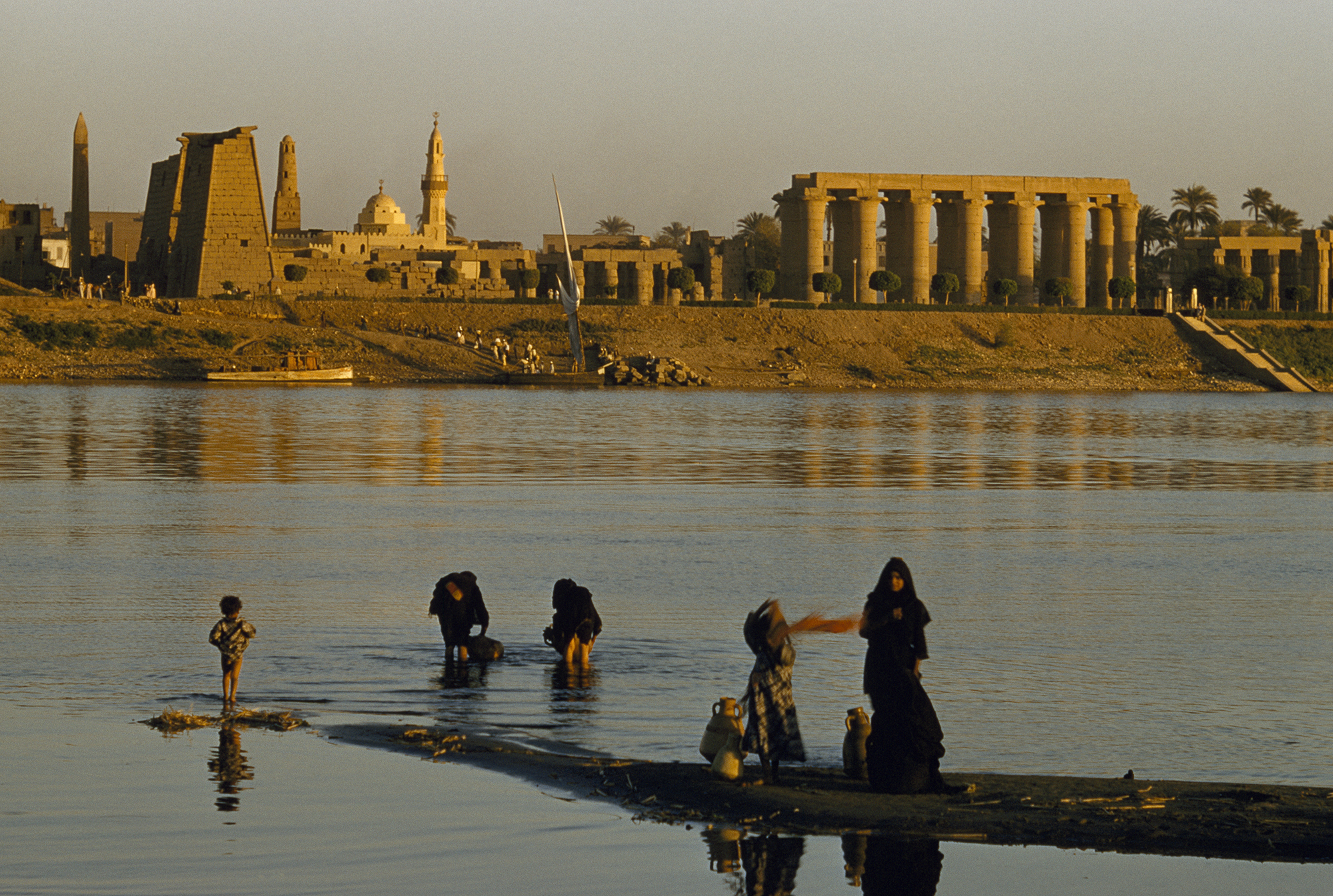
The Role of the Nile River in the Birth of Egyptian Civilization

December 7, 2025

The Lifeblood of Ancient Egypt

The Nile shaped Egypt’s agriculture, religion, and urban development, enabling one of the world’s earliest civilizations to flourish.

Agricultural Significance

Annual floods deposited fertile silt, supporting crop cultivation and food surplus. Irrigation systems allowed settlements to thrive in the desert landscape.

Religious and Cultural Role

The Nile was worshiped as a god, Hapi, symbolizing life, fertility, and abundance. Temples, rituals, and myths reflected its central place in Egyptian consciousness.

Economic and Political Impact

The river enabled trade, communication, and political unification, connecting Upper and Lower Egypt. Its predictability supported administrative organization and monumental construction.

Enduring Legacy

The Nile’s influence shaped Egyptian identity, spirituality, and longevity as a civilization, highlighting the profound link between environment and human development.
The Lost Kingdom of Tartessos: Spain's Ancient Atlantis →
Featured
image_2025-12-07_224159633.png
Dec 7, 2025
The Role of the Nile River in the Birth of Egyptian Civilization
Dec 7, 2025
Read More →
Dec 7, 2025
image_2025-12-07_224016560.png
Dec 7, 2025
The Lost Kingdom of Tartessos: Spain's Ancient Atlantis
Dec 7, 2025
Read More →
Dec 7, 2025
image_2025-12-07_223754940.png
Dec 7, 2025
The Role of the Jaguar in Ancient Mesoamerican Mythology
Dec 7, 2025
Read More →
Dec 7, 2025
image_2025-12-07_223320623.png
Dec 7, 2025
The Secret Rites of the Eleusinian Mysteries
Dec 7, 2025
Read More →
Dec 7, 2025
image_2025-12-07_222717905.png
Dec 7, 2025
The Ancient Science of Metallurgy and Weapon Crafting
Dec 7, 2025
Read More →
Dec 7, 2025
image_2025-12-07_222634278.png
Dec 7, 2025
The Role of the Sacred River Ganges in Ancient Hinduism
Dec 7, 2025
Read More →
Dec 7, 2025
read more

Powered by The archaeologist