• MAIN PAGE
  • LATEST NEWS
    • Lost Cities
    • Archaeology's Greatest Finds
    • Underwater Discoveries
    • Greatest Inventions
    • Studies
    • Blog
  • PHILOSOPHY
  • HISTORY
  • RELIGIONS
    • Africa
    • Anatolia
    • Arabian Peninsula
    • Balkan Region
    • China - East Asia
    • Europe
    • Eurasian Steppe
    • Levant
    • Mesopotamia
    • Oceania - SE Asia
    • Pre-Columbian Civilizations of America
    • Iranian Plateau - Central Asia
    • Indus Valley - South Asia
    • Japan
    • The Archaeologist Editor Group
    • Scientific Studies
    • Aegean Prehistory
    • Historical Period
    • Byzantine Middle Ages
    • Predynastic Period
    • Dynastic Period
    • Greco-Roman Egypt
  • Rome
  • PALEONTOLOGY
  • About us
Menu

The Archaeologist

  • MAIN PAGE
  • LATEST NEWS
  • DISCOVERIES
    • Lost Cities
    • Archaeology's Greatest Finds
    • Underwater Discoveries
    • Greatest Inventions
    • Studies
    • Blog
  • PHILOSOPHY
  • HISTORY
  • RELIGIONS
  • World Civilizations
    • Africa
    • Anatolia
    • Arabian Peninsula
    • Balkan Region
    • China - East Asia
    • Europe
    • Eurasian Steppe
    • Levant
    • Mesopotamia
    • Oceania - SE Asia
    • Pre-Columbian Civilizations of America
    • Iranian Plateau - Central Asia
    • Indus Valley - South Asia
    • Japan
    • The Archaeologist Editor Group
    • Scientific Studies
  • GREECE
    • Aegean Prehistory
    • Historical Period
    • Byzantine Middle Ages
  • Egypt
    • Predynastic Period
    • Dynastic Period
    • Greco-Roman Egypt
  • Rome
  • PALEONTOLOGY
  • About us

The Role of the Sun in Ancient Worship

December 6, 2025

Exploring Solar Gods and Festivals in Egypt, Inca, and Mesopotamian Traditions

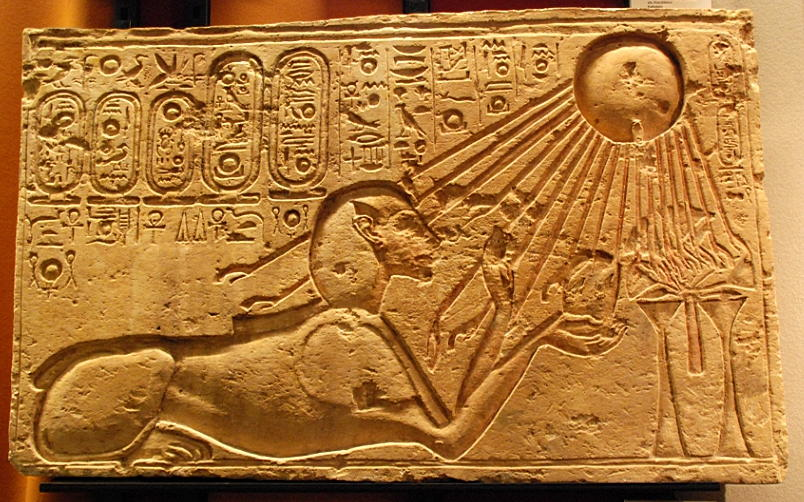
The sun’s life-giving light made it one of the most powerful symbols in ancient religions. Civilizations across the world celebrated solar deities, built temples aligned with the sun, and organized festivals around its seasonal cycles.

Sun Gods Across Civilizations

  • Egypt: The sun god Ra was believed to travel across the sky each day and through the underworld each night, maintaining cosmic order.

  • Inca: Inti, the radiant sun god, was central to state religion, and his festivals reinforced imperial authority.

  • Mesopotamia: Shamash embodied justice and truth, watching over humanity and illuminating the world.

Solar Architecture and Ceremony

Ancient temples, pyramids, and city layouts often aligned with solstices and equinoxes. Sun festivals celebrated harvests, royal coronations, and the renewal of life.

A Universal Symbol of Power

Across cultures, the sun represented strength, rebirth, clarity, and divine presence. Its daily rise and fall offered a natural rhythm that shaped early understandings of time, seasons, and cosmic balance.
← The Forgotten Art of Ancient StonemasonryThe Hidden Underground Cities of Cappadocia →
Featured
image_2026-01-21_005324993.png
Jan 20, 2026
Opinion Three centuries of Roman limescale reveals a dirty secret about Pompeii’s public baths
Jan 20, 2026
Read More →
Jan 20, 2026
image_2026-01-21_004225896.png
Jan 20, 2026
People In China Kept Leopard Cats As Pets For 3,500 Years, Before Domestic Cats Arrived Via The Silk Road
Jan 20, 2026
Read More →
Jan 20, 2026
image_2026-01-21_003142971.png
Jan 20, 2026
Gloucestershire village set to appear on BBC series after special discovery
Jan 20, 2026
Read More →
Jan 20, 2026
image_2026-01-21_002216046.png
Jan 20, 2026
600-year-old medieval trade shipwreck discovered in Danish strait
Jan 20, 2026
Read More →
Jan 20, 2026
image_2026-01-21_000945999.png
Jan 20, 2026
The Earliest-Known Astronomical Observatory in the Americas May Offer New Insights
Jan 20, 2026
Read More →
Jan 20, 2026
image_2026-01-21_000021924.png
Jan 20, 2026
Archaeologists Confirm Fano Discovery as Vitruvius’ Legendary Basilica: A Turning Point for Classical Architecture
Jan 20, 2026
Read More →
Jan 20, 2026
read more

Powered by The archaeologist