The Scythian kurgans—massive earthen burial mounds dotting the Eurasian steppe from Ukraine to Siberia—serve as the "Old Style" frozen archives of a nomadic empire. The Scythians (c. 9th–2nd century BC) left no written records, but their burial practices reveal a culture of extreme wealth, warrior prowess, and dark, complex rituals of the afterlife.
1. The Structure of a Kurgan
A kurgan was far more than a simple grave; it was a symbolic mountain built to be seen for miles across the flat steppe.
The Mound: Higher-ranking elites were buried under larger mounds, some reaching over 20 meters in height. These were constructed from layers of sod and clay, often reinforced with stone.
The Burial Chamber: Beneath the mound, a deep shaft led to a timber-lined chamber, often designed to mimic a nomadic tent or a permanent house, complete with rugs and wall hangings.
2. The "Animal Style" Gold
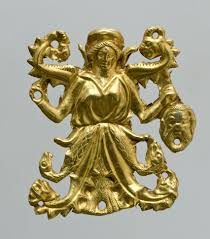
Scythian gold is world-renowned for its dynamic, swirling aesthetic known as Scytho-Siberian Animal Style. These ornaments were not just jewelry but portable wealth and clan totems.
The Golden Stag: A common motif featuring deer or stags with exaggerated, swirling antlers that merge into the body. This symbolized speed, grace, and perhaps a connection to the spirit world.
Predator and Prey: Many pieces depict "scenes of struggle"—griffins or panthers attacking stags or horses. This reflected the harsh reality of life on the steppe and the Scythian warrior ethos.
Greek Influence: Many of the finest pieces, like the famous Pectoral from Tovsta Mohyla, were crafted by Greek goldsmiths in Black Sea colonies specifically for Scythian kings, blending Greek realism with Scythian themes.
3. Ritual Horse Sacrifices
The Scythians were "centaur-like" people, and a warrior’s status was measured by his mounts. In the afterlife, a king required an entire cavalry.
The Hecatomb: In the Kostromskaya kurgan, archaeologists found the remains of 22 horses arranged in a circle around the central burial. In even larger kurgans, such as Arzhan in Tuva, over 160 horses were sacrificed.
Ornate Tack: These horses were buried in full ceremonial regalia—gold-plated bridles, antlered headdresses, and embroidered saddles—ensuring the king would ride in splendor through the spirit world.
4. Human Sacrifice and the Royal Retinue
Herodotus, the Greek historian, recorded chilling details of Scythian funerals that archaeology has largely confirmed.
The Retinue: Upon the death of a king, his primary wife, cupbearer, cook, and groom were often strangled or poisoned and buried with him to serve him in death.
The Year-Later Ritual: Herodotus claimed that a year after the burial, 50 young warriors and 50 of the finest horses were killed, disemboweled, and propped up on stakes around the kurgan to form a "ghostly guard." Excavations have found stake-holes and skeletal remains that support these accounts of large-scale post-mortem rituals.
5. Hempen Rites and Purification
Ritual purification played a key role in the funeral process.
The Vapor Bath: Herodotus described Scythians throwing hemp seeds onto red-hot stones inside small felt tents. They would inhale the smoke and "howl with joy."
Archaeological Proof: In the Pazyryk kurgans of the Altai Mountains, archaeologists found copper cauldrons containing charred hemp seeds and the remains of the small tripod tents used for these "Old Style" inhalation rituals.
6. The Ice Maidens and Frozen History
In the high-altitude kurgans of the Altai (like Pazyryk), permafrost seeped into the burial chambers shortly after they were sealed, effectively "deep-freezing" the contents for 2,500 years.
Tattoos: The permafrost preserved the skin of the deceased, revealing incredible blue tattoos of mythical beasts and interlocking animals covering the arms and torsos of both men and women.
Organic Survival: Unlike the kurgans in the warmer Ukrainian steppes, the frozen kurgans preserved silk clothing, felt saddles, wooden furniture, and even the last meals of the deceased, providing an unparalleled look at the daily life of the "Old Style" nomads.