• MAIN PAGE
  • LATEST NEWS
    • Lost Cities
    • Archaeology's Greatest Finds
    • Underwater Discoveries
    • Greatest Inventions
    • Studies
    • Blog
  • PHILOSOPHY
  • HISTORY
  • RELIGIONS
    • Africa
    • Anatolia
    • Arabian Peninsula
    • Balkan Region
    • China - East Asia
    • Europe
    • Eurasian Steppe
    • Levant
    • Mesopotamia
    • Oceania - SE Asia
    • Pre-Columbian Civilizations of America
    • Iranian Plateau - Central Asia
    • Indus Valley - South Asia
    • Japan
    • The Archaeologist Editor Group
    • Scientific Studies
    • Aegean Prehistory
    • Historical Period
    • Byzantine Middle Ages
    • Predynastic Period
    • Dynastic Period
    • Greco-Roman Egypt
  • Rome
  • PALEONTOLOGY
  • About us
Menu

The Archaeologist

  • MAIN PAGE
  • LATEST NEWS
  • DISCOVERIES
    • Lost Cities
    • Archaeology's Greatest Finds
    • Underwater Discoveries
    • Greatest Inventions
    • Studies
    • Blog
  • PHILOSOPHY
  • HISTORY
  • RELIGIONS
  • World Civilizations
    • Africa
    • Anatolia
    • Arabian Peninsula
    • Balkan Region
    • China - East Asia
    • Europe
    • Eurasian Steppe
    • Levant
    • Mesopotamia
    • Oceania - SE Asia
    • Pre-Columbian Civilizations of America
    • Iranian Plateau - Central Asia
    • Indus Valley - South Asia
    • Japan
    • The Archaeologist Editor Group
    • Scientific Studies
  • GREECE
    • Aegean Prehistory
    • Historical Period
    • Byzantine Middle Ages
  • Egypt
    • Predynastic Period
    • Dynastic Period
    • Greco-Roman Egypt
  • Rome
  • PALEONTOLOGY
  • About us

The Secret Language of Ancient Symbols and Glyphs

December 6, 2025

How Symbols Shaped Rituals, Art, and Early Writing

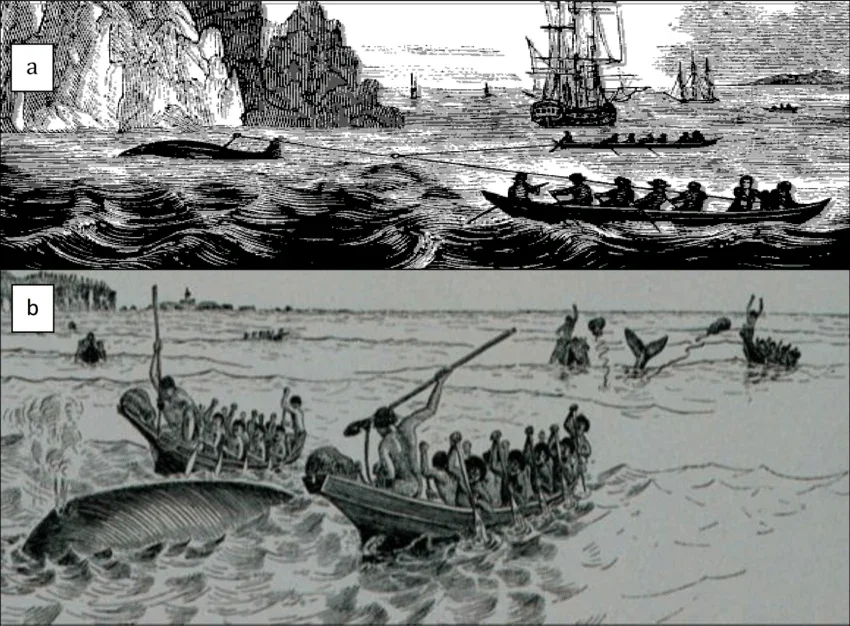
Across civilizations, symbols served as powerful tools for communication, identity, and spiritual belief. From sacred carvings to coded religious motifs, these images formed a universal language.

Symbols in Art and Religion

Ancient cultures used symbols to express ideas that words could not fully capture:

  • The ankh symbolized life in Egypt

  • The spiral represented growth in Celtic traditions

  • The lotus embodied purity in India and Southeast Asia

These images carried layers of meaning understood by their communities.

Glyphs and Early Writing

Glyphs evolved from symbolic images into more structured writing systems. Mayan glyphs, Egyptian hieroglyphs, and Sumerian cuneiform began with pictorial symbols that gradually represented sounds and ideas.

Priests, scribes, and artisans guarded these scripts, using them in rituals, record-keeping, and storytelling.

A Universal Visual Language

Even without shared words, symbols allowed ancient peoples to express beliefs, claim identity, and pass on sacred knowledge. Many modern signs from medical symbols to cultural icons—trace their origins to these early glyphs.
← The Mysterious Megaliths of Carnac in FranceThe Lost Temples of the Khmer Empire →
Featured
image_2025-12-07_012832539.png
Dec 6, 2025
The Sacred Geometry of the Mayan Calendar
Dec 6, 2025
Read More →
Dec 6, 2025
image_2025-12-07_012007022.png
Dec 6, 2025
The Role of the Moon in Ancient Calendars
Dec 6, 2025
Read More →
Dec 6, 2025
image_2025-12-07_011156079.png
Dec 6, 2025
The Secrets of the Ancient Ziggurats of Mesopotamia
Dec 6, 2025
Read More →
Dec 6, 2025
image_2025-12-07_010524059.png
Dec 6, 2025
The Ancient Practice of Sky Burials in Tibet
Dec 6, 2025
Read More →
Dec 6, 2025
image_2025-12-07_005545537.png
Dec 6, 2025
The Lost City of Petra: Carved in Stone
Dec 6, 2025
Read More →
Dec 6, 2025
image_2025-12-07_004417823.png
Dec 6, 2025
The Ancient Ritual of Human Sacrifice: Why and Where?
Dec 6, 2025
Read More →
Dec 6, 2025
read more

Powered by The archaeologist