Hidden Centers of Knowledge
In the ancient world, knowledge was often considered sacred. Certain teachings were shared only with those who were carefully chosen or initiated.
These institutions, sometimes called mystery schools, preserved spiritual, philosophical, and scientific knowledge.
Initiation and Secrecy
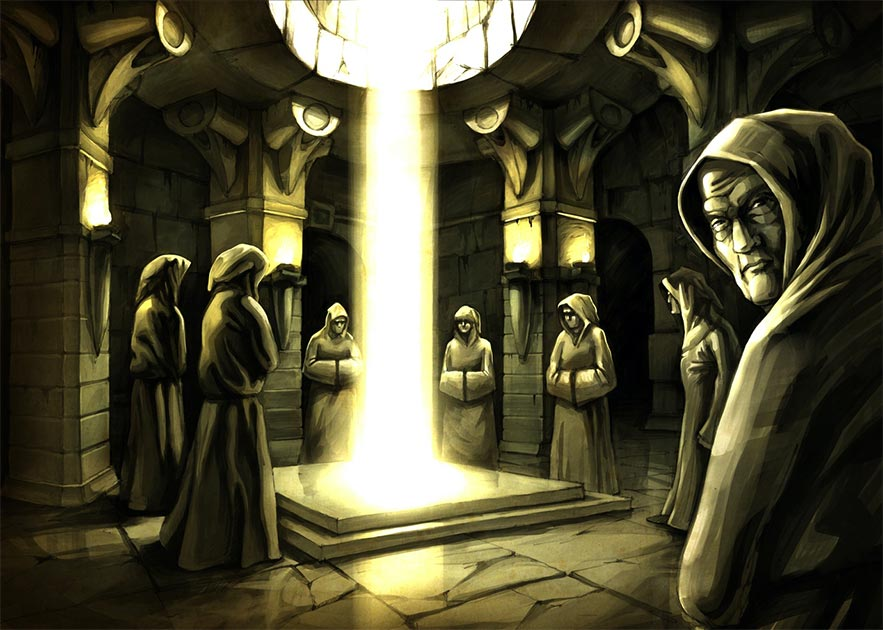
Mystery schools often required initiation rituals before students could learn their teachings.
Participants might undergo symbolic ceremonies, tests of character, or periods of preparation before being accepted.
The secrecy surrounding these schools helped protect their teachings and gave them an aura of mystery.
The Role of Priests and Philosophers
Priests, scholars, and philosophers were often responsible for preserving and transmitting these hidden teachings.
They studied subjects such as astronomy, mathematics, ethics, and spiritual philosophy.
Because these fields were closely tied to religion and governance, knowledge itself became a powerful form of authority.
Esoteric Knowledge
The teachings of mystery schools often explored deeper philosophical questions about the universe and human existence.
Students were encouraged to seek wisdom beyond everyday experience, including ideas about the soul, cosmic order, and the nature of reality.
Some traditions believed that true understanding required both intellectual study and personal transformation.
Influence on Later Traditions
Though many ancient mystery schools disappeared over time, their influence continued.
Philosophical ideas, symbolic rituals, and spiritual traditions from these schools shaped later religious and intellectual movements.
Their legacy reminds us that knowledge has often been viewed as something both powerful and sacred.