Ancient Clues About Death and the Afterlife
Burial sites are among the most important discoveries in archaeology. They provide rare insights into how ancient cultures understood death, memory, and the afterlife.
Across the world, ancient societies built extraordinary tombs and developed unique burial rituals that reveal their spiritual beliefs.
Monumental Tombs
Some burial sites are enormous structures built to honor important individuals.
Massive stone tombs, underground chambers, and towering mounds appear in many ancient cultures. These monuments required tremendous effort and organization to construct.
Their scale suggests that honoring the dead was deeply important to these societies.
Unusual Burial Practices
Not all burial traditions involved monumental structures. Some cultures developed unique rituals that reflected their beliefs about the journey after death.
Examples include:
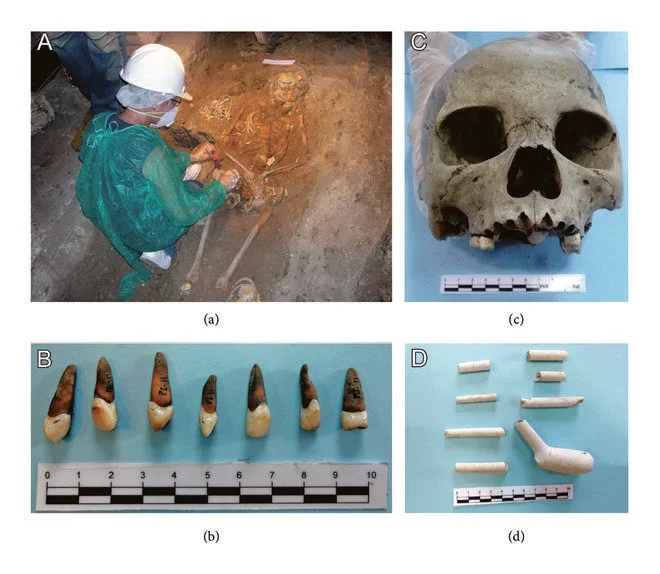
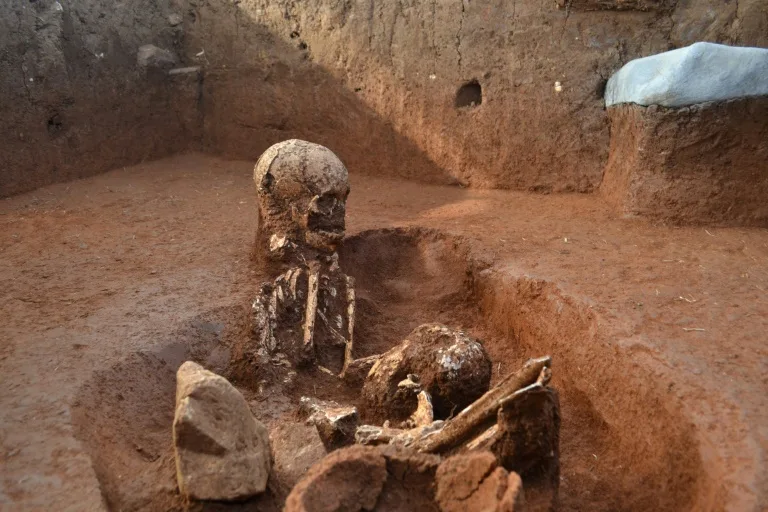
Carefully arranged skeletons
Graves filled with tools and personal objects
Bodies buried with animals
Secondary burials where bones were moved after decomposition
These practices suggest that ancient people believed the dead continued to exist in another form.
Grave Goods and Symbolism
Objects placed inside graves—known as grave goods—often provide clues about the beliefs and values of a culture.
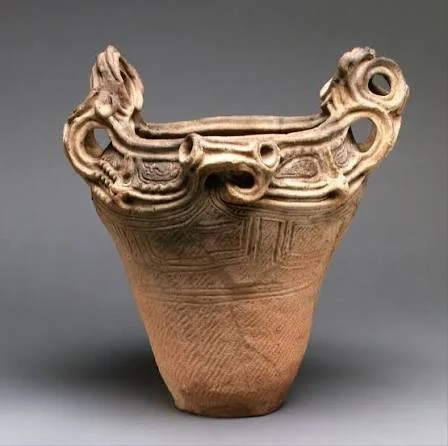
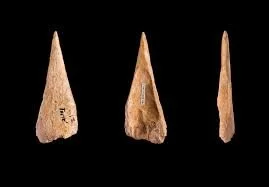
Items such as jewelry, weapons, pottery, and food were sometimes buried with the deceased.
These offerings may have been intended to provide comfort, status, or protection in the afterlife.
What Burial Sites Reveal
By studying burial sites, archaeologists learn about social structures, religious beliefs, and daily life.
For example, differences in grave size or objects can reveal social hierarchy. A richly decorated tomb might indicate a leader, while simpler graves may belong to ordinary individuals.
Burial sites therefore act as powerful windows into ancient societies.
Messages Across Time
The mysterious burial places scattered across the world remind us that humans have always tried to understand death.
Through elaborate rituals and monumental tombs, ancient cultures expressed hope, respect, and curiosity about what lies beyond life.
Their burial traditions continue to speak to us thousands of years later.