• MAIN PAGE
  • LATEST NEWS
    • Lost Cities
    • Archaeology's Greatest Finds
    • Underwater Discoveries
    • Greatest Inventions
    • Studies
    • Blog
  • PHILOSOPHY
  • HISTORY
  • RELIGIONS
    • Africa
    • Anatolia
    • Arabian Peninsula
    • Balkan Region
    • China - East Asia
    • Europe
    • Eurasian Steppe
    • Levant
    • Mesopotamia
    • Oceania - SE Asia
    • Pre-Columbian Civilizations of America
    • Iranian Plateau - Central Asia
    • Indus Valley - South Asia
    • Japan
    • The Archaeologist Editor Group
    • Scientific Studies
    • Aegean Prehistory
    • Historical Period
    • Byzantine Middle Ages
    • Predynastic Period
    • Dynastic Period
    • Greco-Roman Egypt
  • Rome
  • PALEONTOLOGY
  • About us
Menu

The Archaeologist

  • MAIN PAGE
  • LATEST NEWS
  • DISCOVERIES
    • Lost Cities
    • Archaeology's Greatest Finds
    • Underwater Discoveries
    • Greatest Inventions
    • Studies
    • Blog
  • PHILOSOPHY
  • HISTORY
  • RELIGIONS
  • World Civilizations
    • Africa
    • Anatolia
    • Arabian Peninsula
    • Balkan Region
    • China - East Asia
    • Europe
    • Eurasian Steppe
    • Levant
    • Mesopotamia
    • Oceania - SE Asia
    • Pre-Columbian Civilizations of America
    • Iranian Plateau - Central Asia
    • Indus Valley - South Asia
    • Japan
    • The Archaeologist Editor Group
    • Scientific Studies
  • GREECE
    • Aegean Prehistory
    • Historical Period
    • Byzantine Middle Ages
  • Egypt
    • Predynastic Period
    • Dynastic Period
    • Greco-Roman Egypt
  • Rome
  • PALEONTOLOGY
  • About us

The Serpent Temples of the Niger Valley

March 10, 2026

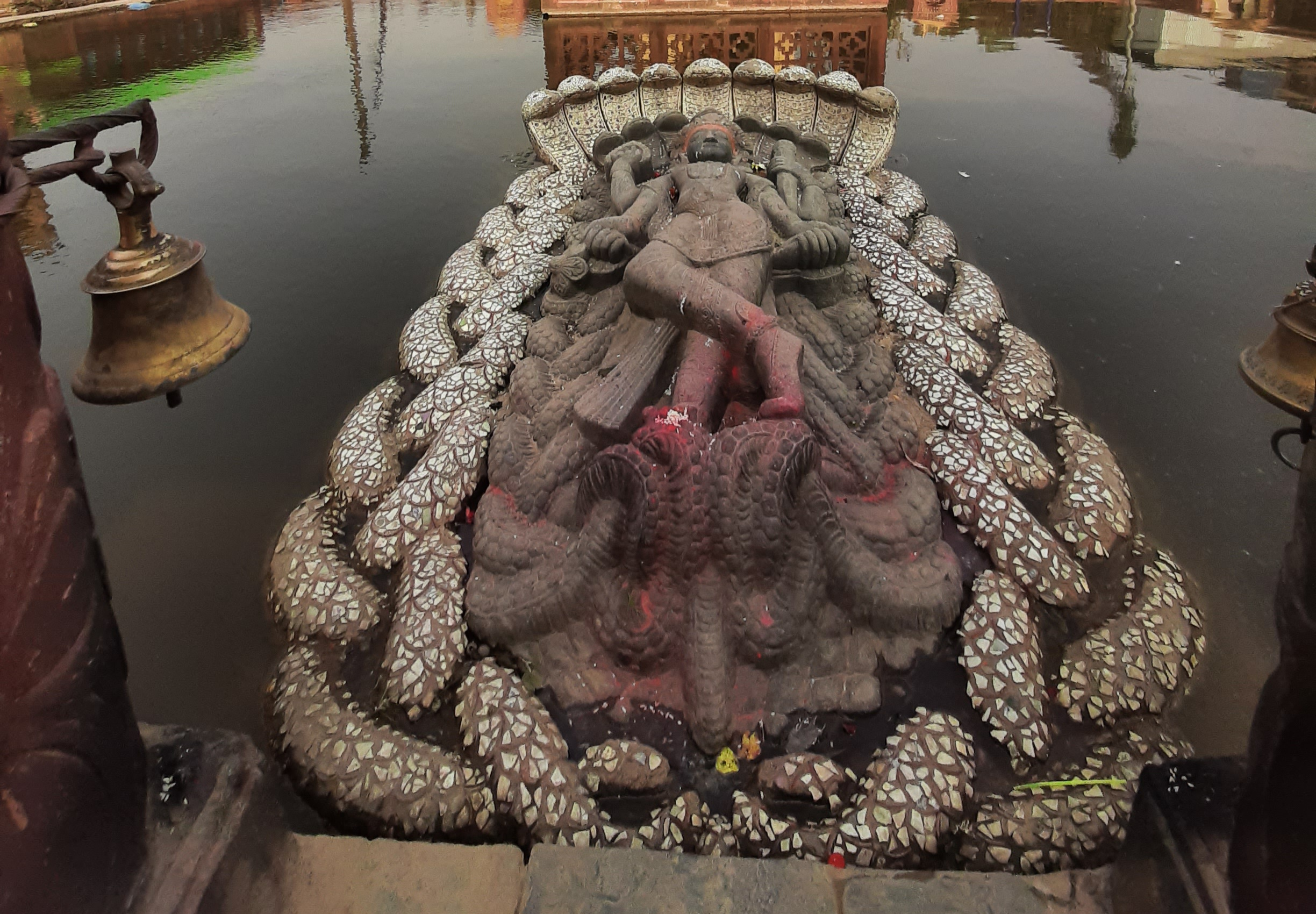
In many cultures around the world, serpents symbolize powerful spiritual forces. Along the fertile floodplains of the Niger River, snake symbolism appears in both ancient artifacts and living traditions.

Archaeological evidence suggests that early communities in the region practiced forms of serpent worship connected to fertility, water, and ancestral spirits.

Snakes often represent transformation because they shed their skin. This natural process made them powerful symbols of renewal and rebirth.

Some shrines dedicated to serpent spirits included carved wooden statues, clay figurines, and ceremonial objects decorated with snake imagery. These shrines may have been used by priests or spiritual leaders responsible for maintaining harmony between humans and nature.

Modern religious traditions in parts of West Africa still honor sacred pythons believed to embody protective spirits. While these practices evolved over centuries, they may preserve elements of ancient belief systems rooted in early Niger Valley cultures.

The serpent temples of the region highlight the deep connections between spirituality, ecology, and symbolism in African religious traditions.

← The First Industrial Workshops of RomeThe Sea Rafts of Prehistoric Oceania →
Featured
image_2026-03-10_000946350.png
Mar 10, 2026
The Desert Stone Labyrinths of North Africa
Mar 10, 2026
Read More →
Mar 10, 2026
image_2026-03-10_000906050.png
Mar 10, 2026
The Legendary Horse Breeders of the Caspian Steppe
Mar 10, 2026
Read More →
Mar 10, 2026
image_2026-03-10_000817651.png
Mar 10, 2026
The Oldest Known Wood-Carved Temples
Mar 10, 2026
Read More →
Mar 10, 2026
image_2026-03-10_000653247.png
Mar 10, 2026
The Ritual Snow Festivals of Ancient Siberia
Mar 10, 2026
Read More →
Mar 10, 2026
image_2026-03-10_000510393.png
Mar 10, 2026
The Forgotten Bronze Age Scripts of Europe
Mar 10, 2026
Read More →
Mar 10, 2026
image_2026-03-10_000438167.png
Mar 10, 2026
The First Industrial Workshops of Rome
Mar 10, 2026
Read More →
Mar 10, 2026
read more

Powered by The archaeologist