While the Vikings are often associated with raids on Western Europe, their expansion eastward was equally transformative. Following the "Old Style" river routes—the Dnieper and the Volga—the Scandinavians (known locally as the Rus) established a network of fortified trading hubs that connected the Baltic Sea to the riches of Byzantium and the Abbasid Caliphate. Gnezdovo, located near modern-day Smolensk, was the largest and most vital of these early medieval junctions.
1. The Strategic Gateway
Gnezdovo sat at a critical geographic "choke point." It was located near the portages between the Kasplya and Dnieper rivers.
The Portage System: To move from the Baltic toward the Black Sea, Vikings had to physically haul their longships across land between river systems. Gnezdovo served as a massive service station where ships were repaired, crews rested, and local Slavic tribes provided the labor and rollers needed to move vessels overland.
A "Planned" Trade Hub: Unlike organic villages, Gnezdovo was a sprawling proto-city covering over 20 hectares, featuring a central citadel (gorodishche) and extensive suburbs dedicated to craft and commerce.
2. The Great Kurgan Necropolis
Gnezdovo is home to one of the largest burial mound complexes in Europe, with over 3,000 kurgans. These mounds provide a "frozen" snapshot of the multicultural elite that lived there.
Viking Ship Burials: Several kurgans contain the remains of incinerated or buried ships, a classic Scandinavian funerary rite. These were the graves of high-ranking Rus chieftains.
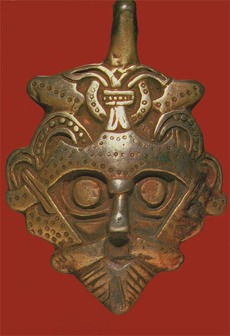
Multicultural Goods: In a single grave, archaeologists often find a mix of Scandinavian "tortoise" brooches, Slavic pottery, Byzantine silk, and Arab silver coins (dirhams). This suggests a society where Northmen, Slavs, and Finno-Ugrians lived and died in a highly integrated environment.
3. The Dirham Trail: Silver and Fur
The primary economic engine of Gnezdovo was the exchange of Northern forest products for Southern silver.
The Currency: Tens of thousands of silver dirhams from the Islamic world have been found in the region. For the Vikings, silver was the ultimate "Old Style" measure of success.
Export Commodities: In exchange for silver and silk, the Rus traded furs (sable, fox, and marten), honey, wax, and, most significantly, slaves (thralls) captured from the surrounding lands.
4. Craft and Industry: The Workshop of the East
Gnezdovo was not just a market; it was a major industrial center where raw materials were transformed into luxury goods.
Blacksmithing and Weaponry: Excavations have uncovered specialized forges producing high-quality Ulfberht-style swords and battleaxes, blending Norse metallurgy with local styles.
Glass and Jewelry: Artisans at Gnezdovo were masters of glass-bead making, using imported Byzantine glass cullet to create the colorful "Old Style" jewelry prized by Slavic and Viking women alike.
5. The "Gnezdovo Inscription": A Linguistic Milestone
One of the most famous finds at the site is a simple clay jar (an amphora) dating to the mid-10th century. It bears the word "goroushna" (meaning "mustard" or "incense") scratched into the clay.
The Significance: This is one of the oldest known examples of the Cyrillic alphabet used in the territory of Ancient Rus. Its presence in a Viking-dominated trade center highlights the rapid spread of literacy and Christian influence coming up the rivers from the Byzantine south.
6. The Shift to Smolensk
By the early 11th century, the importance of Gnezdovo began to wane as power shifted to the nearby city of Smolensk.
Political Consolidation: As the fragmented Viking "river-states" consolidated into the centralized Kievan Rus, trade became more regulated and military power more concentrated in defensive cities rather than open trade settlements.
Legacy: Though Gnezdovo was eventually abandoned to the forest, it remains the most significant archaeological site for understanding how the Norsemen were absorbed into the Slavic world, ultimately helping to forge the foundation of the Russian state.