Viking York: What the Jorvik Excavations Revealed About Urban Norse Life
The excavations at Coppergate in York (known to the Vikings as Jorvik) conducted by the York Archaeological Trust between 1976 and 1981 revolutionized our understanding of urban Norse life. Due to the damp, waterlogged soil, organic materials—such as wood, leather, textiles, and food remains—were preserved in remarkable detail, offering a rare window into the daily realities of an Anglo-Scandinavian city.
1. Urban Layout and Domestic Life
The excavation uncovered a dense network of property boundaries and long, narrow plots running back from the street.
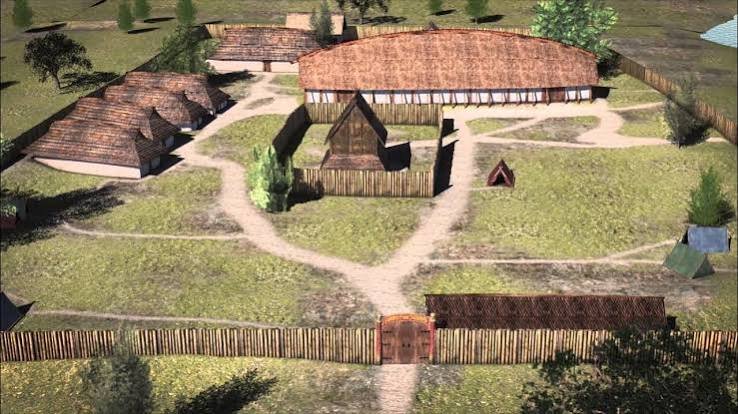
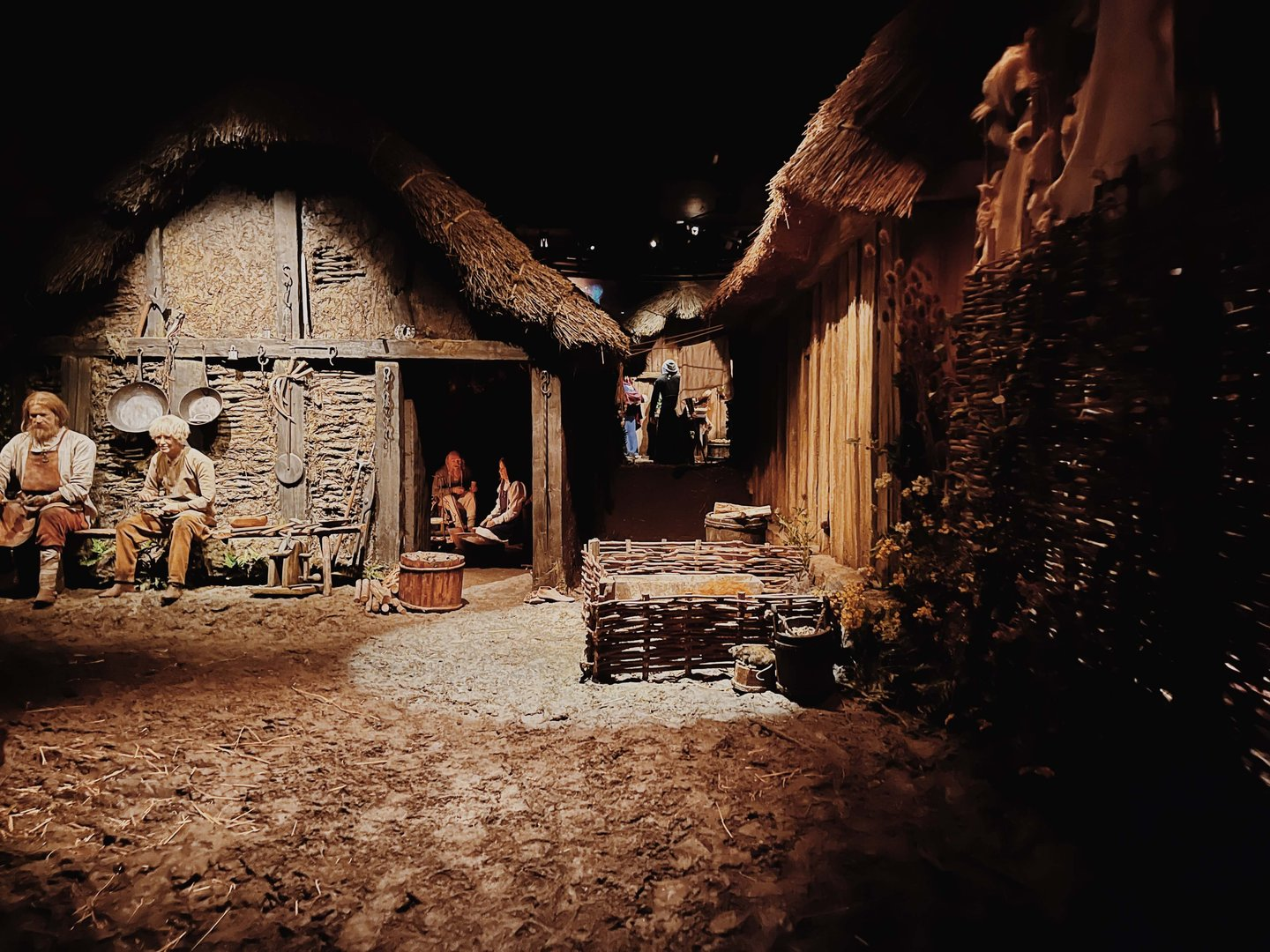
Housing Construction: The homes were built using wattle and daub, with thatched roofs. They typically consisted of a single main room with a central hearth for cooking and heating, alongside raised wooden benches along the walls for sleeping and sitting.
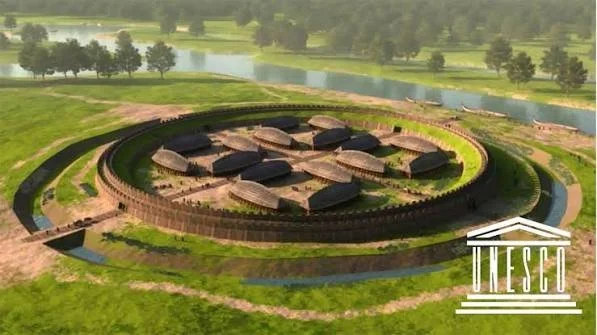
Property Organization: The plots were densely packed, showing a bustling, highly organized urban streetscape with workshops fronting the main thoroughfare and domestic areas situated toward the rear.
2. Trade and Global Connections
The artifacts discovered at Jorvik proved that the city was a major hub within a vast, international trading network.
Exotic Imports: Archaeologists found silk from the Byzantine Empire, cowrie shells originating from the Red Sea or Indian Ocean, and amber from the Baltic region.
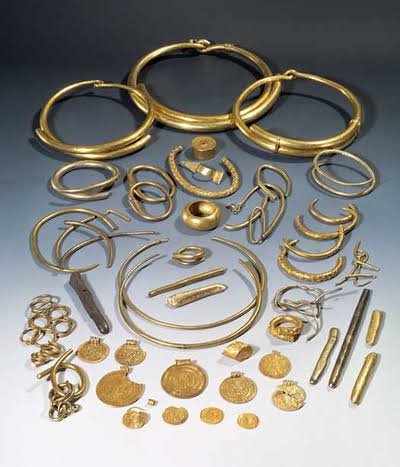
Coinage and Silver: A large quantity of coins, including Anglo-Saxon pennies and Islamic dirhams, were recovered, indicating a highly monetized economy based on exchange rather than simple barter.
3. Craftsmanship and Industry
Jorvik was not just a settlement of warriors and farmers; it was a vibrant center of manufacturing and specialized craft production.
Metalworking: Smithies produced everyday iron tools, knives, and decorative copper-alloy objects.
Leather and Bone Working: The waterlogged soil preserved thousands of leather shoes, scabbards, and offcuts. Bone and antler were used to craft combs, pins, needles, and gaming pieces.
Textile Production: Spindle whorls, loom weights, and fragments of dyed wool textiles demonstrated highly organized cloth production for both local use and export.
4. Diet, Health, and Environment
The exceptional preservation of plant and animal remains, including the contents of ancient latrines (coprolites), provided detailed insights into the diet and living conditions of the inhabitants.
Dietary Staples: The inhabitants consumed large quantities of beef, pork, and mutton, alongside river fish, oysters, and game birds. The plant remains included cereals, peas, and imported spices like coriander.
Parasites and Health: The analysis of soil samples revealed a high prevalence of intestinal parasites, such as whipworm and maw-worm, indicating that the close-quarters urban environment suffered from poor sanitation.
Life Expectancy: Skeletal analysis showed that while infant mortality was high, those who survived childhood often lived into their 40s or 50s, displaying signs of hard physical labor and degenerative joint diseases.
5. The Coppergate Helmet and Significant Artifacts
Among the most spectacular finds was the Coppergate Helmet, discovered in 1982 just after the main excavation phase.
Design: This rare Anglo-Scandinavian helmet is made of iron and brass. It is adorned with animal-style decorations and a Christian inscription, symbolizing the cultural blending of the Anglo-Saxon and Norse populations.
Personal Items: Wooden bowls, weaving swords, and decorated wooden gaming boards gave insights into how the Norse spent their leisure time during the winter months.