Lost Medieval Town Discovered in Polish Forest
Archaeologists have uncovered the remains of a long-lost medieval town hidden deep within forests near Sławoborze. The discovery is offering fresh insight into settlement patterns and frontier life in the region during the Middle Ages.
Identifying the Forgotten Settlement
Researchers from the Relicta Foundation, supported by Polish Ministry of Culture and National Heritage, believe the site to be Stolzenberg. This settlement was previously known only from written records dating to the 16th and 19th centuries.
Hundreds of Artifacts Unearthed
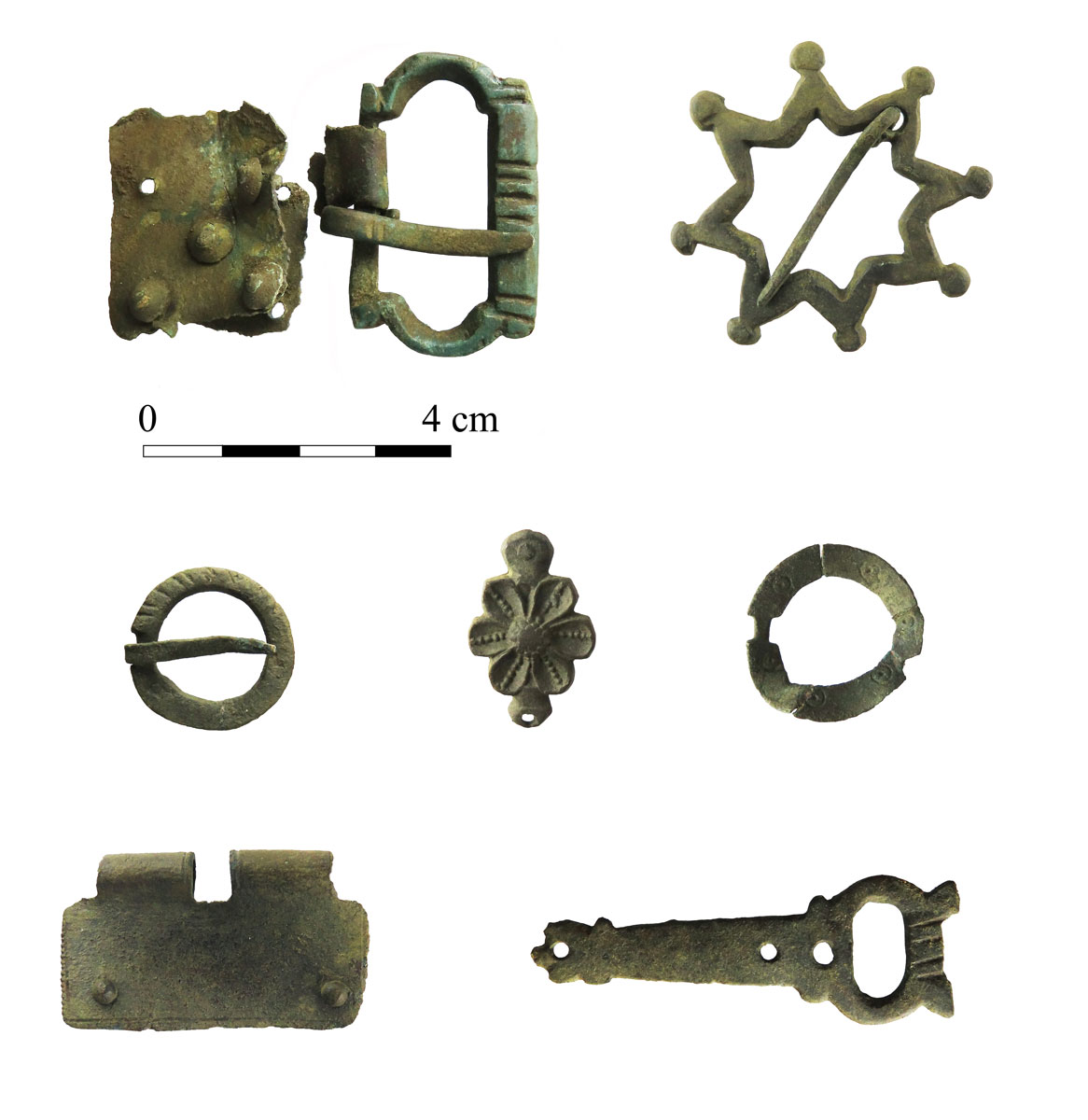
Initial investigations using metal detectors uncovered more than 400 objects. These included everyday tools, decorative belt fittings, brooches, and coins dating from the 13th to 15th centuries. Together, these finds confirm that the site was once an active and thriving community.
Advanced Technology Confirms the Site
Further research carried out last year combined geophysical surveys, LiDAR drone imaging, and soil drilling. These methods confirmed the presence of buried structures and helped map the layout of the settlement without extensive excavation.
A Classic Medieval Town Layout
According to archaeologist Piotr Wroniecki, the town’s design reflects typical planning under medieval German law. Evidence suggests a central marketplace surrounded by long, narrow plots of land, along with a main road leading to what was likely the town gate.
Buildings appear to have been constructed along these plots, forming an organized urban layout.
Fortified for Protection
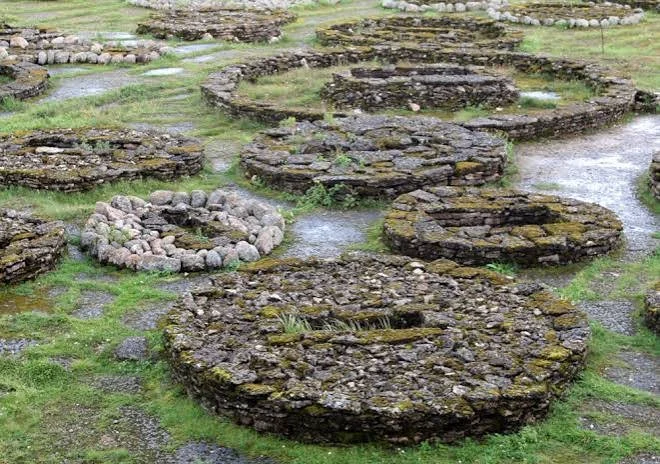
The settlement was not only structured but also defended. Remains of a surrounding moat and earthwork fortifications are still visible today, indicating that the town had protective measures in place—possibly due to its location on a frontier.
Origins and Historical Context
Radiocarbon dating suggests the town was established in the late 13th or early 14th century. Researchers believe it may have been founded as a frontier outpost by the Margraves of Brandenburg, who controlled the nearby region of Neumark at the time.
An Unanswered Mystery
Despite these discoveries, key questions remain. Archaeologists are still investigating why the town was founded and, more intriguingly, why it was eventually abandoned.
As noted by Marcin Krzepkowski, further research will be essential to fully understand the history of this hidden settlement.
Rediscovering the Medieval Landscape
This discovery highlights how modern technology is helping uncover forgotten chapters of history. Beneath dense forests, the remains of Stolzenberg offer a rare glimpse into medieval life—revealing how communities were built, organized, and ultimately lost over time.