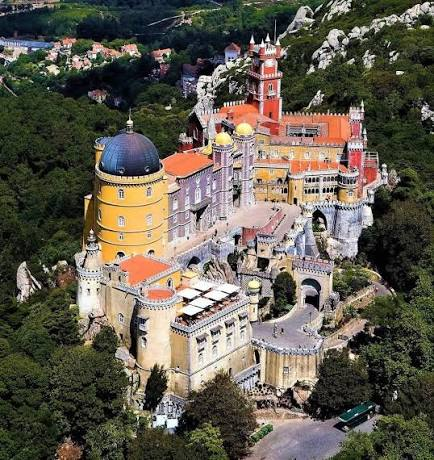
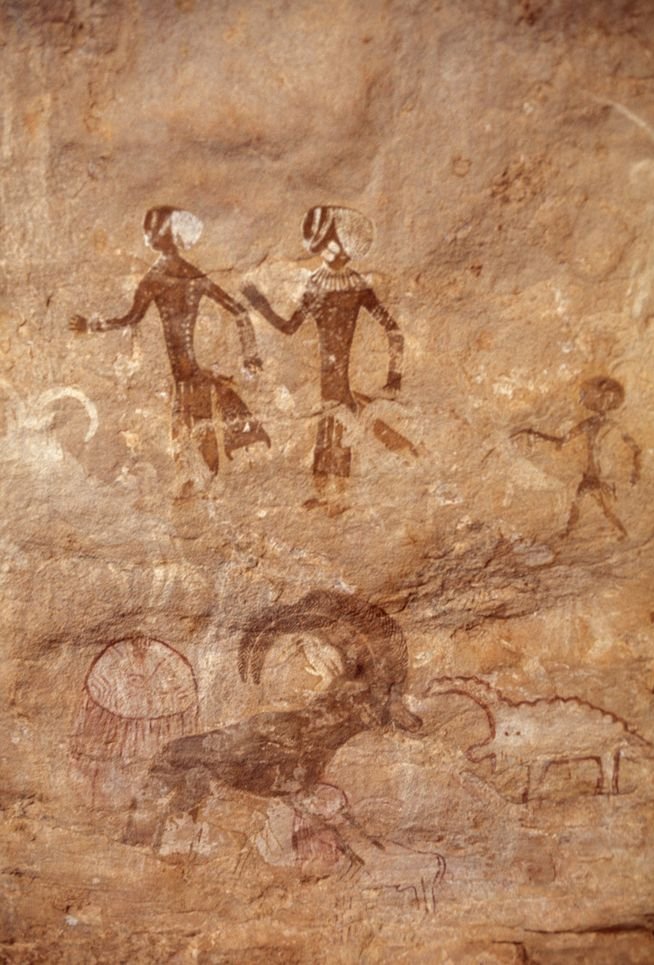
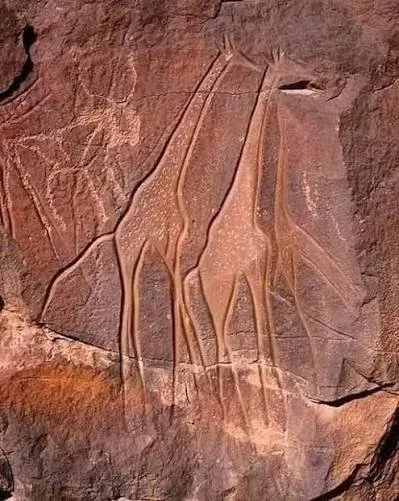
Despite what pop culture might have you believe, living in a medieval castle wasn't all that glamorous. If you were one of the lucky ruling class, you got some wine or the occasional hot bath. But with the lack of plumbing, castles smelled pretty ripe. Not to mention rats. So many rats. Today we're getting real about what living in a medieval castle was like, and it's not that pretty.
The Centurion who Fought Alone Against the Praetorian Guard
In the video below we will be talking about the Centurion who fought alone against the Praetorian Guard. Watch the video to find out more!
Skeletal remains of Roman aristocrat discovered in hidden lead coffin
The remains of a Roman aristocrat have been unearthed by archaeologists in northern England.

The skeleton of the unidentified woman, believed to be more than 1,000 years old, was found in a lead coffin in a hidden cemetery in the city of Leeds last year.
The remains of 62 people were dug up at the previously unknown archaeological site near Garforth. Men, women and 23 children were buried at the site uncovered by a team of archaeologists.
The dead are thought to include people from both the late Roman and early Saxon era, as burial customs of both eras were found in the graves, according to a press release published by Leeds City Council Monday.
David Hunter, principle archaeologist with West Yorkshire Joint Services, told CNN Monday that the discovery emerged after a commercial developer submitted an application for planning permission to the council.

An archaeological survey of the site – the exact location of which hasn’t been released – led to the remains being found last spring.
“We certainly got more than we bargained for,” Hunter told CNN. He said his team had reason to believe that the site might be of archaeological interest, as they’d found Roman and Anglo-Saxon structures nearby on previous digs. “But we didn’t expect to find a cemetery of 62 at this location,” he added.
Evidence of burial practices found on the site could indicate early Christian beliefs, along with Saxon burial, the team said. They also found personal possessions such as knives and pottery.
Describing the lead coffin as “very rare,” Hunter said: “The lead sheeting is the lining of a larger wooden coffin so it’s a very high status Roman body.”
The coffin also contained pieces of jewelery which reinforced the team’s suspicions about the person buried inside.

Archaeologists hope that the 1,600-year-old cemetery could help them understand the important and largely undocumented transition between the fall of the Roman Empire in around 400 and the establishment of the later Anglo-Saxon kingdoms.
After the Romans left Britain, West Yorkshire lay in the Kingdom of Elmet, which was located between the Wharfe and Don Valleys, the Vale of York and the Pennines, according to the press release.
Even after the Romans departed, many areas, including Elmet, continued to display elements of Roman culture – alongside that of the Anglo Saxons. That lasted for around 200 years.
Describing the dig as “extraordinary,” Hunter said in the release: “This has the potential to be a find of massive significance for what we understand about the development of ancient Britain and Yorkshire.
“The presence of two communities using the same burial site is highly unusual and whether their use of this graveyard overlapped or not will determine just how significant the find is.”
The remains will undergo testing and analysis, including carbon dating, which the team hope will help establish precise time frames, as well as details of individuals’ diets and their ancestry.

Excavation of the site was partly prompted by the fact that previous digs in the nearby area had unearthed late Roman stone buildings and a small number of Anglo-Saxon style structures. The findings have only just been made public as the site had to be kept secure so that initial tests could be carried out.
Kylie Buxton, on-site supervisor, said in the release: “It is every archaeologist’s dream to work on a ‘once in a lifetime’ site, and supervising these excavations is definitely a career-high for me.”
Once analysis of the find is complete – a process which could take a year or two, according to Hunter – the lead coffin is expected to go on display at Leeds City Museum.
How India Defended Against the Mongols - Medieval Documentary
In this video we will be explaining how India defended against the Mongols. Enjoy!
12 Most Amazing Archaeological Finds
The time has come for another dive into the distant past! We’re looking for things left behind by our ancient ancestors - things that sometimes don’t even make sense to our modern eyes. As always, we’re far from disappointed with what we’ve found. We’ve got a great collection of ancient wonders to share with you, and we’re getting started right now.
Mary Magdalane: Jesus and his Early Followers | Full Documentary
For nearly 2,000 years, she was believed to be a prostitute who repented and became a disciple of Jesus. But we reveal the truth about Mary that is finally emerging. Watch the video below for more!

The Unburied Queen Left To Rot For 400 Years
Royal Burials are considered today huge and spectacular events, but over the centuries the same can too be said. The Funeral of Elizabeth I marking the end of the Tudor Period was huge and lavish with mourners marking the processional way, but Henry VIII her father is still today left in a vault which goes against his wishes.
Henry VIII wished for a huge tomb to be created for him to encase the body of himself and his third wife Jane Seymour, but still 500 years following his death he remains in a sealed vault under the floor of St George’s Chapel in Windsor Castle, where only a simply slab marks his burial site.
This is not what the King wanted, but there was one Queen who died in the 15th century who’s story after her death is nothing short of shocking, disgusting and a disgrace. Catherine of Valois is remembered today as the Queen who was left unburied for 400 years inside the heart of the Church of England, Westminster Abbey. But she experienced a large amount of disturbing desecration to her body in the centuries after her death.
Catherine of Valois today is best remembered for being the Queen and wife of Henry V of England. Henry V is regarded as one of the finest King’s England had, as he won a spectacular battle at Agincourt during the 100 Years War. Catherine gave birth to Henry VI a King who became embroiled in the Wars of the Roses, and ultimately lost out and was murdered within the walls of the Tower of London, despite having a long reign. Catherine’s marriage to Henry V was part of a plan to combine the throne of France and England, and her son was later crowned King of both countries but this ultimately was too much. Whilst she was pregnant with her second child, her husband Henry V died after becoming sick. Catherine was not even 21 when this happened and was left as a Dowager Queen. But following the death of the French King, her son Henry VI became the ruler of England and France.
The Mysterious Damaged Pyramid At Abu Rawash In Egypt
In today’s video we will be exploring the mysterious damaged pyramid at Abu Rawash in Egypt. Watch the video below to find out more!
This petite fossil bird might have hunted like today’s birds of prey
A 120-million-year-old fossil bird found in China could offer some new clues about how landbound dinosaurs evolved into today’s flying birds. The dove-sized Cratonavis zhui sported a dinosaur-like head atop a body similar to those of today’s birds, researchers report in the January Nature Ecology & Evolution.

The flattened specimen came from the Jiufotang Formation, an ancient body of rock in northeastern China that is a hotbed for preserved feathered dinosaurs and archaic birds. CT scans revealed that Cratonavis had a skull that was nearly identical (albeit smaller) as those of theropod dinosaurs like Tyrannosaurus rex, paleontologist Li Zhiheng of the Chinese Academy of Sciences in Beijing and colleagues report. This means that Cratonavis still hadn’t evolved the mobile upper jaw found in modern birds.
It’s among just a handful of specimens that belong to a recently identified group of intermediate birds known as the jinguofortisids, says Luis Chiappe, a paleontologist at the Natural History Museum of Los Angeles County who was not involved in the study. Its dino-bird mishmash “is not unexpected.” Most birds discovered from the Age of Dinosaurs exhibited more primitive, toothed heads than today’s birds, he says. But the new find “builds on our understanding of this primitive group of birds that are at the base of the tree of birds.”

Cratonavis also had an unusually elongated scapula and hallux, or backward-facing toe. Rarely seen in Cretaceous birds, enlarged shoulder blades might have compensated for the bird’s otherwise underwhelming flight mechanics, the researchers say. And that hefty big toe? It bucks the trend of shrinking metatarsals seen as birds continued to evolve. Cratonavis might have used this impressive digit to hunt like today’s birds of prey, Li’s team says.
Filling those shoes may have been too big of a job for Cratonavis, though. Given its size, Chiappe says, the dino-headed bird would have most likely been a petite hunter, taking down the likes of beetles, grasshoppers and the occasional lizard rather than terrorizing the skies.
Why Genghis Khan Refused To Invade India
In the following video we will be explaining what made Genghis Khan resist invading India. Watch the video to find out more!
Drugs said to have been used by ancient shamans were discovered in 3,000-year-old human hair
The discovery of psychoactive alkaloids in hair fragments thought to have belonged to Bronze Age shamans on the Spanish island of Menorca provides the earliest proof of hallucinogenic drug use in Europe dating back 3,000 years.
The hairpieces were found in a hidden section of a burial chamber in the Es Càrritx cave on the island in the Mediterranean. The current study found that they tested positive for the stimulant ephedrine as well as the delirium-inducing alkaloids scopolamine and atropine.

The study's principal investigator, Elisa Guerra-Doce of the Universitat Autnoma de Barcelona, told IFL Science that prior investigations of the cave had uncovered the remains of at least 210 people who were interred there between 1400 BCE and 800 BCE.
Many of the dead had been discovered with hair that had been dyed red, and some had been buried with colored hair in tubes made of bone or wood.
Researchers did find an additional 10 tubes with hair inside of them and other artifacts from the historical period hidden below a layer of clay in a previously unknown area deep inside the cave.
According to the study, ultra-high-performance liquid chromatography and high-resolution mass spectroscopy were used to identify the presence of mind-altering drugs.
Guerra-Doce told IFL Science, "The interesting thing about this work is that it documents the intake [of hallucinogenic plants] in human samples for the first time.
Despite the fact that these were all indirect indications, she continued, "plants with psychotropic effects had already been identified in several archaeological contexts, including those that are far older than Es Càrritx."
Plants in the Datura genus, which have been linked to witchcraft and sorcery in the West for ages, contain scopolamine and atropine.
The findings, according to Guerra-Doce, "indicate that these folks genuinely absorbed these chemicals, which were derived from diverse plants," rather than necessarily implying that these individuals were swallowing the plants to experience euphoria.
The study discovered that the alkaloids present in hair can result in "severe mental confusion, powerful and realistic hallucinations, disorientation... [and] out-of-body experiences and a feeling of modification of the skin, as if growing fur or feathers."
The handling, use, and applications of the alkaloids detected in the hair "expressed highly specialized knowledge," the researchers stated.
The hair was thought to be that of ancient shamans because of this specific understanding, according to researchers.
Concentric rings adorned the tubes where the hair was discovered, which scholars believe may be a representation of the "inner vision" that shamans saw after consuming hallucinogenic substances.

According to Guerra-Doce, who spoke to IFL Science, the tubes may have been carefully buried as a result of "social instability" among the Menorcan populace about 3,000 years ago.
According to researchers, "in this context, in the cave of Es Càrritx, some individuals reluctant to abandon ancient traditions, concealed a collection of ritual objects belonging to certain members of the community, possibly shamans, in the hope that the previous social order could be re-established in the future."
Dwarfie Stane: Scotland's Dark Mystical Isle of Hoy, Home To The Mysterious 5,000-Year-Old Rock-Cut Tomb
A particularly old and substantial block of red sandstone is known as the "Dwarfie Stane." There has been a mystery surrounding this 5,000-year-old brick up to this day.
There is no documentation of who built this enormous tomb, how they did it, or for what purpose or purposes.
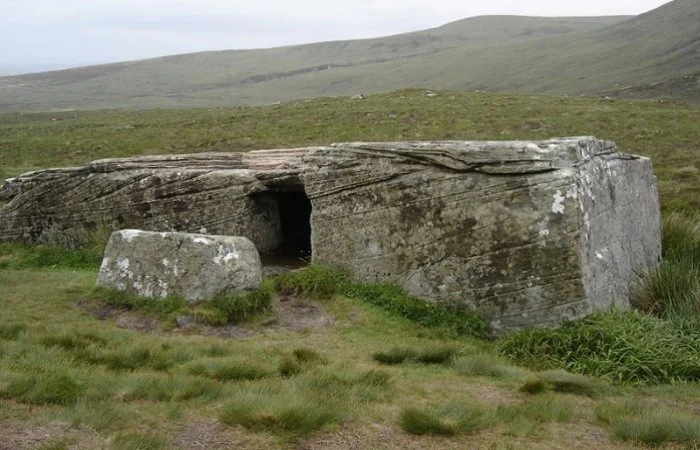
The mysterious stone, known as the Dwarfie Stane, is thought to be the sole rock-cut tomb in Britain and is located in a narrow valley with steep sides between Quoys and Rackwick on the island of Hoy in Orkney, Scotland.
Between the Neolithic and the Early Bronze Period, most likely around 3,000 BC, the chamber was hollowed out. Based on similar graves found in the Mediterranean region, this estimate was made.
What makes this enormous slab so unique? Someone once hollowed out the "Dwarfie Stane" using only a few basic tools, persistence, and a lot of physical might.
The stone slab is up to 2.5 meters (8.2 feet) high and measures roughly 8.5 meters (28 feet) long by 4 meters (13 feet) wide. The west face of the stone had an entrance that was 1 meter (3.3 ft) square and went into the inner chamber.
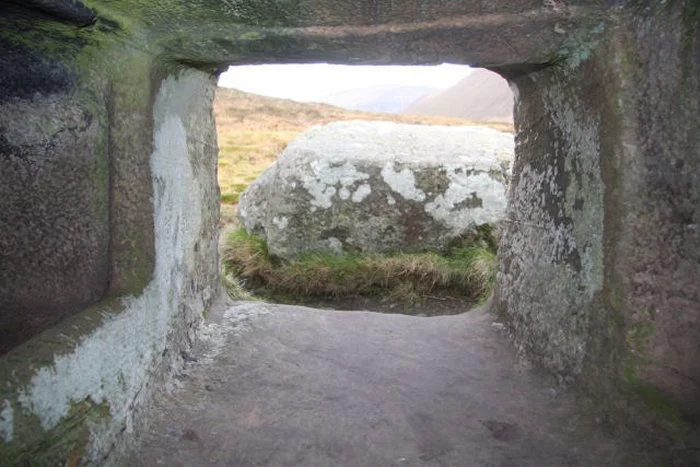
Both "bed-places," which are oddly too little for someone of average height, are the subject of numerous folktales and legends about dwarfs, and these ancient tales are said to encircle the location.
Visitors once left gifts at the "Dwarfie Stane" as a sign of their appreciation. Why? Was the room intended for a monk or hermit who lived there by himself?
It is reported that the aperture was first sealed with a sizable slab of sandstone that was outside the opening. It's interesting to note that the enigmatic tomb was still covered up until the 16th century.
The strange stone slab has never been the subject of any archaeological dig, and we have no idea what, if anything, was discovered inside.
Yet, there is evidence of a hole that was likely an effort to break into the inside of the stone via the roof that was later covered with concrete.

An old Orcadian mythology claims that a giant and his wife created the Dwarfie Stane. The gigantic pair was imprisoned inside the stone by a third giant who desired to become the ruler of the island of Hoy.
His malicious schemes, however, were foiled when the giant who was being held captive was able to escape through the chamber's roof.
History's Greatest Mysteries | Is the Trojan War fact or fiction
In today’s video we will investigate whether the Trojan War was a fact or fiction. Watch the video below to find out more!
The Cryptic Voynich Manuscript - World's Most Mysterious Book
The Voynich Manuscript is a handwritten document of unknown origin and authorship, written in an unknown script and language. The manuscript is named after Wilfrid Voynich, a Polish book dealer who purchased it in 1912. The manuscript contains approximately 240 pages, and is richly illustrated with diagrams, drawings of plants, astrological symbols, and human figures.
The Voynich Manuscript is written on vellum, a type of parchment made from animal skin, and has been dated to the early 15th century based on carbon dating of its materials. Despite many attempts by scholars and cryptographers, the script has not been fully deciphered, and the meaning of its contents remains a mystery.
Over the years, many theories have been put forward about the origins and purpose of the Voynich Manuscript. Some have suggested that it may be a medical or alchemical treatise, while others have proposed that it is a religious or mystical text. Others have speculated that it may be a hoax or a cipher that was intended to keep information secret.
Despite numerous attempts to decipher the manuscript, the script has remained indecipherable. Some researchers have claimed to have made progress in deciphering certain portions of the text, but their findings have been controversial and not widely accepted by the academic community.
In summary, the Voynich Manuscript is a mysterious and enigmatic document that has confounded scholars and intrigued the public for centuries. Its meaning and purpose remain a mystery, and its contents continue to be the subject of intense study and speculation.
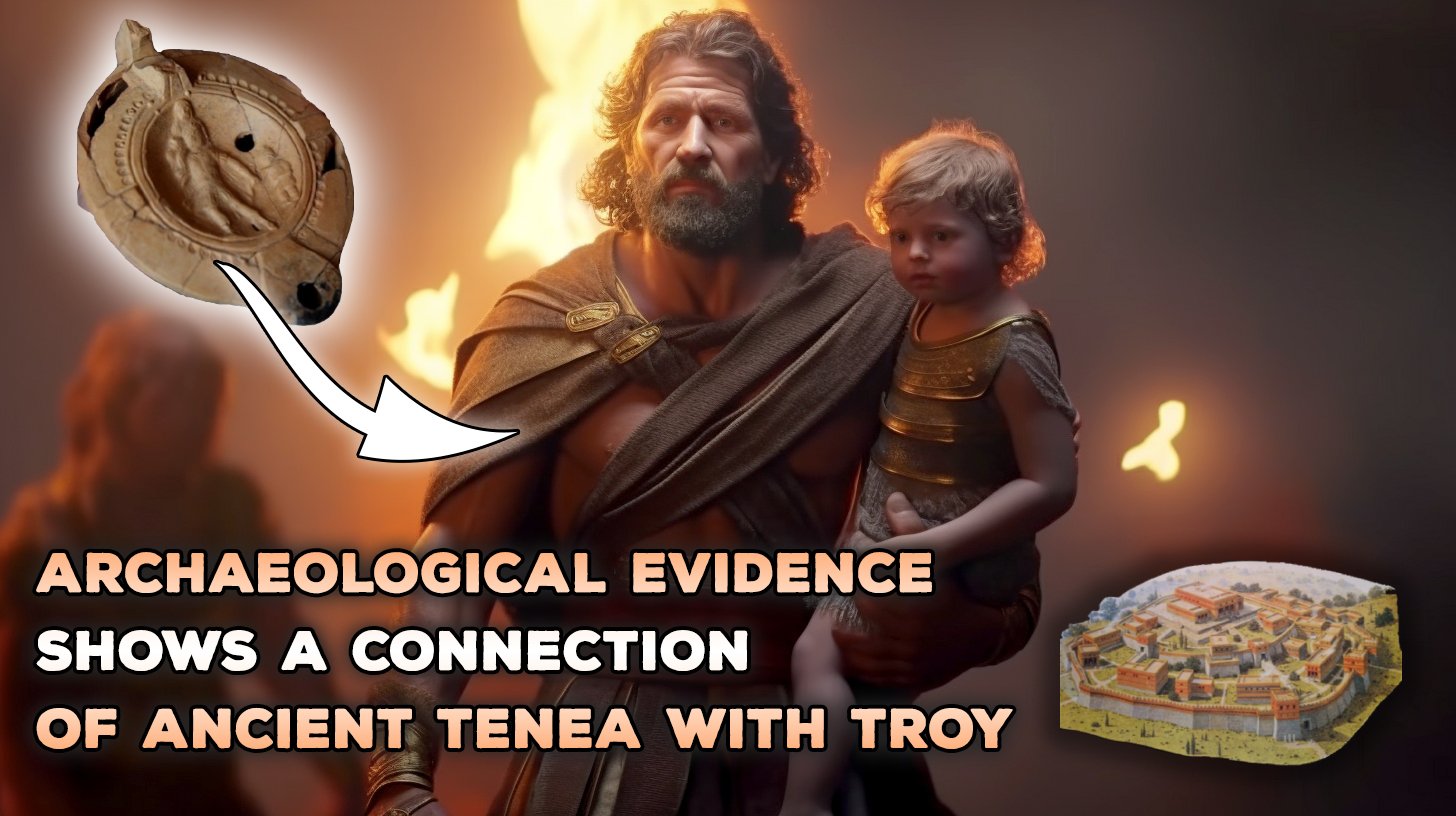
The Lamp of Aeneas found in Tenea, Greece: What it proves about the city's relationship with Troy
Tenea: An Ancient City with a Rich History and Mythical Connections
Nestled in the region of Corinthia in southern Greece, the ancient city of Tenea boasts a history that dates back to the Bronze Age. Known for its cultural and historical significance, this enigmatic city has been the subject of archaeological studies for decades. Its origin story, which links Tenea to the Trojan War, has intrigued scholars and history enthusiasts alike. In this article, we will explore the history behind the foundation of Tenea, its discovery by archaeologists, and delve into its possible connections to ancient Troy.
Foundation of Tenea
The foundation of Tenea is steeped in myth and legend. According to ancient Greek tradition, the city was founded by Trojan captives who were brought to the Peloponnese after the fall of Troy. These captives, were given the task by Agamemnon of building a new city, which they named Tenea in honor of the goddess Athena, who was also known as Teneatis.

This origin story, while rooted in myth, is believed to hold some elements of truth. It is thought that Tenea was established during the 12th century BC, around the same time that the Trojan War is thought to have taken place. The city's strategic location, between the ancient cities of Corinth and Mycenae, allowed it to grow and flourish throughout the centuries, becoming a prosperous trade center.
Discovery by Archaeologists
Tenea's ancient ruins remained hidden from the world until the 19th century when the first excavations began. However, it wasn't until the 21st century that the significance of the site started to become clear. In 2013, the archaeologist Eleni Korka led a team of researchers to conduct extensive excavations, unearthing a wealth of artifacts and evidence of ancient life.

The archaeological site spans several acres and includes remnants of ancient houses, tombs, and a theater. The discovery of an ancient cemetery, in particular, provided crucial insights into the lives of the people who once inhabited Tenea. The graves, which date from the 4th century BC to the 4th century AD, contained valuable offerings such as pottery, jewelry, and weapons, indicating the wealth and status of the ancient Teneans.

Clues About Tenea's Connection with Ancient Troy
The mythical connection between Tenea and ancient Troy has long captivated historians and archaeologists. While definitive proof of this connection remains elusive, there are several clues that suggest a strong link between the two cities.
Firstly, the mythological origin story of Tenea's foundation by Trojan captives implies a direct connection to Troy. Additionally, the worship of the goddess Athena Teneatis further strengthens this link, as Athena was the patron goddess of both cities.
Furthermore, during the excavations led by Eleni Korka, a stone inscription was found that bore the name of a Tenean man, Sekoundos. This discovery is significant because the name Sekoundos has a Trojan etymology, suggesting that the Teneans may have maintained their Trojan heritage for centuries after their settlement in Greece.
The Lamp of Aeneas - Tenea Under Roman Rule
There were several items uncovered at Tenea in 2018, including a Roman oil lamp depicting Aeneas leaving Troy holding his aged father Anchises on his shoulder and his younger son Ascanius by the hand. This representation was based on Virgil's epic "The Aeneid". A 500-square-meter complex of Roman baths was discovered during this season's dig at Tenea.

The relationship between the Romans and the Trojans is a captivating aspect of ancient history, blending myth and reality to create a powerful origin story. Despite the geographical and temporal distance between the two civilizations, the Romans viewed the Trojans as their ancestors, forging a connection that shaped the cultural and historical narrative of ancient Rome.
The most famous account of the relationship between the Romans and the Trojans comes exactly from the Roman poet Virgil's epic, the Aeneid. Written during the 1st century BC, the Aeneid recounts the story of Aeneas, a Trojan prince and the son of the goddess Venus (Aphrodite in Greek mythology) and the mortal Anchises. Following the fall of Troy, Aeneas and a group of survivors embark on a journey to find a new homeland.

After many trials and tribulations, Aeneas reaches the Italian peninsula, where he marries the Latin princess Lavinia and establishes the city of Alba Longa. According to the myth, Romulus and Remus, the legendary founders of Rome, are direct descendants of Aeneas, thus connecting the Romans to the Trojans through a shared lineage.
The relationship between the Romans and the Trojans held significant political implications. By claiming descent from the Trojans, the Romans could assert their divine lineage and elevate their status among the ancient Mediterranean civilizations. Furthermore, this connection allowed Rome to distance itself from the Greeks, who were often viewed as rivals.
The Roman conquest of Greece began in the 2nd century BC, with the Macedonian Wars marking the beginning of Rome's expansion into the Greek world. By the mid-1st century BCE, Rome had effectively annexed the entirety of Greece, incorporating the region into the Roman Empire as the province of Achaea.
During this time, Tenea's strategic location between Corinth and Mycenae made it an important center for trade and communication. Consequently, the city attracted the attention of the Roman conquerors, who sought to integrate Tenea into their growing empire.

The Roman conquerors brought with them their own customs, beliefs, and practices, which influenced the local culture of Tenea. At the same time, Tenea's unique history and connections to ancient Troy likely intrigued the Romans, who themselves believed in a shared lineage with the Trojans through the myth of Aeneas.
This mutual fascination led to a cultural exchange, with the Romans adopting certain aspects of Tenean culture, and the Teneans integrating Roman practices into their own way of life. For instance, the worship of the goddess Athena Teneatis, which was central to the Tenean religious tradition, may have resonated with the Romans due to their own reverence for the goddess Minerva, the Roman equivalent of Athena.
The city of Tenea experienced a period of transformation under Roman rule, as it adapted to the new political, economic, and cultural landscape. Roman influence in Tenea is evident in the archaeological record, which shows the construction of buildings, infrastructure, and monuments characteristic of Roman architecture.
As part of the province of Achaea, Tenea enjoyed a degree of autonomy, allowing it to maintain its local customs and traditions. The city continued to prosper during the Roman period, benefiting from the extensive trade networks that connected the Roman Empire. The ancient cemetery discovered in Tenea, with its rich grave offerings, provides evidence of the city's wealth and status during this time.
While archaeological evidence has not yet provided conclusive proof of a connection between Tenea and ancient Troy, the tantalizing clues unearthed so far invite further exploration and study. As excavations continue, it is hoped that more insights into the captivating history of this enigmatic city will be revealed.
As Tenea continues to be uncovered and studied, it stands as a testament to the rich cultural and historical tapestry of ancient Greece. Its unique history, which blends myth and reality, serves as a reminder of the complex connections between the ancient civilizations that shaped the world as we know it today.
In the meantime, the archaeological site of Tenea continues to draw visitors from around the world, eager to catch a glimpse of the city's ancient ruins and to uncover the mysteries that still lie buried beneath the earth. The ongoing exploration of Tenea promises to shed new light on the complexities of ancient Greek society and the enduring legacy of the Trojan War. As the story of Tenea unfolds, it enriches our understanding of the past and fuels our curiosity for the secrets that remain to be discovered.
What was life like after the Bronze Age collapse (Extended Version)
Have you ever wondered what life was like after the Bronze Age collapse? Watch the video below to find out everything!
Battle of Torvioll, 1444 Skanderbeg's Rebellion - Rise of the Albanian Dragon
Skanderbeg, a national hero of the Albanians, was the first to organize a league of Albanian princes, over which he was appointed commander in chief, in 1444. For twenty two years, in the period 1444-66, he effectively repulsed 13 Turkish invasions. His successful resistance to the Ottoman armies made him a hero throughout the Western world.
The Sacred Band of Thebes Documentary
In this ancient history documentary we take a closer look at one of the most famous units of history, the Sacred Band of Thebes. The video begins with an over view of the the history of Thebes. We cover its mythology, founding in the bronze age, and rise to power over the course of the Greco Persian wars, the Peloponnesian war, and the ensuing wars in greek history.
The Sacred Band actually only exists for a brief period of 40 years around the height of Theban power. It was formed in response to Spartan aggression following the restoration of the Theban democracy. The unit was supposedly composed of paired male lovers according to Plutarch. They were garrisoned on the acropolis of Thebes and became a jack of all trades for their polis, capable of serving as not just front line troops but also fire fighters and strategic strike forces.
The history documentary then covers their military training, equipment, and service history. This includes a discussion of the battle of Tegyra where they defeated a superior Spartan force and the famous battle of Leuctra where the Sacred Band of Thebes helped defeat a spartan army. Finally we conclude with the battle of Chaeronea where the Sacred Band faces its match in the invading Macedonian Army of Philip II of Macedon and his son, Alexander the Great.
Secrets of the Libyan Pharaohs
In this video we will explore the ruins of Tell Basta (site of ancient Bubastis) and San al-Hagar (site of ancient Tanis) to find out answers about the time of the Meshwesh Libyan rulers of Egypt in the mysterious Third Intermediate Period of Egyptian history. Enjoy!
Incredible Stone Age House: Primitive Technology 3,800BC
Here is a Stone Age Primitive House inspired by the 4,000 BC Horton Neolithic House excavated in Berkshire, England. Built with a Scots Pine roundwood timber frame, and 12 tons of reed thatch for the roof. With wattle and daub walls, a solid oak timber frame entrance with deer skin doors and complete with fire pit and deer skin beds inside. This replica Primitive House built at Butser Ancient Farm was inspired by the finds of Wessex Archeology. Only post holes and faint outlines of the foundations were discovered in Berkshire, England. We can only guess that the structure would have used a basic timber frame structure, likely an A-frame roof to shed water, and being near the river Thames, likely covered in water reed for the thatched roof.