New Study Unveils Spinosaurus "River Monster" Secrets Dinosaur Predator Was Bigger Than T. rex

The method by which Spinosaurus hunted has been a matter of controversy for decades despite being the largest predatory dinosaur known (it is over two meters longer than the longest Tyrannosaurus rex).

Spinosaurus, the longest predatory dinosaur known, is opening its elongate jaws, studded with conical teeth, to catch a sawskate. Contrary to previous suggestions, this animal was not a heron-like wader – it was a “river monster”, actively pursuing prey in a vast river system located in modern-day North Africa. Dense bones in the skeleton of Spinosaurus strongly suggest it spent a substantial amount of time submerged in the water. Credit: Davide Bonadonna

A team of paleontologists has used a novel method—analyzing the density of long-extinct species' bones—in a new publication that was published on March 23, 2022, in Nature.

The research team discovered that Spinosaurus and its close relative Baryonyx from the Cretaceous of the UK both had dense bones that would have allowed them to submerge themselves underwater to hunt by analyzing the density of spinosaurid bones and comparing them to other animals like penguins, hippos, and alligators.

Because spinosaurids' elongated jaws and cone-shaped teeth resemble those of fish-eating carnivores, and because the ribcage of Baryonyx from Surrey also included partially digested fish scales, scientists already knew that spinosaurids had certain connections with water.

Dr. Nizar Ibrahim, a paleontologist of the University of Portsmouth and a National Geographic Explorer, discovered pieces of a Spinosaurus skeleton in the Sahara Desert of North Africa a decade ago. Retracted nose, small hind legs, paddle-like feet, and a tail that resembled a fin were all characteristics of the skeleton Dr. Ibrahim and his team reported, all of which strongly suggested an aquatic lifestyle.

The skeleton truly has "water-loving dinosaur" written all over it, according to Dr. Ibrahim. "We battled sandstorms, flooding, snakes, scorpions, and more to excavate the most enigmatic dinosaur in the world," he continued.

Dr. Ibrahim and his team earlier hypothesized that Spinosaurus could swim and actively chase prey in the water based on its highly specialized anatomy, but others asserted that it was not much of a swimmer and instead trudged in the water like a big heron.

Baryonyx, from Surrey in England, swims through an ancient river with a fish in its jaws. Like its much larger African relative Spinosaurus, Baryonyx had dense bones, suggesting that it too spent much of its time submerged in water. It was previously thought to have been less aquatic than its Saharan relative. Credit: Davide Bonadonna

Researchers are still debating whether Spinosaurus stood in the shallows and dipped its jaws in to catch prey, or if it spent most of its time submerged, seeking animals in the water.

"In part, this is probably because we were challenging decade-old dogma, so even if you have a very strong case, you kind of expect a certain degree of pushback," Dr. Ibrahim said.

An international team of experts, including senior author Dr. Ibrahim and lead author Dr. Matteo Fabbri of Chicago's Field Museum, sought an alternative method of determining the lifestyle and ecology of long-extinct animals like Spinosaurus in response to this ongoing controversy.

The concept behind our work, according to Dr. Fabbri, was that there are many possible interpretations for the fossil data. What about the fundamental physical laws, though? Any organism on this planet must abide by a certain set of laws. One of these laws relates to density and water-submergence capabilities.

Bone density can reveal if an animal can swim and submerge itself across the animal kingdom.

An specialist on the internal structure of bone, Fabbri, stated that "previous studies have shown that mammals adapted to water have dense, compact bone in their postcranial (behind the skull) skeletons." Dense bone aids in buoyancy control and enables submersion of the animal.

The team compiled a massive dataset of femur and rib bone cross-sections from 250 species of extinct and living creatures, including both land- and water-dwellers, and covered animals weighing from a few grams to several tons, including seals, whales, elephants, mice, and even hummingbirds.

Additionally, they gathered information about extinct sea reptiles including plesiosaurs and mosasaurs. The researchers compared the cross sections of the bones from these creatures to those from the relatives of Spinosaurus, Baryonyx, and Suchomimus.

According to Dr. Ibrahim, "the scope of our study kept expanding because we kept thinking of more and more groups of vertebrates to include."

The researchers discovered a direct correlation between bone density and aquatic foraging behavior: species that dive underwater to collect food have bones that are almost entirely solid throughout, whereas the cross sections of bones in land animals more closely resemble doughnuts with hollow centers.

The scientists discovered that Spinosaurus and Baryonyx both had the kind of dense bone associated with complete submersion when they subjected spinosaurid dinosaur bones to this paradigm.

The bones of the distantly related African Suchomimus were hollower. Despite having a crocodile-like snout and conical teeth, it nevertheless resided near water and consumed fish, but due to its low bone density, it wasn't actively swimming. Ibrahim said, "That was a bit of a surprise, since Baryonyx and Suchomimus look rather similar." But the group quickly understood that it was not unusual and that other groups had also shown similar trends.

Dr. Nizar Ibrahim. Credit: Paolo Verzone

The thick bones in the limbs of other dinosaurs, such as the enormous long-necked sauropods, simply reflect the extreme stress placed on those limb bones.

Some of these animals would have weighed as much as several elephants, so giving the bones more load-bearing capacity makes a lot of sense, according to Dr. Ibrahim.

The future of paleontology, according to Dr. Jingmai O'Connor, a curator at the Field Museum and co-author of this study, lies in collaborative research projects like this one that draw on hundreds of fossils. Although they take a lot of time to complete, they enable researchers to identify significant trends.

Dr. Ibrahim is already considering the following inquiries. "With this new piece of evidence, I believe it is reasonable to rule out speculative ideas that Spinosaurus was a huge wader because they are not supported by the available data. The bones are unreliable, and now that we are aware of it, even their internal structure supports our understanding of the animal as a massive predator that hunted fish in huge rivers while using its paddle-like tail for propulsion. We are already attempting to reconstruct these river monsters' movements in great detail, which will be fascinating.

Source: https://scitechdaily.com/spinosaurus-river...

Mississippi River Finally Dried Up But Now Something Has Emerged

The truth is going to get uncovered, drought has made skeletons alive, but what is the real story,what else is uncovered, wanna know then stay tuned till last.The Mississippi River's dry conditions have revealed a submerged world that usually stays out of view. The hulls of sunken ships and a wide array of missing nautical equipment have recently broken the surface, joining new islands that have emerged in recent weeks. The remaining tiny waterway is backed up with barges that are either stranded in the muck or waiting to make their way forward.

The frightening sight has drawn many riverside residents out on foot and in boats to take it all in.

An Incredible Journey to the Earth's Prehistoric Oceans

About 541 million years ago, the distribution of land and sea was much different than what we know. All of this took place long before the creation of Pangea.

At this time of the Cambrian, during the first phase of the Paleozoic, the Iapetus Ocean separates North America from South America and Africa which was welded together, the whole called Gondwana. The Rheic Ocean separates the African coast from the Baltic continent. Other oceans, such as the Panthalassa and the Paleotethys cover a very large area that separates North China and Siberia.

Mummy Found With Strange 'Clothing' Is Rewriting The History Of Ancient Egypt

There’s something that draws people to Egyptian history. Whether it’s the hieroglyphics, the pyramids, or the fact that cats were worshipped, there’s clearly major interest in this ancient civilization. And that’s obviously pushed archaeologists to uncover as much as they can about Egypt’s past, including its death-based practices. With that in mind, we’re talking about mummies here. A team recently found a mummy that could change our understanding of Egyptian history. This is the story of Khuwy’s discovery.

New excavations have begun in Pompeii: New victims emerge from the House of Chaste Lovers

It was not just the eruption that led to the death of the inhabitants of Pompeii but also the simultaneous earthquake.

Turmoil, confusion, attempted escapes and, in the meantime, an earthquake, showers of pumice, volcanic ash and hot gases. This was the inferno of the eruption of AD 79, the living hell in which the inhabitants of the ancient city of Pompeii found themselves, including the two victims whose skeletons were recently discovered during the excavation of the insula of the House of the Chaste Lovers.

They were the victims of an earthquake that accompanied the eruption, discovered beneath a wall that had collapsed between the final phase of the deposition of pumice and prior to the arrival of the pyroclastic flows that buried Pompeii for good.

Medusa: The Priestess Cursed by Athena and Her Tragic Fate in Greek Mythology

Embark on a mesmerizing journey into the tragic tale of Medusa, the once-beautiful priestess cursed by Athena in ancient Greek mythology. In this compelling video, we delve into the intricate story of Medusa's transformation into a monstrous Gorgon, her ill-fated encounter with the hero Perseus, and the enduring symbolism of her visage. Explore the origins, myths, and artistic representations of one of the most iconic and misunderstood figures in classical mythology. Join us as we unravel the enigma of Medusa and reveal the captivating secrets behind her tragic fate.

Discovering the Mysterious Beauty of Kandovan’s Rocky Village

In the Central District of Osku County, East Azarbaijan Province, Iran, Sahand Rural District, which is 60 kilometers southwest of Tabriz, is home to Kandovan Village. It is well-known for its spectacular, volcanically formed rocky architecture and hand-carved structures.

The hamlet has a distinguished international reputation and is the only rocky village in the world that is still inhabited. It was added to Iran's National Heritage List. The globe has two other uninhabited cliff settlements with comparable architecture: Cappadocia in Turkey and Dakota in America.

Etymology

Kandovan got its name because the village's rocky homes resemble bee hives. The first settlers in the area, according to Kandovan's history, were reportedly people from Hilevar, a village 2 kilometers away. They moved here to flee the Mongols and began to cut the Karans to create a secure haven for themselves.

Architecture

This charming village has a history that goes back 6000 years. Some archeological studies put its age as high as 7000 years old.

One of the attractions of the settlement is the architecture; in some spots, the walls' thickness approaches two meters. The rock serves as an energy-efficient building material, keeping the house warm in the winter and cool in the summer. These rocks stand at a height of roughly 40 meters.

This settlement is surrounded by sharp pyramidal cliffs that were formed by volcanic eruptions in the Sahand Mountain Range and have holes on their uneven surfaces. The cliffs are shaped like honeycomb cells, sometimes referred to as Karan. Most of these Karans are typically two stories, but occasionally they have three or even four levels that are separate from one another from the interior.

Every room in the cliff houses, including the kitchens, hallways, and even the pens, was chiseled out of stone by the residents to serve as windows and eventually to hold decorative glasses.

Village

The Kandovan has a fantastic climate, a lot of flora, and beautiful scenery because it is situated on the Sahand Mountain slopes. The region's fertile plains give nomads the opportunity to raise medicinal herbs and honey bees, two lucrative cash crops for the locals. The majority of the residents of this village are farmers and ranchers.

There are currently 117 households residing in the village, making it the only rocky settlement in the world that is still inhabited. The community's amenities include a mosque, a public bath, a school, a mill, gift stores, a buffet, and a restaurant.

Source: https://www.tehrantimes.com/print/437557/K...

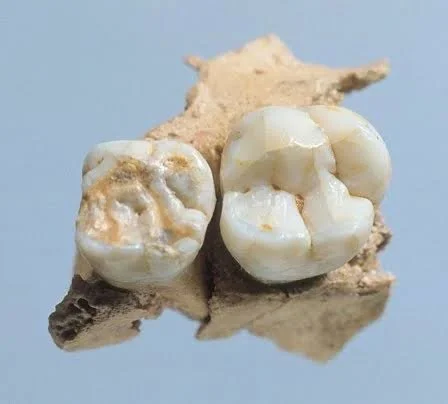
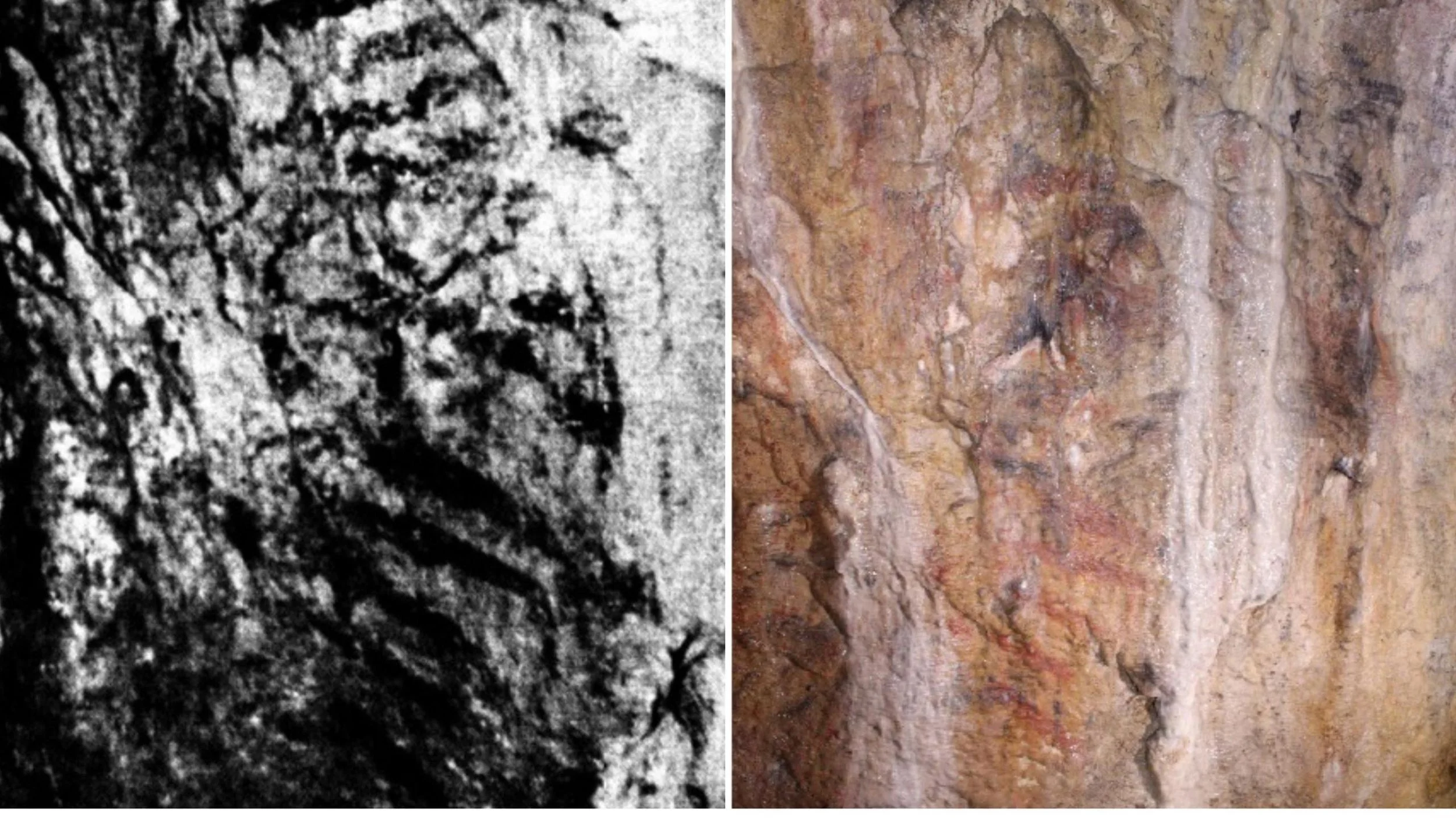
Neanderthals Built Stone Circles 175,000 Years Ago?

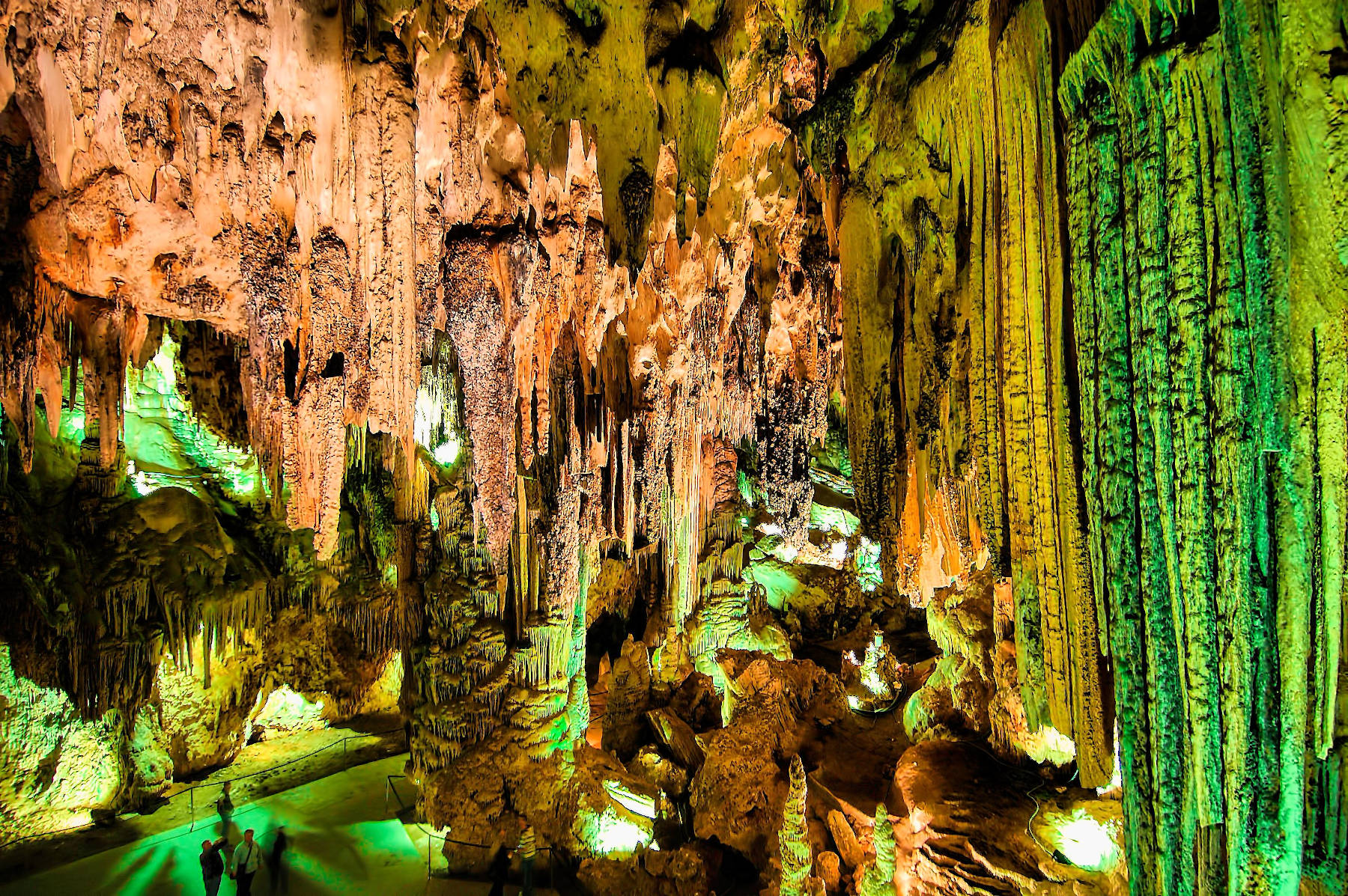
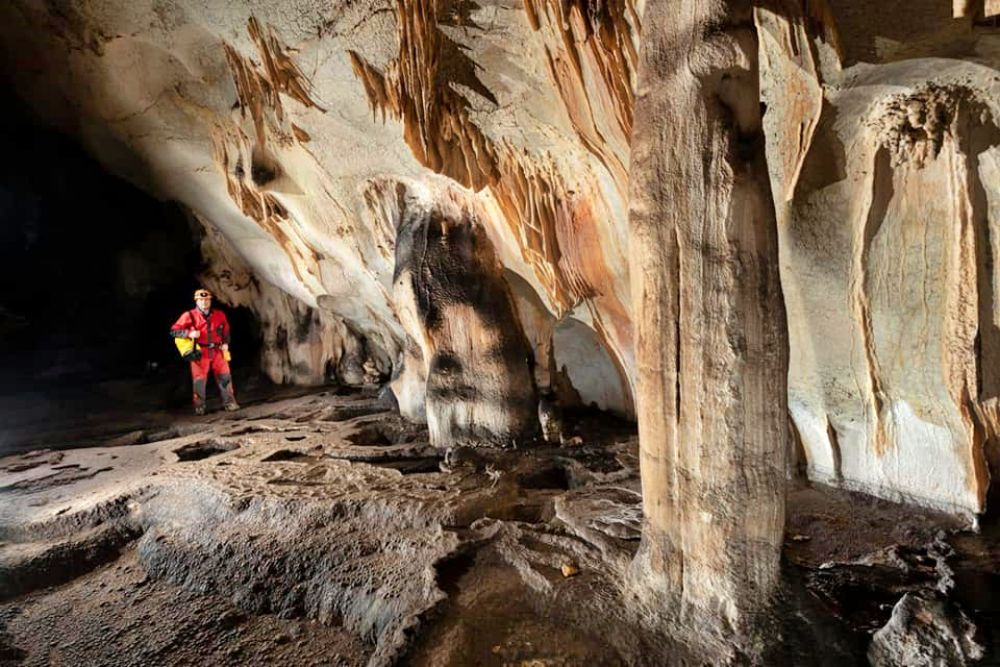
The oldest stone circles ever found date back to 175,000 years ago and were created by Neanderthals.The circular structures created from nearly 400 stalagmites in the Bruniquel cave show that Neanderthals were far more organised in their social structure than previously thought. The creation of these structures requires the mobilization of people who can lead, who can advise, who can manufacture, who can construct patterns, all while they needed a continuous source of light.

What Was Life Actually Like as a Jester in the Middle Ages?

During the medieval period lucky jesters were the ones who were employed by nobles or royalty to perform at court. But he or she wasn’t just an entertainer, they were part of the social fabric of a region, whilst court jesters were valued with great privileges. Today in Medieval Madness, we look at the life of a Medieval Jester.

17 Most Amazing Permafrost Discoveries From Siberia & Alaska

The thick permafrost of Siberia and Alaska hides the mummified remains of many types of large and small ice age animals. In some cases, entire buried carcasses that have been shrunken and desiccated down to a natural mummified state have been dug up.

Here is an updated list of 17 such frozen mummies that tell us how these animals lived and looked through the Ice Age!

There Used To Be An Island Here

In the following video we will be explaining everything about Doggerland, an area of land, now submerged beneath the North Sea, that connected Britain to continental Europe. Watch the video to find out more!

12 Most Unexpected Ancient Artifacts Finds

What’s more exciting - going looking for something and finding exactly what you’re looking for, or finding something entirely by accident? Both are rewarding experiences, but accidental discoveries come with an extra thrill! All the unexpected ancient artefact discoveries you’re about to see in this video came as a big surprise to the people who found them.

Roman Mosaic Discovered in English Shopping Center

An old Roman mosaic was found in 1988 by construction workers in southeast England building a shopping center. They just noted the mosaic's location and carefully covered it back up because there wasn't enough funding to research the relic. Shoppers didn't realize they were strolling on top of a nearly 2,000-year-old masterpiece of art for the next 35 years and a half.

Archaeologists are uncovering a Roman mosaic located in front of a vape shop at a shopping mall in southeast England. Lion Walk Shopping Centre

According to Sarah Rose Sharp of Hyperallergic, the beautifully patterned mosaic is now finally receiving its time in the spotlight. Colchester Borough Council and Lion Walk Shopping Center representatives have started an effort to unearth the object and cover it in glass.

The first Roman capital of England was Colchester, which is located about 60 miles northeast of London. It is also Britain's earliest town known to exist. Roman objects frequently turn up as a result, and the Colchester Archaeological Trust has recorded over 40 known mosaics as such, according to Jo Lawson-Tancred of Artnet.

Director of the trust Philip Crummy tells Artnet that Colchester is not known for its Roman past as much as it should be.

A steady stream of interested customers stopped to observe workers as they gently unearthed the mosaic in front of a vape shop. The manager of the shopping mall, Martin Leatherdale, called the interest from onlookers "phenomenal" to Daniel Rees of the Colchester Gazette.

The magazine quotes him as saying, "We are confident that we are in a good position to understand the science and infrastructure changes required to unveil this masterpiece in all its glory this summer."

Archaeologists estimate that they have discovered around a fifth of the mosaic's overall area so far, including some pieces that were not first visible until the late 1980s. By the end of this summer, they intend to finish the project and put the mosaic on exhibit.

The city was originally known as "Camulodunum," after the god of war, until it was given the name Colchester. The Roman emperor Claudius ordered his forces to construct a fortification at Camulodunum after successfully invading Britain in 43 CE. A few years later, the area was designated as a civilian town and chosen as the initial capital of Rome's new Britannia province.

According to the local tourism organization, Visit Colchester, construction teams constructed a number of structures during that time, including the Temple of Claudius. The town also once had three theaters, a senate house, townhouses, and a Roman chariot-racing circus. In 60 CE, the local Iceni and Trinovantes population led a revolt against the Romans that resulted in the destruction of the settlement and many of its structures.

Later, a defensive wall was built around the town, nearly two-thirds of which are still in place today. The Colchester Castle museum, which was erected on the site of the demolished temple, is also open to tourists today.

Source: https://www.smithsonianmag.com/smart-news/...

How the Greeks over 2,000 years ago demonstrated that the Earth was spherical

The exact circumference of the Earth was measured by satellites in the middle of the 20th century and found to be 40,030 kilometers. Eratosthenes calculated nearly the same amount using a stick and his intellect more than 2,000 years ago in ancient Greece.

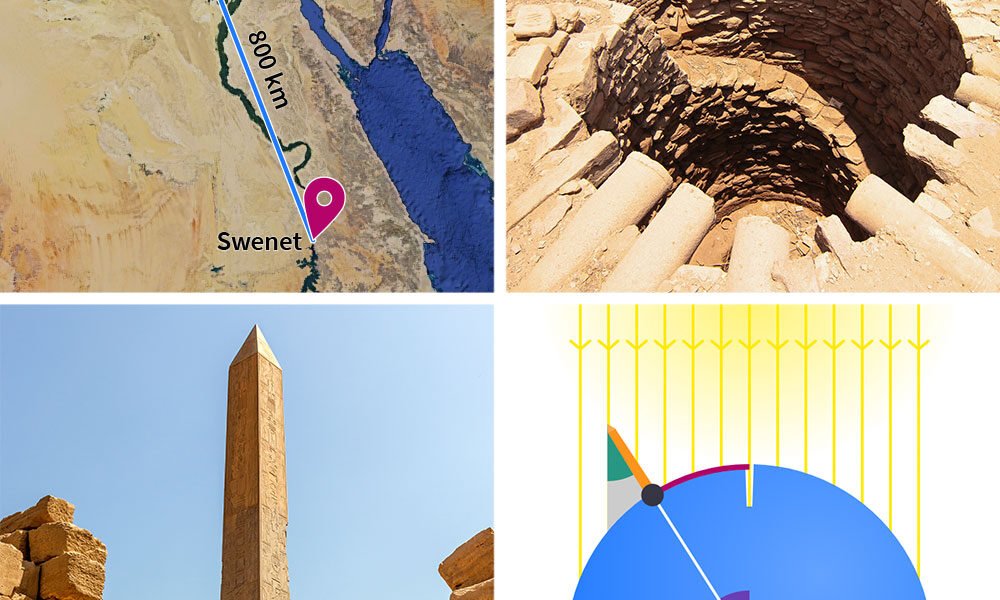
By comparing the lengths of the shadows cast by two sticks placed in Alexandria and Syene, two cities south of Alexandria, on the summer solstice, the Greek mathematician and head of the Alexandrian library Eratosthenes was able to determine the Earth's spherical shape and calculate its circumference.

Eratosthenes calculated the circumference of the Earth to be about 40,000 kilometers using simple proportions and hired a person to pace the distance between the two cities. This calculation is amazingly precise considering the state of technology at the time.

In 276 BC, Eratosthenes was born in the Greek colony of Cyrene in what is now modern-day Libya. Later, he relocated to Alexandria, where he held the position of chief librarian at the Library of Alexandria, one of the most significant academic institutions in antiquity.

A well-known poet, historian, and geographer, Eratosthenes also contributed to the fields of mathematics and astronomy.

Source: https://greekcitytimes.com/2023/05/02/how-...