The Mysterious Khazar Empire | Historical Turkic States

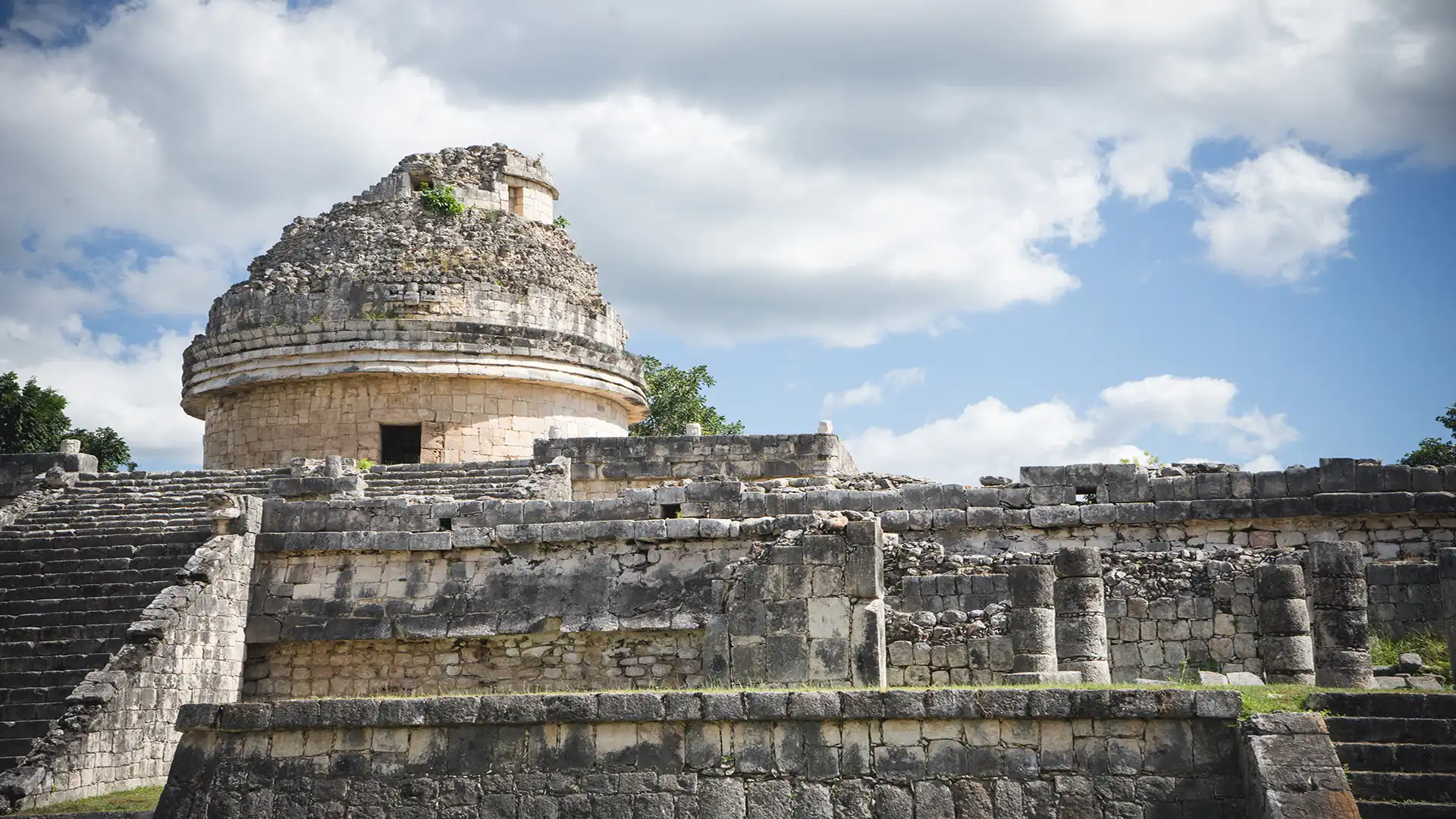
From the ashes of the Western Göktürk Empire, a new state emerged between the Don basin, Volga river and the Caucasus. Calling themselves "Khazars", these Turkic people established a political entity that very quickly rose to the rank of an empire. Strategically located along the ancient Silk Road(s), the Khazars controlled much of the trade in the region and, making use of their military prowess, managed to defeat all neighboring nomadic peoples. But this state was led by both a Khagan and Bek, and this dual kingship enabled a flexible reign over their subjects. The fate of the Khazars was ultimately sealed by their foreign policy, as they served both the Byzantine interest of keep the advancing Muslim Arab Empires out of the Caucasus and the nomadic Turkic peoples who could roam away freely along the Eurasian Steppe Belt.

The most remarkable trait of the Khazars, however, was their conversion to Judaism. Whether a majority of the Turkic population or only the ruling dynasty converted away from Tengrism is subject to speculation. Nonetheless, this speculation is purposefully linked with the "Khazar Hypothesis" which, ever since the 19th century, proposes a Turkic Khazar origin of the Jewish people who later appeared in Central and Eastern Europe.

How correct are such assumptions? Is there any evidence for this theory? How did the Khazars establish their state in the first place, and what impact did it have on the political and cultural affairs in the region? Let us find out in this new documentary from Khan's Den.

25 Most Incredible Discoveries & Mysteries To Blow Your Mind

Today, we take a look at these 25 most incredible discoveries & mysteries to blow your mind.

It seems that every year researchers do an amazing job at uncovering new artifacts. It's these amazing discoveries that give us an insight into our past and what life would have been like. Not only has these recent discoveries helped us to understand how far we've come, but its' also shown us what we were capable of in the distant past.

It seems though that some of these discoveries have made even our best researchers question what they are. Although many of these discoveries do eventually get answered, there's some that need to be studied more in depth.

So today, here at unexplained mysteries, we'll be taking a look at 25 incredible discoveries & mysteries to blow your mind.

12 Most Incredible Ancient Artifacts Finds

It’s time for another video exploration of fantastic ancient artefacts. These fabulous finds come from all over the world and represent many different cultures and areas. The one thing that all of them have in common is that they’re incredible discoveries, and we’re going to dive straight into the details right now!

Treasure worth over $1 million found in Rocky Mountains after a 10-year search

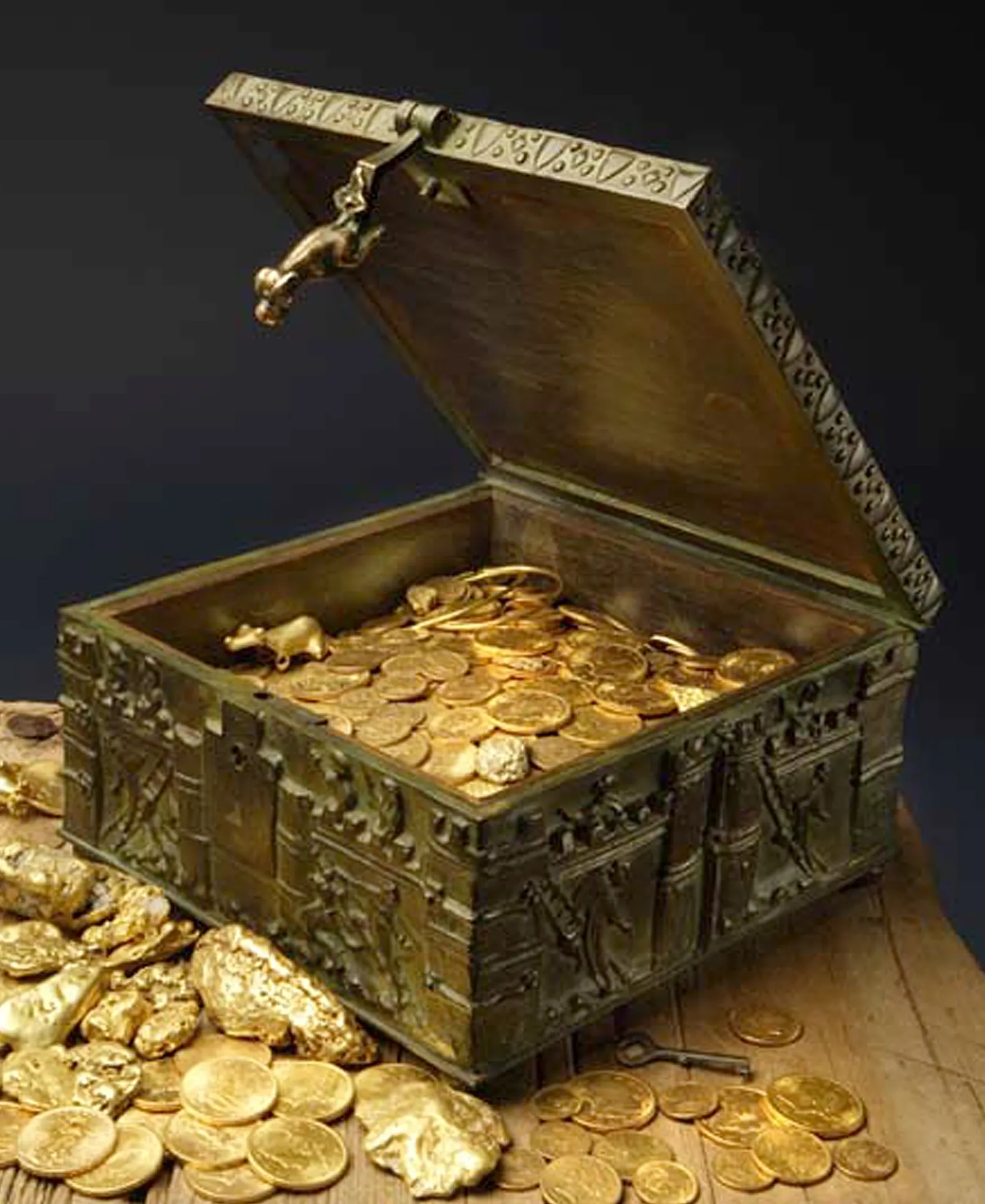
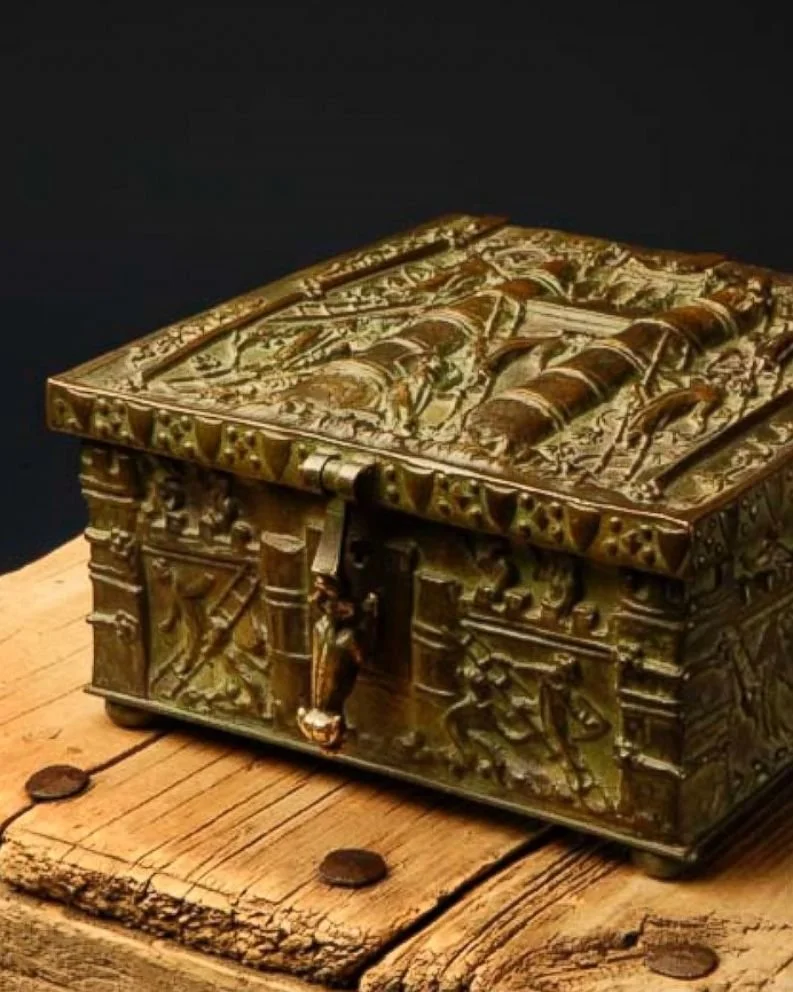
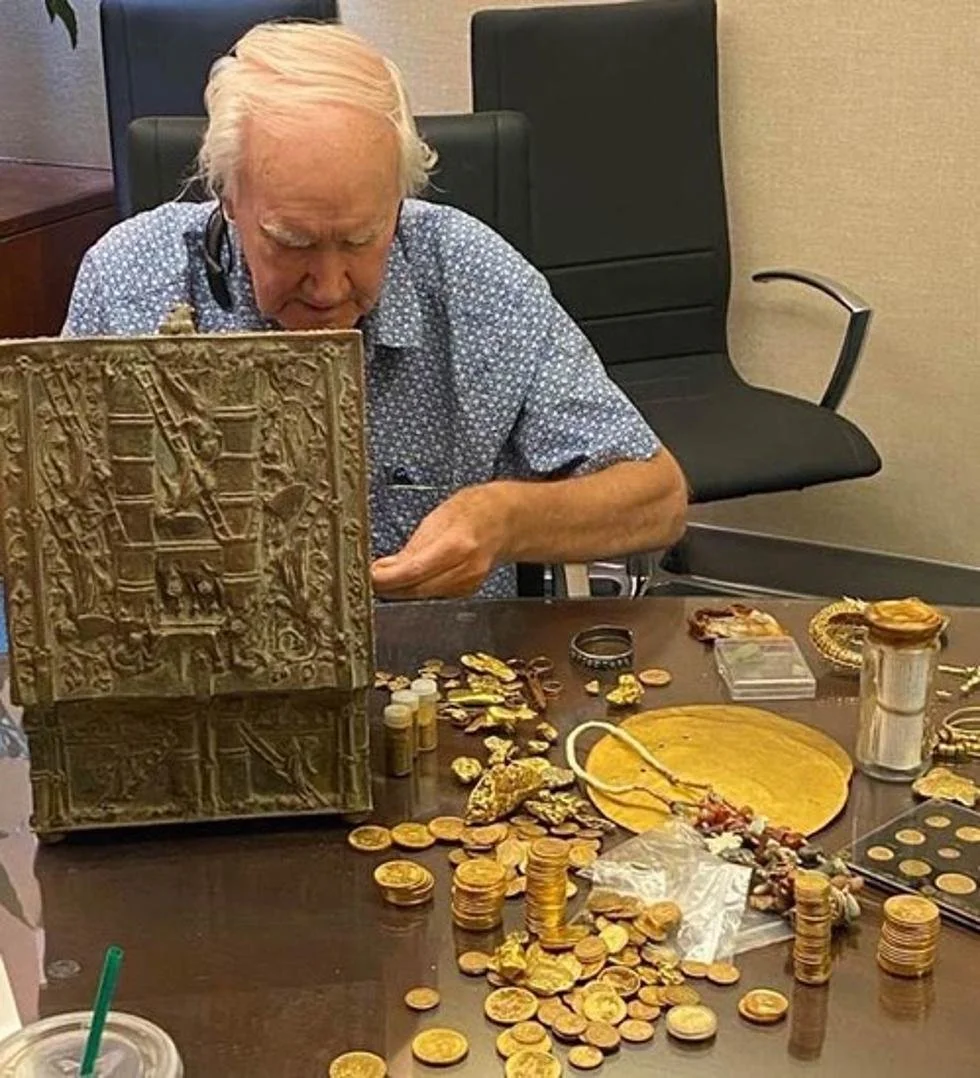
A treasure chest full of gold, jewelry and other valuables worth $1 million was found in the Rocky Mountains, according to the man who hid it there more than a decade ago.

Art dealer and author Forrest Fenn confirmed that "the search is over" in an announcement on his website Sunday. Fenn said he didn't know the person who claimed the treasure, but a poem in his book led him to its hiding spot.

“It was under a canopy of stars in the lush, forested vegetation of the Rocky Mountains and had not moved from the spot where I hid it more than 10 years ago," Fenn said. "I congratulate the thousands of people who participated in the search and hope they will continue to be drawn by the promise of other discoveries."

The 89-year-old told the Santa Fe New Mexican that the treasure was found in 2020 by a man from "back East" who did not want to be named. Fenn said the discovery was confirmed with a photograph.

Fenn inspired thousands of treasure hunters when he announced years ago that he had hidden the chest somewhere in the Rocky Mountains. The treasure was said to be north of Santa Fe, New Mexico, and many deciphered clues from Fenn's writing, including a 24-line poem published in his 2010 autobiography, "The Thrill of the Chase."

The hunt proved deadly over the years. In 2019, the Gallatin County Sheriff's Office in Montana warned that at least two people died, two were rescued near death and others had run-ins with police as they searched for the treasure near Yellowstone after a man was injured searching for the prize.

In 2017, a body was found in New Mexico that appeared to be Paris Wallace of Grand Junction, Colorado, a pastor who went missing while searching for the treasure. The year before, the body of Randy Bilyeu, 54, was found months after he disappeared while looking for the treasure along the Rio Grande.

Fenn said on his website that more information and photos will come soon. When asked how he felt now that the treasure has been found, Fenn told the Santa Fe New Mexican, “I don’t know, I feel halfway kind of glad, halfway kind of sad because the chase is over."
Source: https://eu.usatoday.com/story/news/nation/...

Albanian DNA History

In the following video we will be explaining the history of the Albanian DNA. Enjoy!

11 Amazing UNESCO World Heritage Sites

Today, we invite you on a breathtaking journey to explore 11 Amazing UNESCO World Heritage Sites’, where the echoes of history reverberate through time, captivating hearts and minds. We will explore these astonishing Sites and witness the marvels of human ingenuity, the beauty of ancient cultures, and the everlasting legacy they've left behind. We will include Stonehenge, Sultanahmet Archaeological Park, and the Ancient City of Sigiriya as we delve into ancient mysteries and remarkable legacies that shape our past.

What is Daoism?

Daoism, sometimes spelled as Taoism, is a religious and philosophical tradition indigenous to China. But what is Daoism? Watch the video to find out!

Archaeologists Have Discovered A 5,000-Year-Old Funerary Monument in Vila Verde, Portugal

A team of Minho University archaeologists and students excavates a megalithic funerary monument atop Monte do Oural in Vila Verde.

In the statement made by the municipality, it was emphasized that the aim is to museumize a "precious heritage find" estimated to have been built between 4000 and 3,000 BC. That is, it will have an existence of at least more than 5,000 years.

Archaeologist Luciano Vilas Boas, who coordinated the excavations on the ground of the Oural mound, noted that the surrounding area is extremely rich in terms of archaeological heritage, and that there are three more burial megalithic monuments and a rock art set in the vicinity.

Discoveries make it possible to notice that several populations live on these lands, located next to the lookout on the edge of Ribeira do Neiva and the swing in Monte do Oural in Vila Verde, with the expectation that they can become a new tourist attraction and local dynamism.

Best Fake Quotes from Antiquity

In the video below we will analyze some of the best fake quotes from Antiquity. Watch the video to find out more!

Believed Extinct Animals Still Alive Today

In this video we will count down the Top 10 Believed Extinct Animals Still Alive Today. Here are some extinct animals that are still alive today, as well as some animals which have gone extinct, but scientists are trying to bring back to life using fossils, DNA and new scientific techniques!

The SAD TRUTH About Gladiators in Ancient Rome

The life of a Gladiator is often times extremely romanticised in Movies & TV Shows and it looks like they were the Rockstars of their Time. However this changed as soon as they left the Arena and a sad truth awaited them in Ancient Rome.

In today's Video we take a look behind the dates and facts and take a look at what the life really looked like for Gladiators in the Ancient Rome.

Archaeologists Discover a Hoard of Bronze Age Artifacts That Was Buried More Than 3,000 Years Ago

During the excavation of a known Roman battle site in the Swiss Alps, archaeologists stumbled upon a fascinating discovery – an impressive hoard of 80 artifacts dating back to the late Bronze Age.

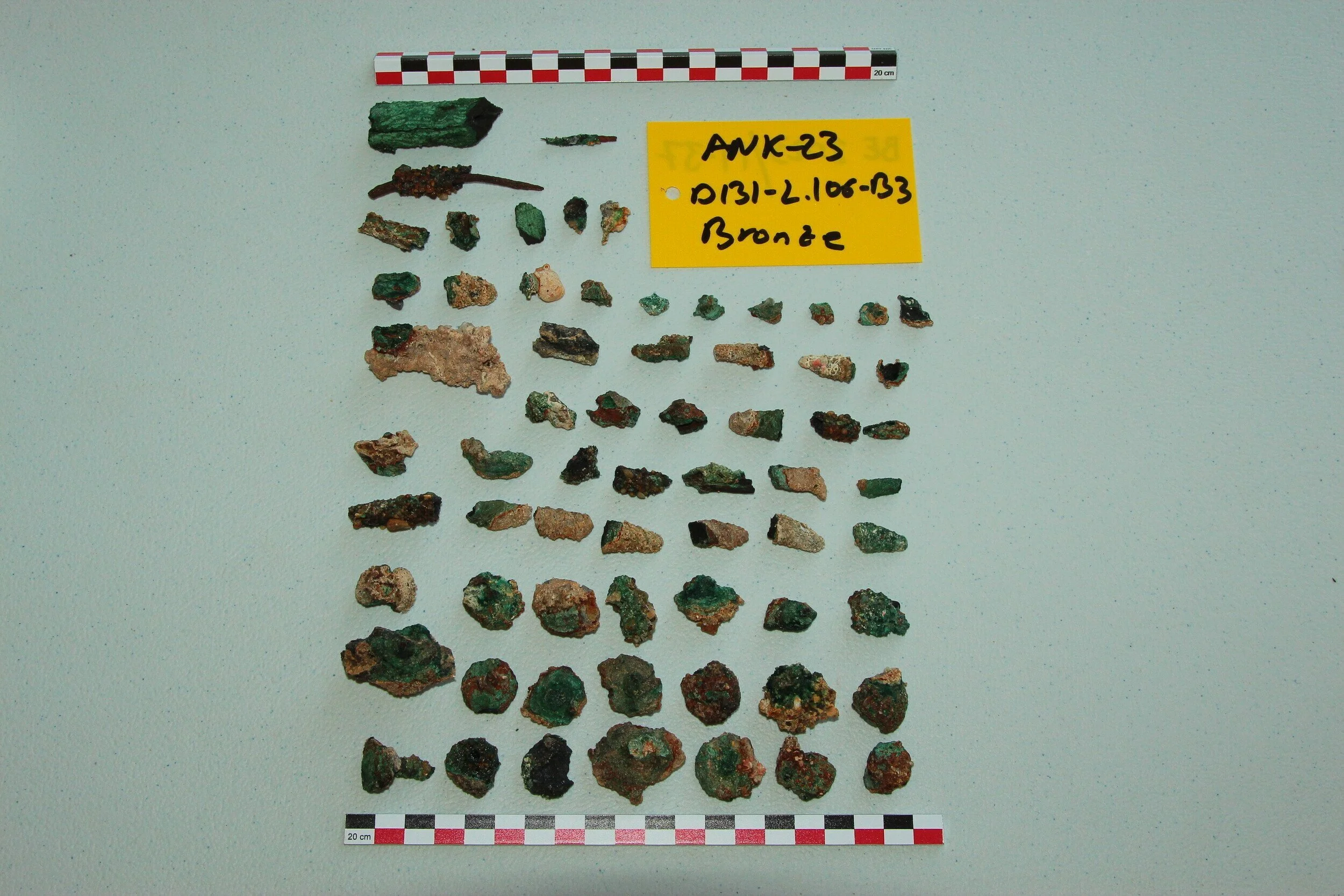
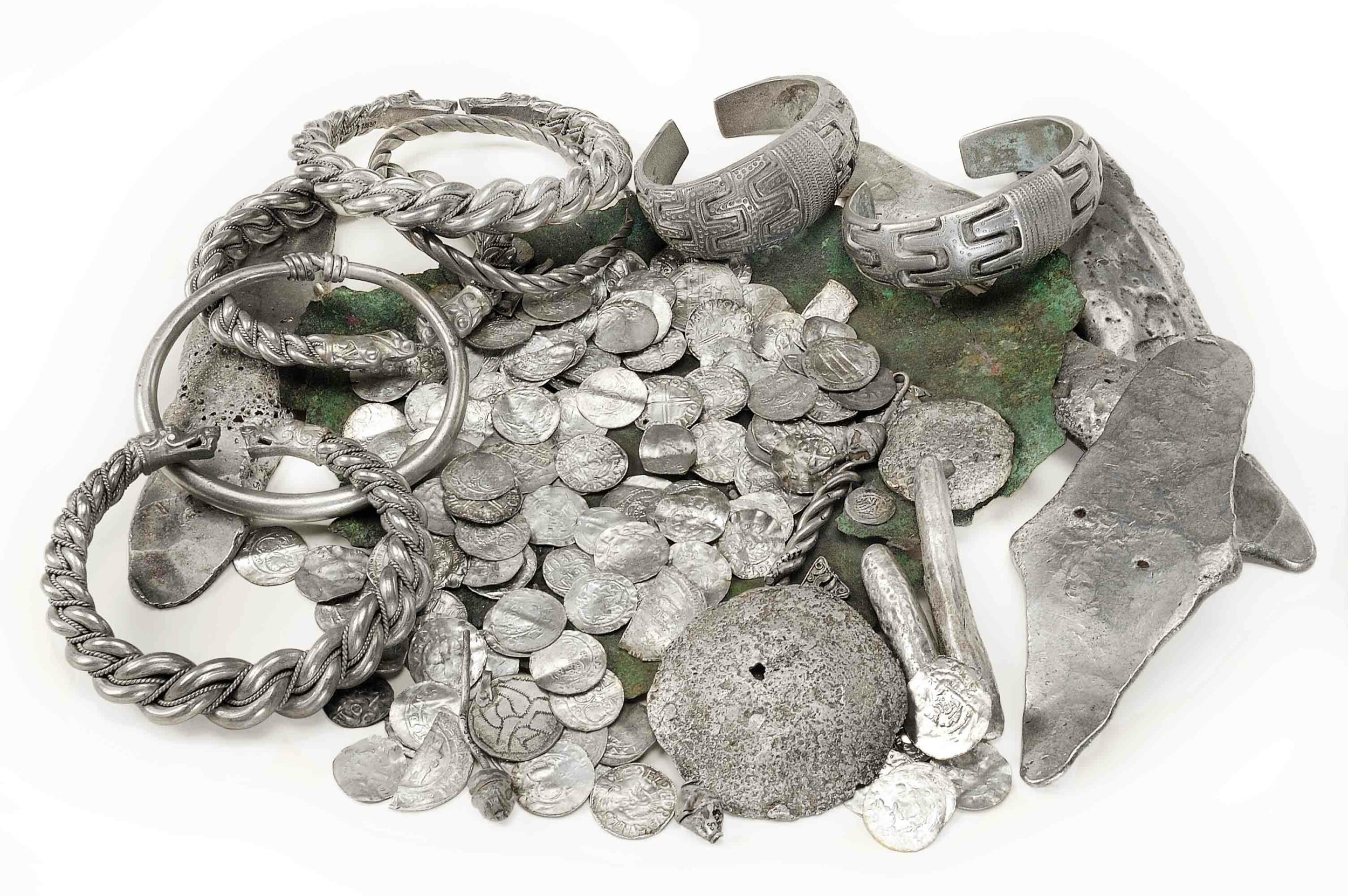
Among the noteworthy objects were sickles, axes, fragments of a saw, and jewelry pieces, all accompanied by numerous chunks of raw copper.

Experts believe that these artifacts were deliberately buried as an offering, as they were intentionally damaged and bent out of shape before being carefully wrapped in leather and placed inside a wooden box.

Their estimated age falls around 1200 to 1000 B.C.E., a time when the selective destruction and disposal of valuable metal objects were a prevalent cultural practice, ArtNet News reported.