• MAIN PAGE
  • LATEST NEWS
    • Lost Cities
    • Archaeology's Greatest Finds
    • Underwater Discoveries
    • Greatest Inventions
    • Studies
    • Blog
  • PHILOSOPHY
  • HISTORY
  • RELIGIONS
    • Africa
    • Anatolia
    • Arabian Peninsula
    • Balkan Region
    • China - East Asia
    • Europe
    • Eurasian Steppe
    • Levant
    • Mesopotamia
    • Oceania - SE Asia
    • Pre-Columbian Civilizations of America
    • Iranian Plateau - Central Asia
    • Indus Valley - South Asia
    • Japan
    • The Archaeologist Editor Group
    • Scientific Studies
    • Aegean Prehistory
    • Historical Period
    • Byzantine Middle Ages
    • Predynastic Period
    • Dynastic Period
    • Greco-Roman Egypt
  • Rome
  • PALEONTOLOGY
  • About us
Menu

The Archaeologist

  • MAIN PAGE
  • LATEST NEWS
  • DISCOVERIES
    • Lost Cities
    • Archaeology's Greatest Finds
    • Underwater Discoveries
    • Greatest Inventions
    • Studies
    • Blog
  • PHILOSOPHY
  • HISTORY
  • RELIGIONS
  • World Civilizations
    • Africa
    • Anatolia
    • Arabian Peninsula
    • Balkan Region
    • China - East Asia
    • Europe
    • Eurasian Steppe
    • Levant
    • Mesopotamia
    • Oceania - SE Asia
    • Pre-Columbian Civilizations of America
    • Iranian Plateau - Central Asia
    • Indus Valley - South Asia
    • Japan
    • The Archaeologist Editor Group
    • Scientific Studies
  • GREECE
    • Aegean Prehistory
    • Historical Period
    • Byzantine Middle Ages
  • Egypt
    • Predynastic Period
    • Dynastic Period
    • Greco-Roman Egypt
  • Rome
  • PALEONTOLOGY
  • About us

The Role of Women in Ancient Egypt

November 29, 2025

Rights, Status, and the Legacy of Powerful Queens

Women in ancient Egypt enjoyed a level of freedom and legal rights unusual for the ancient world. They could own property, initiate divorce, run businesses, and hold religious positions.

Everyday Rights and Social Status

Egyptian women could:

  • Own and inherit land

  • Manage finances

  • Represent themselves in court

  • Engage in trade

Their roles varied widely—from farmers and artisans to priestesses and wealthy elites.

Famous Female Leaders

Egypt also produced influential rulers:

  • Hatshepsut – One of the most successful pharaohs, known for peace, trade, and monumental architecture.

  • Nefertiti – A queen associated with the religious revolution under Akhenaten.

  • Cleopatra VII – The last pharaoh, celebrated for her political skill, diplomacy, and command of multiple languages.

A Unique Place in History

While ancient societies often limited women, Egypt stands out for granting them rights and opportunities that would not reappear in many cultures for centuries.

The Lost Civilization of Cahokia

November 29, 2025

Exploring North America’s Ancient Urban Center

Cahokia was a massive and complex city located near modern-day St. Louis. At its height around 1050–1200 CE, it was one of the largest urban centers in North America.

A Monumental City

Cahokia featured enormous earthen mounds, central plazas, and organized neighborhoods. Monks Mound remains one of the largest prehistoric earthworks in the Western Hemisphere.

A Network of Influence

The city thrived on:

  • Farming

  • Craft production

  • Trade across vast distances

Its people built a sophisticated society with religious centers, political structures, and vibrant cultural practices.

Why Cahokia Declined

Possible reasons include environmental stress, resource depletion, climate shifts, or social changes. No single answer explains its disappearance.

A Civilization Rediscovered

Cahokia challenges the idea that complex cities only rose in Europe or Mesoamerica, proving that North America had advanced societies long before European contact.

The Role of Gladiators in Roman Society

November 29, 2025

Life, Combat, and the Purpose of Arena Games

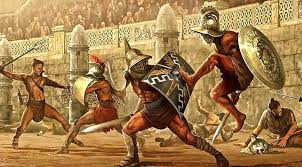
Gladiators were trained fighters who performed in arenas like the Colosseum. Their lives were harsh, but they held a unique place in Roman culture.

Who Became Gladiators?

Most were enslaved individuals or prisoners of war, though some volunteered seeking fame or payment.

Training and Combat

They trained in specialized schools, learning various fighting styles and weapon techniques. Matches ranged from ritualized combat to dramatic displays meant to entertain crowds.

Social and Political Purpose

The games served as:

  • Public entertainment

  • Displays of power by political leaders

  • Ritual events tied to Roman beliefs about honor, death, and spectacle

A Complex Legacy

While often remembered for violence, gladiators also symbolize courage, discipline, and the dramatic culture of ancient Rome.

The History of Ancient Coins and Currency

November 29, 2025

How Early Civilizations Invented Money and Trade Systems

The development of currency transformed economic life, allowing communities to move beyond bartering and create more complex trade systems.

Early Forms of Money

Before coins, people used items like shells, beads, and metal pieces as a medium of exchange.

The First Coins

Lydia, in modern Turkey, created some of the earliest known coins around the 7th century BCE. These coins were made of electrum and stamped with royal symbols.

Spread Across the Ancient World

Coinage quickly spread to Greece, Persia, India, and China. It made trade easier, supported taxation, and strengthened political authority.

Economic Innovation

Currency allowed civilizations to:

  • Build markets

  • Expand trade routes

  • Standardize value

  • Support growing economies

A Foundation for Modern Finance

These early innovations paved the way for today’s global monetary systems.

The Golden Age of Athens

November 29, 2025

Politics, Art, and Intellectual Flourishing in the 5th Century BCE

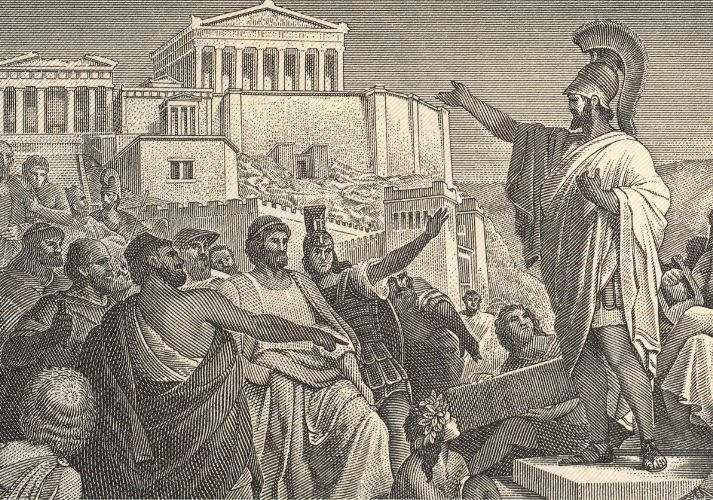
The 5th century BCE marks a period of remarkable growth in Athens, often called the Golden Age. Under leaders like Pericles, the city became a center of democracy, culture, and innovation.

Political Achievements

This era saw:

  • The rise of democratic governance

  • Public participation in decision-making

  • Expansion of civic rights for citizens

Artistic and Architectural Wonders

Athens constructed iconic monuments such as the Parthenon and supported artists, sculptors, and playwrights who shaped Western art.

A Hub of Philosophy and Learning

Thinkers like Socrates, Anaxagoras, and later Plato contributed ideas that influenced ethics, politics, and science.

A Legacy That Endures

The Golden Age established foundations for literature, architecture, and political thought that continue to inspire societies today.

The Role of Astrology in Ancient India

November 29, 2025

How Celestial Beliefs Influenced Culture and Religion

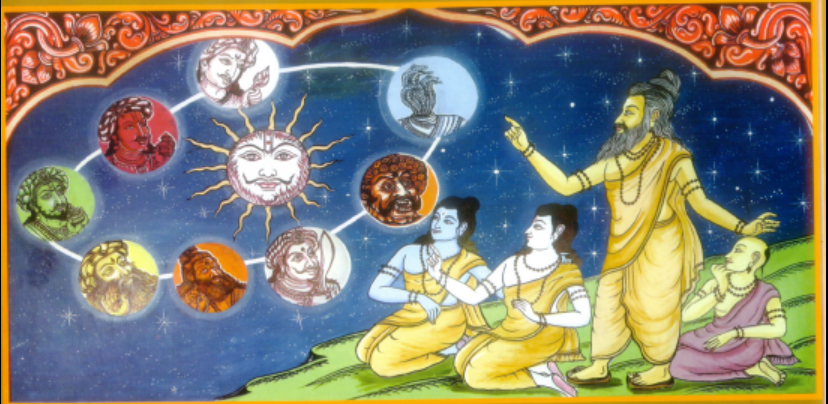
Astrology has deep roots in Indian civilization, shaping personal decisions, religious rituals, and societal customs for thousands of years.

Origins in the Vedic Tradition

Ancient texts like the Vedas and Vedanga Jyotisha laid the foundations for Indian astrology, known as Jyotish. Scholars studied planetary movements to determine auspicious times for ceremonies.

Influence on Daily Life

Astrology guided:

  • Marriage arrangements

  • Festivals and rituals

  • Agricultural planning

  • Royal decisions

A Spiritual and Scientific Blend

In Indian culture, astronomy and astrology developed together, linking cosmic order with human destiny.

A Continuing Tradition

Despite centuries of change, astrology remains an important part of India’s cultural identity and spiritual landscape.

The Mystery of the Vinland Map

November 29, 2025

Is It Real Evidence of Viking Exploration in North America?

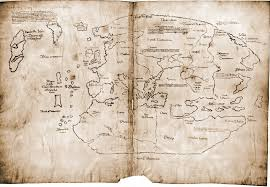
The Vinland Map gained worldwide attention when it appeared to show parts of North America long before Columbus. It suggested Viking explorers had charted the region centuries earlier.

Arguments for Authenticity

Supporters claimed the map’s medieval style and references matched Norse accounts of Vinland, a region described in the Icelandic sagas.

Arguments Against It

Modern testing revealed questionable ink and materials inconsistent with known medieval manuscripts. Many scholars now consider it a likely forgery.

What We Know for Sure

Regardless of the map’s authenticity, archaeological evidence from L’Anse aux Meadows in Canada confirms that Vikings reached North America around the 11th century.

A Debate That Continues

The Vinland Map remains controversial, reflecting how mysteries and potential discoveries capture the imagination of historians and the public alike.

The Giant Statues of Easter Island: Moai and Their Meaning

November 29, 2025

The Story Behind the Mysterious Stone Figures

Easter Island, or Rapa Nui, is home to the famous Moai towering stone statues carved by the island’s early inhabitants. Their origins and purpose continue to inspire wonder.

How the Moai Were Made

Carved from volcanic tuff, each Moai features a distinct face and towering presence. Many were transported across the island using sophisticated methods that remain debated today.

Their Purpose and Symbolism

The Moai are believed to represent revered ancestors or chiefs. Placed on stone platforms called ahu, they watched over villages, offering spiritual protection.

Cultural Significance

The statues reflect:

  • Social hierarchy

  • Artistic talent

  • Religious beliefs

  • Community unity

A Legacy in Stone

Despite environmental challenges and societal changes, the Moai remain powerful symbols of the creativity and resilience of the Rapa Nui people.

The Ancient Road Networks of the Inca Empire

November 29, 2025

How the Incas Built One of the World’s Great Trail Systems

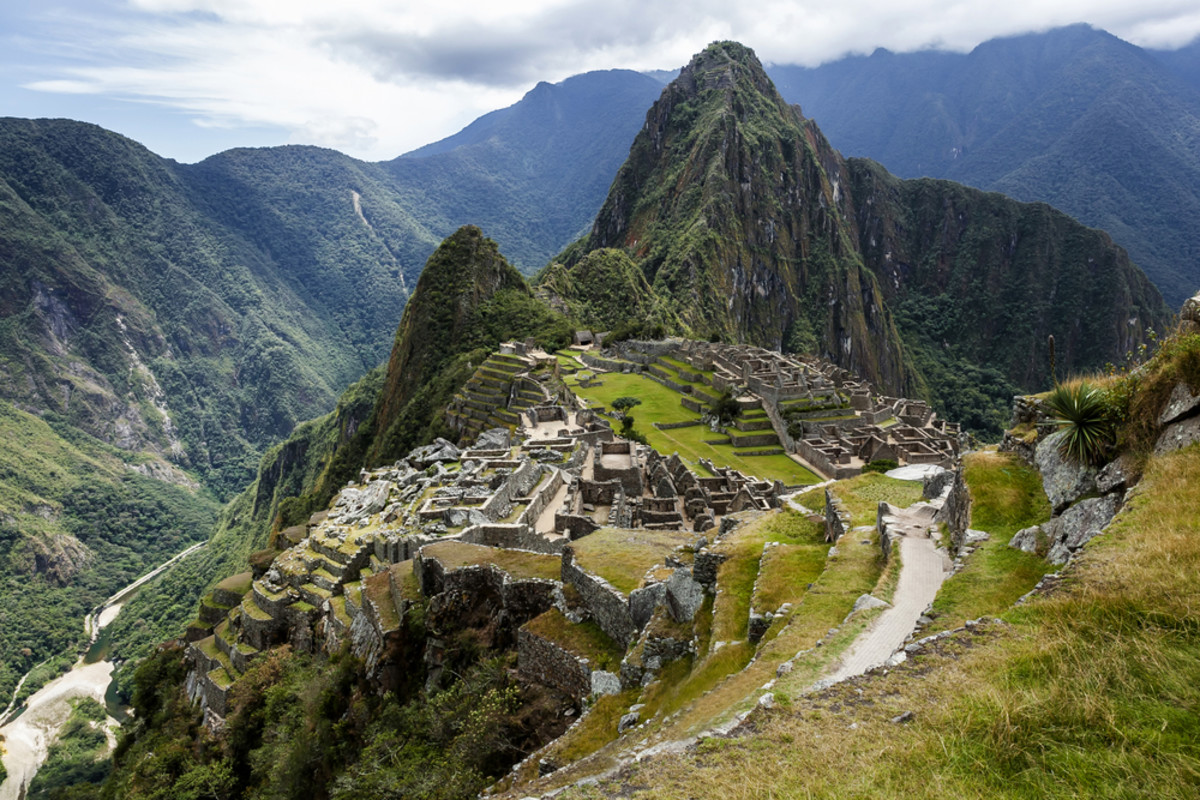
The Inca Empire developed an extraordinary network of roads across the Andes, connecting cities, trade centers, and agricultural regions over vast and challenging terrain.

Engineering in Extreme Landscapes

Inca engineers built stone-paved roads, rope suspension bridges, stairways, and tunnels. These pathways crossed deserts, mountains, and forests, showing remarkable adaptability.

Communication and Control

The road system supported:

  • Rapid communication via runners called chaskis

  • Military movement

  • Transport of goods

  • Administrative control

The Qhapaq Ñan

The most famous route, the Qhapaq Ñan, stretched thousands of kilometers from Ecuador to Chile and remains a UNESCO World Heritage Site.

A Testament to Inca Innovation

These roads helped unify the empire and remain one of the most impressive engineering achievements of the ancient world.

The Myth of the Phoenix: A Bird of Fire and Rebirth

November 29, 2025

he Origins and Symbolism of the Legendary Firebird

The phoenix is a legendary creature known for rising from its own ashes. Although most commonly associated with Greek tradition, similar myths appear across many cultures.

Where the Phoenix Story Began

Ancient Greek writers described the phoenix as a brilliant bird that lived for centuries before burning itself and being reborn. However, Egyptian myths of the Bennu bird may have inspired the concept.

Symbolic Meanings Across Cultures

The phoenix often represents:

  • Rebirth and renewal

  • Immortality

  • Transformation

  • Cycles of destruction and creation

In Asian traditions, the fenghuang symbolizes balance, harmony, and virtue rather than fire.

A Universal Symbol

The phoenix remains an enduring emblem of hope, resilience, and new beginnings in literature, religion, and modern storytelling.

The History of Chinese Oracle Bones

November 29, 2025

How Ancient Rulers Used Bones to Seek Guidance

Oracle bones represent one of the earliest forms of Chinese writing and offer a rare look into the decision-making of Shang Dynasty rulers. These bones typically ox scapulae or turtle shells served as tools for divination.

How Divination Worked

Priests carved questions on the bones, often about warfare, harvests, weather, or royal affairs. They then applied heat until the bones cracked.

Reading the Cracks

The shapes of the cracks were interpreted as messages from ancestors or deities. The results, along with the questions, were recorded on the bones, preserving valuable historical information.

Why Oracle Bones Matter

These artifacts reveal:

  • Early Chinese writing

  • Details of daily life and royal concerns

  • The spiritual beliefs of the Shang Dynasty

A Window Into Ancient Thought

Oracle bones bridge the worlds of archaeology and spirituality, showing how rulers sought divine approval before making important decisions.

The Forgotten Pyramid of Nubia

November 29, 2025

Exploring the Overlooked Pyramids of the Kingdom of Kush

While Egypt’s pyramids are world-famous, the region of Nubia modern Sudan holds more pyramids than Egypt itself.

A Distinct Architectural Tradition

Kushite pyramids are smaller, steeper, and uniquely decorated. Built as royal tombs, they reflect the powerful culture that ruled the region for centuries.

The Kingdom of Kush

Kush rose to prominence along the Nile, eventually ruling Egypt as the 25th Dynasty. Their burial grounds at Meroë and Nuri reveal a rich blend of African and Egyptian influences.

Rediscovery and Preservation

Many pyramids were damaged by ancient looters or early explorers, but modern archaeologists continue to uncover artifacts and inscriptions that deepen our understanding of Kushite history.

A Heritage Worth Celebrating

Nubia’s pyramids remind us that Africa’s ancient civilizations were diverse, innovative, and deeply interconnected.

The Role of Beer in Ancient Mesopotamian Society

November 29, 2025

Brewing, Rituals, and Everyday Life

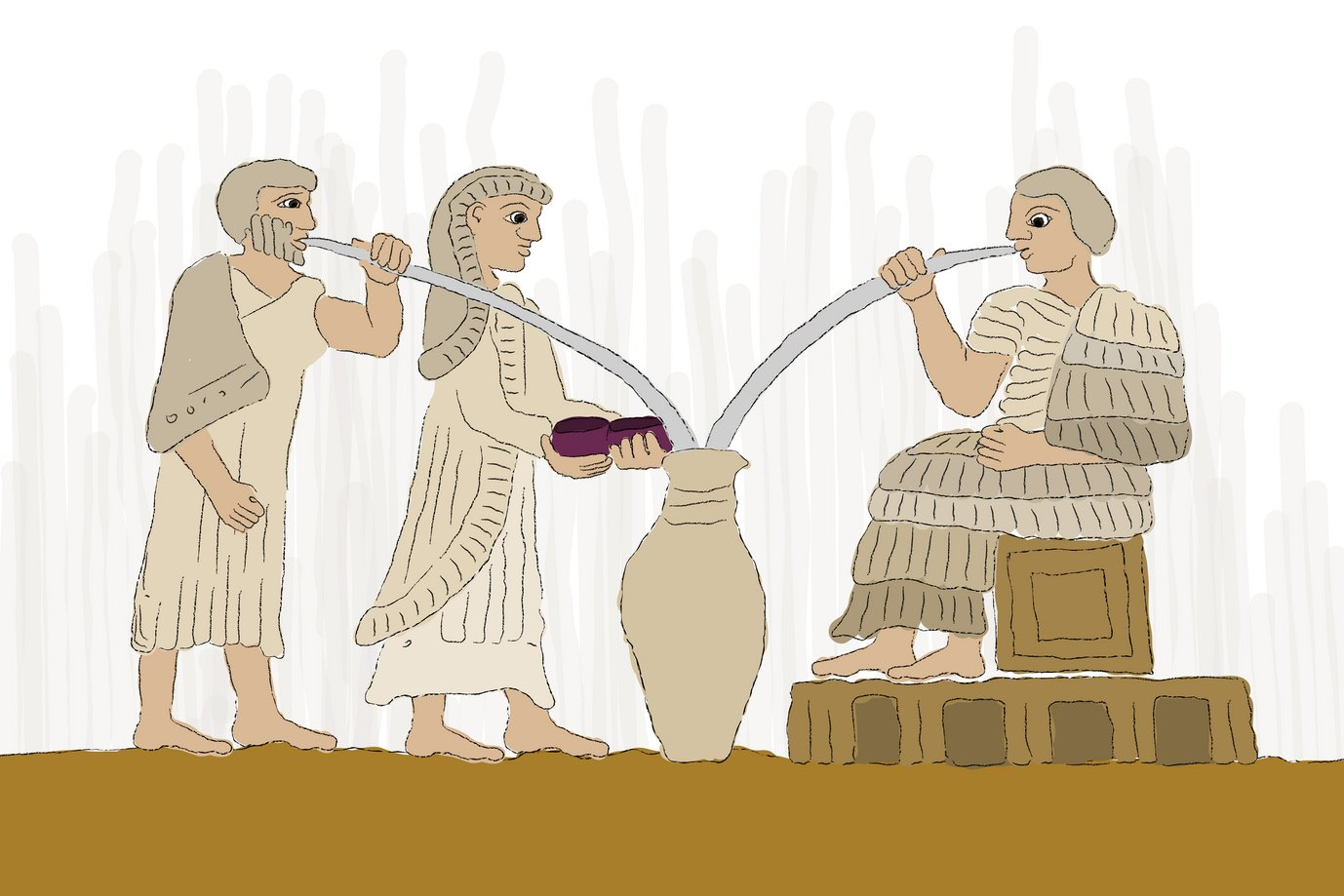
Beer was more than a drink in Mesopotamia it was a staple of daily living, a religious offering, and a source of nutrition.

How It Was Made

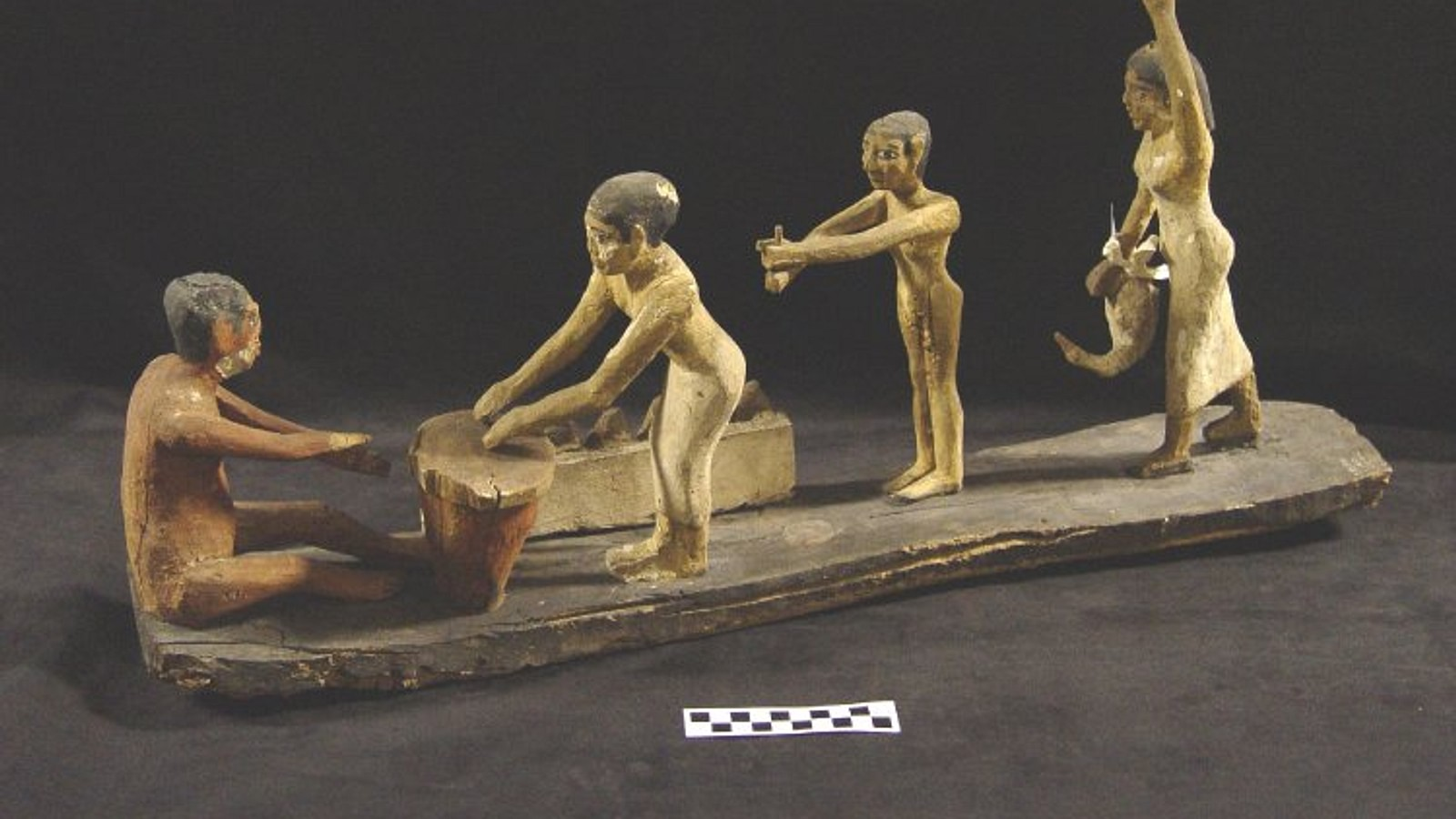
Brewers used fermented grains, malted barley, and specially baked bread to create a thick, nutritious beverage. Different varieties existed for different occasions.

A Drink for All Classes

Beer appeared in:

  • Worker rations

  • Royal banquets

  • Religious ceremonies

  • Medical prescriptions

It also played a role in social gatherings and economic exchanges.

Cultural Importance

Sumerian hymns even praise Ninkasi, the goddess of brewing, showing beer’s spiritual significance.

A Drink That Shaped Civilization

Beer connected communities, supported labor, and became a defining feature of early Mesopotamian life.

The Lost Kingdom of Yam

November 29, 2025

Unraveling the Mystery of an Ancient African Power

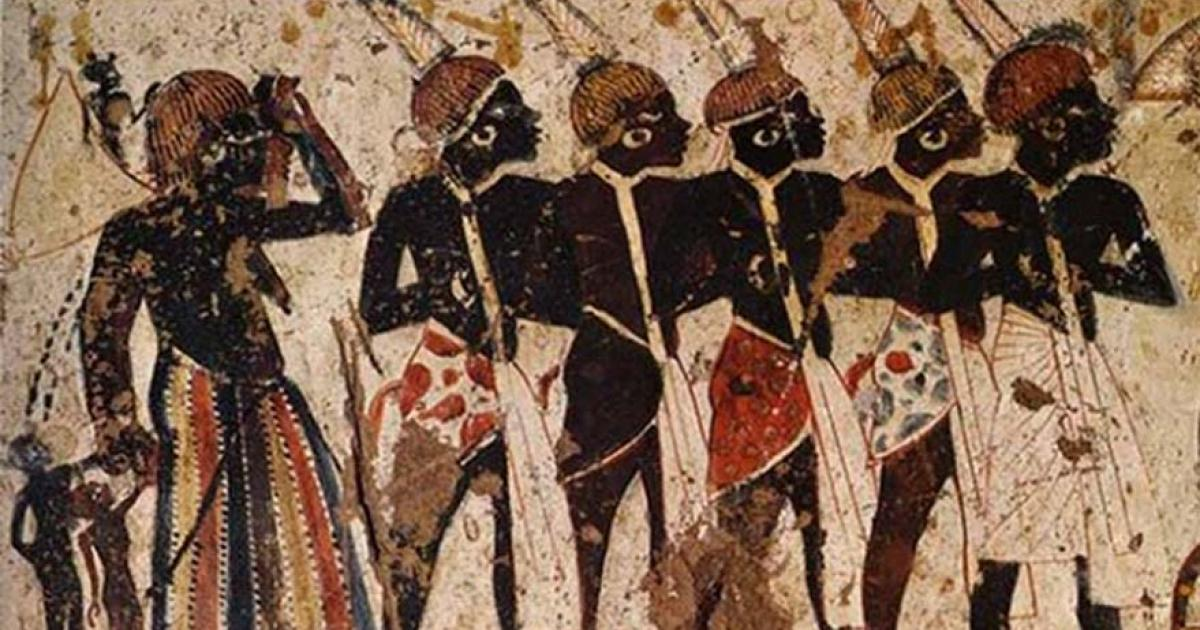
Yam appears in Egyptian records as a distant, wealthy land south of the Nile. Although its exact location remains uncertain, the kingdom played a major role in early African trade.

Clues From Ancient Texts

Old Kingdom inscriptions describe expeditions sent to Yam for goods like ivory, incense, and exotic animals.

Possible Locations

Scholars propose several sites:

  • Regions near modern-day Sudan

  • Areas west of Nubia

  • Trade hubs deep in central Africa

Its disappearance may be linked to shifting trade routes or environmental changes.

A Civilization Lost to Time

Though Yam remains unidentified, its influence highlights Africa’s long history of trade, diplomacy, and cultural exchange.

The Role of Salt in Ancient Economies

November 29, 2025

How a Common Mineral Became a Global Commodity

Salt played a crucial role in ancient societies, not only as a seasoning but as a tool for survival, preservation, and trade.

A Lifeline for Food Preservation

Before refrigeration, salt allowed people to preserve meat, fish, and vegetables, enabling long-distance travel and trade.

Trade Routes and Wealth

Civilizations built entire economies around salt:

  • The Roman “Via Salaria”

  • African trans-Saharan salt caravans

  • Chinese imperial salt taxes

Salt could be so valuable that it was sometimes used as currency.

Cultural and Ritual Uses

Beyond economics, salt held symbolic meaning for purification, protection, and diplomacy.

An Everyday Item With Extraordinary Power

Salt shaped trade networks, wealth systems, and cultural traditions across the ancient world.

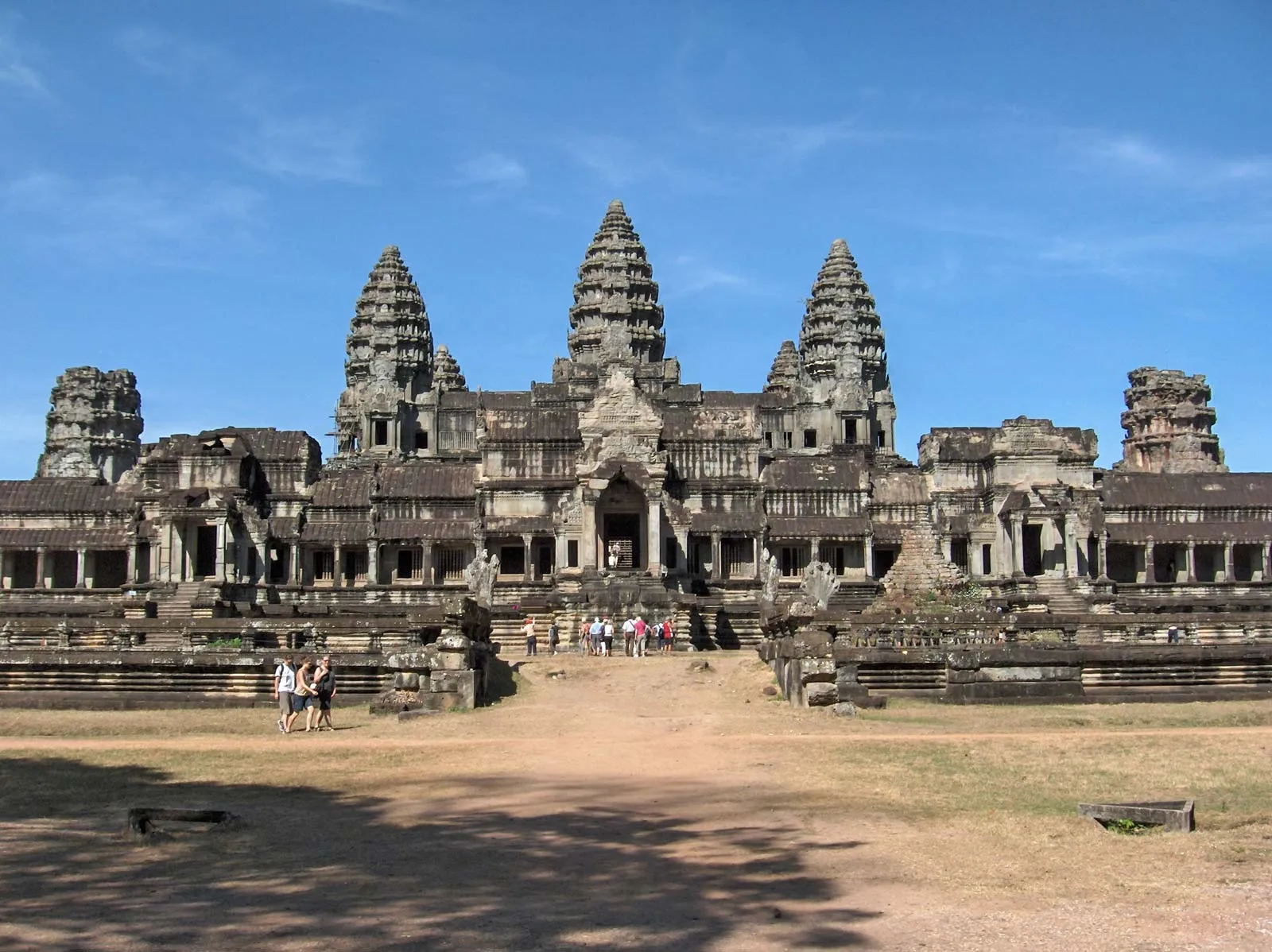
The Sacred Temples of Angkor Wat

November 29, 2025

Exploring Its History, Architecture, and Spiritual Meaning

Angkor Wat stands as one of the greatest achievements of the Khmer Empire and a symbol of Cambodia’s identity.

Historical Origins

Built in the 12th century under King Suryavarman II, Angkor Wat was originally dedicated to Vishnu. It later became an important Buddhist center.

Architectural Marvel

The temple complex showcases:

  • Intricate bas-reliefs

  • Towering sandstone structures

  • Precise astronomical alignments

  • A vast moat symbolizing the cosmic ocean

Its layout represents the Hindu universe, with Mount Meru reflected in its central towers.

Spiritual Legacy

Beyond its architectural beauty, Angkor Wat serves as a living symbol of faith, resilience, and cultural heritage, drawing millions of visitors and worshippers each year.

The Legend of the Sword in the Stone

November 29, 2025

Tracing the Origins of Arthurian Myth and Real Medieval Weapons

The tale of a sword embedded in stone, awaiting the true king, is one of the most enduring elements of Arthurian legend.

Where the Story Began

The earliest sources describe Arthur as a heroic British leader, but the sword-in-the-stone motif appeared later in medieval romances. It symbolized divine approval and legitimate rule.

Excalibur and Its Symbolism

Some versions separate the sword in the stone from Excalibur, which Arthur receives from the Lady of the Lake. Both swords express themes of destiny, kingship, and moral authority.

Historical Inspirations

Real medieval swords were embedded in stone or church walls as offerings or symbols of oaths. These ritual practices may have inspired the legend.

A Story That Endures

The sword in the stone remains a powerful symbol of leadership, chosen destiny, and the heroic ideals of medieval literature.

The Myth of the Minotaur and the Labyrinth

November 29, 2025

The Story of Theseus and the Monster Beneath Knossos

The legend of the Minotaur half-man, half-bull remains one of Greek mythology’s most iconic tales. The creature was said to dwell within a vast maze built by the master craftsman Daedalus.

Theseus’ Journey

Theseus volunteered to enter the labyrinth to end the cycle of human sacrifices demanded by King Minos. With the help of Ariadne’s guiding thread, he navigated the maze, defeated the Minotaur, and escaped to freedom.

Possible Historical Roots

Some scholars connect the myth to:

  • Minoan bull-leaping rituals

  • Complex palace structures in Knossos

  • Memory of natural disasters like earthquakes or volcanic eruptions

The labyrinth may represent the sprawling palace itself—full of corridors, storage rooms, and winding passages.

Myth Meets Memory

Although the Minotaur was never real, the story reflects ancient fears, cultural rituals, and the powerful imagination of early Greek storytellers.

The Ancient Practice of Mummification Beyond Egypt

November 29, 2025

Preserving the Dead in Peru, China, and Other Cultures

While Egypt is famous for mummification, the practice existed in many parts of the world long before and long after Egyptian dynasties flourished.

Peru: The Chinchorro Tradition

In Peru, the Chinchorro people developed some of the world’s oldest mummies—created thousands of years before Egypt’s. They used techniques like skin removal, body reconstruction, and painting to honor the dead.

China: Natural and Artificial Preservation

In China, elite burials such as the Lady Dai mummy from the Han Dynasty show advanced preservation methods. Some regions also produced naturally preserved mummies in cold or desert environments.

Other Global Traditions

Cultures in the Canary Islands, Siberia, and even parts of Europe practiced some form of mummification, often influenced by climate, religion, or social customs.

A Universal Desire

Despite differences in technique, mummification reflects a shared human belief in remembrance, respect, and the hope for an afterlife.

The Role of Chariots in Ancient Warfare

November 29, 2025

How Chariots Shaped Military Strategy in Mesopotamia, Egypt, and China

Chariots were among the earliest vehicles designed for speed and mobility, dramatically transforming the way ancient battles were fought. Although each civilization adapted the chariot to its own terrain and military needs, their impact was universal.

Mesopotamia: Heavy and Powerful

Early Mesopotamian chariots were large, four-wheeled vehicles drawn by equids. They served as mobile platforms for archers and spear-throwers. Although heavy, they brought shock value to the battlefield and enhanced elite combat.

Egypt: Light and Fast

Egyptians perfected a lighter, two-wheeled chariot ideal for the desert environment. Pulled by horses, these chariots became essential for archery, allowing soldiers to strike rapidly while maintaining distance. They played a major role in battles like Kadesh.

China: Strategic and Organized

In ancient China, chariots formed the backbone of early armies. Used for command, archery, and transportation of elite warriors, they supported infantry formations and shaped political power during the Shang and Zhou dynasties.

A Revolutionary Military Tool

Though eventually replaced by cavalry, chariots paved the way for organized warfare, mobility, and long-distance combat, leaving a lasting mark on ancient military history.

← Newer Posts Older Posts →
Featured
image_2025-12-12_235749650.png
Dec 12, 2025
Youngest Mammoth Fossils Ever Found Turn Out To Be Whales… 400 Kilometers From The Coast
Dec 12, 2025
Read More →
Dec 12, 2025
image_2025-12-12_234853239.png
Dec 12, 2025
Roman military officers kept monkeys as companions and even gave them their own pets
Dec 12, 2025
Read More →
Dec 12, 2025
image_2025-12-12_234003321.png
Dec 12, 2025
Huge undersea wall dating from 5000 BC found in France
Dec 12, 2025
Read More →
Dec 12, 2025
image_2025-12-12_232719281.png
Dec 12, 2025
Dragon‑adorned armor, national treasure may have connection
Dec 12, 2025
Read More →
Dec 12, 2025
image_2025-12-12_230554199.png
Dec 12, 2025
The 8 best places to visit in Puglia
Dec 12, 2025
Read More →
Dec 12, 2025
image_2025-12-12_225507124.png
Dec 12, 2025
Red Fort hosts UNESCO meeting amid maximum vigil by police, paramilitary forces after November car blast
Dec 12, 2025
Read More →
Dec 12, 2025
read more

Powered by The archaeologist