The history of dentistry is far older than many realize, moving back long before the invention of anesthesia or modern metals. Archaeological finds from across the globe prove that as early as the Neolithic period, humans were performing complex dental surgery with a level of precision that suggests a deep understanding of anatomy and tool use.
1. The Mehrgarh Discovery: The World’s Oldest Drills
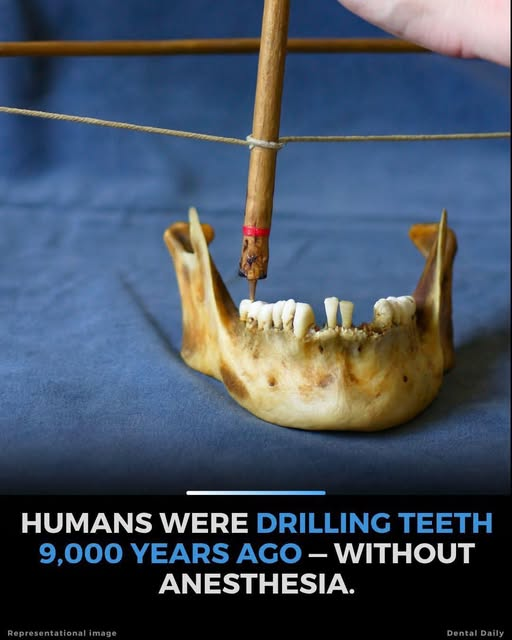
The most stunning evidence of early dentistry comes from Mehrgarh in modern-day Pakistan. In 2006, archaeologists discovered a Neolithic graveyard dating back 9,000 to 7,500 years ago containing teeth that had been intentionally drilled.
The Technology: Flint "micro-drills" were used to bore holes into the molars of living patients. These drills were likely powered by a bow-drill—the same technology used to start fires or drill beads for jewelry.
Precision: The holes are remarkably uniform, some only 1 to 3 millimeters in diameter. Most were located on the biting surfaces of the teeth, suggesting they were drilled to remove decayed material.
Healing: Analysis shows that the teeth continued to wear down after the drilling occurred, proving that the patients survived the procedure and continued to use their teeth for years.
2. The First Fillings: Beeswax and Bitumen
Once a tooth was drilled or a cavity formed naturally, ancient people had to find a way to seal it to prevent infection and alleviate pain.
The Slovenian Beeswax: A 6,500-year-old human jawbone found in Slovenia contains a canine tooth with a vertical crack. The crack was filled with beeswax. This is the oldest known example of a therapeutic dental filling, likely applied to reduce sensitivity and keep food out of the crack.
The Italian "Composite": In a 13,000-year-old site in Tuscany, researchers found a tooth filled with a mixture of bitumen (a natural tar), plant fibers, and hair. This served as an antiseptic and physical plug, functioning much like a modern resin filling.
3. Ancient Egyptian Dental Surgery
While the Egyptians are famous for their medicine, their dentistry was equally advanced. They are credited with the first known "named" dentist in history: Hesy-Ra, who served Pharaoh Djoser around 2600 BCE.
Bridges and Wire: Archaeologists have found Egyptian teeth bound together with fine gold or silver wire. These "bridges" were used to stabilize loose teeth or re-attach teeth that had fallen out.
The "Toothworm": Like many ancient cultures, Egyptians believed toothaches were caused by a "toothworm" eating the inside of the tooth. Treatments included a mixture of cumin, incense, and honey applied directly to the site.
4. The Etruscan Gold Standard
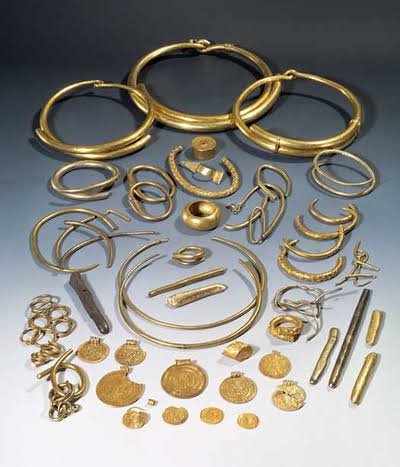
The Etruscans (in modern-day Italy) were the master goldsmiths of the ancient world between 700 and 200 BCE, and they applied these skills to the mouth.
Dental Bands: They created sophisticated gold bands that wrapped around healthy teeth to support a false tooth—often carved from the ivory of a hippopotamus or another human's tooth.
Status Symbols: These gold prosthetics were often found in the graves of wealthy women, suggesting that early dentistry was as much about cosmetic status as it was about functional health.
5. The Mayan Bling: Gemstone Inlays
In Mesoamerica, the Maya took dental modification to a decorative extreme. Around 2,500 years ago, they were drilling holes into perfectly healthy front teeth to insert precious stones.
Inlays: Scribes and nobles would have their teeth inlaid with jade, hematite, or turquoise.
Adhesives: To keep the stones in place, they developed a powerful natural cement made of plant resins and crushed bone. These adhesives were so effective that many of the stones are still firmly attached to the teeth found in burials today.
The Surgeon’s Skill: To drill into the tooth without shattering it or hitting the sensitive pulp (which would cause a massive infection) required an incredible knowledge of tooth structure.
6. The Pain Barrier: Ancient Anesthetics
The biggest question in ancient dentistry is always: "How did they stand the pain?" Without modern Novocaine, ancient dentists relied on the pharmacy of the earth.
Herbal Remedies: Opium poppies, coca leaves, and henbane were frequently used to dull the senses.
Clove Oil: Used for thousands of years, clove oil contains eugenol, a natural anesthetic and antiseptic that is still a component in some modern dental materials today.
Ancient dentistry reminds us that the human desire to fix what is broken—and to look good doing it—is nearly as old as civilization itself.