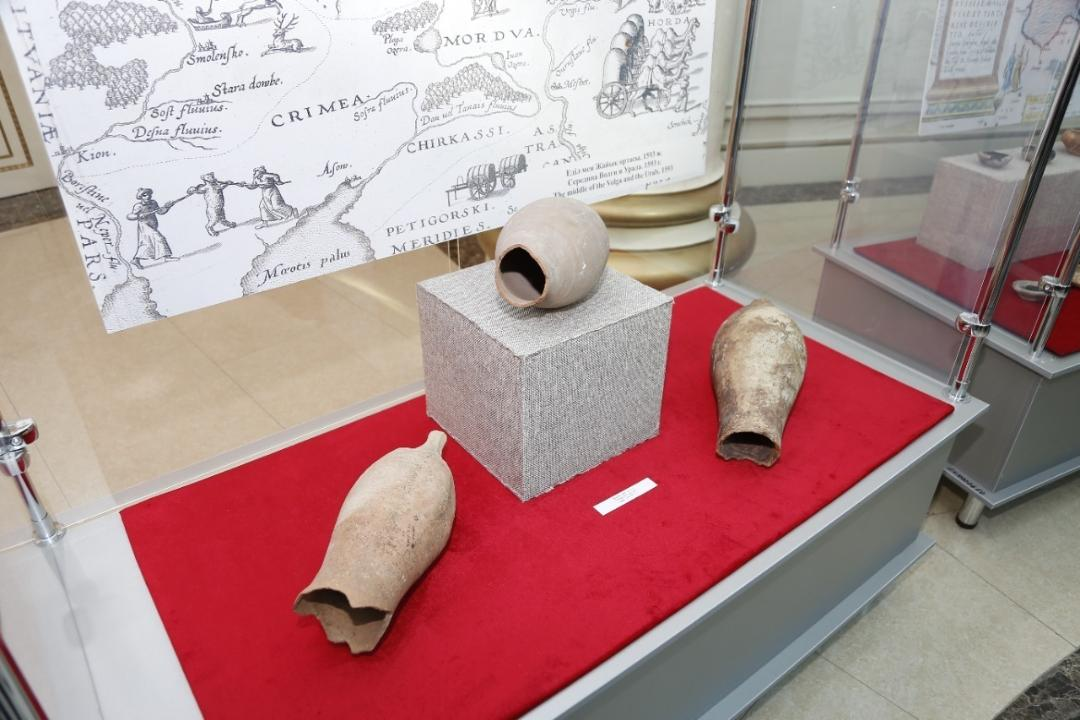
ASTANA – Archaeologists at the Saraishyk state historical and cultural museum-reserve have uncovered around 250 artifacts at the medieval Saraishyk complex in the Atyrau Region.
Major Archaeological Discoveries Across Five Sites
Archaeologists have uncovered significant findings across five excavation areas, revealing a rich snapshot of life during the Golden Horde period. The discoveries include the remains of residential buildings, a fortified citadel, and a caravanserai—an important roadside inn used by traders—dating back to the early 14th century.
Artifacts Reflect Daily Life and Craftsmanship
A wide range of artifacts has been recovered, offering insight into both everyday living and artistic expression of the time. These items include:
Household tools and objects
Decorative pieces
Materials crafted from metal, glass, bone, and ceramics
One of the most remarkable discoveries is a rare bronze lock from the 14th to 15th centuries. This unique object highlights the level of craftsmanship and technological development during that era.
Ongoing Restoration and Site Development
Restoration efforts are currently taking place alongside the archaeological work to preserve the site and its findings. At the same time, improvements have been made to make the area more accessible and engaging for visitors.
New features include:
Pedestrian walkways for easier navigation
QR codes installed throughout the site, allowing visitors to access digital information about excavation areas
These updates aim to enhance both education and visitor experience.
Growing Public Interest in Cultural Heritage
The site has attracted increasing attention in recent years, reflecting a rising interest in Kazakhstan’s historical legacy. Visitor numbers have grown steadily, increasing from 18,000 two years ago to 28,000 last year.
Future Plans and Cultural Significance
There are also plans to further enrich the site by installing a monument dedicated to Kasym Khan, an important historical figure in Kazakhstan.
Preserving the Past for the Future
These discoveries not only deepen our understanding of the Golden Horde period but also highlight the importance of preserving cultural heritage. With ongoing research and development, the site is set to become an even more valuable destination for both education and tourism.