The rock-art landscapes around Hargeisa preserve some of the most important evidence for prehistoric human activity in Somaliland.
Before the development of states, cities, and written records, communities across the Horn of Africa created images on rock surfaces.
These paintings and engravings provide clues about:
animals;
people;
hunting;
pastoralism;
ritual;
and changing environments.
Rock Art Around Hargeisa
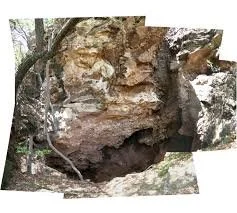
The Hargeisa region contains numerous rock shelters and exposed rock surfaces.
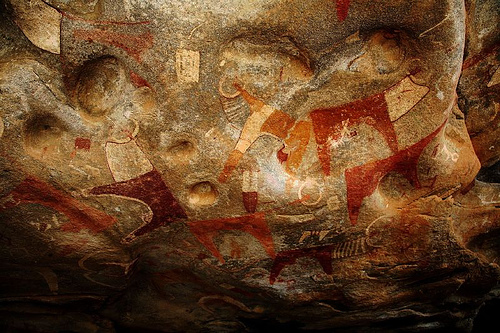
Some contain paintings of:
cattle;
wild animals;
human figures;
and symbolic forms.
The imagery belongs to different prehistoric periods.
Not every image was necessarily created by the same population.
Hunter-Gatherers and Pastoralists
The title identifies the art with hunter-gatherers, but chronology is important.
Some rock-art traditions in the Horn of Africa predate widespread pastoralism, while others are associated with later herding communities.
Researchers therefore examine the animals depicted and the archaeological context to determine the likely period.
Hunting Scenes
Wild animals represented in rock art can provide evidence about the environment.
Depictions may include:
antelope;
giraffes;
large mammals;
and other species.
If these animals no longer inhabit the region, their presence in ancient art may reflect past ecological conditions.
The Arrival of Livestock
Later rock-art traditions include domesticated animals.
Cattle became particularly prominent.
This suggests an economic transformation from primarily hunting and gathering toward pastoralism.
Human Figures
Human figures may represent:
hunters;
herders;
dancers;
ritual specialists;
or symbolic characters.
Some figures appear to carry objects.
However, identifying these objects can be difficult.
Ritual Interpretations
Rock art may have been associated with ritual activities.
Possible interpretations include:
hunting ceremonies;
fertility rituals;
initiation;
ancestral traditions;
or territorial identity.
No single explanation applies to every image.
Why Rock Shelters Were Chosen
Rock shelters provide natural protection.
They also create prominent landmarks within the landscape.
A painted shelter could become:
a meeting place;
a ritual location;
a navigation landmark;
or a place associated with ancestral memory.
Pigments
Prehistoric artists used naturally occurring pigments.
Red and yellow ochres were particularly common.
Other colors could be produced using:
charcoal;
mineral compounds;
or light-colored clays.
The pigments were applied using fingers, brushes, or other tools.
Environmental Change
The Hargeisa rock art provides evidence for landscapes that changed dramatically over time.
The Horn of Africa experienced fluctuations in:
rainfall;
vegetation;
wildlife;
and water availability.
Human communities adapted to these changes.
Why Hargeisa Rock Art Matters
The paintings provide a rare visual record of prehistoric life.
They reveal:
artistic ability;
human-animal relationships;
economic change;
environmental history;
and symbolic behavior.
Conclusion
Hargeisa's rock art preserves the memories of communities that lived in Somaliland thousands of years before written history.
Some images may reflect hunting traditions, while later artwork records the emergence of pastoral societies.
Together, they demonstrate how human relationships with animals and landscapes changed over time.