Fossum is associated with the Scandinavian tradition of Bronze Age rock art in which ships occupy a central symbolic position. Maritime imagery provides valuable evidence for understanding the technological and cultural importance of seafaring in prehistoric Scandinavia.
Although the ships carved into rock are not literal surviving vessels, they preserve representations of watercraft created by people who lived in a society deeply connected to the sea.
Maritime Scandinavia
Norway's geography naturally encouraged maritime transportation.
Mountains, fjords, islands, and long coastlines made sea travel an efficient way of moving between communities. Boats could transport people, livestock, raw materials, and prestige objects.
During the Bronze Age, maritime networks connected Scandinavia to broader European exchange systems.
What Did Bronze Age Ships Look Like?
Rock-art ships are stylized rather than technical blueprints.
They typically feature curved hulls and raised ends. Some images show vertical lines interpreted as crew members, while others contain additional symbols.
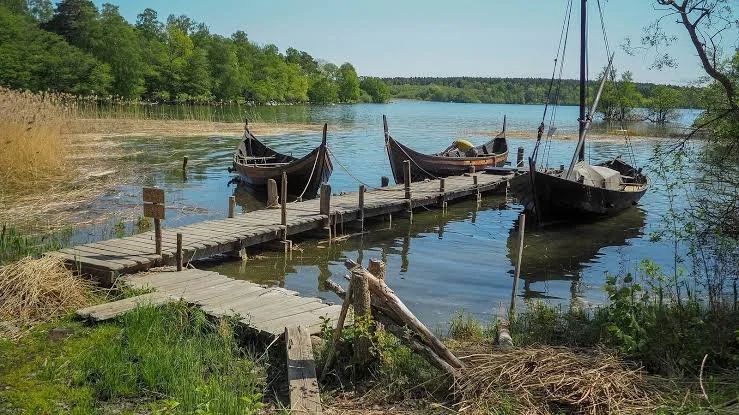
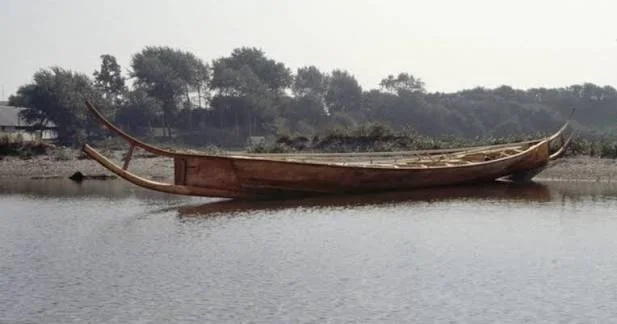
Archaeologists compare these representations with archaeological discoveries of Bronze Age boats, such as plank-built vessels and boat remains preserved in exceptional conditions.
The comparisons suggest that the artists were representing real maritime technology, although artistic conventions influenced the final designs.
Ships as Symbols
The extraordinary frequency of ship imagery suggests that boats represented more than transportation.
Ships may have symbolized journeys between worlds, seasonal movement, elite authority, warfare, trade, or religious ceremonies.
Later Scandinavian mythology provides examples of gods and supernatural beings traveling by ship, although those texts were recorded much later and should not automatically be projected backward into the Bronze Age.
Bronze, Trade, and Prestige
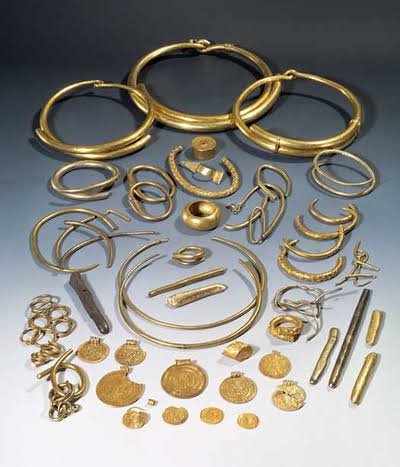
The Bronze Age was characterized by long-distance movement of metal and other valuable materials.
Copper and tin had to be transported over significant distances to produce bronze. Objects made from bronze could become prestige items associated with social status.
Maritime networks would have facilitated this exchange.
The ships represented in rock art may therefore indirectly reflect the economic and political importance of long-distance connections.
The Social Meaning of Ship Construction
Building a seaworthy boat was itself a complex technological undertaking.
Wood had to be selected, shaped, joined, and waterproofed. The builders needed knowledge of hull design, balance, propulsion, and navigation.
Even without modern tools, prehistoric boatbuilders possessed sophisticated practical knowledge.
Fossum's Contribution
The importance of Fossum's ship imagery lies in the combination of technology and symbolism.
The carvings reveal that seafaring was deeply embedded in Bronze Age Scandinavian culture. Boats were not merely machines for transportation. They became powerful visual symbols representing movement, connection, status, and possibly spiritual journeys.