Introduction
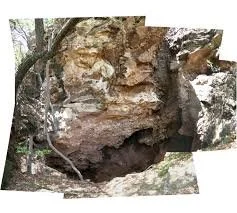
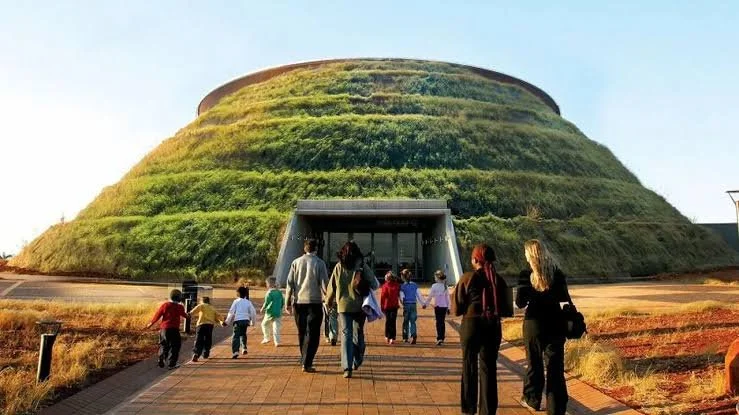
Gladysvale Cave, situated within South Africa’s Cradle of Humankind region, is an important archaeological and palaeontological locality for understanding the evolution of early hominins and the environments they inhabited. The cave forms part of a wider limestone landscape in which underground cavities, ancient sediments, fossil-bearing breccias, and geological processes have preserved evidence of life extending far back into the Pleistocene.
The phrase “2M-Year Hominin Cave” reflects the importance of deposits of approximately two million years old in the broader region. However, not every fossil or archaeological layer at Gladysvale is exactly two million years old. Establishing the age of a particular discovery requires careful analysis of its geological position, associated fossils, and the dating methods applicable to the deposit.
Gladysvale is valuable because it contributes to a much larger scientific record of early human evolution in southern Africa. Its evidence must be interpreted alongside discoveries from nearby localities, including Sterkfontein, Swartkrans, Kromdraai, and Drimolen.
Geological Formation and the Preservation of Fossils
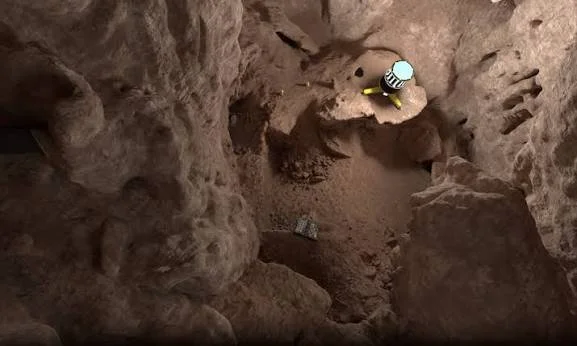
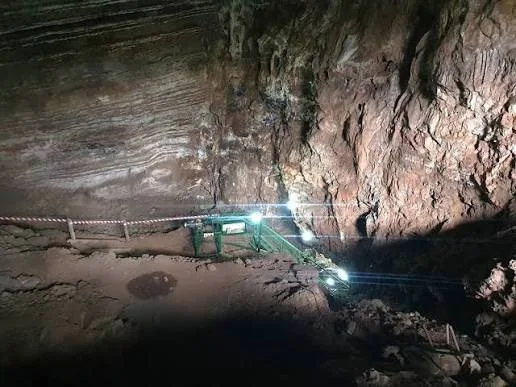
The caves of the Cradle of Humankind developed primarily within dolomitic bedrock. Over long periods, groundwater circulated through fractures in the rock, gradually dissolving soluble minerals and creating underground passages and cavities. Changes in water flow, erosion, sediment movement, and the collapse of cave ceilings altered these systems over time.
These processes created opportunities for fossils to become preserved. Animals could fall into natural openings, predators could bring prey into caves, and water could carry bones and sediment into underground chambers. Over time, mineral-rich deposits could cement the accumulated material into breccia, a rock containing fragments of other materials.
The resulting deposits are not simple chronological records. A cave may contain several sedimentary layers formed at different times, and some deposits may have been disturbed by later geological processes. Researchers therefore investigate the relationships between bones, sediments, mineral deposits, and the surrounding bedrock before drawing conclusions about the age and context of a fossil.
Hominins and the Study of Human Evolution
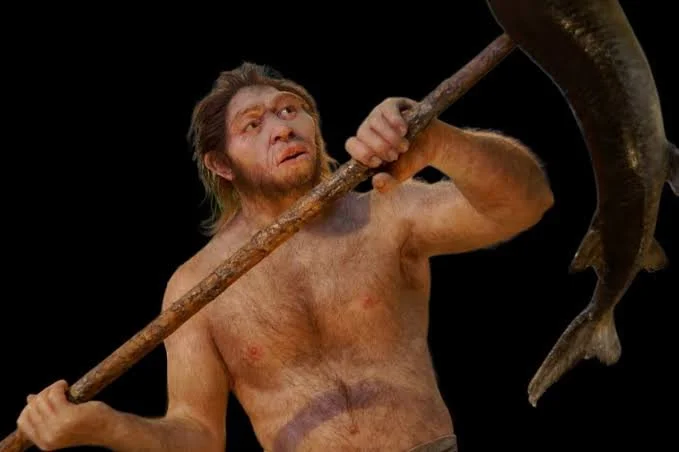
Hominins are members of the evolutionary group that includes modern humans and our extinct relatives after the lineage leading to humans diverged from that of chimpanzees. South Africa’s fossil-bearing caves have yielded remains of several early hominin species, allowing researchers to examine changes in anatomy, locomotion, diet, and adaptation.
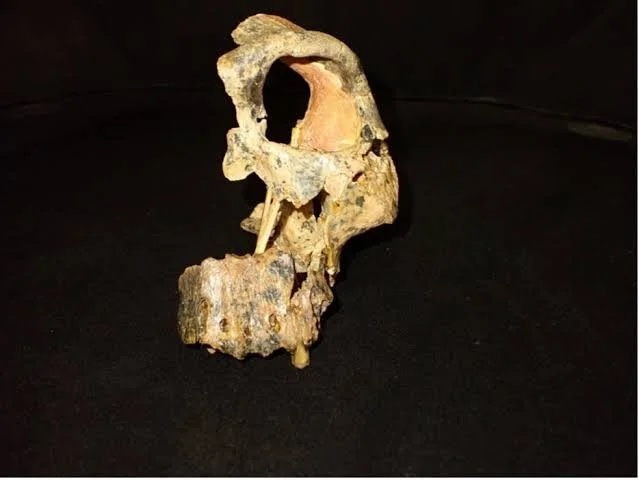
The importance of Gladysvale lies within this broader fossil landscape. Evidence from the region helps researchers investigate how different hominin populations occupied varied environments and how their anatomical characteristics changed over time. Fossil teeth, jaws, and cranial fragments can provide information about diet and body size, while limb bones, when preserved, may offer evidence about movement and posture.
Nevertheless, identifying a hominin fossil is not always straightforward. Fragmentary remains may share characteristics with several species, and researchers can disagree about whether a specimen represents a distinct species or variation within a known group. Scientific conclusions depend on comparisons with other fossils, anatomical measurements, and the geological age of the specimen.
Reconstructing the Ancient Environment
The fossil record around Gladysvale also contains evidence of animals that lived alongside early hominins. Carnivores, herbivores, and smaller mammals help researchers reconstruct ancient ecological conditions.
Animal teeth and bones can reveal dietary preferences, while changes in the relative abundance of species may indicate shifts in vegetation, rainfall, and habitat. For example, the presence of animals adapted to open grassland can be compared with evidence of species associated with woodland or more sheltered environments.
These reconstructions matter because human evolution did not occur in a single, unchanging landscape. Early hominins experienced environmental fluctuations and had to obtain food, water, and protection under different ecological conditions. The relationship between climate and evolutionary change is complex, however. A change in climate did not automatically cause a particular evolutionary development, and researchers must consider multiple explanations for patterns in the fossil record.
Dating the Cave Deposits
Dating is one of the most important aspects of research at Gladysvale. Scientists may use several approaches, depending on the age and condition of the deposits. These can include palaeomagnetic evidence, the analysis of associated animal fossils, and dating methods applicable to minerals or sediments.
Biostratigraphy compares fossil assemblages with those from other sites whose ages are better constrained. This can help establish a broad chronological framework, but it is generally less precise than a successful direct dating method.
Researchers must also distinguish the age of a fossil from the age of the rock or sediment surrounding it. A bone may have been transported from an older deposit into a younger layer, or later disturbance may have mixed materials from different periods. Establishing the relationship between fossils and sediment is therefore essential.
Why Gladysvale Matters
Gladysvale contributes to understanding the complex archaeological and palaeontological history of the Cradle of Humankind. Rather than offering a single, uninterrupted story of human origins, the cave forms part of a network of sites that preserve different pieces of evidence.
Its wider significance lies in showing how geological processes can preserve biological remains and how carefully controlled excavation can transform those remains into scientific evidence. Each fossil must be interpreted within its geological context, and every new discovery has the potential to refine existing explanations.
The study of Gladysvale ultimately demonstrates that human evolution is best understood through the combined work of palaeontology, archaeology, geology, comparative anatomy, and environmental science. The cave is important not because every detail of its past is known, but because its deposits help researchers reconstruct a distant world in which early hominins lived alongside a diverse community of animals.
Conclusion
Gladysvale is an important component of South Africa’s fossil heritage. Its significance comes from its place within the Cradle of Humankind and the opportunities it provides for investigating early hominin evolution, ancient environments, and the geological processes responsible for preserving fossils. The description “two-million-year-old” should be understood as a broad chronological reference rather than an exact date for every find. Through continued research and careful interpretation, Gladysvale helps deepen our understanding of the evolutionary history of southern Africa.