Taleh is one of the most important historical landscapes associated with the Dervish movement of the early twentieth century.
Located in the interior of Somaliland, Taleh became a major stronghold of Sayyid Mohammed Abdullah Hassan and his followers during their resistance to European and Ethiopian expansion.
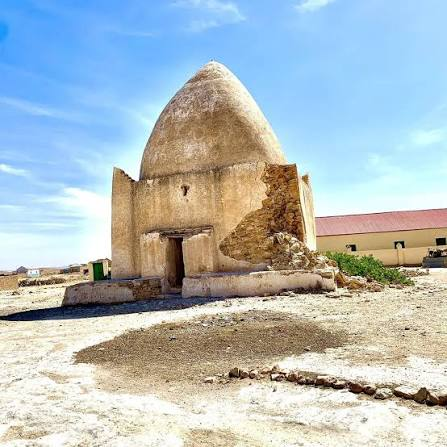
The monumental stone structures at Taleh are among the most recognizable remnants of this period.
They demonstrate how military architecture, religious authority, and political resistance became intertwined in the Horn of Africa.
Sayyid Mohammed Abdullah Hassan
Sayyid Mohammed Abdullah Hassan was a Somali religious and political leader who became the central figure of the Dervish movement.
Beginning in the late nineteenth century, he mobilized supporters around opposition to foreign political and military influence.
The movement was shaped by:
Islamic religious ideas;
Somali political traditions;
anti-colonial resistance;
and alliances among different communities.
The Dervish State
The Dervish movement developed political and military institutions.
It established settlements, constructed fortifications, and controlled territories at different stages.
Taleh became one of its most important centers.
Why Taleh Was Important
The location of Taleh was strategically valuable.
It was situated in the interior, away from major coastal colonial centers.
Its location allowed Dervish forces to:
establish a protected headquarters;
store supplies;
organize military operations;
and maintain political authority.
The Fortifications
Taleh's most famous structures are its stone fortifications.
The architecture includes:
thick walls;
towers;
enclosed compounds;
and defensive structures.
These buildings were designed to withstand attacks and protect the people and resources inside.
Defensive Architecture
Fortifications served several functions.
They provided protection from:
firearms;
raiding parties;
rival political forces;
and colonial military expeditions.
High walls also communicated authority.
A large fortified settlement demonstrated that the Dervish movement possessed the organization and resources necessary to build permanent structures.
Religious and Political Power
The Dervish movement was not simply a military organization.
Its political authority was closely connected to Islamic religious identity.
Religious leadership helped mobilize followers and establish legitimacy.
This combination of religion and political resistance was a major feature of the movement.
Trade and Supply
A military settlement needed food and equipment.
Taleh therefore depended on regional networks supplying:
livestock;
grain;
water;
weapons;
ammunition;
and other necessities.
Control over movement through the interior was strategically important.
Conflict With Colonial Powers
The Dervishes fought British and Ethiopian forces for many years.
British military campaigns included:
ground operations;
naval support;
and eventually aerial bombardment.
The development of aircraft dramatically changed the balance of power.
The Fall of Taleh
In 1920, British forces launched a major campaign against the Dervish movement.
Aircraft were used to attack Dervish positions.
Taleh was eventually captured, contributing to the collapse of the Dervish state.
Preservation of the Fortresses
The surviving structures are important historical monuments.
They preserve physical evidence of a major anti-colonial movement.
The architecture also provides information about:
construction techniques;
defensive planning;
political organization;
and material resources.
Why Taleh Matters
Taleh is important not only to Somali history but to the broader history of anti-colonial resistance in Africa.
The site demonstrates how local political movements could develop sophisticated systems of:
administration;
military organization;
architecture;
and religious authority.
Conclusion
Taleh's fortresses are among the most powerful physical reminders of the Dervish movement.
Their thick walls and imposing towers represent a period when religious leadership and political resistance combined to challenge colonial expansion.
Today, the ruins stand as a major symbol of Somali historical memory and the struggle for political independence.