Jebel Arkenu is part of the extraordinary archaeological landscape of the eastern Libyan Sahara, near the border region with Egypt. The surrounding area contains prehistoric rock art, ancient travel routes, and evidence of human occupation that demonstrate the long-standing connections between the Sahara and the Nile Valley.
The title “Pre-Dynastic Egyptian Links” reflects an important archaeological question: how did communities living in the Sahara interact with populations in the Nile Valley before the emergence of the unified Egyptian state?
The answer appears to involve movement, trade, environmental change, and cultural interaction across a landscape that was once considerably wetter than it is today.
The Jebel Arkenu Landscape
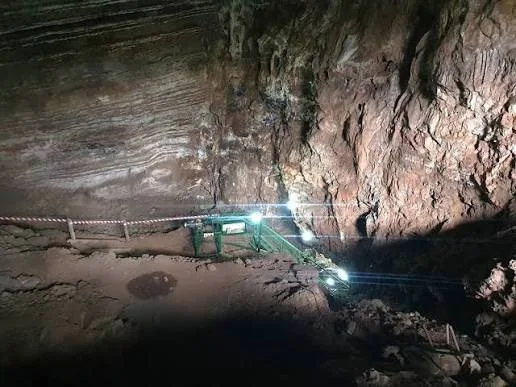
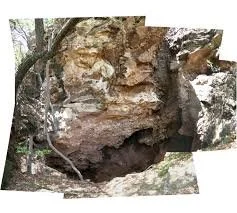
Jebel Arkenu is a striking geological formation rising from the surrounding desert.
Its location near the Libyan-Egyptian border places it within a region that historically functioned as a corridor between:
the Nile Valley;
the central Sahara;
and northeastern Africa.
Today, crossing this environment is extremely difficult.
In prehistoric periods, however, climatic conditions were often more favorable.
The Sahara Before Desertification
During the African Humid Period, rainfall was substantially greater across North Africa.
The eastern Sahara contained:
grasslands;
seasonal lakes;
wetlands;
and vegetation.
Animals such as:
cattle;
giraffes;
antelope;
elephants;
and other large mammals
could inhabit regions that are now hyper-arid.
Human communities followed these resources.
Rock Art and Cultural Connections
Rock art provides some of the most important evidence for prehistoric life in the region.
Artists represented:
wild animals;
cattle;
hunters;
human figures;
and symbolic motifs.
Certain artistic themes appear across large parts of the Sahara and Nile Valley.
Similarities do not necessarily prove direct migration, but they can indicate contact or shared cultural traditions.
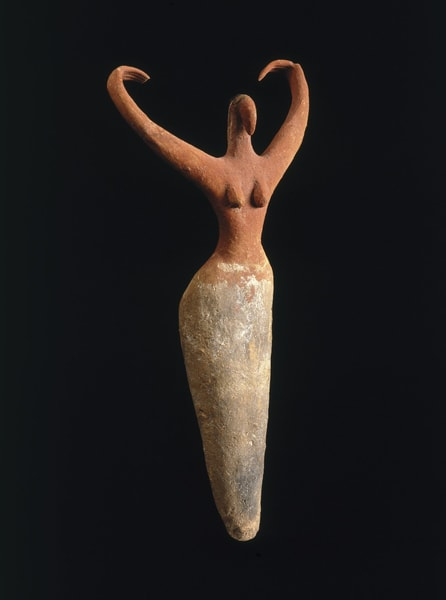
Predynastic Egypt
The Predynastic period refers broadly to the centuries before the political unification of Upper and Lower Egypt.
During this period, communities along the Nile were developing:
agriculture;
pottery traditions;
long-distance trade;
social hierarchies;
and increasingly complex political structures.
These developments did not occur in isolation.
The Nile Valley was connected to surrounding regions, including the eastern Sahara.
Trade Across the Desert
Prehistoric trade could involve relatively small but valuable items.
Communities might exchange:
stone;
pigments;
animal products;
shells;
beads;
tools;
and exotic materials.
Long-distance exchange did not necessarily require permanent merchant caravans.
Goods could move through chains of relationships connecting neighboring communities.
Jebel Arkenu as a Corridor
The location of Jebel Arkenu is significant because mountains and water sources can serve as navigation points.
In an otherwise featureless desert, distinctive geological formations can help travelers orient themselves.
Ancient routes likely connected reliable wells and seasonal water sources.
Such routes could become increasingly important as the Sahara dried.
The End of the Wet Sahara
The gradual decline of rainfall changed everything.
As grasslands disappeared, communities had to concentrate around:
the Nile;
oases;
permanent springs;
and other reliable water sources.
Some populations may have moved toward the Nile Valley.
This environmental migration may have contributed to increasing contact between Saharan pastoral communities and developing Egyptian societies.
Cattle and Social Identity
Cattle were particularly important to prehistoric Saharan societies.
Their representation in rock art may have reflected:
wealth;
fertility;
ritual;
ancestry;
or social status.
The importance of cattle in both Saharan archaeology and early Nile Valley traditions raises interesting questions about cultural interaction.
Avoiding a Simple “Egyptian Origin” Narrative
It would be misleading to interpret every Saharan artifact or artistic similarity as evidence of Egyptian colonization.
Prehistoric North Africa contained many independent communities.
Cultural similarities could result from:
trade;
migration;
intermarriage;
shared environmental conditions;
or parallel development.
Archaeologists therefore compare multiple types of evidence before proposing direct connections.
Why Jebel Arkenu Matters
The Jebel Arkenu region contributes to the study of:
prehistoric Saharan pastoralism;
environmental change;
rock art;
early trade networks;
and relationships between the Sahara and Nile Valley.
Conclusion
Jebel Arkenu belongs to a vast prehistoric cultural landscape that existed before the emergence of pharaonic Egypt.
Its archaeological context demonstrates that the Sahara was once a connected world of mobile communities, animals, seasonal water sources, and trade routes.
As the climate became drier, these networks changed, pushing populations toward more reliable sources of water and creating new relationships between Saharan communities and the Nile Valley.
The story of Jebel Arkenu therefore helps place the emergence of ancient Egypt within a much broader North African history.