Introduction
Liphofung Cave, located in northern Lesotho, is an important cultural and historical site. Its rock shelter is associated with San rock paintings and provides an opportunity to explore the artistic traditions of Indigenous hunter-gatherer communities in southern Africa.
The cave also holds significance within Lesotho’s broader heritage landscape. It demonstrates how natural shelters can preserve artistic evidence while also serving as places connected to the movement and activities of people across the highlands.
San paintings should not be viewed simply as decorative images on stone. They can provide evidence of artistic skill, environmental knowledge, and cultural traditions. Some have been interpreted in relation to spiritual beliefs and ritual activities, although the meaning of any individual painting must be considered carefully.
The Physical Setting
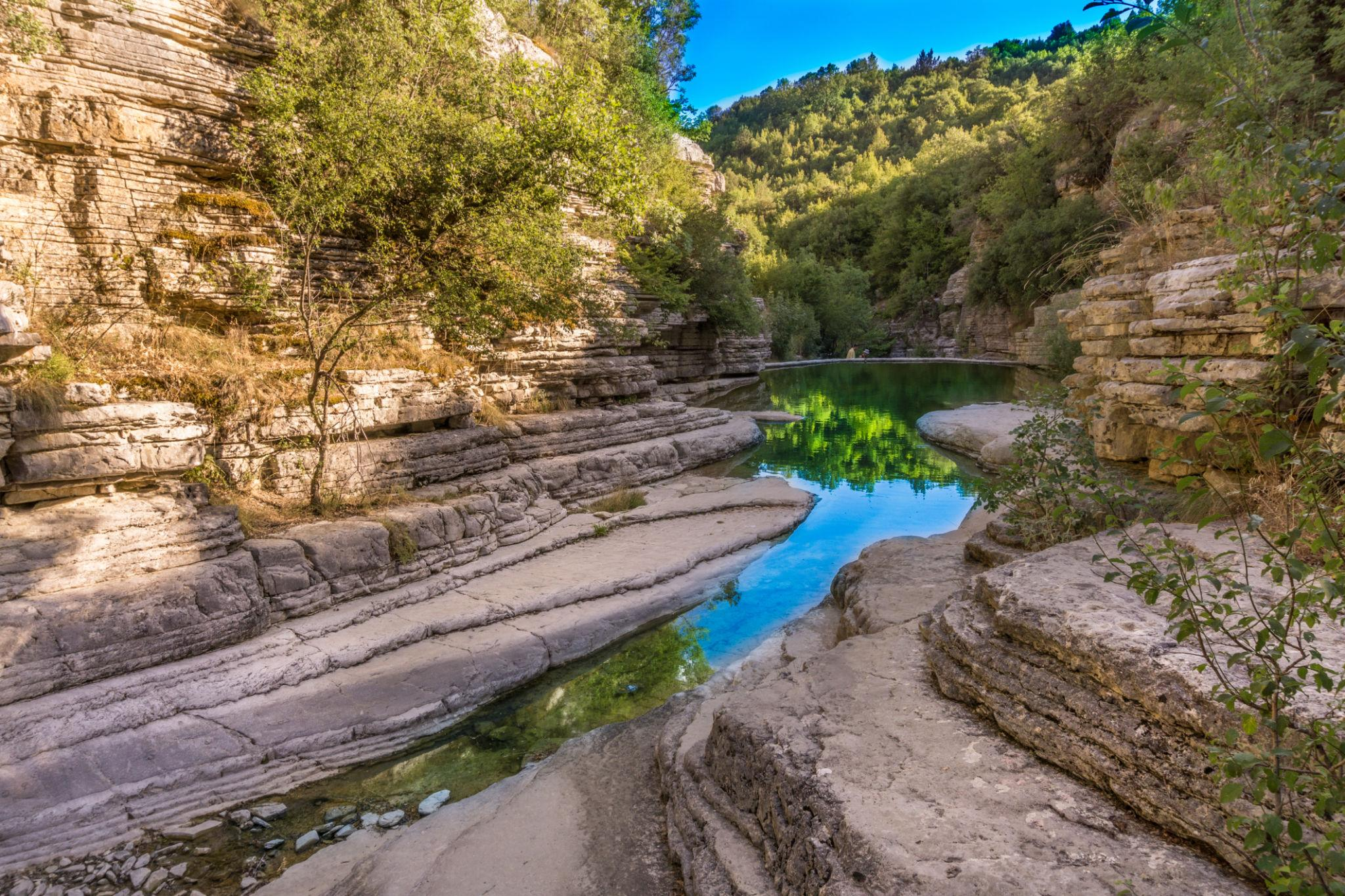
Liphofung is a sandstone shelter in a landscape of highlands, valleys, and mountain slopes. Such shelters offered protection from the weather and could provide convenient places to stop during movement through the region.
The shelter’s rock surfaces offered a durable medium for painting. Where the surface remained relatively dry and protected, pigments could survive for long periods. Nevertheless, weathering, moisture, and biological growth can cause gradual deterioration.
The cave’s location is also important for understanding its heritage value. Natural shelters often occupy positions within wider routes and resource landscapes, making them relevant to studies of mobility and settlement.
San Artistic Traditions
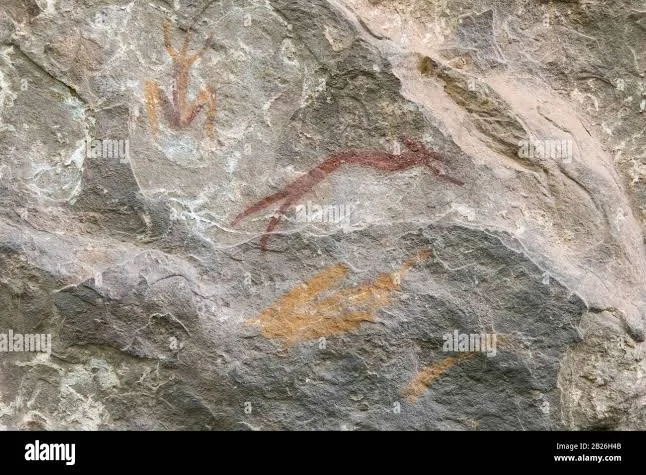
San rock art is among the most important bodies of Indigenous artistic evidence in southern Africa. Paintings may depict animals, human figures, and unusual combinations of forms that invite questions about their original meanings.
Artists used mineral pigments, including ochres, to create images on the rock. The choice of colour, the shape of a figure, and the arrangement of several images could all contribute to a composition.
Some paintings display detailed observation of animal anatomy and movement. Others use simplified or stylised forms. These differences reflect the diversity of artistic practice and should not be reduced to a single style.
The people who produced the paintings belonged to communities with their own knowledge, social relationships, and traditions. Although modern researchers can document the physical characteristics of an image, its full cultural meaning may not be recoverable.
Animals and Human Figures
Animals are prominent in many San rock paintings, and the eland is particularly significant in several documented traditions. Human figures may appear alone or in groups, sometimes alongside animals or in unusual postures.
These images have been interpreted in different ways. Some may relate to hunting or the observation of wildlife, while others may have symbolic or ritual significance.
Ethnographic research has helped scholars understand the importance of healing practices and spiritual potency in some San traditions. However, those interpretations should not be applied automatically to every painting at Liphofung. A particular figure’s meaning depends on its context and the evidence available.
Dating and Documentation
The age of the paintings at Liphofung must be distinguished from the age of the cave itself. A shelter may have been used repeatedly over thousands of years, and the paintings may represent several episodes of artistic activity.
Researchers may examine pigment composition, the condition of the surface, overlapping images, and relationships with archaeological deposits. Depending on the evidence available, these methods may provide broad chronological estimates rather than exact dates.
Careful documentation is essential. Photographs, measured drawings, and digital records can preserve information about the paintings’ condition and allow future researchers to compare changes over time.
Cultural Heritage and Conservation
Liphofung’s paintings are fragile and irreplaceable. Touching the painted surface, adding graffiti, or attempting to clean the rock can damage the artwork.
Conservation involves protecting the site, managing visitor access, recording changes, and educating the public about the importance of the paintings. Local communities and heritage authorities have important roles in decisions about interpretation and preservation.
The San should also be recognised as living Indigenous peoples with diverse contemporary communities. Ancient rock art forms part of a wider cultural history, not merely a vanished past.
Conclusion
Liphofung Cave is an important part of Lesotho’s cultural heritage and contributes to the study of San artistic traditions in southern Africa. Its paintings preserve evidence of artistic expression and provide opportunities to investigate the relationships between people, animals, and the landscape.
The interpretation of individual images requires caution, particularly when assigning dates or spiritual meanings. By combining archaeological research with respectful heritage management, Liphofung can continue to provide a valuable connection to the region’s long history.