Introduction
Quthing District, in southern Lesotho, forms part of a highland landscape rich in archaeological and historical significance. The district’s valleys, rocky slopes, and natural shelters have supported human activity over long periods, creating opportunities for the preservation of artefacts and other traces of the past.
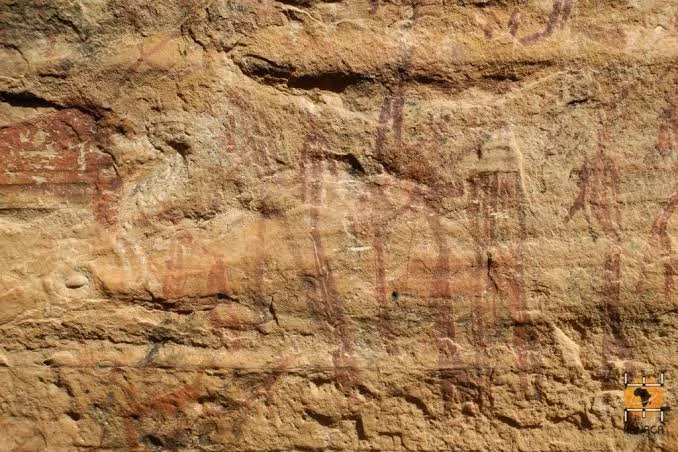
The title “Rock Engravings” refers to images made by cutting, pecking, or abrading a rock surface. Rock engravings are distinct from paintings, which use pigments applied to stone. Both forms of rock art occur across southern Africa, but their distribution, age, and cultural associations vary.
Before attributing a particular set of engravings to a specific location in Quthing, the relevant site records and archaeological descriptions should be verified. The district’s broader archaeological importance provides context, but individual claims about motifs, dates, and meanings require site-specific evidence.
The Landscape of Quthing
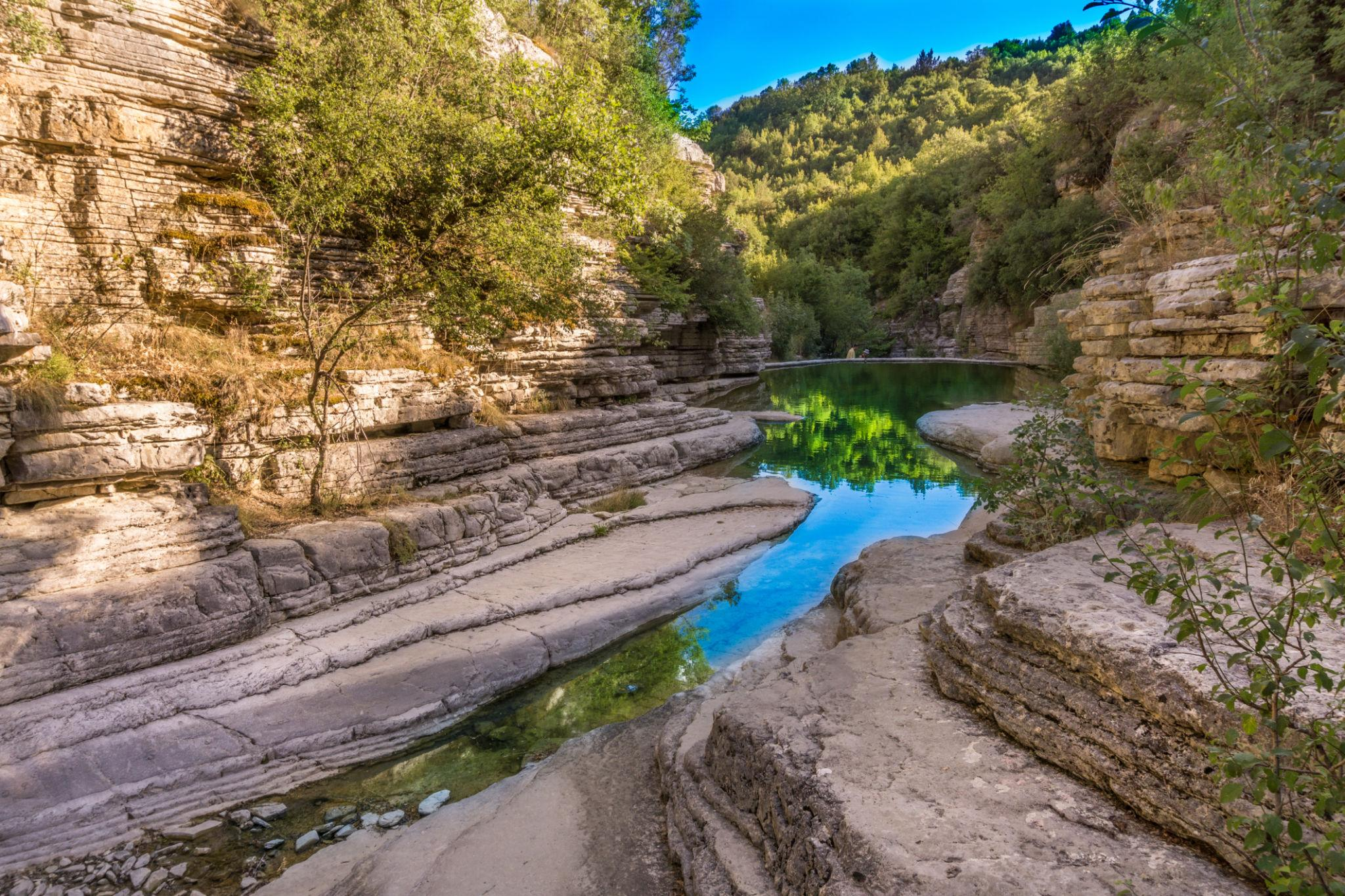
Quthing lies within Lesotho’s southern highlands and foothills. The landscape contains river valleys, exposed rock surfaces, and sheltered locations that could have been used by people travelling through the region.
The natural environment influenced both human activity and the preservation of archaeological material. Shelters provided protection, while exposed rock surfaces could serve as places for engraving. Erosion, weathering, and changes in moisture affected how well such marks survived.
Rock engravings may remain visible for long periods, but their appearance changes as the surrounding surface weathers. Some marks become faint, while others are difficult to distinguish from natural cracks or accidental damage.
How Engravings Are Created
Engravings are made by physically altering the rock. Artists may use repeated pecking to create a series of small depressions, incise lines into the surface, or abrade areas to form shapes.
The technique affects the final appearance. Pecked images may have rough interiors, while incised lines can appear narrow and continuous. The type of stone also matters because some surfaces are easier to work than others.
Researchers examine the form and depth of the marks, the sequence of overlapping lines, and the relationship between the image and the surrounding rock. These details can help establish whether the marks were deliberately made.
Modern documentation may include scaled photographs, measured drawings, and three-dimensional surface recording. Such records are useful for comparing images and monitoring their condition.
Possible Subjects and Meanings
Southern African engravings can depict animals, tracks, geometric patterns, and abstract forms. Some images are recognisable, while others are difficult to interpret.
An animal engraving might reflect observation of wildlife, but it could also carry symbolic significance. Geometric forms may have had meanings that are no longer understood, particularly when there is little contextual information.
It would be inappropriate to assign a single purpose to all engravings in Quthing. Different images may have been created by different communities, at different times, and for different reasons.
The most reliable interpretations begin with the visible features of the image and then consider relevant archaeological and cultural evidence.
Dating Rock Engravings
Dating engravings is difficult because the marks themselves often lack material suitable for direct radiocarbon dating. Researchers may investigate mineral deposits that formed over or beneath an engraving, examine its relationship with archaeological layers, or compare it with other documented images.
Each method has limitations. A mineral crust may constrain the age of an engraving without establishing the exact date it was made. Stylistic similarities may suggest a broad relationship between images but cannot independently prove that they are contemporary.
The age of a shelter should also not be confused with the age of its engravings. A site may have been used long before the marks were made, and later visitors may have added new designs.
Archaeological Context and Indigenous Heritage
Rock art must be interpreted within the wider history of the communities who used the landscape. Archaeological evidence can help researchers investigate settlement, mobility, technology, and relationships between groups.
However, cultural attribution should not be based solely on the appearance of an image. Researchers need to consider the site’s documented history, the archaeological material associated with it, and relevant Indigenous knowledge where available.
The meaning of a design may not be fully recoverable, and acknowledging that uncertainty is part of responsible archaeological interpretation.
Conservation
Rock engravings are vulnerable to vandalism, graffiti, uncontrolled collecting, and damage caused by people walking or climbing over the rock surface. Attempts to trace or deepen the marks can permanently alter the original evidence.
Conservation involves documenting the site, protecting vulnerable surfaces, managing access, and informing visitors about the importance of the artwork. Digital records can help preserve detailed information, but the original surface remains irreplaceable.
Conclusion
Quthing District forms part of Lesotho’s wider archaeological landscape, where natural shelters and rock surfaces preserve evidence of human activity. Rock engravings, where securely documented, can provide information about artistic practice and the ways people engaged with their environment.
The interpretation of specific engravings requires verified site information, careful dating, and respect for the cultural context. By combining documentation, archaeological research, and conservation, researchers can protect this heritage while developing a more complete understanding of Lesotho’s past.