Introduction
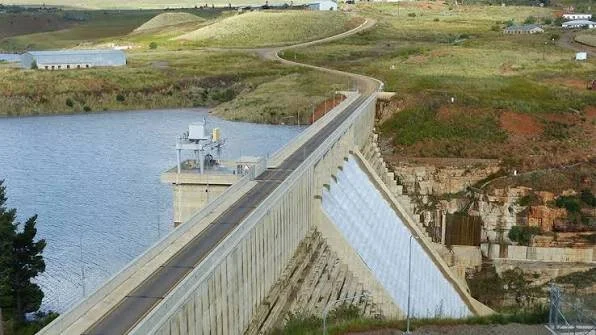
The Metolong Dam project in western Lesotho led to extensive archaeological investigations before the development of the reservoir and associated infrastructure. These investigations are significant because large construction projects can affect archaeological sites that might otherwise remain undocumented.
The archaeological work around Metolong revealed evidence of human activity from different periods, contributing to research on prehistoric settlement and the development of farming communities in Lesotho. The region’s record includes evidence relevant to the Later Stone Age and later periods, including the Iron Age.
The phrase “Iron Age Villages” refers to an important subject within this broader archaeological history: the development of communities that used iron technology, cultivated crops, and, in many cases, kept domestic animals. However, the presence of Iron Age material at a locality does not automatically mean that every site was a permanent village. Settlement patterns must be established from the archaeological evidence.
The Metolong Landscape
Metolong lies within the western highlands of Lesotho, where valleys and watercourses provided resources for human communities. The area’s position made it part of a wider landscape through which people could move between settlements, grazing areas, and agricultural land.
The construction of a dam can transform a landscape by creating a reservoir and altering river systems. Before construction, archaeological surveys and excavations are often undertaken to identify and document sites that may be affected.
This kind of work is commonly called development-led or rescue archaeology. It aims to record archaeological evidence before it is disturbed or submerged, although excavation cannot preserve every aspect of a site in its original condition.
Archaeological Surveys and Excavations
Archaeologists investigating an area such as Metolong begin by identifying locations likely to contain evidence of past human activity. Surface artefacts, geological features, historical information, and local knowledge can all help guide survey work.
Excavation then reveals the relationships between artefacts, structures, and sediment layers. Researchers record the position of stone tools, pottery, animal bones, hearths, and other materials.
These relationships are essential for determining whether a site represents a temporary camp, a repeated occupation location, or a more permanent settlement. A collection of artefacts found near one another does not automatically prove that they were used at the same time.
Understanding the Iron Age
The Iron Age in southern Africa is associated with the development and spread of communities that used iron technology and practised forms of farming and livestock keeping. Pottery, metal objects, domestic animal remains, and settlement features can provide evidence of these activities.
Iron technology made it possible to produce tools and other objects with properties different from those of stone. However, ironworking required specialised knowledge and access to suitable materials, fuel, and technical processes.
Iron Age communities were not identical. Their economies, settlement arrangements, and relationships with neighbouring groups varied according to local conditions and historical circumstances.
Researchers therefore avoid treating the Iron Age as a single uniform culture. The term is a broad chronological and technological category that covers many different communities.
What Makes a Village?
Archaeologists identify villages through combinations of evidence rather than a single artefact type. Possible indicators include the remains of houses, repeated domestic activity areas, storage features, hearths, pottery assemblages, and evidence of food production.
Settlement patterns can also be investigated through the spatial distribution of artefacts and structures. If domestic activities occurred repeatedly in the same area, the evidence may suggest sustained or recurrent occupation.
However, the distinction between a village and a temporary settlement is not always straightforward. Seasonal occupation can leave substantial deposits, while permanent settlements may preserve relatively little evidence if conditions are unfavourable.
For this reason, claims about Iron Age villages around Metolong should be tied to the specific excavated features and their chronology.
Agriculture, Livestock, and Exchange
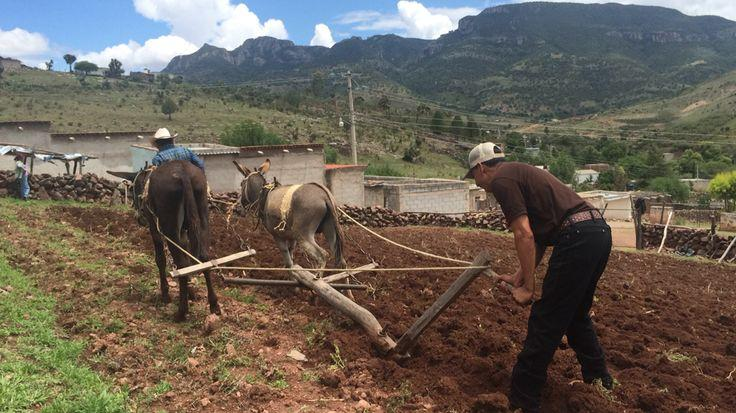
Iron Age farming communities often combined crop cultivation with livestock keeping and other activities. Crops provided food, while domestic animals could supply meat, milk, hides, and other products.
The balance between farming, herding, hunting, and gathering varied by region. Communities could also exchange goods and knowledge with neighbouring groups, creating networks that connected settlements across the landscape.
Pottery styles, metal objects, and other artefacts can provide clues about these relationships. Yet an object made elsewhere does not necessarily prove that its owner travelled to that place. It may have reached the settlement through trade, exchange, inheritance, or several stages of movement.
Why the Metolong Project Matters
The Metolong archaeological investigations demonstrate the importance of documenting heritage before major development changes a landscape. Without survey and excavation, some sites could be lost beneath a reservoir or affected by construction without a scientific record.
The findings also contribute to a broader understanding of Lesotho’s history. Archaeology can show that the region was connected to wider patterns of technological development, farming, settlement, and exchange rather than existing in isolation.
Conclusion
The Metolong Dam archaeological sites provide valuable evidence for the long history of human occupation in western Lesotho. The Iron Age material is particularly relevant to the study of farming, livestock keeping, iron technology, and settlement patterns.
However, not every archaeological locality should automatically be described as an Iron Age village. That classification depends on evidence of settlement structures, domestic activities, and a secure chronology.
Through careful excavation and documentation, the Metolong project has helped preserve information about Lesotho’s past that might otherwise have been lost during major infrastructure development.