The Matobo Hills in southwestern Zimbabwe form one of Africa's most important prehistoric and historic cultural landscapes.
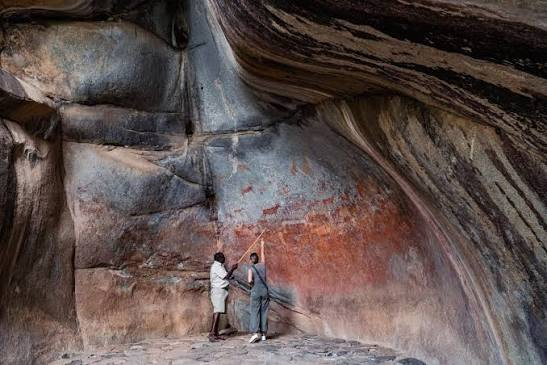
The region is famous for its dramatic granite formations and extensive collections of rock paintings associated with hunter-gatherer communities, particularly the San and related prehistoric populations.
The paintings include:
humans;
animals;
hunting scenes;
ritual figures;
and symbolic imagery.
Although some paintings can be approximately 2,000 years old or older, the rock-art tradition of Matobo spans a much broader period.
The Landscape of Matobo
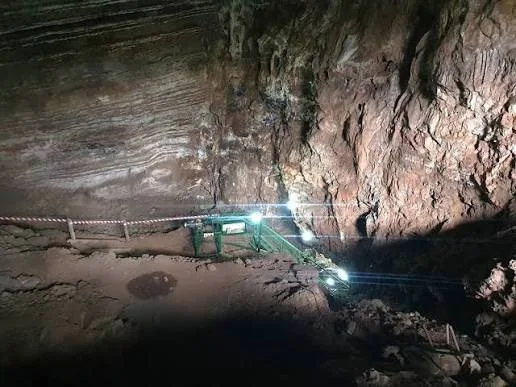
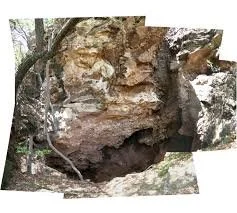
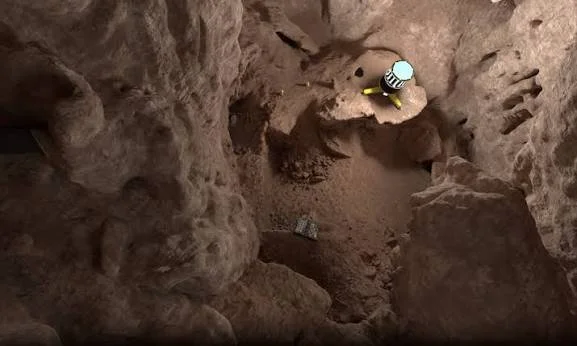
Matobo consists of enormous granite outcrops shaped by erosion.
The rocks form:
caves;
shelters;
balancing formations;
cliffs;
and natural chambers.
These provided excellent locations for human occupation and rock art.
Why People Used Rock Shelters
Shelters protected people from:
sun;
wind;
rain;
and temperature extremes.
They also provided suitable surfaces for painting.
Some shelters contain layers of archaeological occupation beneath their painted walls.
Hunter-Gatherer Communities
Many of the paintings are associated with hunter-gatherer societies.
These communities possessed detailed knowledge of:
animal behavior;
plants;
water sources;
seasonal changes;
and landscape geography.
Their survival depended on understanding the environment at an extremely sophisticated level.
Animals in the Paintings
Artists represented numerous animals.
These could include:
eland;
antelope;
giraffe;
elephant;
rhinoceros;
and other species.
Animal imagery may reflect both everyday hunting and symbolic beliefs.
The Eland
The eland is particularly important in southern African San rock art.
It appears frequently in ritual contexts.
Ethnographic research among San communities has helped archaeologists understand how animals, especially eland, could be connected to:
trance;
healing;
rainmaking;
and spiritual transformation.
However, modern ethnography cannot automatically explain every prehistoric image.
Human Figures
Human figures appear in various forms.
Some may represent:
hunters;
dancers;
ritual specialists;
or supernatural beings.
Some images are highly realistic.
Others are abstract or elongated.
Ritual Interpretation
One of the most important interpretations of southern African rock art connects certain scenes to shamanic or trance experiences.
Researchers have proposed that images may represent:
altered states of consciousness;
healing rituals;
supernatural journeys;
and interactions with spiritual forces.
These interpretations remain debated but are supported by comparisons with historically documented San traditions.
Pigments
Artists used natural pigments.
Red ochre was especially important.
Other pigments produced:
yellow;
white;
black;
and occasionally other shades.
Pigments could be mixed with binding materials before application.
Fingerprints and Techniques
Some prehistoric paintings may have been applied using:
fingers;
brushes;
feathers;
or other organic tools.
Because organic tools rarely survive, archaeologists reconstruct techniques from the paintings themselves and experimental archaeology.
Dating the Art
Dating rock paintings is difficult.
Methods include:
direct dating of suitable pigment components;
radiocarbon analysis;
archaeological association;
stylistic comparison;
and mineral analysis.
Different images within the same shelter may have been created centuries apart.
Later Communities
Matobo was not abandoned after the earliest paintings.
Later communities continued using the landscape.
Archaeological evidence includes:
pottery;
metal objects;
stone tools;
and settlement remains.
The hills therefore represent thousands of years of continuous or repeated human interaction.
Sacred Landscape
Matobo also became an important sacred and political landscape in more recent history.
The hills are associated with traditional religious practices and ancestral beliefs.
The landscape later became connected with the history of the Ndebele kingdom and colonial Zimbabwe.
UNESCO World Heritage Site
The Matobo Hills were designated a UNESCO World Heritage Site because of their exceptional combination of:
natural scenery;
archaeological evidence;
rock art;
and living cultural traditions.
Why Matobo Matters
Matobo is important because it preserves a remarkable record of human interaction with the landscape across thousands of years.
The paintings reveal:
artistic skill;
hunting traditions;
ritual beliefs;
environmental knowledge;
and changing cultural practices.
Conclusion
The Matobo Hills are among the greatest repositories of prehistoric rock art in southern Africa.
Their paintings preserve the symbolic world of hunter-gatherer communities who understood animals, landscapes, weather, and spiritual forces through an intricate cultural system.
The hills are therefore not simply an archaeological site.
They are a living cultural landscape where geology, spirituality, history, and prehistoric art remain deeply connected.