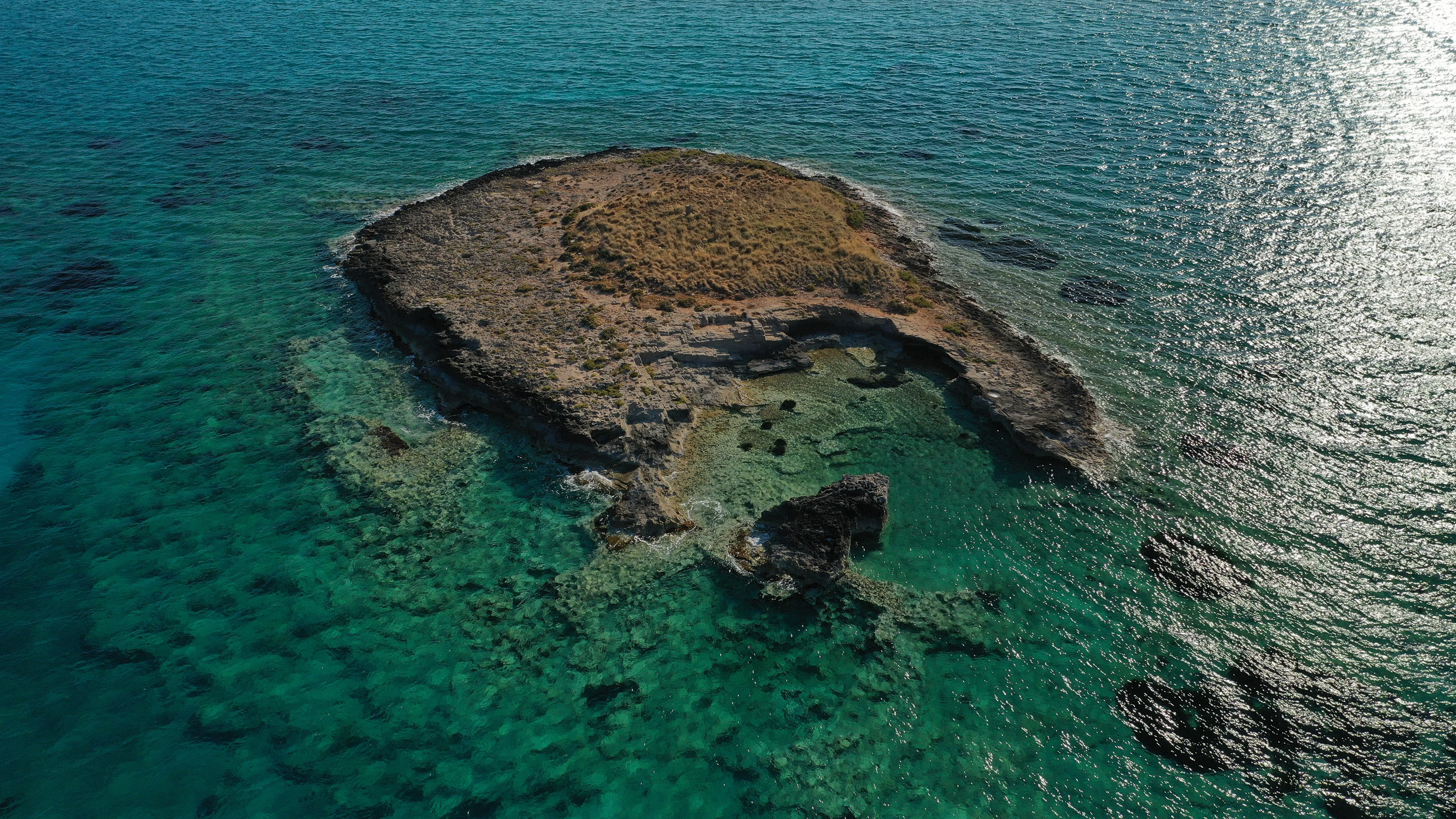
Submerged under just three to four meters of crystal-clear water off the coast of southern Laconia in Greece sits Pavlopetri, globally recognized as the oldest fully submerged maritime town in the world. First occupied around 3000 BCE and flourishing throughout the Mycenaean and Minoan Bronze Ages (c. 1600–1100 BCE), Pavlopetri is unique because it was never built over by later civilizations. When tectonic shifts and rising sea levels submerged the town around 1000 BCE, it created an uncompromised, underwater time capsule.
                  [ THE SUNKEN CITY OF PAVLOPETRI ]
                                 │
        ┌────────────────────────┴────────────────────────┐
        ▼                                                 ▼
[ THE BRONZE AGE URBAN GRID ]                   [ THE SUBSURFACE CEMETERY ]
* 15 complex multi-room stone buildings          * Sunken rock-cut cist tombs
* Intricate 9-meter-wide central avenues         * Intra-mural infant pithos burials
* Standardized plazas & stone courtyards        * Sacred ancestor transition chambers
Using cutting-edge marine robotics, side-scan sonar, and 3D digital mapping, underwater archaeologists have reconstructed a highly organized urban grid covering over 50,000 square meters. The city was not a primitive fishing village; it was a highly sophisticated, industrial port town.
The Anatomy of the Submerged Suburb
The underwater grid consists of at least fifteen separate, large-scale multi-room buildings constructed out of heavy stone blocks, separated by wide, stone-paved streets:
The Megaron Architecture: Several residences feature the classic megaron design—large central halls with porches that pre-date the palace layouts of Mycenae and Tiryns.
The Industrial Pithoi: Inside the sunken rooms, archaeologists found the crushed remains of hundreds of massive ceramic storage jars (pithoi), used to store bulk shipments of olive oil, grain, and wine for international export.
The Loom Weight Workshops: The discovery of hundreds of clay loom weights concentrated in specific sectors indicates a large-scale textile production industry, specializing in manufacturing sails and garments for Aegean trade fleets.
The Subsurface Necropolis
Woven directly into the urban fabric of Pavlopetri is a extensive, haunting necropolis. Archaeologists have mapped dozens of rock-cut cist tombs and intra-mural burials directly beneath the stone floors of the houses. Children were frequently buried inside large ceramic jars (pithoi) tucked beneath the foundations of active living rooms.
This spatial layout reveals a profound psychological connection to the dead; the citizens of Pavlopetri chose to live, trade, and sleep directly above the bones of their ancestors, utilizing the physical presence of the dead to legitimize their ownership of the premium coastal real estate.