Introduction
Rising Star Cave, located within South Africa’s Cradle of Humankind region, is one of the most widely discussed palaeoanthropological sites of the twenty-first century. The cave became internationally significant following the discovery of extensive fossil remains belonging to a previously unknown hominin species, Homo naledi.
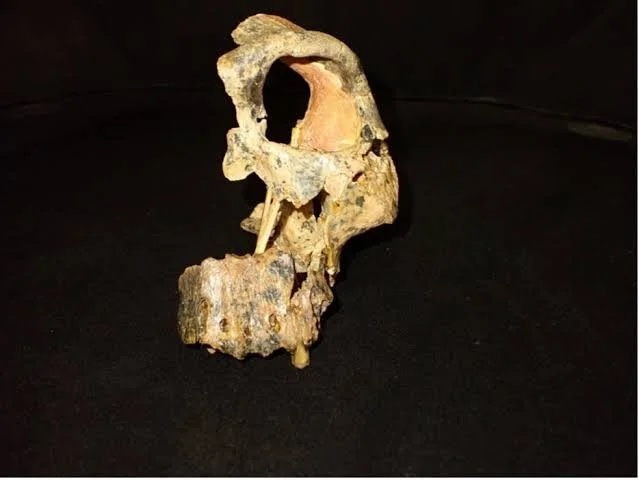
The discoveries attracted attention because of the large number of remains, the difficult underground passages in which they were found, and the unusual combination of anatomical features displayed by the species. Homo naledi possessed a mixture of characteristics associated with different stages of hominin evolution, making it an important subject for research into the diversity of the human family.
Rising Star is also significant because it raises questions about how hominin remains accumulated in deep cave chambers. Some researchers have proposed that the bodies were deliberately placed in the cave, while other interpretations have questioned whether the available evidence is sufficient to establish intentional body disposal. These debates demonstrate why archaeological claims must be evaluated against multiple lines of evidence.
Discovery of the Fossil System
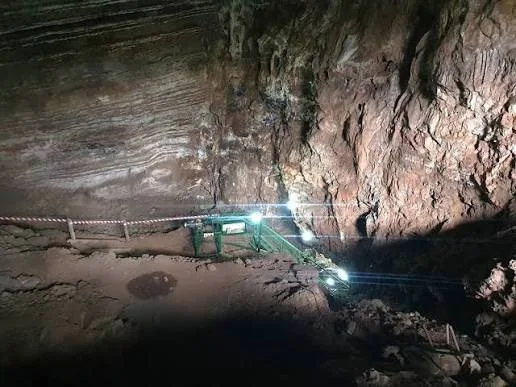
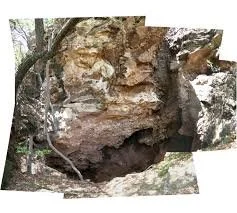
Rising Star was explored by cavers who encountered fossil-bearing chambers deep within its underground network. The site’s narrow passages and difficult access created substantial challenges for excavation and documentation.
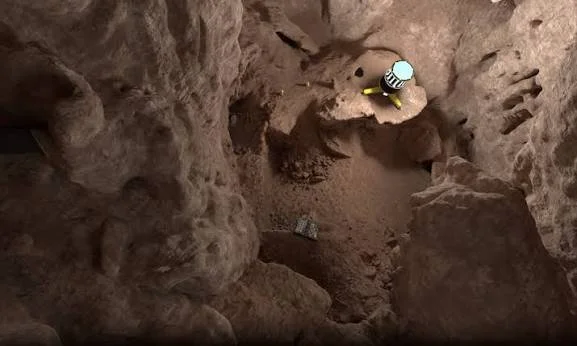
The fossils were recovered from the Dinaledi Chamber, a deep chamber reached through a demanding route. The location of the remains meant that excavation required careful planning, specialised equipment, and a coordinated team capable of working in confined spaces.
The discovery was important not merely because of the number of bones, but because the assemblage included remains from multiple individuals and several parts of the skeleton. Such a collection allows researchers to examine anatomical variation and compare features across different parts of the body.
The cave’s physical structure also became central to interpreting the fossils. Researchers had to consider how individuals or skeletal remains could have entered the chamber, whether the deposits had been disturbed, and how the remains were preserved over time.
The Anatomy of Homo naledi
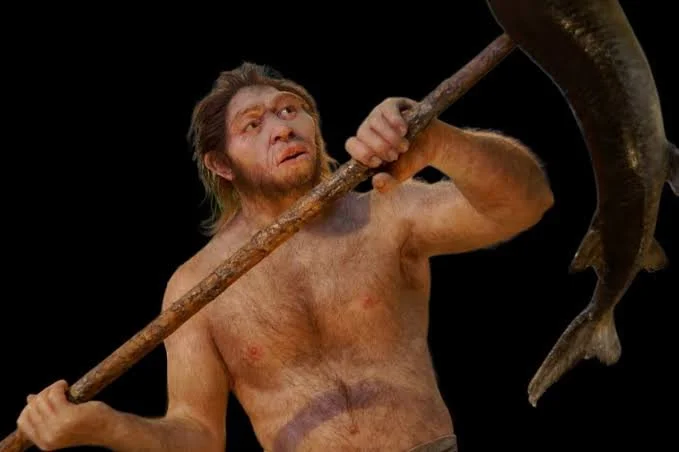
Homo naledi displays a distinctive combination of anatomical features. Its brain was relatively small compared with that of modern humans, while its hands, feet, shoulders, and lower limbs displayed a mixture of traits that researchers interpret in relation to climbing, walking, and manipulating objects.
The hand has attracted particular attention because it combines features associated with forceful gripping and characteristics compatible with tool-related manipulation. The foot and lower limb also contain features consistent with habitual bipedal movement.
These combinations challenge simplistic accounts of human evolution. Evolution does not necessarily replace every ancestral characteristic at the same time. Different parts of the body can change at different rates as populations adapt to changing ecological and behavioural demands.
The anatomy of Homo naledi therefore demonstrates that the evolutionary history of the human lineage involved a wider range of body forms than a straightforward sequence from small-brained ancestors to modern humans would suggest.
Dating and the Species’ Place in Human Evolution
The age of Homo naledi was a major question following the discovery. The fossils were dated to the Middle Pleistocene, approximately 335,000 to 236,000 years ago, based on published dating research.
This age range was surprising because the species retained a number of relatively small-brained and anatomically distinctive features during a period when early forms of Homo sapiens were also evolving in Africa.
The discovery reinforced the idea that several hominin populations with different anatomical characteristics existed during overlapping periods. Human evolution was not a single-file procession in which one form disappeared before another emerged.
Dating a cave assemblage requires careful consideration of the relationship between fossils, sediment, and minerals. Researchers use several analytical methods and evaluate whether they date the fossil itself or materials associated with its burial. The resulting chronology must be interpreted within the broader geological history of the cave.
The Question of Deliberate Body Disposal
One of the most debated aspects of Rising Star concerns the accumulation of Homo naledi remains in the Dinaledi Chamber. The number and distribution of the bones led researchers to investigate whether the bodies had been deliberately placed in the chamber.
The hypothesis is significant because deliberate body disposal is sometimes associated with complex social behaviour and attitudes toward death. However, it is essential to distinguish between a hypothesis and a demonstrated conclusion.
Alternative explanations must be examined, including natural movement through the cave, accidental entry, water transport, and other processes capable of accumulating remains. Researchers consider the chamber’s accessibility, the condition of the bones, the sedimentary context, and evidence for disturbance.
Even if deliberate placement were established, it would not automatically demonstrate ritual burial, religious belief, or a symbolic concept of an afterlife. Those interpretations require evidence beyond the mere presence of multiple bodies in one location.
The debate illustrates a broader principle in archaeology: unusual evidence can support several possible explanations, and researchers must test those explanations against the physical record.
What the Cave Can Tell Us About Behaviour
The anatomy of Homo naledi has prompted discussion about the relationship between brain size and behaviour. Researchers have investigated whether a relatively small-brained hominin might have possessed more complex behavioural abilities than older models of human evolution would predict.
However, brain size alone cannot establish the full cognitive capacities of an extinct species. Behaviour is shaped by multiple factors, including neural organisation, learning, ecology, social interaction, and the opportunities provided by the environment.
Claims about tool production, controlled fire, engravings, or other activities must be evaluated separately. Evidence found within a cave must be securely dated and associated with the species before it can be used to reconstruct Homo naledi behaviour.
This distinction matters because a discovery’s proximity to hominin fossils does not automatically prove that the same species produced it.
Scientific and Ethical Significance
Rising Star has demonstrated the value of collaborative research. Palaeoanthropologists, geologists, archaeologists, cavers, imaging specialists, and other researchers contributed to the investigation of the fossil system.
The site also highlights the importance of responsible fossil stewardship. Human evolutionary remains are scientifically irreplaceable, and excavation must balance the need for knowledge with preservation, documentation, and appropriate curation.
South Africa’s fossil heritage is also connected to the country’s broader cultural and scientific history. Research should therefore acknowledge the institutions, local communities, technical teams, and researchers whose work makes these discoveries possible.
Conclusion
Rising Star Cave has changed discussions about the diversity of the human evolutionary family. The discovery of Homo naledi revealed a hominin with a distinctive combination of anatomical features and a chronology that places it among other hominin populations living during the Middle Pleistocene.
The cave’s deep chambers also provide an important case study in how researchers interpret unusual fossil accumulations. Questions about deliberate body disposal and complex behaviour remain dependent on evidence and careful analysis.
Ultimately, Rising Star demonstrates that the human evolutionary story is more diverse and complicated than once imagined. Its greatest contribution lies not in providing a simple answer to human origins, but in creating new scientific questions that can be tested through anatomy, geology, chronology, and archaeological investigation.