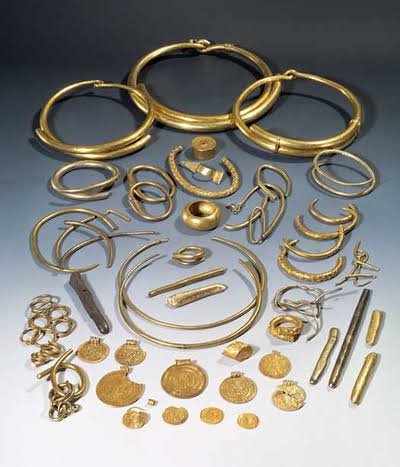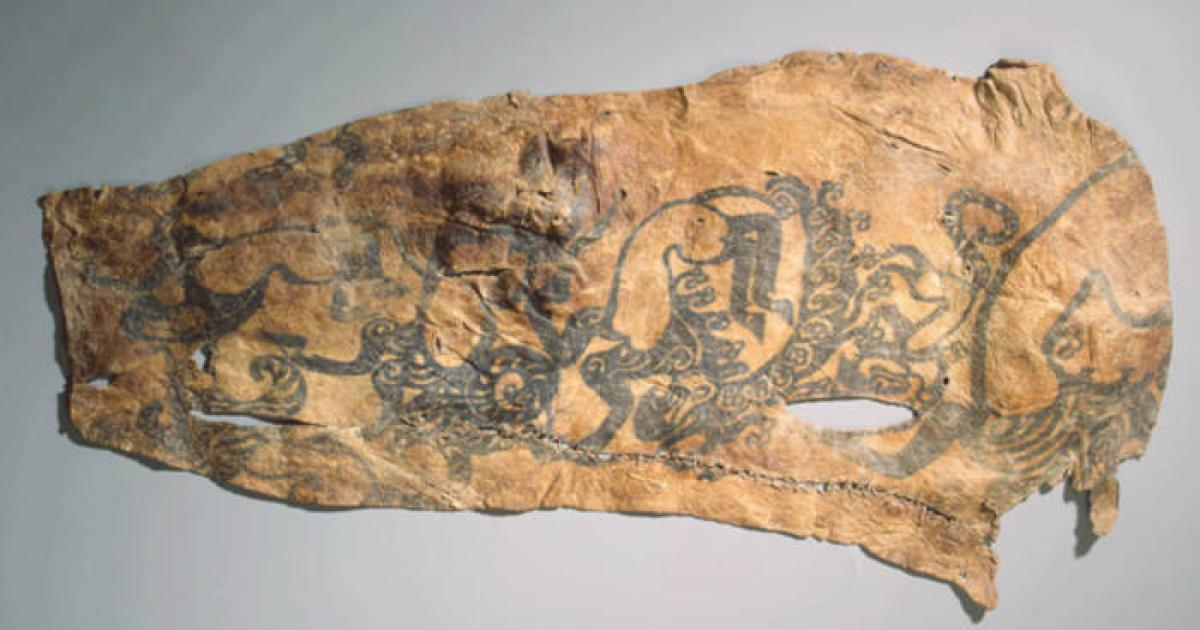
In the frozen, high-altitude Altai Mountains of Siberia, the permafrost has acted as a natural cryogenic freezer for millennia, preserving the mummified bodies of Scythian Pazyryk nomads for over 2,500 years. These Iron Age horse warriors have long fascinated researchers due to their extensive, elaborate body art—highly complex tattoos featuring coiling, fantastic beasts, stags with blossoming, hyper-extended antlers, and predatory felines locked in combat across their limbs.
                  [ THE PAZYRYK MUMMY PERMAPROST ]
                                 │
        ┌────────────────────────┴────────────────────────┐
        ▼                                                 ▼
[ THE RECONSTRUCTED ART ]                       [ THE ZOONOTIC DNA DECODING ]
* Coiling, fantastical beasts                    * Specific regional horse breeds mapped
* Highly abstract predatory felines             * Micro-pathogens & diet isotopes traced
* Intricate zoomorphic body contours            * Trans-Eurasian trade routes verified
Recently, geneticists and digital archaeologists successfully extracted deep-layer skin, hair, and ink DNA from the frozen mummies, decoding the biological and sociological context behind this ancient body art. The zoomorphic designs were not merely decorative or meant for personal vanity; the DNA profiles reveal a strict kinship and genealogical mapping system.
The Biological Blueprint of Nomad Art
By extracting the genetic material preserved directly inside the soot-and-tallow ink of the tattoos, scientists uncovered remarkable data:
Lineage Tracking: Specific animal motifs corresponded directly to distinct genetic lineages, regional horse-breeding pools, and specific tribal haplogroups. A warrior with a specific deer motif on their shoulder shared a distinct genetic marker with a lineage tracking thousands of miles away.
Migratory Isotope Mapping: Tracking the microscopic plant pathogens and water isotopes trapped within the tattoo ink has allowed scientists to reconstruct the exact seasonal migratory routes of these nomads.
The Trans-Eurasian Web: The data proves that their artistic choices tracked a sprawling trade network that connected the borders of early Warring States China directly to the Greek colonies of the Black Sea, turning the human body into a walking, living passport of tribal identity and geographical history.
The Technology of the Needle
The physical application of these tattoos required an incredible level of physiological endurance and specialized tools. Microscopic skin analysis reveals that the Pazyryk tattooists did not use simple bone needles; instead, they deployed fine bronze awls and multi-pronged needles capable of puncturing the skin at high frequencies without tearing the dermis. The ink itself was a sophisticated concoction of fine soot collected from the burning of specific sacred woods—such as larch and birch—mixed with animal fat and, occasionally, copper oxides to give the tattoos a striking, iridescent blue-green hue beneath the skin.
The distribution of the tattoos across the bodies of both male and female mummies shows a strict anatomical hierarchy. The ink almost always began on the right shoulder, cascading down the arms, across the chest, and finally wrapping around the lower legs.
Interestingly, many of these tattoos are placed directly over major acupuncture meridians and joint junctions, suggesting that the art served a dual purpose: it was a visual badge of honor and a therapeutic treatment designed to alleviate chronic osteoarthritis brought on by a lifetime of riding horses through freezing mountain passes.
The animal designs themselves—frequently depicting a creature known as the "Scythian Animal Style," where a stag's antlers transform into a cluster of predatory birds' heads—reflect a deeply animistic worldview. These nomads believed that by permanently binding the images of these swift, aggressive beasts to their flesh, they could physically absorb the speed, vision, and predatory instincts of the animals.
When a Scythian warrior died, their tattoos were carefully preserved by their kin through a complex mummification process that involved removing the internal organs and replacing them with aromatic herbs and pine needles, ensuring that their visual, inked identity would remain intact as they rode into the eternal pastures of the afterlife.