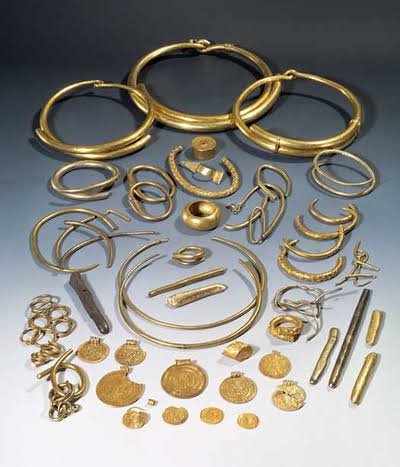
For millennia, Tartessos existed in the twilight zone between myth, literature, and reality. Mentioned in the Hebrew Bible as the immensely wealthy silver port of Tarshish and linked by classical Greek historians like Herodotus to the legendary, long-lived king Arganthonios and his boundless riches of gold, copper, and silver, this civilization completely vanished from the historical record around the 6th century BCE. A series of massive, ongoing excavations in the Guadalquivir and Guadiana valleys of southern Spain have finally pulled Tartessos out of the realm of legend and into clear archaeological view.
The latest excavations have exposed a series of monumental, multi-story mudbrick and stone sanctuaries—most notably the site of Casas del Turuñuelo—that completely redefine the Western Mediterranean Bronze and Iron Ages. The architecture reveals a brilliant, hybrid civilization that was far more than a simple collection of farming villages.
The Architectural and Economic Empire
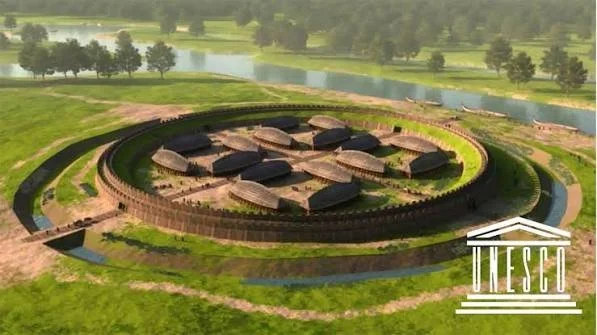
The unearthed Tartessian palaces feature sophisticated architectural techniques that were previously thought to be completely absent from Western Europe during this era:
The Architectural Fusion: The structural layouts, advanced ashlar masonry, and elite ivory carvings show direct influence from Phoenician maritime merchants who had sailed from the Levant. Tartessos absorbed these Near Eastern techniques and upscaled them.
The Indigenous Scale: The massive size of the palaces, featuring a monumental courtyard with a multi-step stone staircase, and unique geometric stone reliefs depicting human faces, prove it was a distinct, highly organized indigenous Iberian empire.
Tartessos managed a lucrative economic empire by controlling the rich silver mines of Huelva and the tin trade of the Atlantic, acting as the primary metallurgical melting pot of the ancient world. The discovery of these massive, burnt-down architectural complexes reveals a dramatic, ritualistic end.
The Hecatomb and the Ashes of Turuñuelo
The definitive phase of Casas del Turuñuelo occurred at the end of the 5th century BCE, a period marked by massive geopolitical shifts across the Iberian peninsula. The excavation of the central courtyard revealed a scene of breathtaking, apocalyptic ritual.
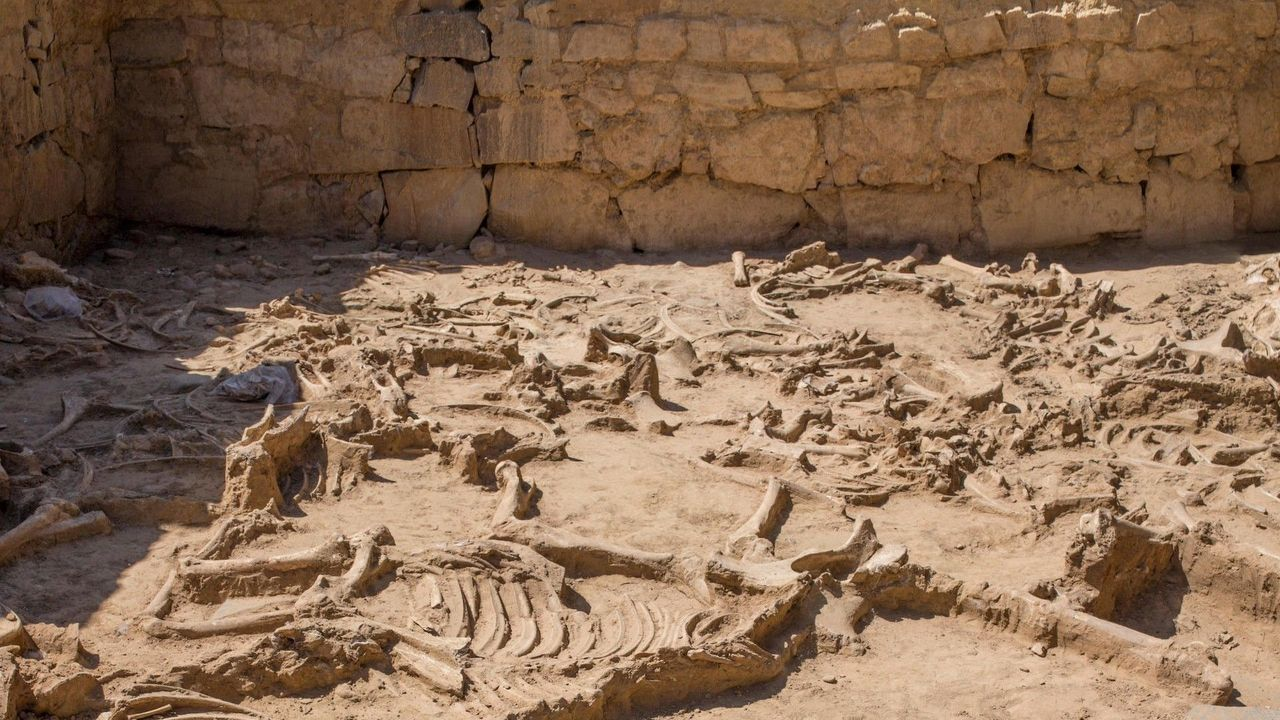
Archaeologists uncovered the remains of a massive hecatomb—the systematic sacrifice of over 50 valuable horses, donkeys, and cattle. The animals were arranged in a precise, deliberate layout across the flagstone patio, their bodies showing no signs of battlefield trauma, but rather precision slaughter indicating an elite religious offering.
Following this massive sacrifice, the Tartessians held an enormous communal feast, consuming vast quantities of wine, Mediterranean fish, and wild game, as evidenced by thousands of discarded bones and broken amphorae. Then, rather than defending their monumental palace from encroaching Carthaginian or Celtic forces, the Tartessians made a radical, collective decision.
They gathered their most prestigious luxury imports—including a magnificent, fluted ritual altar made of Proconessian marble imported from Asia Minor and fine female statues crafted from Attic Pentelic marble—and smashed them within the sanctuary.
They then set the entire multi-story mudbrick complex on fire. The intense heat baked the mudbrick walls into solid ceramic, preserving the structural architecture.
Before the ashes could cool, the entire smoking ruin was intentionally buried under a massive, artificial clay mound measuring over 30 meters in diameter, completely sealing the site from the outside world. This intentional, self-inflicted destruction acted as a giant cultural reset button. By burying their wealth rather than surrendering it, the Tartessians transformed their greatest architectural achievement into an eternal, underground monument, leaving behind an pristine archaeological time capsule that is fundamentally rewriting the economic and artistic history of Western Europe.