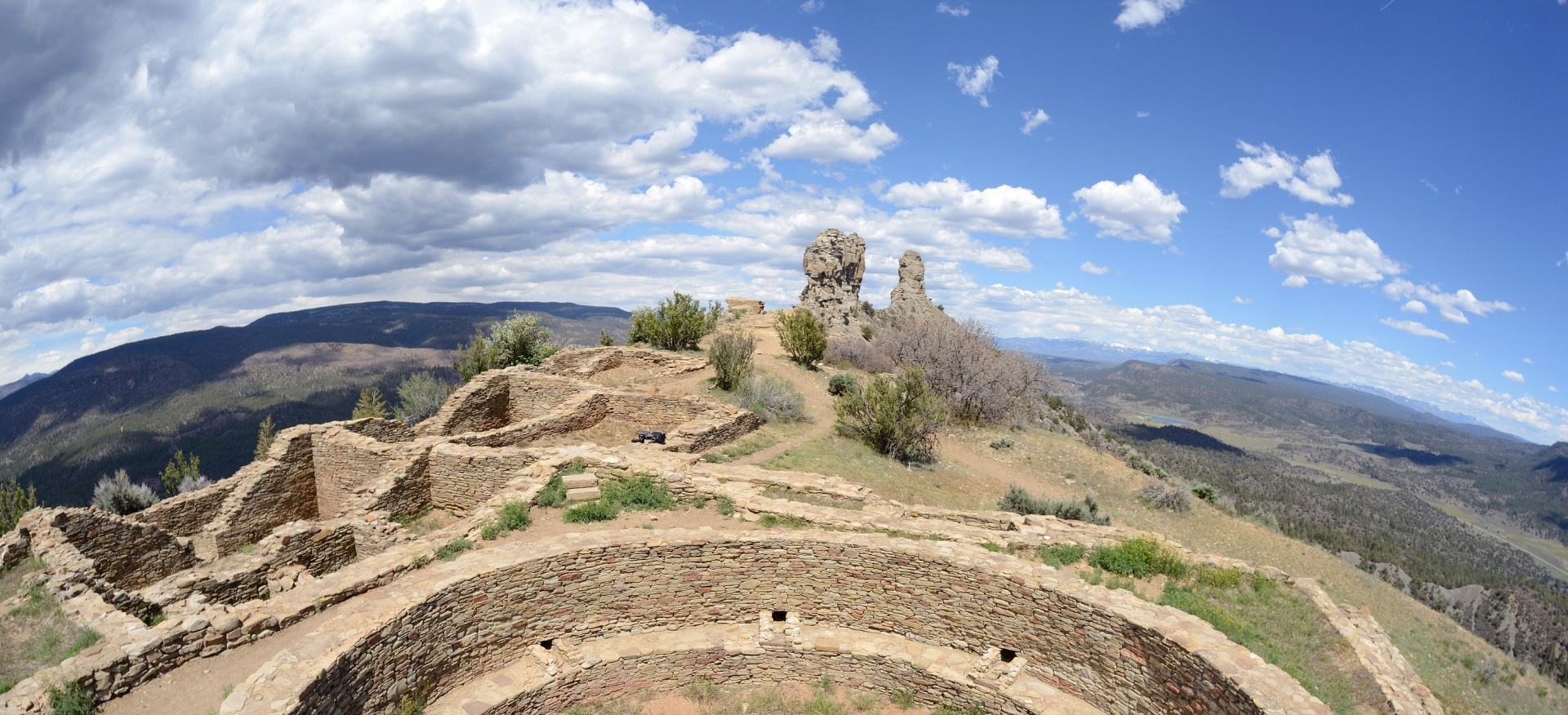
Nestled within the rugged Zagros Mountains of Iraqi Kurdistan, Shanidar Cave is the emotional ground zero of Neanderthal behavioral research. Excavated by Ralph Solecki in the 1950s, the site recovered nine Neanderthal skeletons buried within deep layers of cave silt.
It was Shanidar 4, an adult male dating to roughly 60,000 years ago, that forever humanized the Neanderthals, challenging the deeply entrenched Western stereotype of these hominins as brutal, unfeeling beasts.
[ REJECTED HISTORICAL STEREOTYPE ] ──► Brutish, Cold-Blooded Apemen Lacking Empathy
                                                   │
                                     (The Palynological Scan)
                                                   │
                                                   ▼
[ MODERN REHABILITATED MODEL ] ───────► Complex Mortuary Rituals with Floral Offerings
The Flower Burial Evidence
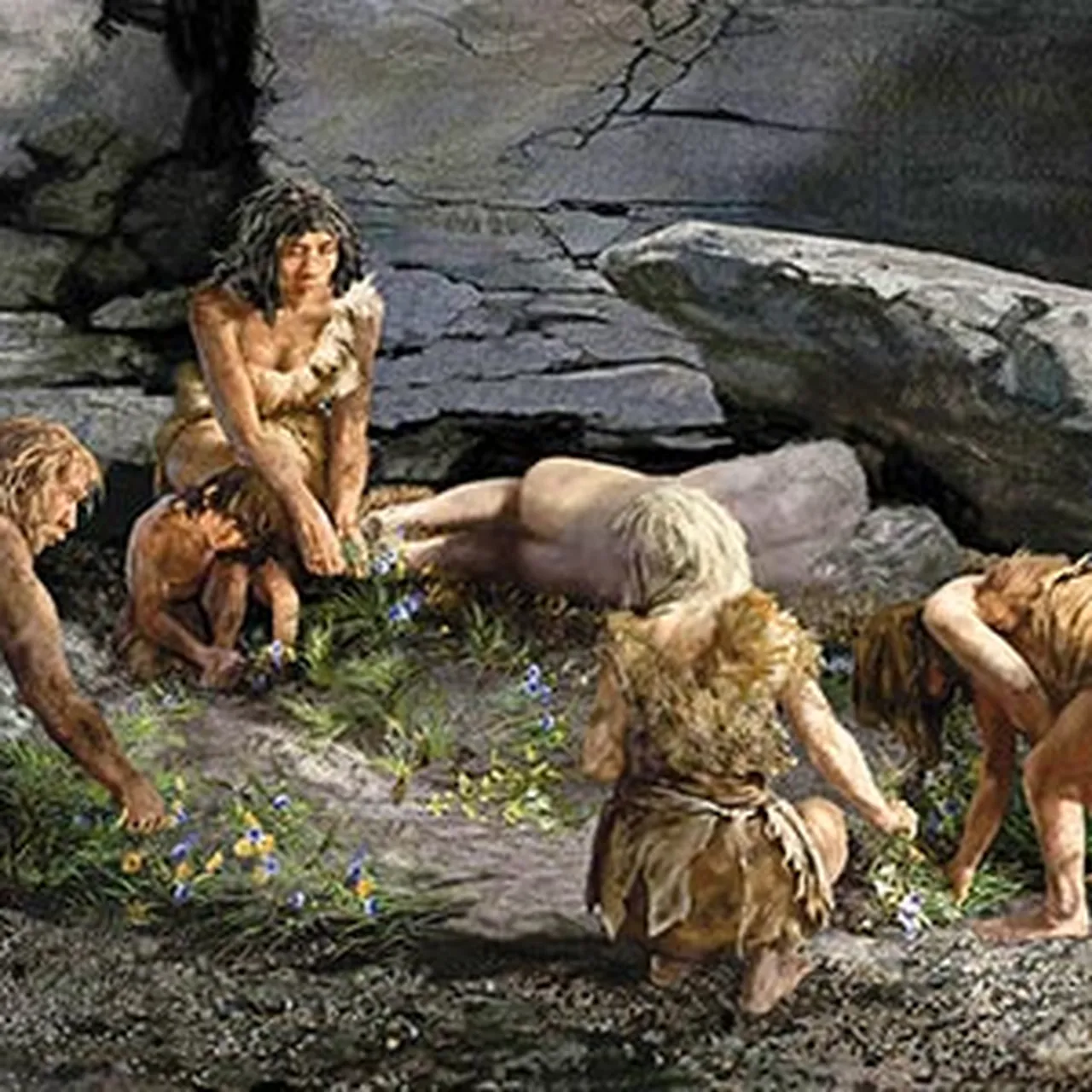
During the extraction of the Shanidar 4 skeleton, Solecki collected soil samples from immediately around and beneath the bones. These samples were sent to a French palynologist, Arlette Leroi-Gourhan, who discovered an extraordinary anomaly: the soil was heavily saturated with dense clusters of fossilized plant pollen derived from specific species of wild colorful flowers, including yarrow, cornflower, groundsel, and grape hyacinth.
Crucially, these pollens were not scattered randomly across the cave floor; they were concentrated in direct contact with the skeleton, leading Solecki to declare that 60,000 years ago, a Neanderthal band had climbed into the mountains, systematically gathered armfuls of bright wild flowers, and woven them into a delicate funeral bed for their deceased kin.
The Skeletal Archive of Compassion: Shanidar 1
The theme of intense social empathy is independently confirmed by Shanidar 1, an elderly Neanderthal male who lived to the remarkable age of 40 despite suffering a cascade of horrific, debilitating injuries:
Crushing Cranial Trauma: A massive impact to the left side of his face had completely fractured his eye orbit, likely leaving him permanently blind in one eye.
Amputation and Paralysis: His right arm was severely withered and fractured in multiple places, ending in a completely healed, smooth stump where his lower arm had been successfully amputated or withered away.
Deformity: He suffered from advanced degenerative joint disease in his legs and feet, making independent locomotion excruciatingly painful.
Shanidar 1 could not hunt, run, or manufacture complex tools. Yet, his bones show that his severe injuries had completely healed decades before his death.
His survival proves that the Shanidar Neanderthals did not abandon the weak; they spent decades carrying him, cleaning his wounds, mashing his food, and protecting him from predators, providing undeniable, deep-layer proof that the capacity for profound empathy and healthcare is an ancient, shared hominin trait.