Sheikh is a historic settlement in Somaliland's Sahil region whose location in the highlands made it an important center of settlement, religious activity, and regional political organization.
The description “Somali Sultanate Capital” should be used with some caution because the political history of the Sheikh area involved changing local authorities, religious institutions, and regional power structures rather than a single uninterrupted capital.
Nevertheless, Sheikh provides an important setting for understanding the development of Somali political and religious communities before and during the colonial period.
The Highlands of Sheikh
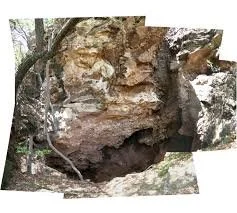
Sheikh lies within a mountainous and elevated environment.
Compared with the surrounding lowlands, highland areas can offer:
cooler temperatures;
different grazing conditions;
seasonal water advantages;
and defensible locations.
These environmental characteristics encouraged settlement.
Somali Political Organization
Somali political organization historically operated through complex networks of:
clans;
lineage groups;
sultanates;
religious authorities;
and local leaders.
Political authority was often decentralized.
A ruler's influence could depend on alliances, kinship relationships, control over trade, and religious legitimacy.
The Sultanates
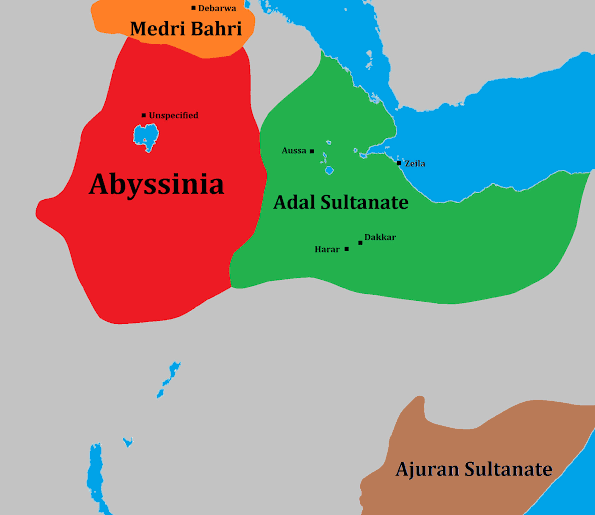
Several Somali sultanates emerged across the Horn of Africa during the medieval and early modern periods.
These states varied considerably in size and political structure.
Some controlled important caravan routes.
Others exercised authority over pastoral territories and coastal trade.
Their power depended heavily on relationships with surrounding communities.
Islam and Political Legitimacy
Islam became an important part of Somali political culture.
Religious scholars and leaders could possess considerable influence.
Political rulers could reinforce their legitimacy through relationships with:
Islamic scholars;
mosques;
religious schools;
and Sufi communities.
Sheikh as a Religious Center
The settlement became particularly associated with Islamic scholarship and education.
Religious centers served multiple functions.
They could provide:
Quranic education;
legal instruction;
manuscript preservation;
community leadership;
and spiritual guidance.
The Importance of Education
Islamic education played a major role in preserving literacy within Somali society.
Students could learn:
Quranic recitation;
Arabic;
Islamic law;
theology;
and religious poetry.
Written texts connected local scholars to intellectual traditions extending across the Red Sea and Islamic world.
Trade and Highland Settlements
Sheikh's location also placed it within broader regional movement.
Caravan routes connected highland settlements with:
coastal ports;
pastoral areas;
and inland markets.
Goods moved through these networks in both directions.
Colonial Encounters
During the nineteenth and early twentieth centuries, European colonial powers increasingly sought control over the Horn of Africa.
British influence expanded in northern Somalia.
Colonial administration altered existing political relationships.
Local leaders and religious authorities had to negotiate, cooperate, or resist changing political structures.
The Dervish Era
The early twentieth century saw the emergence of the Dervish movement led by Sayyid Mohammed Abdullah Hassan.
The movement opposed British, Ethiopian, and Italian colonial expansion in different contexts.
The conflict transformed political geography across northern Somalia.
Why Sheikh Matters
Sheikh provides insight into the intersection of:
Somali political organization;
Islamic scholarship;
pastoral economies;
caravan networks;
and colonial transformation.
Conclusion
Sheikh's history reflects the complexity of Somali political and religious development.
Rather than viewing the region simply through the idea of a single centralized “sultanate capital,” it is more accurate to see Sheikh as part of a network of settlements, religious institutions, and political authorities that shaped northern Somali society.
Its highland location and religious traditions helped make it an important center in the historical landscape of Somaliland.