Introduction
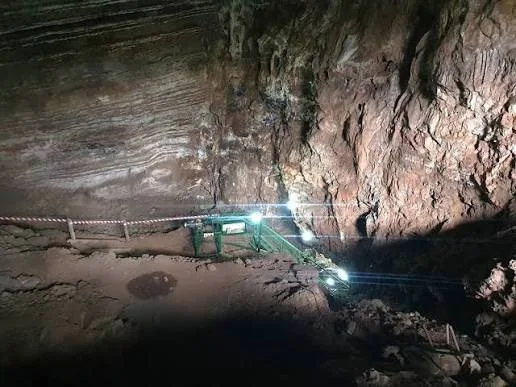
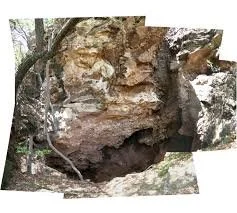
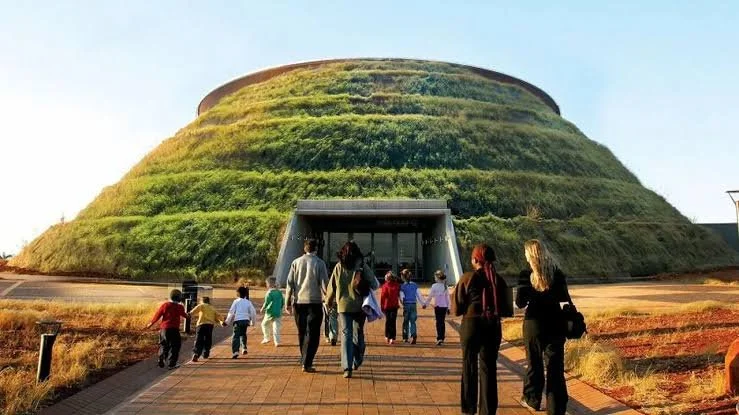
Swartkrans, a major fossil-bearing cave site in South Africa’s Cradle of Humankind, has played an important role in research on early hominins, stone tools, animal fossils, and the development of human behaviour. Its deposits preserve evidence of several ancient mammal species and hominin groups, making the site valuable for investigating the biological and cultural changes that took place during the early Pleistocene.
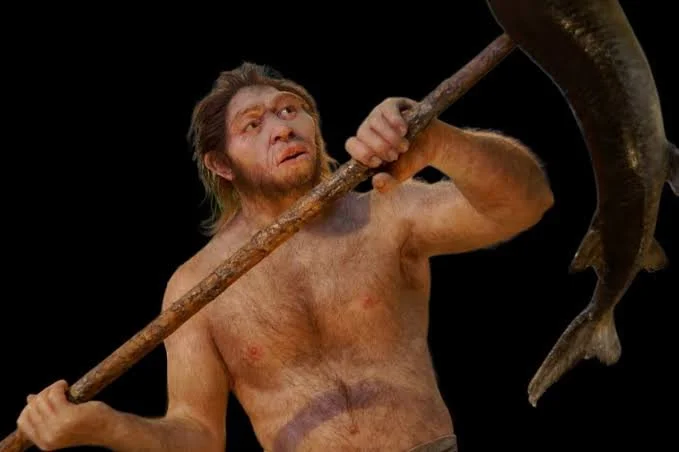
The title “Homo erectus Fire Use” refers to a significant question in human evolutionary research: when did early humans begin to control fire, and which hominin species were responsible? This question requires careful treatment. Swartkrans has produced evidence often discussed in relation to early fire use, including burned bones, but burned material alone does not establish that Homo erectus deliberately maintained a fire.
The site is therefore important not only for the evidence it contains, but also for the methodological challenges involved in distinguishing natural burning from controlled fire and associating archaeological evidence with a particular hominin species.
The Formation of Swartkrans Cave
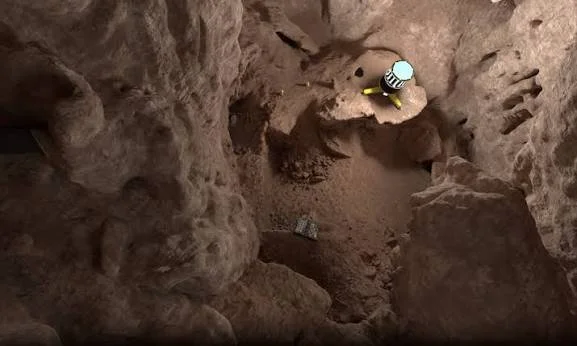
Swartkrans formed within the dolomitic geology of the Cradle of Humankind. Water gradually dissolved portions of the bedrock, creating cavities that later received sediment, bones, and other materials. Over time, mineral deposits cemented some of this material into fossil-bearing breccia.
Cave deposits may form through multiple processes. Animals can fall into openings, predators can transport prey, and water can carry bones and sediment into underground spaces. The remains may then be buried, mineralised, or disturbed by later geological events.
Consequently, a cave assemblage does not necessarily represent a single moment in time. Different layers can preserve separate episodes of animal activity and hominin occupation. Establishing these relationships is essential before researchers can connect a tool, burned bone, or fossil with a specific species or behaviour.
At Swartkrans, the combination of geological evidence, faunal remains, and hominin fossils has made the site particularly useful for studying the early Pleistocene history of southern Africa.
The Hominins of Swartkrans
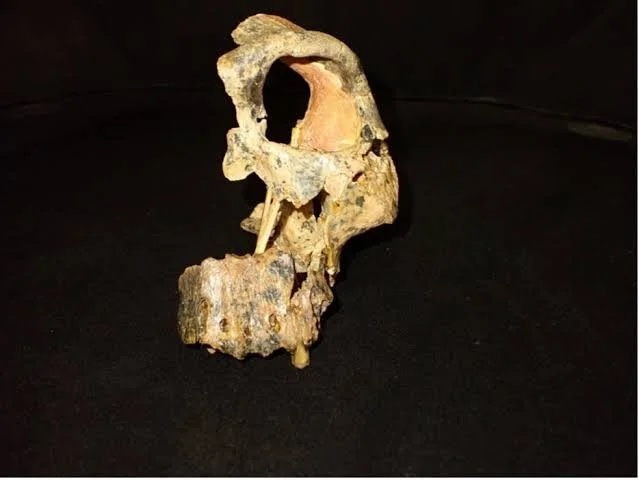
Swartkrans is associated with fossils of Paranthropus robustus, an extinct hominin distinguished by robust jaws, large chewing teeth, and cranial features related to powerful chewing muscles. The site has also contributed to the study of early members of the genus Homo.
The distinction between Paranthropus and Homo is important. Both belonged to the human evolutionary family, but they followed different evolutionary trajectories. Paranthropus robustus possessed anatomical adaptations associated with heavy chewing, while early Homo species are often studied in connection with changes in body proportions, diet, brain size, and technological behaviour.
The discovery of multiple hominin forms in the broader region demonstrates that human evolution was not a simple linear progression in which one species immediately replaced another. Different hominin populations overlapped in time, and their evolutionary relationships remain subjects of ongoing investigation.
However, fossils of different species found within a broad site do not automatically demonstrate that those species interacted directly. Researchers must establish the age and stratigraphic relationship of individual specimens before reconstructing their possible relationships.
Evidence for Early Fire Use
Fire transformed the possibilities available to early human populations. Controlled fire can provide warmth, protection, light, and opportunities to cook food. Cooking may make certain foods easier to chew and digest, while fire can also help people process materials and occupy environments that would otherwise be difficult to inhabit.
At Swartkrans, burned bone fragments have been discussed as possible evidence of early fire use. Such evidence is scientifically significant, but its interpretation is challenging. Bones can be burned in natural grassland fires, and they may be transported into caves after burning. The presence of heat-altered material must therefore be evaluated alongside its archaeological context.
Researchers investigate colour changes, microscopic alterations, mineral transformations, and the distribution of burned material. They also examine whether the material occurs in a pattern consistent with repeated burning in a confined location. Evidence from hearth structures, ash deposits, and spatially concentrated burned remains can strengthen an argument for controlled fire, although preservation conditions may prevent such features from surviving.
The distinction between exposure to fire and deliberate fire management is crucial. A burned bone shows that the bone experienced heat, but it does not by itself prove that a hominin made or maintained the fire.
Why Attributing Fire to Homo erectus Is Difficult
The title associates Swartkrans with Homo erectus, but the identification of a particular fire-making or fire-using species requires a secure connection between the evidence and the hominin remains.
Archaeological layers can contain materials deposited at different times, and the cave’s formation history may complicate the relationship between bones and burned material. Even when a deposit contains evidence of both hominins and fire, it may be impossible to determine which species was responsible.
Researchers must also distinguish between the ability to use naturally occurring fire and the ability to create fire deliberately. Early hominins could potentially have maintained or transported naturally ignited fire before developing reliable methods of ignition. These behaviours would leave different archaeological signatures, and not all are equally easy to identify.
The study of early fire use therefore relies on a combination of archaeological context, experimental research, geochemistry, and chronological analysis. Claims about the earliest fire use must be evaluated against evidence from other sites as well.
Fire, Diet, and Social Life
If early hominins controlled fire, the consequences could have extended beyond warmth and protection. Cooking could have changed food processing and the time required to chew certain foods. Firelight may have extended activity into darker hours, while a maintained hearth could have created a focal point for social interaction.
However, these possibilities should not be confused with direct evidence from Swartkrans. Burned remains alone cannot reveal whether individuals gathered around a hearth, shared cooked meals, or used fire to coordinate group activities. Such interpretations require broader evidence and must remain cautious.
The site contributes to the larger debate by providing material that researchers can compare with evidence from other archaeological localities. This comparative approach is necessary because fire preservation is uneven, and the earliest traces of controlled fire may be difficult to recognise.
Scientific Importance and Future Research
Swartkrans illustrates the importance of interdisciplinary research. Palaeoanthropologists study hominin anatomy, archaeologists investigate material culture, geologists reconstruct cave formation, and specialists in ancient environments examine animal fossils and sediment chemistry.
Improved dating methods and more detailed analyses of burned material can refine interpretations of the site. Researchers may also use microscopic and chemical techniques to distinguish different kinds of heat exposure and investigate whether burning occurred before or after a bone entered the cave.
These methods do not eliminate uncertainty, but they make it possible to test competing explanations more systematically.
Conclusion
Swartkrans is an important site for studying early hominins and the possible development of fire-related behaviour in southern Africa. Its burned bone evidence contributes to a major question in human evolution, but the attribution of deliberate fire use to Homo erectus must remain dependent on the strength of the archaeological association.
The wider lesson is that significant evolutionary discoveries often emerge through careful interpretation rather than dramatic claims. Swartkrans helps researchers explore how early hominins interacted with their environments and how technological behaviours may have developed over time. Its evidence remains valuable precisely because it can be investigated, compared, and reassessed as new analytical methods become available.