Introduction
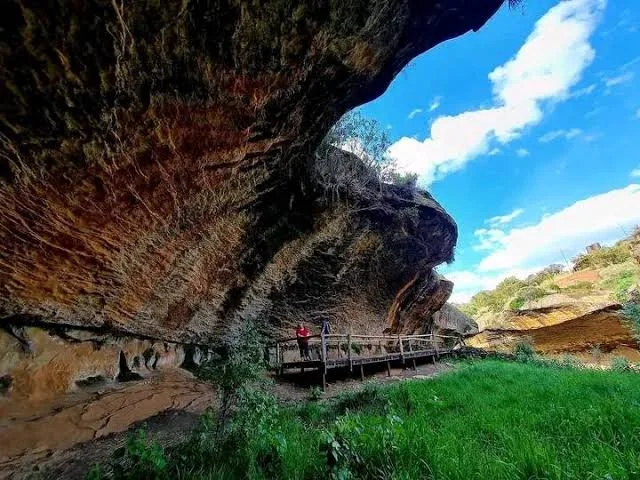
The highlands of Lesotho contain a dramatic landscape of mountains, valleys, rock faces, and caves. These geological features have influenced human movement and settlement by providing shelter, access to natural resources, and routes through difficult terrain. The title Thaba-Tseka: Lesotho's Highland Caves offers an opportunity to examine how caves may preserve evidence of earlier communities and how they fit into the wider environmental and cultural history of the region.
Not every cave contains archaeological material, and a cave's presence does not prove that it was permanently inhabited. Some caves may have been used briefly, while others could have served as shelters, livestock refuges, places of cultural importance, or locations visited for specific activities. Their interpretation depends on archaeological and historical evidence.
How Caves Form
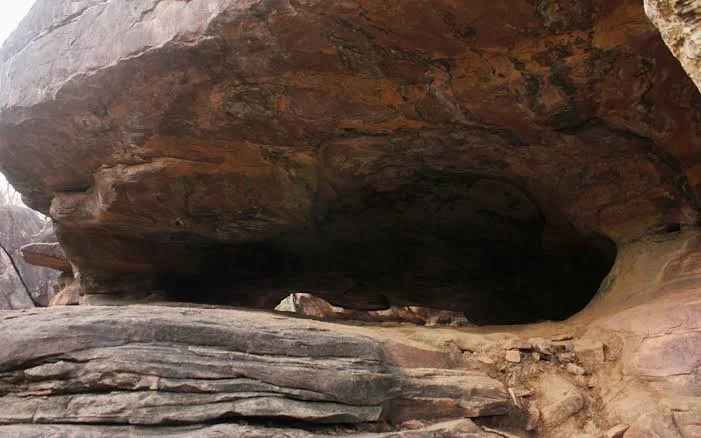
Caves develop through different geological processes. Some form when water gradually dissolves soluble rock, while others result from fractures, weathering, erosion, or the movement of rock masses. The type of rock and the local geological history determine the size, shape, and stability of a cave.
The highland landscape of Lesotho includes substantial areas of sedimentary and volcanic rock. The formation of a particular cave therefore depends on its local geology rather than on a single process that applies to every cave in the country.
Caves can continue to change after they form. Water may deposit minerals, enlarge cracks, transport sediment, or cause sections of the roof to collapse. These processes influence whether archaeological deposits survive and how easily they can be interpreted.
Why People Used Caves
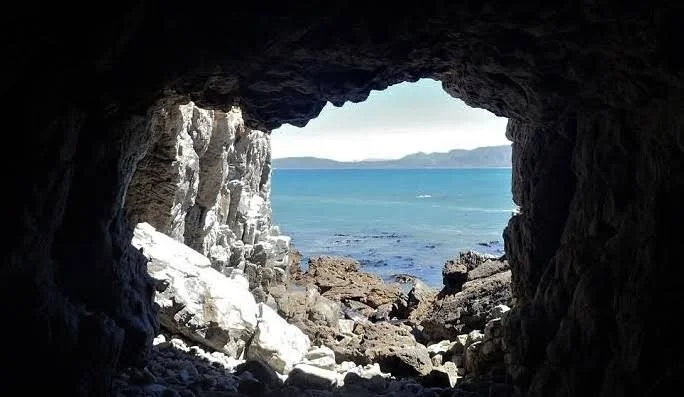
Caves and rock shelters can offer protection from wind, rain, and direct sunlight. Their usefulness depends on factors such as the size of the entrance, the depth of the shelter, drainage, temperature, and access to nearby water.
A cave close to grazing areas, wild foods, or a travel route might provide a convenient stopping place. Another cave may be unsuitable for domestic use because it is damp, unstable, difficult to reach, or poorly ventilated.
Caves could also serve different purposes at different times. A location used for temporary shelter by one group might later become a place for livestock, a storage area, or a site associated with cultural practices. Archaeologists must therefore consider the possibility of repeated use and changing functions.
Archaeological Evidence Inside Caves
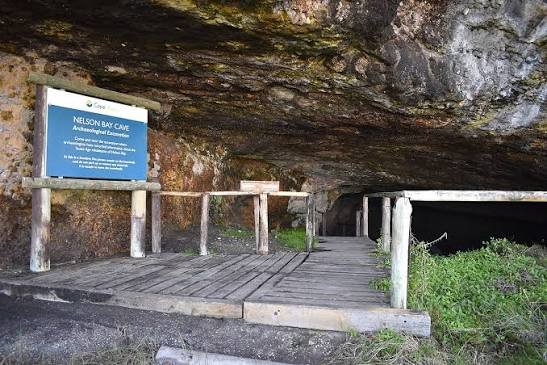
Caves can preserve several kinds of archaeological material. Hearths may leave charcoal and ash, while food preparation can produce animal bones, plant remains, and stone tools. Pottery fragments or metal objects may appear in deposits associated with later occupation.
The survival of these materials depends on the cave's environment. Dry conditions may preserve some organic materials, while moisture and chemical activity can destroy others. Animal activity, sediment movement, and later human visits can also disturb deposits.
An artefact's position within a cave is essential to its interpretation. Objects found in an undisturbed layer can provide stronger chronological evidence than objects scattered on the floor or exposed near the entrance.
A cave may contain several layers representing different periods of activity. Careful excavation can help establish whether people used the cave repeatedly and whether their activities changed over time.
Caves and San Rock Art
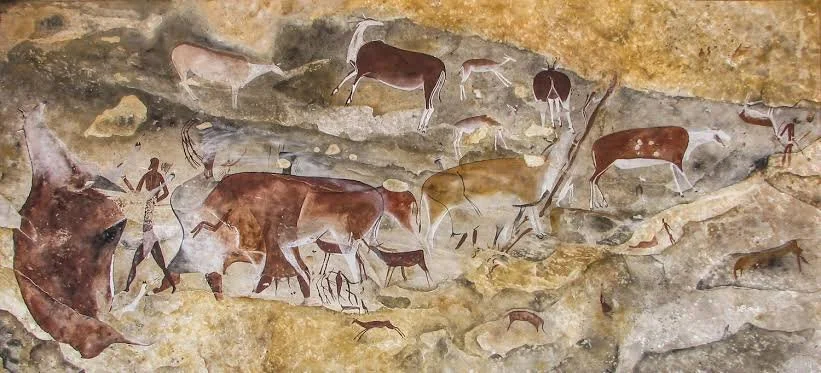
Some caves and rock shelters in Southern Africa contain San rock paintings, which form an important part of the region's cultural heritage. These paintings may depict animals, people, and other figures, but their meanings cannot always be established from visual appearance alone.
San rock art has been interpreted through archaeological analysis, ethnography, and research involving San knowledge holders. Some images have been discussed in relation to ritual, healing, altered states of consciousness, and the spiritual significance of animals. These interpretations are not equally applicable to every image or site.
It is important not to assume that all paintings were created for the same purpose or that the meaning of a figure is obvious to a modern viewer. Rock art can have multiple layers of significance, and some knowledge may be culturally restricted.
Contemporary San communities should also be recognized as living communities with diverse histories and identities, rather than being portrayed solely as subjects of ancient archaeology.
Caves and Highland Movement
Caves may provide evidence of how people moved through the highlands. Their locations can be compared with river valleys, passes, grazing areas, and other archaeological sites to investigate patterns of travel and resource use.
A network of shelters may have supported seasonal movement, but this possibility must be tested rather than assumed. Researchers need to establish whether the sites were occupied during the same periods and whether their artefacts suggest related activities.
The surrounding environment can also reveal why a cave was useful. Nearby water sources, natural routes, and accessible resources may help explain the choice of location.
Investigating Caves in Thaba-Tseka
A systematic survey would document cave entrances, dimensions, geological conditions, visible archaeological material, and signs of modern disturbance. Researchers would also record any rock art using appropriate non-invasive methods.
Excavation should be undertaken only when justified and authorized, because digging can permanently alter a site. Where possible, non-invasive recording and environmental analysis can provide useful information while minimizing damage.
Dating methods must be selected according to the materials available. Charcoal, bone, and other organic remains may be suitable for particular techniques, but only when their context and preservation allow reliable results.
Conservation and Responsible Access
Caves can be vulnerable to graffiti, litter, fires, vandalism, and the removal of artefacts. Rock paintings may be damaged by touching, smoke, moisture changes, or inappropriate attempts at cleaning.
Protective measures should be developed with heritage authorities and local communities. Visitors should follow access guidelines, avoid disturbing archaeological deposits, and refrain from applying chemicals or other substances to painted surfaces.
Conclusion
The caves of Thaba-Tseka provide a valuable subject for exploring geology, human movement, shelter, and cultural heritage in Lesotho's highlands. Their importance varies according to the evidence preserved at each location, and no single explanation can account for every cave.
By combining geological study, archaeological survey, scientific dating, and community knowledge, researchers can reconstruct how caves were formed, how people used them, and how their significance changed over time. Protecting these places preserves not only physical evidence but also the possibility of learning more about the many communities that have lived in and moved through Lesotho's highland landscapes.