• MAIN PAGE
  • LATEST NEWS
    • Lost Cities
    • Archaeology's Greatest Finds
    • Underwater Discoveries
    • Greatest Inventions
    • Studies
    • Blog
  • PHILOSOPHY
  • HISTORY
  • RELIGIONS
    • Africa
    • Anatolia
    • Arabian Peninsula
    • Balkan Region
    • China - East Asia
    • Europe
    • Eurasian Steppe
    • Levant
    • Mesopotamia
    • Oceania - SE Asia
    • Pre-Columbian Civilizations of America
    • Iranian Plateau - Central Asia
    • Indus Valley - South Asia
    • Japan
    • The Archaeologist Editor Group
    • Scientific Studies
    • Aegean Prehistory
    • Historical Period
    • Byzantine Middle Ages
    • Predynastic Period
    • Dynastic Period
    • Greco-Roman Egypt
  • Rome
  • PALEONTOLOGY
  • About us
Menu

The Archaeologist

  • MAIN PAGE
  • LATEST NEWS
  • DISCOVERIES
    • Lost Cities
    • Archaeology's Greatest Finds
    • Underwater Discoveries
    • Greatest Inventions
    • Studies
    • Blog
  • PHILOSOPHY
  • HISTORY
  • RELIGIONS
  • World Civilizations
    • Africa
    • Anatolia
    • Arabian Peninsula
    • Balkan Region
    • China - East Asia
    • Europe
    • Eurasian Steppe
    • Levant
    • Mesopotamia
    • Oceania - SE Asia
    • Pre-Columbian Civilizations of America
    • Iranian Plateau - Central Asia
    • Indus Valley - South Asia
    • Japan
    • The Archaeologist Editor Group
    • Scientific Studies
  • GREECE
    • Aegean Prehistory
    • Historical Period
    • Byzantine Middle Ages
  • Egypt
    • Predynastic Period
    • Dynastic Period
    • Greco-Roman Egypt
  • Rome
  • PALEONTOLOGY
  • About us

The Ancient Marble Quarries of Paros

March 10, 2026

Throughout the ancient Mediterranean, marble was one of the most valued materials for sculpture and architecture. Among the finest varieties came from the Greek island of Paros.

Parian marble was prized for its exceptional whiteness and fine crystalline structure. When polished, the stone displayed a subtle translucency that gave sculptures a lifelike appearance. Light could penetrate slightly into the marble surface before reflecting outward, creating a soft glow that enhanced artistic detail.

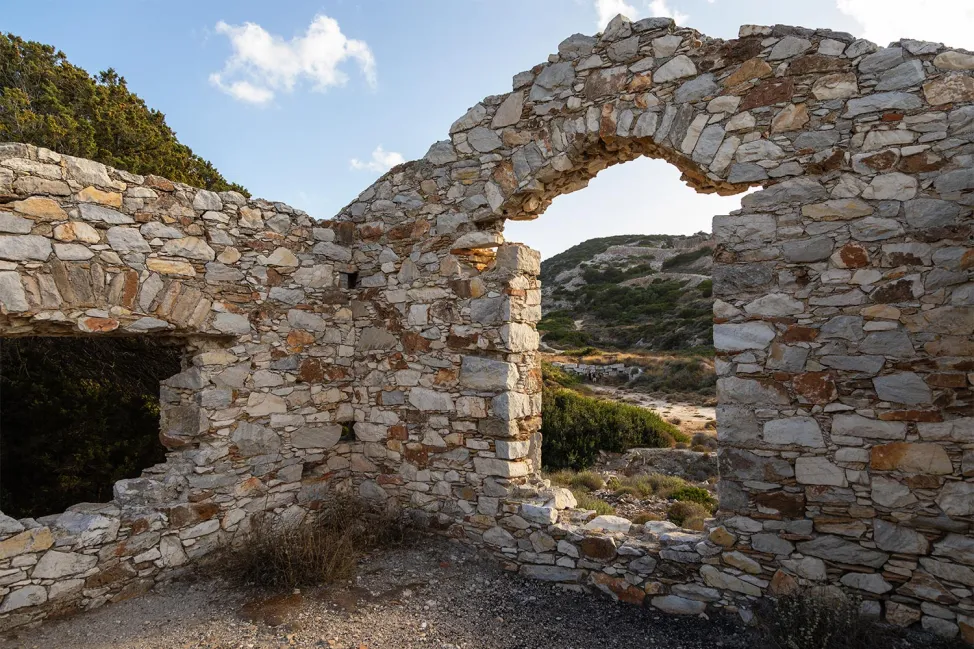
Ancient quarry workers extracted marble from underground chambers carved deep within the island’s mountains. These tunnels followed veins of high-quality stone, allowing workers to remove large blocks while protecting the marble from weather damage.

The extraction process required careful planning. Workers used iron chisels, wooden wedges, and hammers to separate blocks from the rock face. Once removed, the blocks were shaped into rough forms before being transported to coastal ports.

Transporting these massive stones was a major logistical challenge. Teams of workers used sledges, rollers, and draft animals to move blocks across rugged terrain.

Many famous sculptures of classical Greece were carved from Parian marble, including masterpieces that decorated temples and public spaces across the Greek world.

The quarries of Paros therefore played a crucial role in shaping the artistic heritage of ancient Greece.
← The Sea Rafts of Prehistoric OceaniaThe Sacred Honey Cakes of Ancient Greece →
Featured
image_2026-03-10_000946350.png
Mar 10, 2026
The Desert Stone Labyrinths of North Africa
Mar 10, 2026
Read More →
Mar 10, 2026
image_2026-03-10_000906050.png
Mar 10, 2026
The Legendary Horse Breeders of the Caspian Steppe
Mar 10, 2026
Read More →
Mar 10, 2026
image_2026-03-10_000817651.png
Mar 10, 2026
The Oldest Known Wood-Carved Temples
Mar 10, 2026
Read More →
Mar 10, 2026
image_2026-03-10_000653247.png
Mar 10, 2026
The Ritual Snow Festivals of Ancient Siberia
Mar 10, 2026
Read More →
Mar 10, 2026
image_2026-03-10_000510393.png
Mar 10, 2026
The Forgotten Bronze Age Scripts of Europe
Mar 10, 2026
Read More →
Mar 10, 2026
image_2026-03-10_000438167.png
Mar 10, 2026
The First Industrial Workshops of Rome
Mar 10, 2026
Read More →
Mar 10, 2026
read more

Powered by The archaeologist