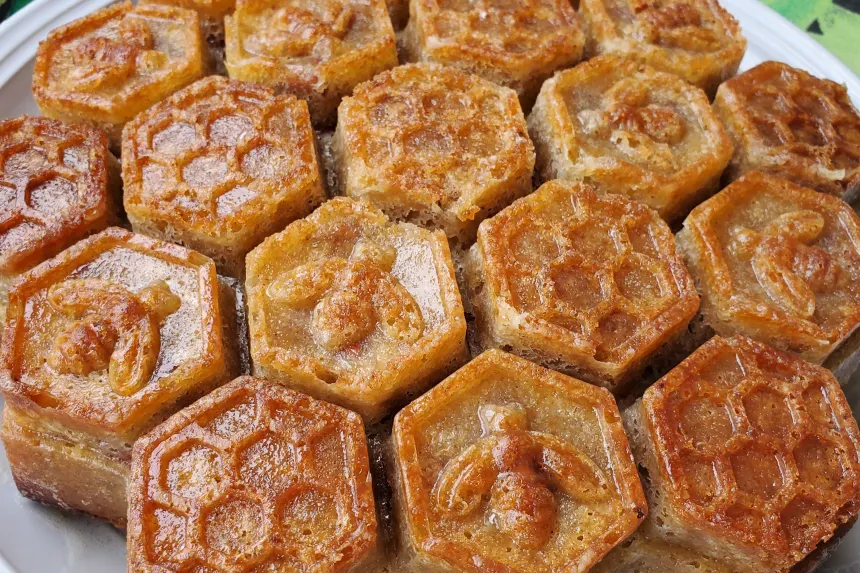
Food offerings were an essential part of religious life in Ancient Greece. Among the many items presented to the gods—wine, grains, olives, and animal sacrifices—one of the most intriguing offerings was the honey cake. These small sweet pastries, often made from wheat flour, honey, olive oil, and sometimes sesame seeds, were far more than simple treats. They played a symbolic role in rituals, festivals, funerary ceremonies, and even magical practices.
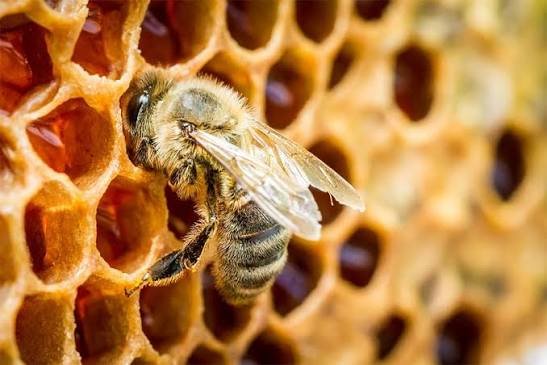
Honey was considered a sacred substance in the ancient Greek world. Unlike other foods, it did not spoil easily, and its golden color and sweetness associated it with purity, immortality, and divine favor. Bees themselves were sometimes believed to be sacred creatures connected to the gods.
In many religious ceremonies, honey cakes served as offerings to chthonic deities—gods associated with the underworld and the spirits of the dead. One such deity was Hecate. During nighttime rituals dedicated to Hecate, worshippers placed honey cakes at crossroads or outside their homes. These offerings were believed to appease wandering spirits and gain the favor of the goddess.
Honey cakes also played a role in funerary rites. According to Greek belief, the dead had to cross a river in the underworld ferried by the boatman Charon. While coins were often placed with the deceased as payment, honey cakes might also accompany the dead as offerings to underworld spirits.
Another important association involved the god Zeus. In some traditions, Zeus was raised on honey by divine nymphs during his infancy, further linking honey with divine nourishment.
Festivals often included elaborate baked goods shaped into animals, spirals, or symbolic figures. These pastries were presented at temples and then shared among participants after rituals were completed, strengthening communal bonds.
Thus, honey cakes represented more than culinary traditions—they embodied the intersection of food, religion, and cultural identity in ancient Greek society.