Sky burials represent a distinctive form of funerary practice in which a deceased person's body is exposed in an elevated or open-air location, allowing natural processes and scavenging animals to participate in the decomposition of the remains. Such practices have been documented in particular cultural and religious traditions, most notably in parts of Tibet and the Himalayan region. They demonstrate that societies have developed different ways of understanding death, the body, the natural world, and the relationship between the living and the dead. From an archaeological perspective, sky burials offer an important opportunity to examine how cultural beliefs interact with environmental conditions and the physical processes that affect human remains after death.
The study of sky burials requires an understanding of taphonomy, the scientific investigation of what happens to biological remains between death and their discovery by researchers. Taphonomic processes include decomposition, scavenging, weathering, exposure to sunlight, soil movement, and the eventual destruction or preservation of skeletal material. These processes can substantially alter the remains before archaeologists encounter them. Unlike conventional graves, where bones may be protected by soil or a burial structure, exposed remains can be dispersed across a wide area or disappear entirely.
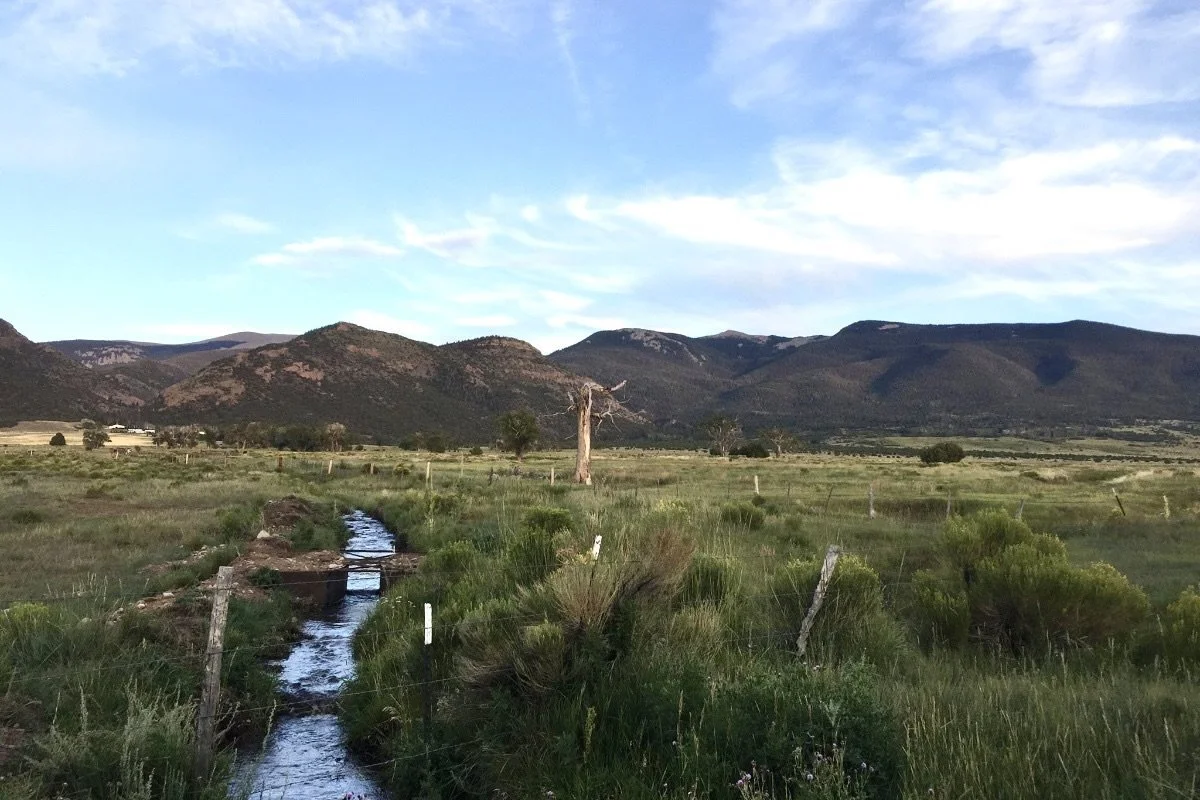
Environmental conditions play a major role in determining what survives. Temperature influences the speed of decomposition, while rainfall and humidity affect the breakdown of soft tissue and the weathering of bone. Wind may move smaller skeletal fragments, and scavenging animals can carry bones away from the original location. In mountainous environments, steep slopes and changing weather conditions may further complicate the archaeological record. Consequently, the absence of a complete skeleton does not necessarily indicate that a site was never used for funerary purposes.
Archaeologists investigating possible sky-burial locations must distinguish cultural activity from natural processes. Bone fragments found on a rocky plateau, for example, could result from human funerary practices, animal activity, erosion, or the movement of material from another location. Researchers therefore examine the distribution of skeletal remains, the condition of the bones, associated artifacts, and the surrounding landscape. Evidence of repeated human activity may strengthen an interpretation, but no single feature should automatically be treated as proof of a particular burial custom.
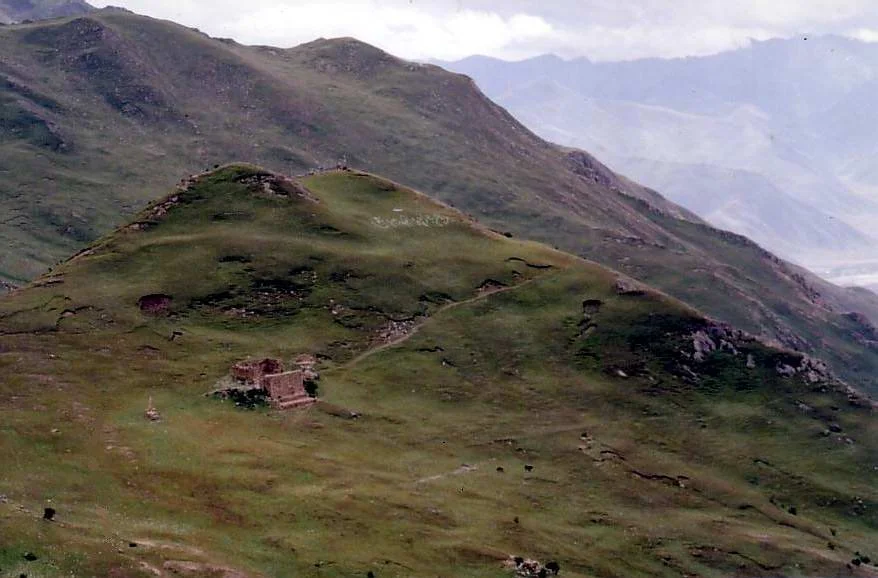
The location of a funerary site can also provide information about its cultural significance. Elevated places may have been selected because of their visibility, separation from settlements, accessibility to particular animals, or religious meaning. In some traditions, the landscape itself forms an important part of the relationship between the deceased and the wider world. Mountains, open plateaus, and designated ritual spaces may carry meanings that cannot be understood through physical evidence alone.
Ethnographic research can help archaeologists interpret these landscapes, particularly when communities maintain knowledge of the relevant traditions. However, comparisons must be approached carefully. A practice documented in one community cannot automatically be used to explain an archaeological site from another period or region. Cultural traditions change over time, and different societies may use similar landscapes for very different purposes. Collaboration with descendant communities and cultural specialists is therefore essential when interpreting sensitive funerary evidence.
Modern scientific methods can provide additional information about the remains and their context. Osteological analysis can identify human bones and, where preservation allows, estimate age at death, biological characteristics, and evidence of disease or injury. Microscopic examination may reveal surface modifications associated with weathering, animal activity, or human handling. Chemical and isotopic analyses may offer information about diet and geographic origins, although results must be interpreted in relation to the individual's environment and the limitations of the samples.
Ethical considerations are especially important in the archaeology of sky burials. Human remains are not merely scientific specimens; they may be part of living religious traditions and hold deep significance for communities. Researchers must follow applicable laws, consult relevant communities, and avoid disturbing active or sacred sites without appropriate authorization. Documentation, photography, sampling, and publication should be guided by respect for cultural beliefs and the wishes of those connected to the site.
The archaeology of sky burials demonstrates that funerary practices cannot be reconstructed through bones alone. The physical remains record the effects of weather, animals, and time, while the wider landscape and cultural context help explain the choices people made concerning death. By combining taphonomic analysis with careful archaeological interpretation and community collaboration, researchers can develop a more complete understanding of how societies have understood mortality and expressed their beliefs through the treatment of the dead.