• MAIN PAGE
  • LATEST NEWS
    • Lost Cities
    • Archaeology's Greatest Finds
    • Underwater Discoveries
    • Greatest Inventions
    • Studies
    • Blog
  • PHILOSOPHY
  • HISTORY
  • RELIGIONS
    • Africa
    • Anatolia
    • Arabian Peninsula
    • Balkan Region
    • China - East Asia
    • Europe
    • Eurasian Steppe
    • Levant
    • Mesopotamia
    • Oceania - SE Asia
    • Pre-Columbian Civilizations of America
    • Iranian Plateau - Central Asia
    • Indus Valley - South Asia
    • Japan
    • The Archaeologist Editor Group
    • Scientific Studies
    • Aegean Prehistory
    • Historical Period
    • Byzantine Middle Ages
    • Predynastic Period
    • Dynastic Period
    • Greco-Roman Egypt
  • Rome
  • PALEONTOLOGY
  • About us
Menu

The Archaeologist

  • MAIN PAGE
  • LATEST NEWS
  • DISCOVERIES
    • Lost Cities
    • Archaeology's Greatest Finds
    • Underwater Discoveries
    • Greatest Inventions
    • Studies
    • Blog
  • PHILOSOPHY
  • HISTORY
  • RELIGIONS
  • World Civilizations
    • Africa
    • Anatolia
    • Arabian Peninsula
    • Balkan Region
    • China - East Asia
    • Europe
    • Eurasian Steppe
    • Levant
    • Mesopotamia
    • Oceania - SE Asia
    • Pre-Columbian Civilizations of America
    • Iranian Plateau - Central Asia
    • Indus Valley - South Asia
    • Japan
    • The Archaeologist Editor Group
    • Scientific Studies
  • GREECE
    • Aegean Prehistory
    • Historical Period
    • Byzantine Middle Ages
  • Egypt
    • Predynastic Period
    • Dynastic Period
    • Greco-Roman Egypt
  • Rome
  • PALEONTOLOGY
  • About us

The Forgotten Empire of the Hittites

December 7, 2025

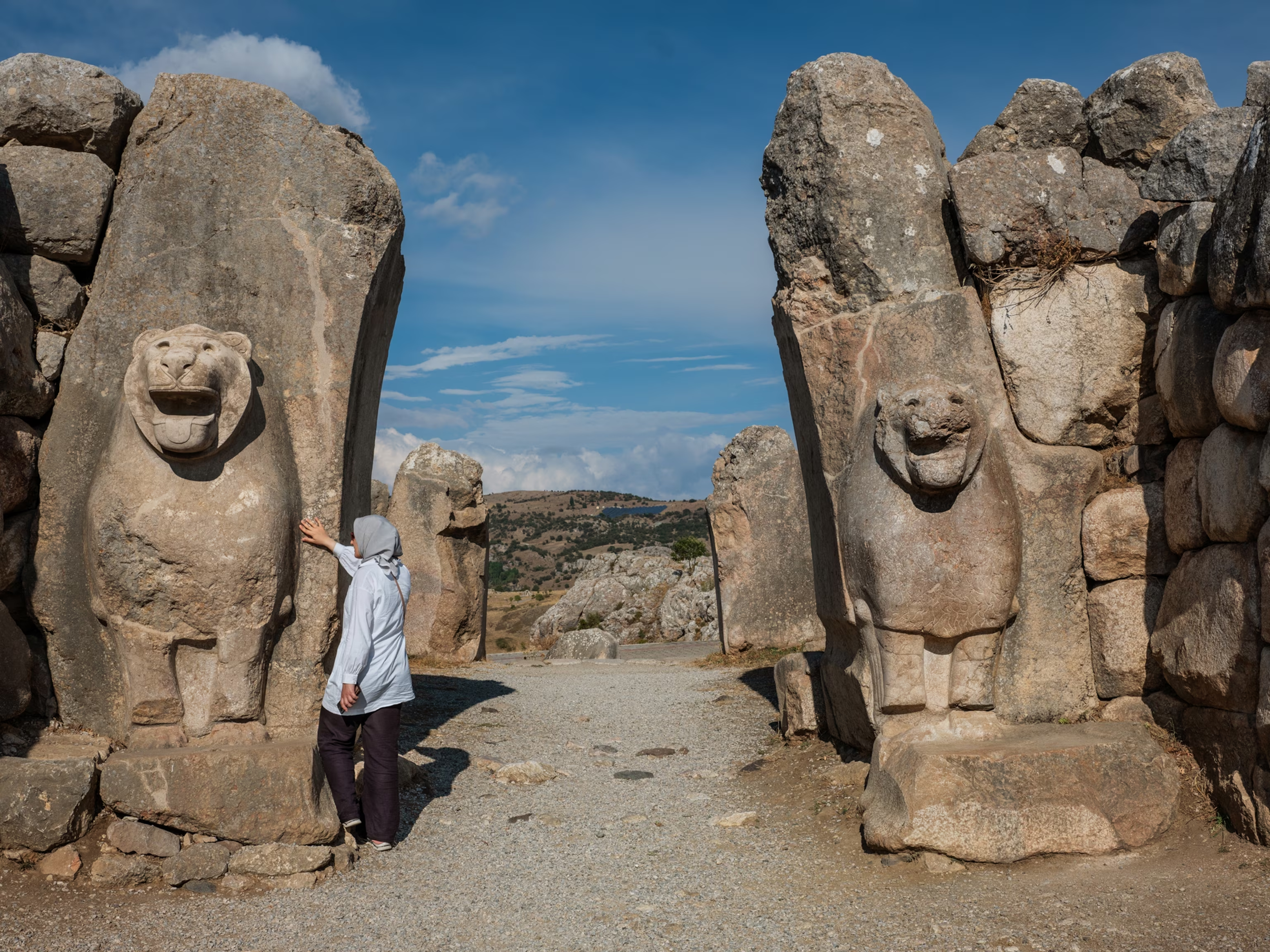
The Hittites established a powerful empire in Anatolia during the second millennium BCE, known for military prowess, diplomacy, and legal innovation. Their influence stretched across the Near East, challenging Egypt and Assyria.

Political and Military Achievements

The Hittites controlled vast territories through fortified cities and well-trained armies. The Treaty of Kadesh with Egypt is one of the earliest known peace agreements in history.

Culture and Religion

They adopted and adapted Mesopotamian gods, developed hieroglyphic scripts, and left records in cuneiform. Their art, pottery, and religious practices reveal a rich cultural life.

Legacy

Though overshadowed by later civilizations, the Hittites contributed legal frameworks, military strategies, and cultural exchanges that shaped the ancient Near East.
← The Ancient Science of Herbal MedicineThe Ancient Library of Ashurbanipal: The First Knowledge Vault →
Featured
image_2025-12-07_224159633.png
Dec 7, 2025
The Role of the Nile River in the Birth of Egyptian Civilization
Dec 7, 2025
Read More →
Dec 7, 2025
image_2025-12-07_224016560.png
Dec 7, 2025
The Lost Kingdom of Tartessos: Spain's Ancient Atlantis
Dec 7, 2025
Read More →
Dec 7, 2025
image_2025-12-07_223754940.png
Dec 7, 2025
The Role of the Jaguar in Ancient Mesoamerican Mythology
Dec 7, 2025
Read More →
Dec 7, 2025
image_2025-12-07_223320623.png
Dec 7, 2025
The Secret Rites of the Eleusinian Mysteries
Dec 7, 2025
Read More →
Dec 7, 2025
image_2025-12-07_222717905.png
Dec 7, 2025
The Ancient Science of Metallurgy and Weapon Crafting
Dec 7, 2025
Read More →
Dec 7, 2025
image_2025-12-07_222634278.png
Dec 7, 2025
The Role of the Sacred River Ganges in Ancient Hinduism
Dec 7, 2025
Read More →
Dec 7, 2025
read more

Powered by The archaeologist