• MAIN PAGE
  • LATEST NEWS
    • Lost Cities
    • Archaeology's Greatest Finds
    • Underwater Discoveries
    • Greatest Inventions
    • Studies
    • Blog
  • PHILOSOPHY
  • HISTORY
  • RELIGIONS
    • Africa
    • Anatolia
    • Arabian Peninsula
    • Balkan Region
    • China - East Asia
    • Europe
    • Eurasian Steppe
    • Levant
    • Mesopotamia
    • Oceania - SE Asia
    • Pre-Columbian Civilizations of America
    • Iranian Plateau - Central Asia
    • Indus Valley - South Asia
    • Japan
    • The Archaeologist Editor Group
    • Scientific Studies
    • Aegean Prehistory
    • Historical Period
    • Byzantine Middle Ages
    • Predynastic Period
    • Dynastic Period
    • Greco-Roman Egypt
  • Rome
  • PALEONTOLOGY
  • About us
Menu

The Archaeologist

  • MAIN PAGE
  • LATEST NEWS
  • DISCOVERIES
    • Lost Cities
    • Archaeology's Greatest Finds
    • Underwater Discoveries
    • Greatest Inventions
    • Studies
    • Blog
  • PHILOSOPHY
  • HISTORY
  • RELIGIONS
  • World Civilizations
    • Africa
    • Anatolia
    • Arabian Peninsula
    • Balkan Region
    • China - East Asia
    • Europe
    • Eurasian Steppe
    • Levant
    • Mesopotamia
    • Oceania - SE Asia
    • Pre-Columbian Civilizations of America
    • Iranian Plateau - Central Asia
    • Indus Valley - South Asia
    • Japan
    • The Archaeologist Editor Group
    • Scientific Studies
  • GREECE
    • Aegean Prehistory
    • Historical Period
    • Byzantine Middle Ages
  • Egypt
    • Predynastic Period
    • Dynastic Period
    • Greco-Roman Egypt
  • Rome
  • PALEONTOLOGY
  • About us
No results found

The Lost Fortress Cities of the Caucasus

March 10, 2026

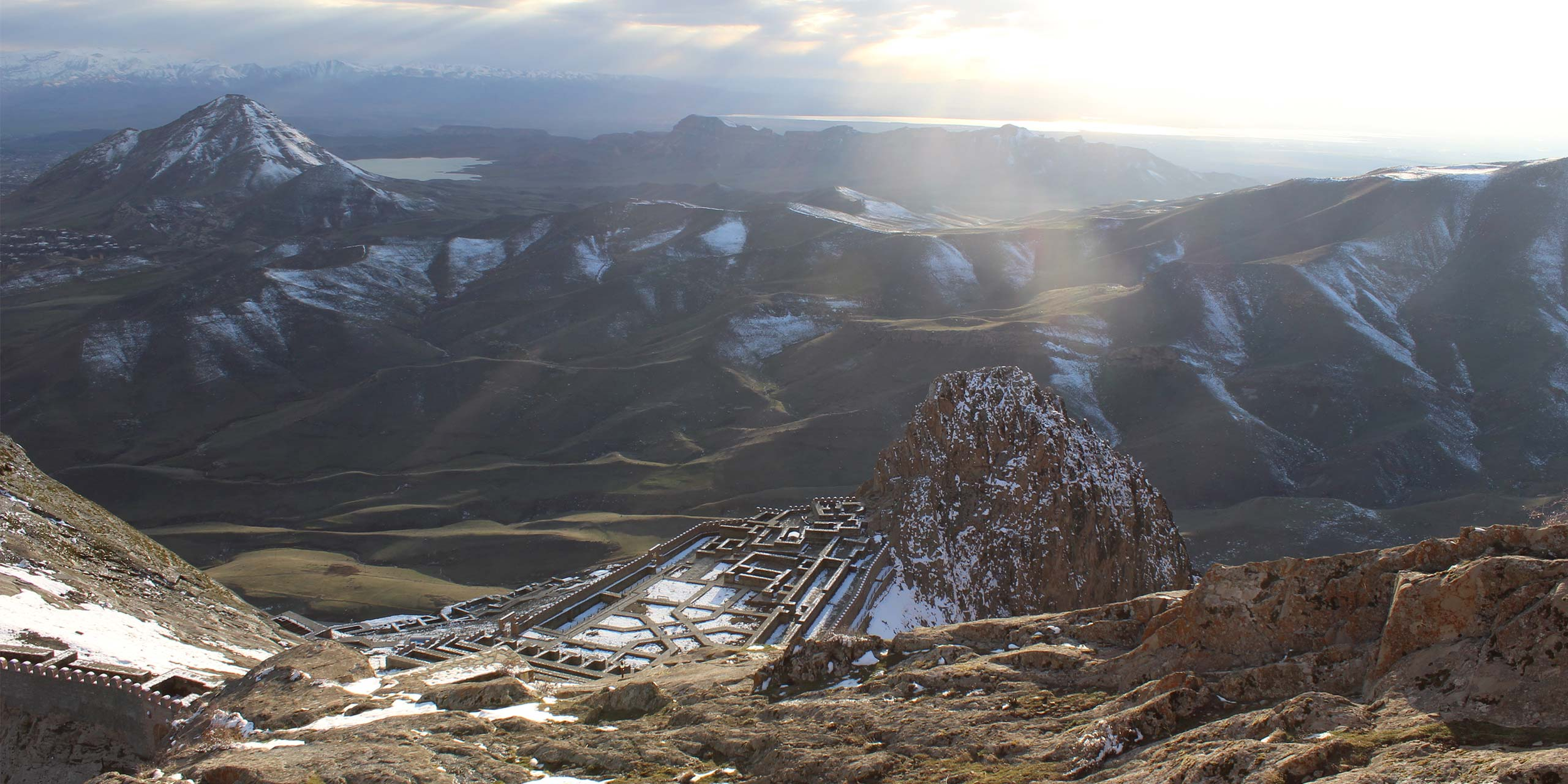
High in the rugged mountains between Europe and Asia lies one of the world’s most mysterious landscapes: the Caucasus Mountains. Scattered across these peaks and valleys are ancient stone towers, fortified villages, and cliffside citadels whose origins stretch back thousands of years.

Regions such as Svaneti are famous for their tall defensive towers. These narrow stone structures, often rising several stories high, were built beside family homes. During times of conflict, entire communities could retreat into these towers for protection.

The Caucasus has long been a crossroads between civilizations, linking the steppes of Eurasia with the Middle East and Mediterranean. As a result, the region saw frequent migrations, raids, and wars. Fortress cities emerged as defensive hubs that controlled mountain passes and trade routes.

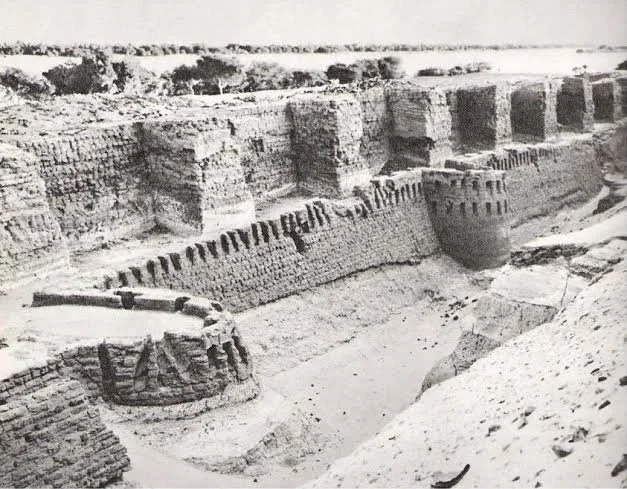
Some highland settlements appear almost impregnable. Walls follow the contours of steep cliffs, while narrow paths force attackers into vulnerable positions. Archaeological remains suggest these fortresses were inhabited continuously for centuries.

Despite their impressive construction, many of these sites remain poorly studied due to their remote locations. Each ruined tower hints at a world of mountain clans, trade caravans, and strategic strongholds that once dominated the Caucasus highlands.
← The First Mounted Archers of EurasiaThe Ancient Storm Gods of the Levant →
Featured
Whaling-scenes-a-English-whalers-in-the-North-Atlantic-19th-century-Cheever-1853.webp
October 18, 2026
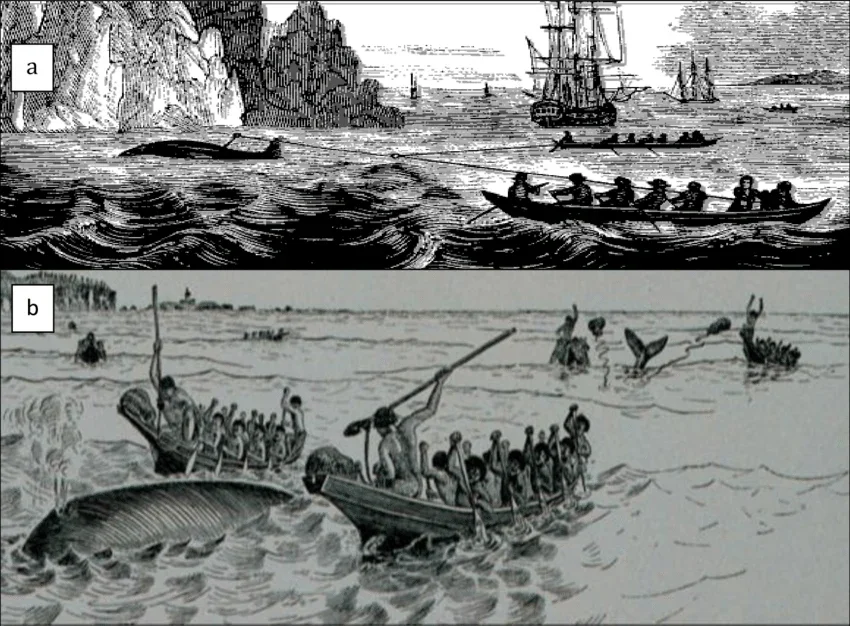
Medieval Arctic Whaling Stations: Norse and Indigenous Interactions
October 18, 2026
Read more →
October 18, 2026
images+(71).webp
October 18, 2026
Carbonate Crusts as Dating Tools on Coastal Archaeological Wood
October 18, 2026
Read more →
October 18, 2026
images - 2026-10-17T223455.684.jpeg
October 18, 2026
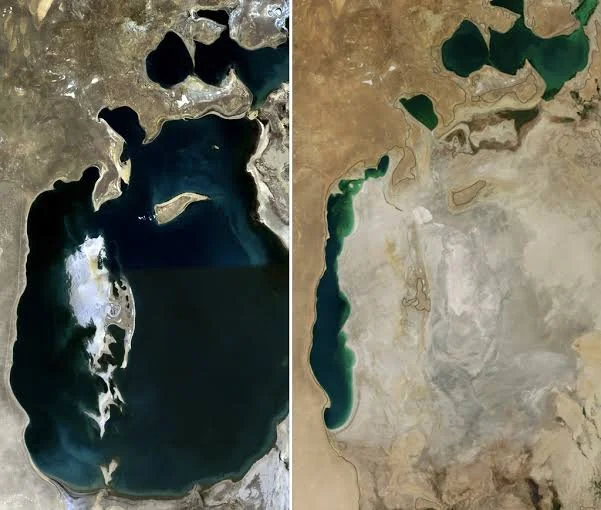
The Collapse of Prehistoric Irrigation in Central Asia: New Models
October 18, 2026
Read more →
October 18, 2026
acoustics-05-00018-g004 (1).png
October 18, 2026
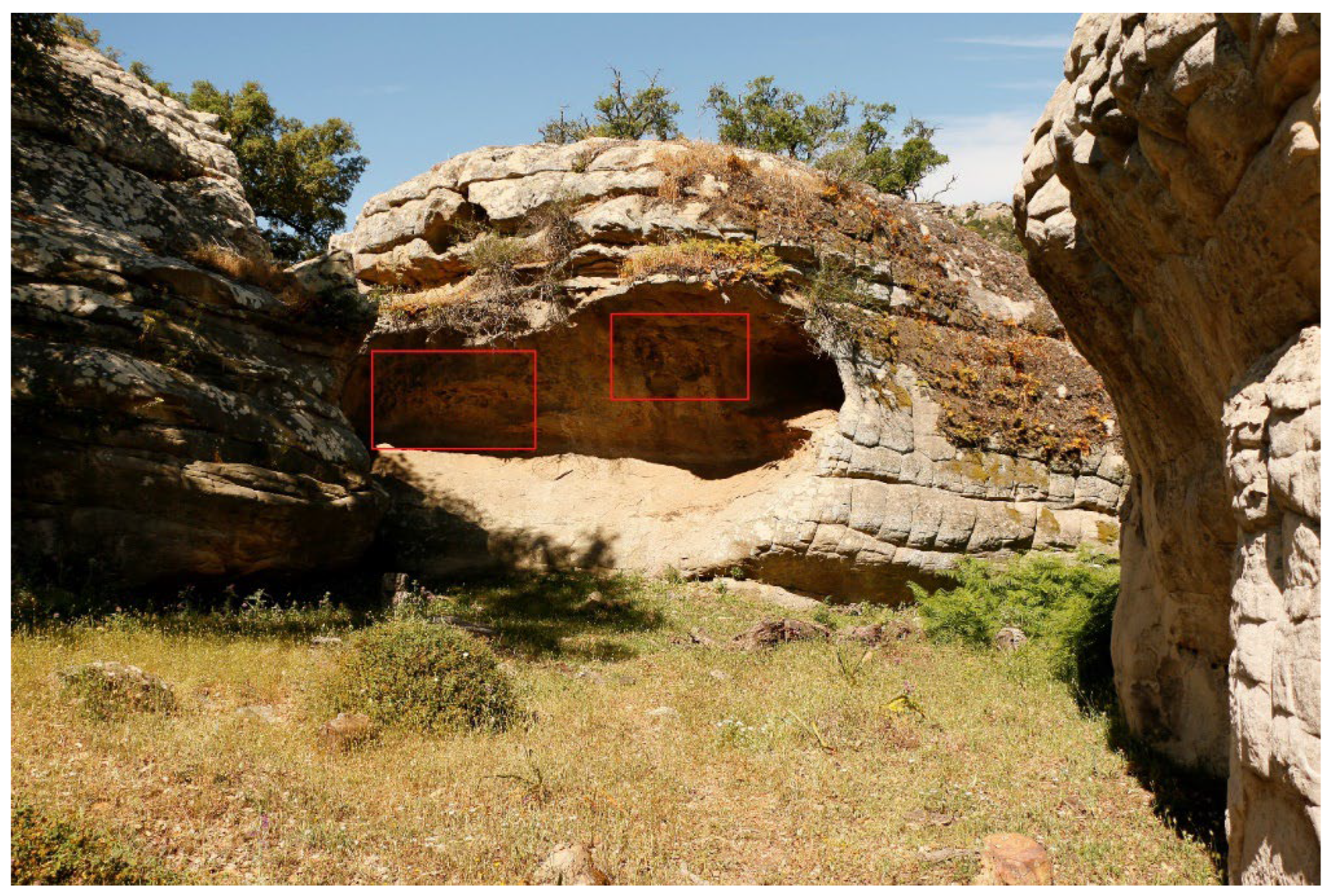
Rock-Shelter Soundscapes: Acoustics and Ritual Performance in Prehistory
October 18, 2026
Read more →
October 18, 2026
images - 2026-10-17T223602.054.jpeg
October 18, 2026
The Archaeology of Ancient Beekeeping: Hives, Honey and Trade
October 18, 2026
Read more →
October 18, 2026
October 18, 2026
Forgotten Ironworks: Sub-Saharan Bloomery Sites off the Mainstream Map
October 18, 2026
Read more →
October 18, 2026
read more

Powered by The archaeologist