• MAIN PAGE
  • LATEST NEWS
    • Lost Cities
    • Archaeology's Greatest Finds
    • Underwater Discoveries
    • Greatest Inventions
    • Studies
    • Blog
  • PHILOSOPHY
  • HISTORY
  • RELIGIONS
    • Africa
    • Anatolia
    • Arabian Peninsula
    • Balkan Region
    • China - East Asia
    • Europe
    • Eurasian Steppe
    • Levant
    • Mesopotamia
    • Oceania - SE Asia
    • Pre-Columbian Civilizations of America
    • Iranian Plateau - Central Asia
    • Indus Valley - South Asia
    • Japan
    • The Archaeologist Editor Group
    • Scientific Studies
    • Aegean Prehistory
    • Historical Period
    • Byzantine Middle Ages
    • Predynastic Period
    • Dynastic Period
    • Greco-Roman Egypt
  • Rome
  • PALEONTOLOGY
  • About us
Menu

The Archaeologist

  • MAIN PAGE
  • LATEST NEWS
  • DISCOVERIES
    • Lost Cities
    • Archaeology's Greatest Finds
    • Underwater Discoveries
    • Greatest Inventions
    • Studies
    • Blog
  • PHILOSOPHY
  • HISTORY
  • RELIGIONS
  • World Civilizations
    • Africa
    • Anatolia
    • Arabian Peninsula
    • Balkan Region
    • China - East Asia
    • Europe
    • Eurasian Steppe
    • Levant
    • Mesopotamia
    • Oceania - SE Asia
    • Pre-Columbian Civilizations of America
    • Iranian Plateau - Central Asia
    • Indus Valley - South Asia
    • Japan
    • The Archaeologist Editor Group
    • Scientific Studies
  • GREECE
    • Aegean Prehistory
    • Historical Period
    • Byzantine Middle Ages
  • Egypt
    • Predynastic Period
    • Dynastic Period
    • Greco-Roman Egypt
  • Rome
  • PALEONTOLOGY
  • About us
No results found

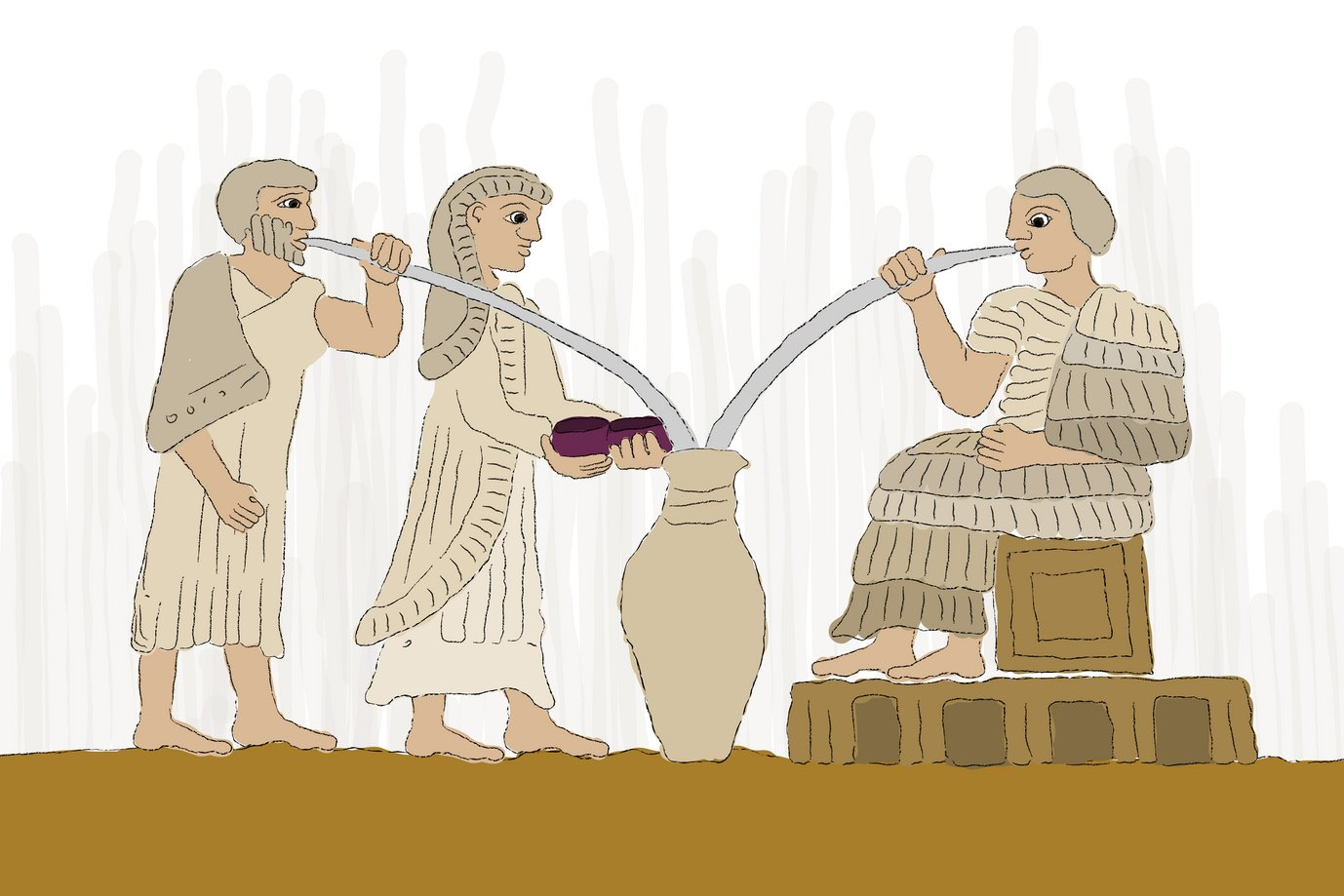
The Role of Beer in Ancient Mesopotamian Society

November 29, 2025

Brewing, Rituals, and Everyday Life

Beer was more than a drink in Mesopotamia it was a staple of daily living, a religious offering, and a source of nutrition.

How It Was Made

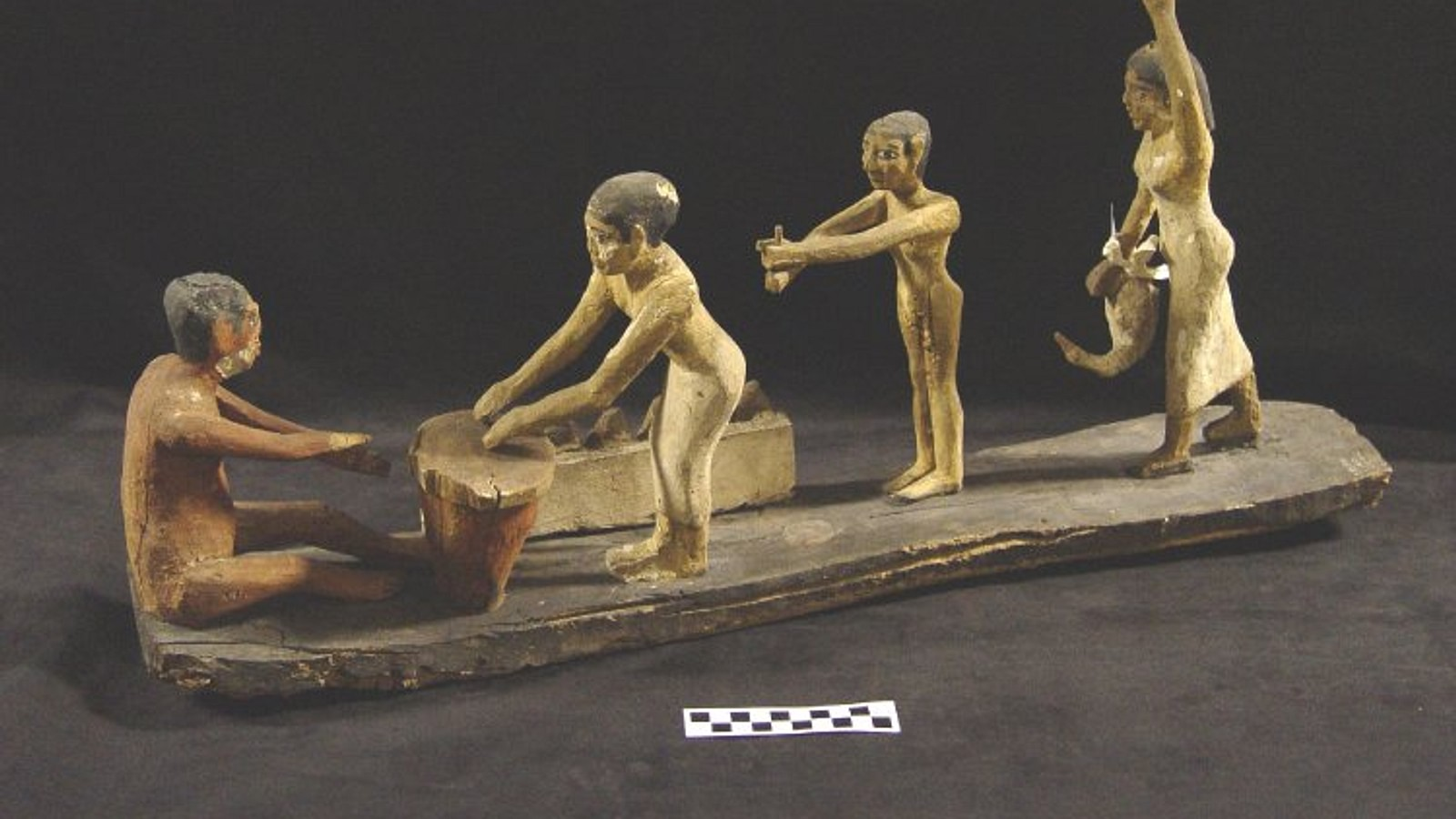
Brewers used fermented grains, malted barley, and specially baked bread to create a thick, nutritious beverage. Different varieties existed for different occasions.

A Drink for All Classes
Beer appeared in:

  • Worker rations

  • Royal banquets

  • Religious ceremonies

  • Medical prescriptions

It also played a role in social gatherings and economic exchanges.

Cultural Importance

Sumerian hymns even praise Ninkasi, the goddess of brewing, showing beer’s spiritual significance.

A Drink That Shaped Civilization

Beer connected communities, supported labor, and became a defining feature of early Mesopotamian life.
The Lost Kingdom of Yam

November 29, 2025

Unraveling the Mystery of an Ancient African Power

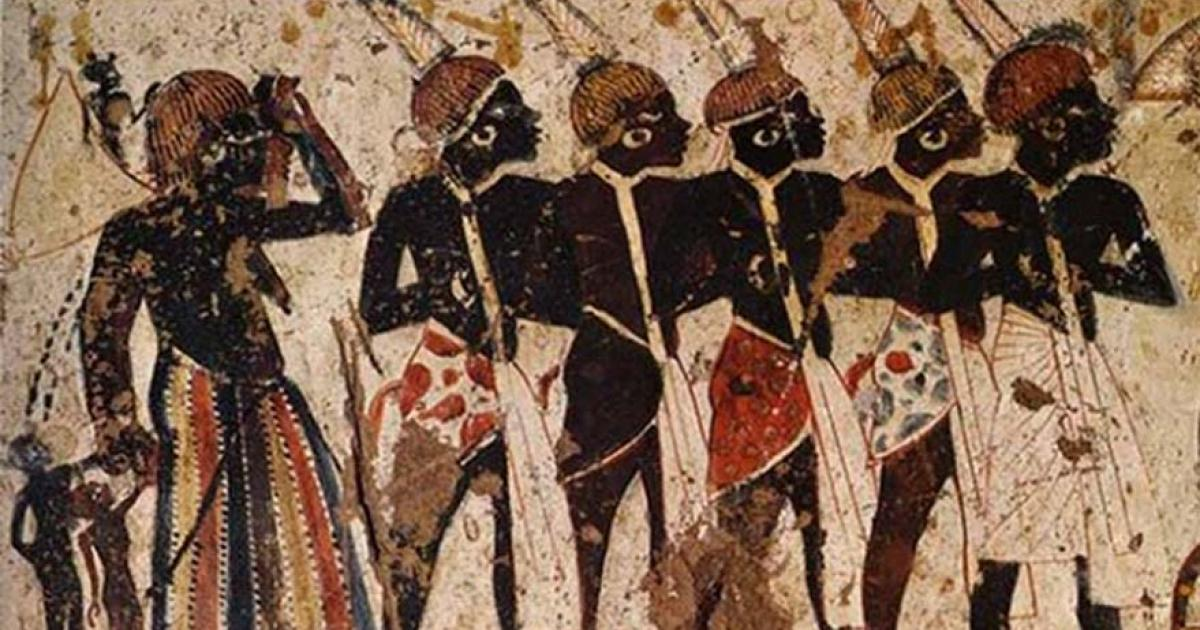
Yam appears in Egyptian records as a distant, wealthy land south of the Nile. Although its exact location remains uncertain, the kingdom played a major role in early African trade.

Clues From Ancient Texts

Old Kingdom inscriptions describe expeditions sent to Yam for goods like ivory, incense, and exotic animals.

Possible Locations

Scholars propose several sites:

  • Regions near modern-day Sudan

  • Areas west of Nubia

  • Trade hubs deep in central Africa

Its disappearance may be linked to shifting trade routes or environmental changes.

A Civilization Lost to Time

Though Yam remains unidentified, its influence highlights Africa’s long history of trade, diplomacy, and cultural exchange.

The Role of Salt in Ancient Economies

November 29, 2025

How a Common Mineral Became a Global Commodity

Salt played a crucial role in ancient societies, not only as a seasoning but as a tool for survival, preservation, and trade.

A Lifeline for Food Preservation

Before refrigeration, salt allowed people to preserve meat, fish, and vegetables, enabling long-distance travel and trade.

Trade Routes and Wealth

Civilizations built entire economies around salt:

  • The Roman “Via Salaria”

  • African trans-Saharan salt caravans

  • Chinese imperial salt taxes

Salt could be so valuable that it was sometimes used as currency.

Cultural and Ritual Uses

Beyond economics, salt held symbolic meaning for purification, protection, and diplomacy.

An Everyday Item With Extraordinary Power

Salt shaped trade networks, wealth systems, and cultural traditions across the ancient world.

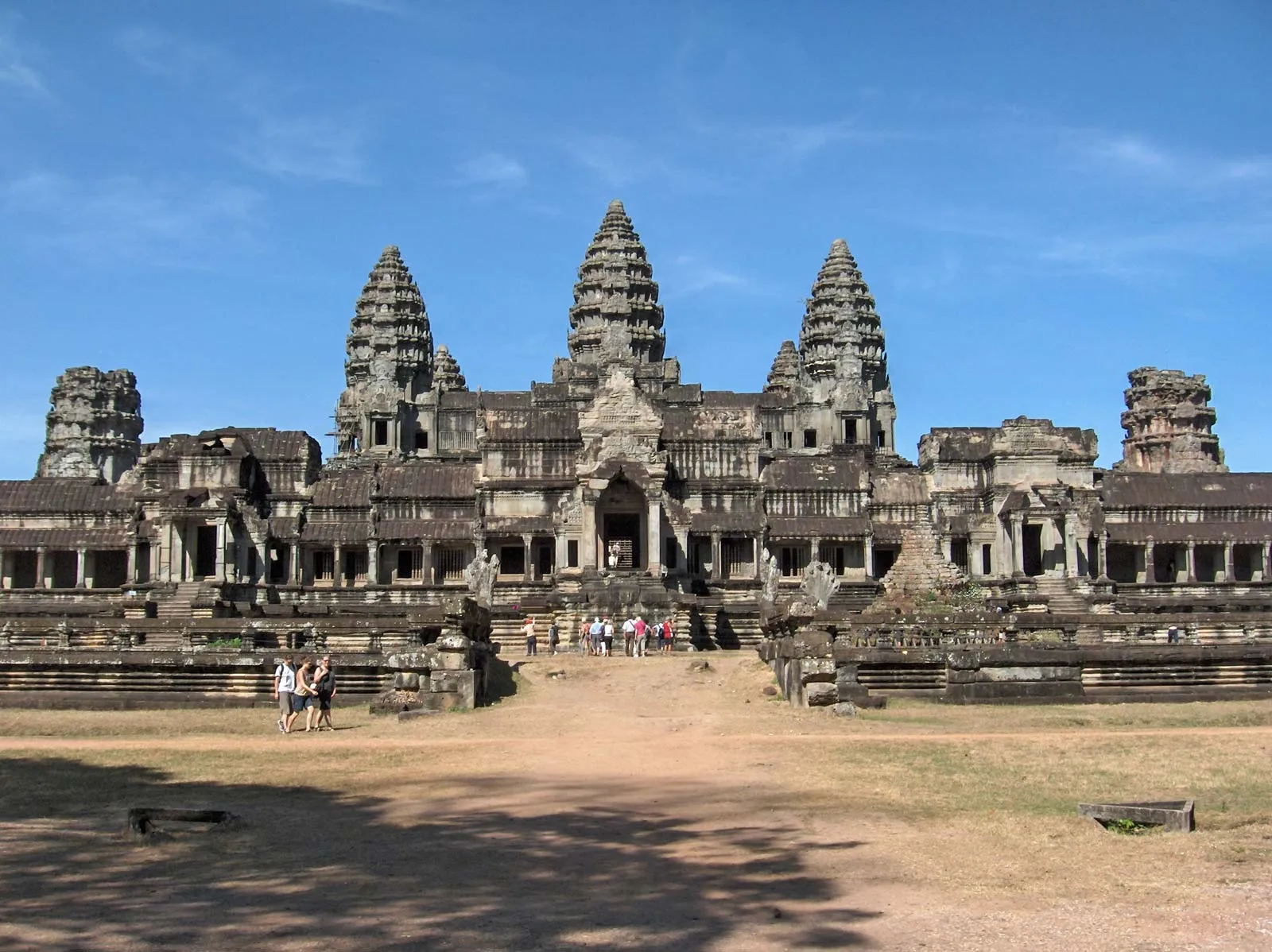
The Sacred Temples of Angkor Wat

November 29, 2025

Exploring Its History, Architecture, and Spiritual Meaning

Angkor Wat stands as one of the greatest achievements of the Khmer Empire and a symbol of Cambodia’s identity.

Historical Origins

Built in the 12th century under King Suryavarman II, Angkor Wat was originally dedicated to Vishnu. It later became an important Buddhist center.

Architectural Marvel

The temple complex showcases:

  • Intricate bas-reliefs

  • Towering sandstone structures

  • Precise astronomical alignments

  • A vast moat symbolizing the cosmic ocean

Its layout represents the Hindu universe, with Mount Meru reflected in its central towers.

Spiritual Legacy

Beyond its architectural beauty, Angkor Wat serves as a living symbol of faith, resilience, and cultural heritage, drawing millions of visitors and worshippers each year.

The Legend of the Sword in the Stone

November 29, 2025

Tracing the Origins of Arthurian Myth and Real Medieval Weapons

The tale of a sword embedded in stone, awaiting the true king, is one of the most enduring elements of Arthurian legend.

Where the Story Began

The earliest sources describe Arthur as a heroic British leader, but the sword-in-the-stone motif appeared later in medieval romances. It symbolized divine approval and legitimate rule.

Excalibur and Its Symbolism

Some versions separate the sword in the stone from Excalibur, which Arthur receives from the Lady of the Lake. Both swords express themes of destiny, kingship, and moral authority.

Historical Inspirations

Real medieval swords were embedded in stone or church walls as offerings or symbols of oaths. These ritual practices may have inspired the legend.

A Story That Endures

The sword in the stone remains a powerful symbol of leadership, chosen destiny, and the heroic ideals of medieval literature.

The Myth of the Minotaur and the Labyrinth

November 29, 2025

The Story of Theseus and the Monster Beneath Knossos

The legend of the Minotaur half-man, half-bull remains one of Greek mythology’s most iconic tales. The creature was said to dwell within a vast maze built by the master craftsman Daedalus.

Theseus’ Journey

Theseus volunteered to enter the labyrinth to end the cycle of human sacrifices demanded by King Minos. With the help of Ariadne’s guiding thread, he navigated the maze, defeated the Minotaur, and escaped to freedom.

Possible Historical Roots

Some scholars connect the myth to:

  • Minoan bull-leaping rituals

  • Complex palace structures in Knossos

  • Memory of natural disasters like earthquakes or volcanic eruptions

The labyrinth may represent the sprawling palace itself—full of corridors, storage rooms, and winding passages.

Myth Meets Memory

Although the Minotaur was never real, the story reflects ancient fears, cultural rituals, and the powerful imagination of early Greek storytellers.

The Ancient Practice of Mummification Beyond Egypt

November 29, 2025

Preserving the Dead in Peru, China, and Other Cultures

While Egypt is famous for mummification, the practice existed in many parts of the world long before and long after Egyptian dynasties flourished.

Peru: The Chinchorro Tradition

In Peru, the Chinchorro people developed some of the world’s oldest mummies—created thousands of years before Egypt’s. They used techniques like skin removal, body reconstruction, and painting to honor the dead.

China: Natural and Artificial Preservation

In China, elite burials such as the Lady Dai mummy from the Han Dynasty show advanced preservation methods. Some regions also produced naturally preserved mummies in cold or desert environments.

Other Global Traditions

Cultures in the Canary Islands, Siberia, and even parts of Europe practiced some form of mummification, often influenced by climate, religion, or social customs.

A Universal Desire

Despite differences in technique, mummification reflects a shared human belief in remembrance, respect, and the hope for an afterlife.

The Role of Chariots in Ancient Warfare

November 29, 2025

How Chariots Shaped Military Strategy in Mesopotamia, Egypt, and China

Chariots were among the earliest vehicles designed for speed and mobility, dramatically transforming the way ancient battles were fought. Although each civilization adapted the chariot to its own terrain and military needs, their impact was universal.

Mesopotamia: Heavy and Powerful

Early Mesopotamian chariots were large, four-wheeled vehicles drawn by equids. They served as mobile platforms for archers and spear-throwers. Although heavy, they brought shock value to the battlefield and enhanced elite combat.

Egypt: Light and Fast

Egyptians perfected a lighter, two-wheeled chariot ideal for the desert environment. Pulled by horses, these chariots became essential for archery, allowing soldiers to strike rapidly while maintaining distance. They played a major role in battles like Kadesh.

China: Strategic and Organized

In ancient China, chariots formed the backbone of early armies. Used for command, archery, and transportation of elite warriors, they supported infantry formations and shaped political power during the Shang and Zhou dynasties.

A Revolutionary Military Tool

Though eventually replaced by cavalry, chariots paved the way for organized warfare, mobility, and long-distance combat, leaving a lasting mark on ancient military history.

The Lost Treasure of the Knights Templar

November 29, 2025

Exploring the Theories Behind the Disappearance of Templar Wealth

The Knights Templar remain one of history’s most mysterious military orders, and their rumored treasure continues to fascinate researchers and storytellers. Their vast wealth came from donations, banking services, and landholdings, but after the order’s sudden fall in the 14th century, their riches seemingly vanished without explanation.

What Happened to the Treasure?

Several theories attempt to explain the fate of the Templar fortune:

Escape and Hidden Vaults

One belief suggests the Templars secretly moved their wealth before their arrest, hiding it in remote strongholds or underground vaults.

The Fleet at La Rochelle

Another famous theory claims Templar ships escaped from France carrying chests of gold, relics, or secret documents. These ships may have sailed to Scotland, Portugal, or even the New World.

Integration Into Other Orders

Some argue the treasure simply transitioned into successor groups like the Knights Hospitaller or into friendly kingdoms that protected former members.

Symbolic Treasure

A different view suggests the “treasure” was not gold at all but documents—maps, religious relics, or knowledge considered dangerous by the Church.

A Mystery That Endures

While no definitive proof has surfaced, the legend of the Templar treasure remains one of history’s most enduring mysteries, inspiring countless books, theories, and archaeological searches.

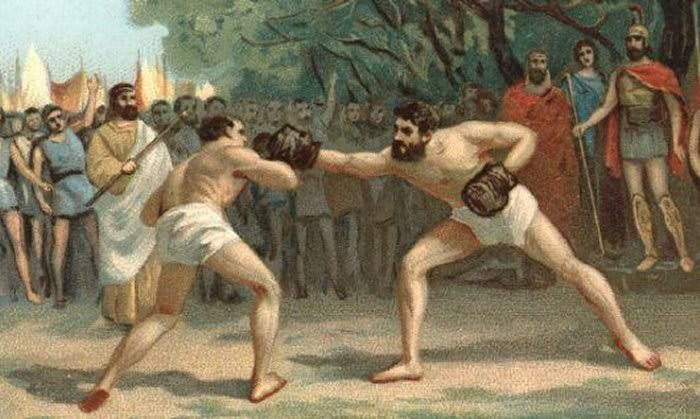
The First Olympic Games: A Celebration of Zeus

November 29, 2025

The first recorded Olympic Games were held in 776 BCE in Olympia, Greece. Far from being purely athletic, they were deeply religious, honoring Zeus, king of the gods.

A Festival of Sacred Sport

Athletes competed in:

  • Foot races

  • Wrestling

  • Boxing

  • Pentathlon

  • Chariot racing

Winners received olive wreaths, symbolizing divine favor.

Religious Significance

The games included:

  • Sacrifices to Zeus

  • Processions

  • Ritual feasts

Competing was considered an offering to the gods.

Pan-Hellenic Unity

The Olympics brought Greek city-states together. During the games, a sacred truce ensured safe travel and temporary peace.

A Tradition That Endures

The ancient Olympics lasted over 1,000 years, influencing the modern games and leaving a cultural legacy that still inspires the world.

The Story of the Rosetta Stone: Cracking the Hieroglyphic Code

November 29, 2025

Discovered in 1799 by French soldiers, the Rosetta Stone became the key to understanding ancient Egyptian writing after centuries of mystery.

Three Scripts, One Message

The stone contains the same text in:

  • Hieroglyphics

  • Demotic script

  • Ancient Greek

Because scholars already understood Greek, they could compare the scripts.

Champollion’s Breakthrough

In 1822, French scholar Jean-François Champollion realized hieroglyphs were not just symbols but a combination of:

  • Phonetic sounds

  • Ideograms

  • Determinatives

His discovery unlocked thousands of years of Egyptian history, religion, and literature.

A Global Impact

Without the Rosetta Stone, modern Egyptology would not exist. It remains one of the most significant archaeological finds in history.

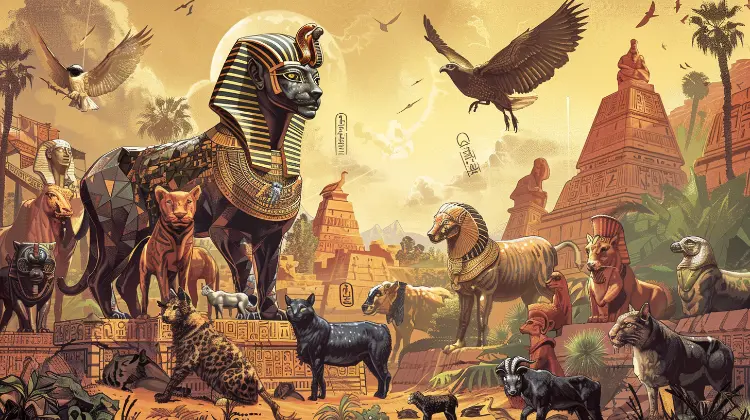
The Role of Sacred Animals in Ancient Mythology

November 29, 2025

Creatures That Bridged the Human and Divine Worlds

Animals held deep symbolic meaning in ancient cultures. They represented gods, natural forces, virtues, and mysteries that people could not explain.

Bulls in Minoan Crete

The bull symbolized power and fertility. Frescoes show rituals involving acrobatic bull-leaping. The Minotaur myth likely emerged from these traditions.

Cats in Egypt

Cats represented:

  • Protection

  • Grace

  • Divine favor

They were connected to the goddess Bastet and protected homes from pests and spiritual harm.

Wolves in Norse Myth

Wolves symbolized both destruction and protection. Fenrir represented chaos, while Odin’s wolves, Geri and Freki, symbolized loyalty and companionship.

Snakes in Many Cultures

Snakes represented:

  • Rebirth (shedding skin)

  • Healing

  • Mystery

They played key roles in Greek, Indian, and Mesoamerican traditions.

Across the world, animals served as powerful metaphors for divine forces and human nature.

The Lost City of Ubar: Arabia’s Atlantis

November 29, 2025

A Desert Legend That Turned Out to Be Real Almost

For centuries, Arab folklore spoke of Ubar, a wealthy city destroyed by divine punishment. Called “Atlantis of the Sands,” it was said to lie somewhere deep in the Rub’ al Khali (Empty Quarter).

Myth and Mystery

Ubar was described as:

  • Rich in frankincense trade

  • A hub for caravans

  • Ruled by a powerful tribe punished for arrogance

Many believed it was purely legendary.

Modern Discovery

In the 1990s, satellite imagery revealed ancient caravan routes converging on a site in Oman. Archaeologists uncovered a fortress settlement that collapsed into a limestone sinkhole possibly inspiring the myth.

Was It Ubar?

The site, called Shisr, likely served as:

  • A trade outpost

  • A caravan supply hub

But it wasn’t a grand city. The myth probably grew over centuries of storytelling.

Still, the discovery linked legend and archaeology in a remarkable way.

The History of the Phoenician Alphabet

November 29, 2025

How a Trading Civilization Revolutionized Writing

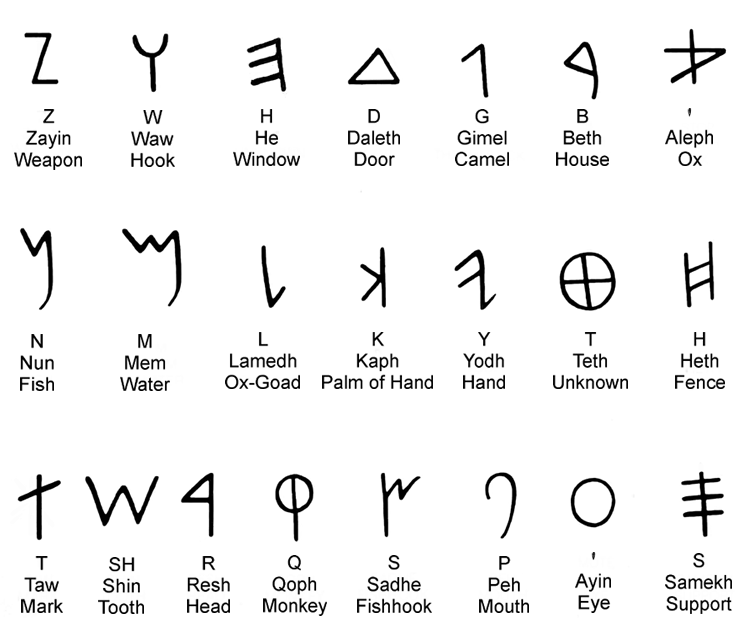
The Phoenicians skilled sailors from the Mediterranean coast developed one of the world’s most influential alphabets around 1050 BCE. Simple, adaptable, and easy to learn, it transformed communication.

Why Their Alphabet Was Revolutionary

Earlier scripts like cuneiform and hieroglyphics used hundreds of signs. The Phoenicians reduced writing to 22 consonant letters, making reading and writing accessible to traders and ordinary people.

A Script Made for Trade

Spread by merchants across the Mediterranean, the alphabet was adopted and modified by:

  • Greeks

  • Hebrews

  • Aramaeans

  • Later, the Romans

The Greek adaptation added vowels, creating the foundation for modern European alphabets.

A Lasting Legacy

Almost every alphabet used today including Latin and Arabic can trace its roots back to the Phoenicians.

The Terracotta Army: Guardians of the First Emperor

November 29, 2025

A Monumental Discovery That Revealed Imperial China’s Power

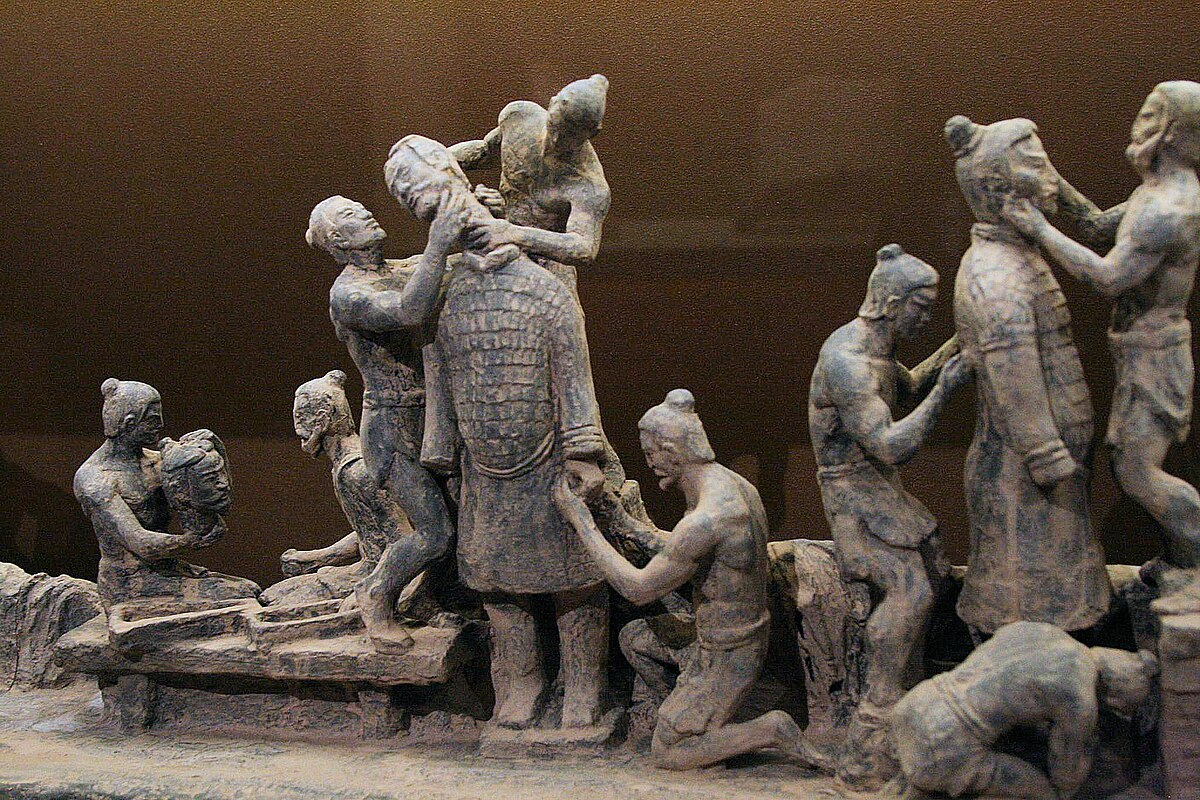
In 1974, farmers in Xi’an, China, discovered broken clay pieces while digging a well. These fragments led to one of the greatest archaeological discoveries in history: the Terracotta Army.

A Kingdom Guarded in Death

The army was built for China’s first emperor, Qin Shi Huang, to protect him in the afterlife. More than 8,000 life-size warriors have been uncovered so far, each with unique facial features.

The site includes:

  • Infantry

  • Chariots

  • Horses

  • Generals

  • Acrobats, musicians, and officials

Engineering and Craftsmanship

Creating the army required:

  • Thousands of workers

  • Specialized workshops

  • Mass production techniques using interchangeable parts

This industrial-level production shows the incredible organization of the Qin Dynasty.

Symbolism

The Terracotta Army reflects the emperor’s power, beliefs about the afterlife, and the political unification of China.

It remains one of the most iconic monuments of ancient history.

The History of the Silk Road: The First Global Trade Network

November 29, 2025

How a Web of Routes Connected the Ancient World

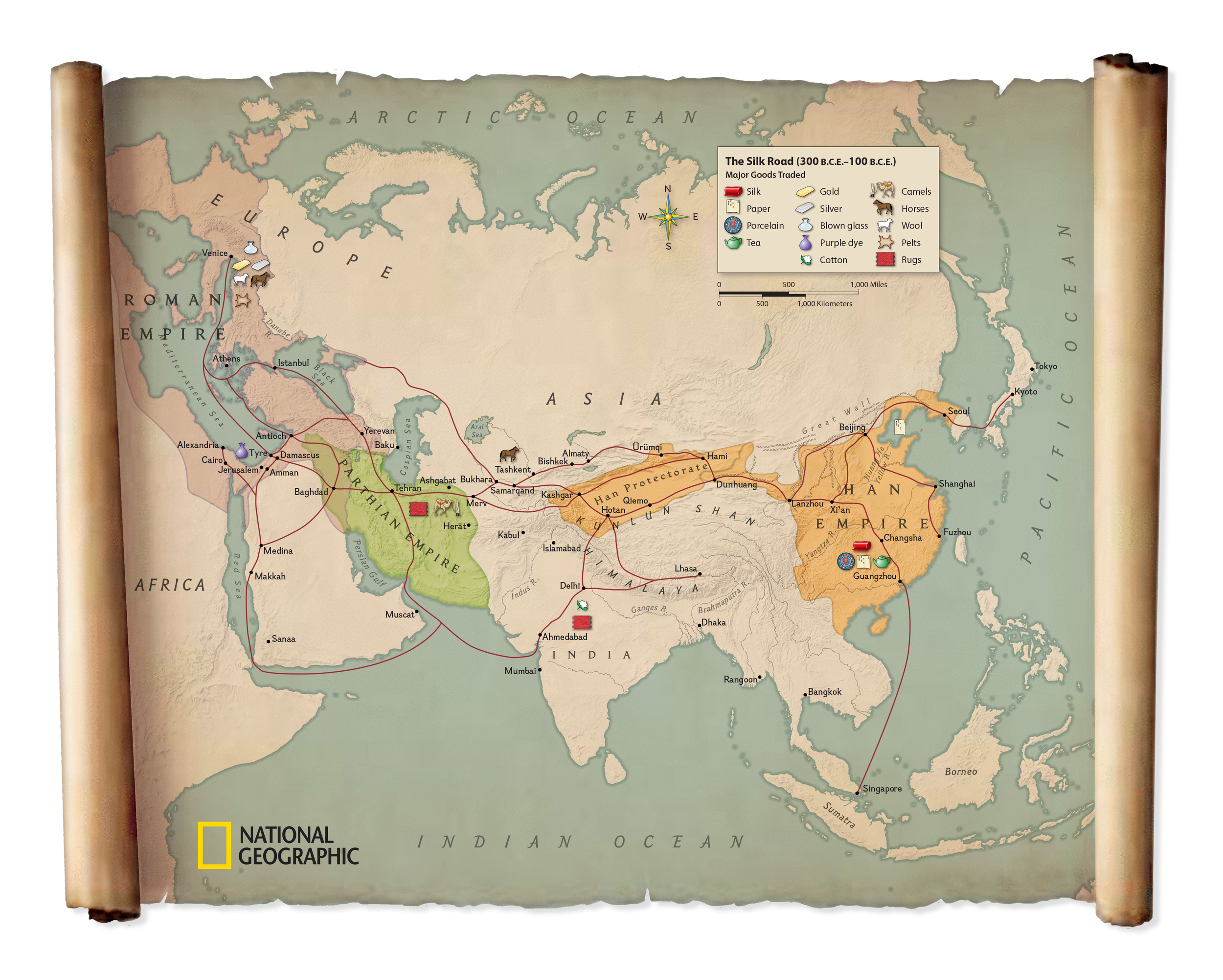
The Silk Road wasn’t a single road, but a vast network of land and sea routes linking China with Central Asia, the Middle East, and Europe. For over 1,500 years, it shaped commerce, culture, and global history.

Origins

The Silk Road began during the Han Dynasty (around 130 BCE) when China sought diplomatic relations and trade with western regions. Silk, highly valued in Rome, became the symbol of the route.

Goods That Traveled

The Silk Road enabled exchange of:

  • Silk, jade, porcelain

  • Gold, silver, horses

  • Spices, textiles, and perfumes

  • Glassware and metalwork

But the most valuable exchange was cultural.

Exchange of Ideas

The Silk Road spread:

  • Buddhism from India to China

  • Art and architecture across Asia

  • Scientific knowledge

  • Music, literature, and languages

It was the world’s earliest example of globalization.

Decline

Sea routes, political turmoil, and the rise of the Ottoman Empire gradually weakened land-based trade.

Yet the Silk Road remains a symbol of global connection and cultural exchange.

The Role of Astronomy in Ancient Civilizations

November 29, 2025

How Early Cultures Used the Stars to Shape Their World

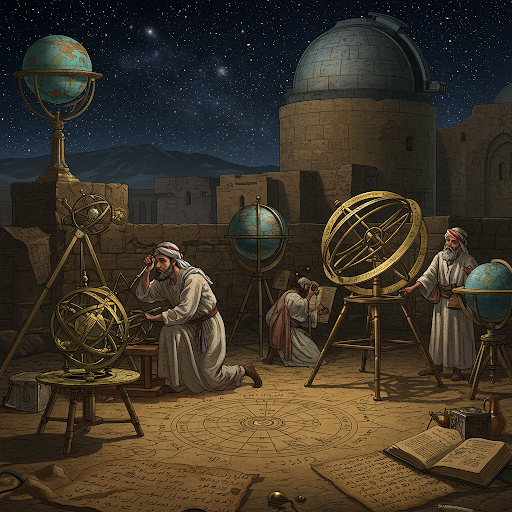
Before telescopes and modern science, ancient peoples looked to the sky to understand time, nature, and the divine. Astronomy guided agriculture, religion, architecture, and even political power.

The Maya: Masters of Celestial Cycles

The Maya tracked:

  • Solar movements

  • Venus cycles

  • Lunar phases

  • Eclipses

Their calendar systems, including the Long Count, were incredibly accurate. Temples like El Castillo at Chichén Itzá align with solstices, showing their skill in astronomical architecture.

Egyptians: Astronomy for Kingship and Eternity

Egyptians used star charts to:

  • Align pyramids precisely with cardinal directions

  • Time religious festivals

  • Track the rising of Sirius, which predicted the Nile flood

Astronomy helped reinforce the pharaoh’s divine authority.

Babylonians: Early Mathematical Astronomy

Babylonians compiled thousands of clay tablets containing:

  • Star catalogues

  • Planetary observations

  • Predictive models

Their systematic approach laid the foundation for later Greek astronomy.

A Universal Human Practice

Across cultures, the sky served as:

  • A calendar

  • A compass

  • A religious symbol

  • A scientific tool

Astronomy connected ancient people to the cosmos and helped shape some of the greatest civilizations.

The Great Fire of Rome: Did Nero Really Play the Lyre?

November 29, 2025

Separating Legend from Reality

In July 64 CE, a massive fire swept through Rome, destroying homes, temples, and entire districts. Within days, rumors circulated that Emperor Nero had set the fire or worse, that he performed music while the city burned. But how much of this is truth, and how much is political myth?

The Fire Itself

The blaze lasted nine days, fueled by tightly packed wooden buildings and strong summer winds. Only four of Rome’s fourteen districts escaped damage. Many citizens were left homeless.

The Famous Myth

The story claims:

  • Nero started the fire to clear land for a new palace

  • He played the lyre and “sang of Troy’s burning” while watching the flames

However, this version appears mostly in hostile sources written after Nero’s death.

What Ancient Evidence Suggests

Roman historian Tacitus often considered the most reliable admits:

  • The cause of the fire is unknown

  • Nero was not in Rome when it started

  • Nero returned to the city and helped with rescue efforts

  • He opened his palace gardens to shelter victims

So why did the myth persist?

Blame and Propaganda

Nero’s political enemies shaped his legacy. He was already unpopular due to controversial decisions, so blaming him for Rome’s greatest disaster made compelling propaganda.

Reality vs. Legend

While Nero was far from innocent in other matters, the idea that he played music during the fire is almost certainly fiction. Like many ancient rulers, his story became a blend of truth and political storytelling.

The Story of the Hanging Gardens of Babylon

November 29, 2025

Were They Real And Where Were They Really Located?

The Hanging Gardens of Babylon are one of the Seven Wonders of the Ancient World, yet their most mysterious feature is that we still don’t know if they ever truly existed. Ancient writers described them as an awe-inspiring paradise: a series of green terraces overflowing with trees, waterfalls, and exotic plants rising above the city of Babylon. But archaeological evidence remains elusive.

Ancient Descriptions

Writers like Strabo and Diodorus Siculus described:

  • Terraced levels supported by stone columns

  • Lush gardens irrigated by an advanced water-lifting system

  • A palace-like setting commissioned by a Babylonian king

The most popular legend claims King Nebuchadnezzar II built the gardens for his homesick Median queen, Amytis, who missed the mountains of her homeland.

The Problem: No Babylonian Records

Despite their fame, there are:

  • No Babylonian inscriptions mentioning the gardens

  • No clear archaeological remains in Babylon

This has led some scholars to question whether the gardens were located somewhere else.

A New Theory: The Gardens Were in Nineveh

Historian Stephanie Dalley proposed that the Hanging Gardens were actually in Assyria, built by King Sennacherib in Nineveh. Evidence includes:

  • Descriptions of terraced gardens in Assyrian texts

  • Relief carvings showing lush palace gardens

  • Advanced aqueduct systems documented in the region

The Assyrians also referred to Nineveh as a “wonder for all people.”

A Wonder Lost to Time

Whether in Babylon, Nineveh, or purely mythological, the Hanging Gardens represent humanity’s ancient dream of creating paradise on earth a dream that continues to inspire modern imaginations.

The Importance of the River Nile to Ancient Egypt

November 29, 2025

The Lifeline That Created One of History’s Greatest Civilizations

The Nile was the heart of Egypt its provider, protector, and sacred guide. Without the river, Egyptian civilization could never have thrived.

Agricultural Abundance

Annual floods deposited nutrient-rich silt across the fields, enabling Egypt to grow surplus grain. The predictability of the flood cycle shaped their calendar and agricultural planning.

Economic and Political Power

The Nile served as a natural highway connecting Upper and Lower Egypt. Boats transported goods, soldiers, and officials, strengthening political unity.

Religious Importance

Egyptians saw the Nile as a divine gift. The god Hapi personified the flood, while Osiris the god of rebirth was linked to the river’s life-giving cycles.

A Symbol of Life

The Nile shaped Egypt’s worldview. It inspired art, poetry, and mythology, and today remains a central feature of Egyptian identity.

← Newer Posts Older Posts →
Featured
image_2026-06-30_222300876.png
July 1, 2026
The Late Bronze Age Collapse and the "Sea Peoples"
July 1, 2026
Read more →
July 1, 2026
image_2026-06-30_222232218.png
July 1, 2026
Philistine DNA: Ashkelon's 3,000-Year European Roots
July 1, 2026
Read more →
July 1, 2026
image_2026-06-30_222201621.png
July 1, 2026
The Imperial Influx and Modern Isolation
July 1, 2026
Read more →
July 1, 2026
image_2026-06-30_222128702.png
July 1, 2026
The Grand Paradox: Genes vs. Language
July 1, 2026
Read more →
July 1, 2026
image_2026-06-30_222053651.png
July 1, 2026
The Genomic Disruption: Mapping the Central Italian Time-Transect
July 1, 2026
Read more →
July 1, 2026
image_2026-06-30_222017899.png
July 1, 2026
The Historical Crossfire: Herodotus vs. Dionysius
July 1, 2026
Read more →
July 1, 2026
read more

Powered by The archaeologist