• MAIN PAGE
  • LATEST NEWS
    • Lost Cities
    • Archaeology's Greatest Finds
    • Underwater Discoveries
    • Greatest Inventions
    • Studies
    • Blog
  • PHILOSOPHY
  • HISTORY
  • RELIGIONS
    • Africa
    • Anatolia
    • Arabian Peninsula
    • Balkan Region
    • China - East Asia
    • Europe
    • Eurasian Steppe
    • Levant
    • Mesopotamia
    • Oceania - SE Asia
    • Pre-Columbian Civilizations of America
    • Iranian Plateau - Central Asia
    • Indus Valley - South Asia
    • Japan
    • The Archaeologist Editor Group
    • Scientific Studies
    • Aegean Prehistory
    • Historical Period
    • Byzantine Middle Ages
    • Predynastic Period
    • Dynastic Period
    • Greco-Roman Egypt
  • Rome
  • PALEONTOLOGY
  • About us
Menu

The Archaeologist

  • MAIN PAGE
  • LATEST NEWS
  • DISCOVERIES
    • Lost Cities
    • Archaeology's Greatest Finds
    • Underwater Discoveries
    • Greatest Inventions
    • Studies
    • Blog
  • PHILOSOPHY
  • HISTORY
  • RELIGIONS
  • World Civilizations
    • Africa
    • Anatolia
    • Arabian Peninsula
    • Balkan Region
    • China - East Asia
    • Europe
    • Eurasian Steppe
    • Levant
    • Mesopotamia
    • Oceania - SE Asia
    • Pre-Columbian Civilizations of America
    • Iranian Plateau - Central Asia
    • Indus Valley - South Asia
    • Japan
    • The Archaeologist Editor Group
    • Scientific Studies
  • GREECE
    • Aegean Prehistory
    • Historical Period
    • Byzantine Middle Ages
  • Egypt
    • Predynastic Period
    • Dynastic Period
    • Greco-Roman Egypt
  • Rome
  • PALEONTOLOGY
  • About us

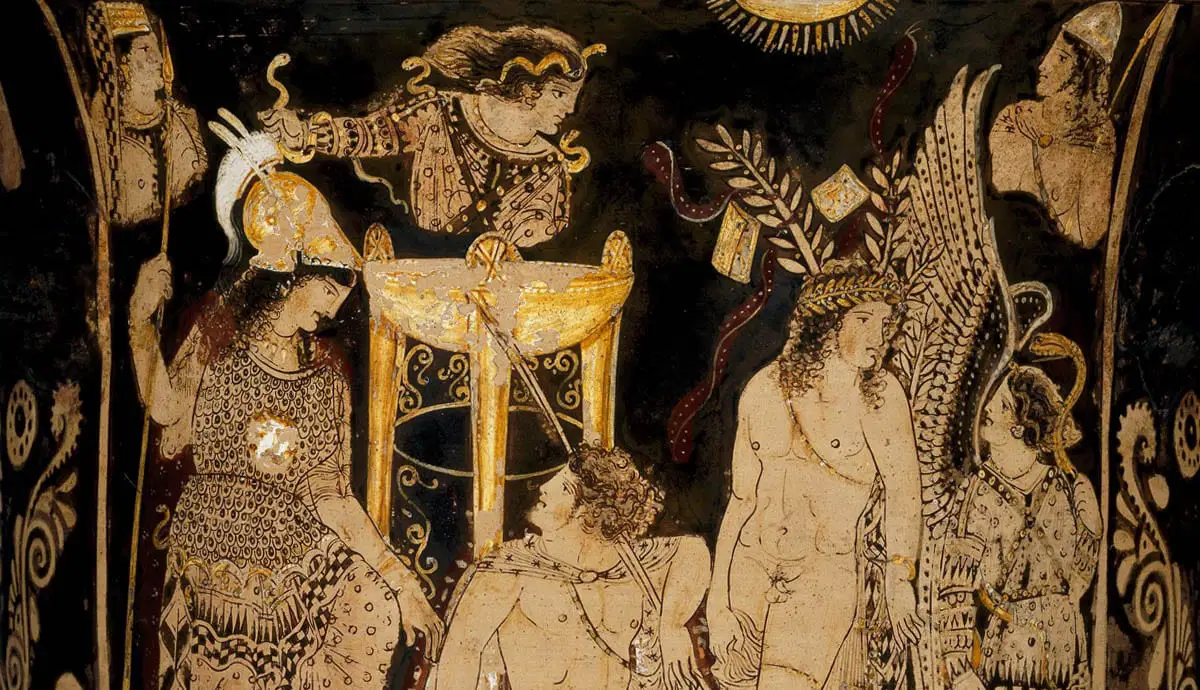
The Importance of the Oracle of Delphi

November 29, 2025

How a Single Sanctuary Influenced Greece for Centuries

The Oracle of Delphi was one of the most powerful religious institutions in ancient Greece. Leaders from across the Greek world sought its guidance.

How the Oracle Worked

A priestess called the Pythia delivered messages from Apollo while in a trance-like state. Priests then interpreted her words for visitors.

Political and Cultural Influence

City-states asked the oracle about:

  • War strategies

  • Colony foundations

  • Religious laws

  • Diplomacy

Even powerful rulers respected the oracle’s authority.

A Center of Religion and Unity

Delphi also served as a gathering place for festivals, athletic games, and shared Greek identity.

An Enduring Legacy

Though the oracle declined with the rise of Christianity, its influence remains visible in literature, history, and legend.

The Art of Ancient Cave Paintings: What Do They Tell Us?

November 29, 2025

Understanding the Earliest Expressions of Human Creativity

Cave paintings found in places like Lascaux, Chauvet, and Altamira offer insight into prehistoric life and the minds of early humans.

What They Depict

Common images include:

  • Animals

  • Hunting scenes

  • Handprints

  • Abstract symbols

These artworks were often created deep within caves, suggesting a special purpose.

Possible Meanings

Scholars propose several interpretations:

  • Rituals or spiritual beliefs

  • Teaching tools for hunting

  • Early storytelling

  • Ways to record important events

Why They Matter

Cave paintings reveal:

  • Early humans’ artistic abilities

  • Their relationship with nature

  • Their desire to communicate and preserve memory

A Glimpse Into the Distant Past

These paintings are among the oldest surviving expressions of human imagination and identity.

The Lost Civilization of the Minoans

November 29, 2025

An Advanced Culture—and a Potential Source for the Atlantis Legend

The Minoan civilization flourished on the island of Crete around 2000–1400 BCE. Known for their vibrant art, palaces, and maritime trade, the Minoans created one of the earliest advanced cultures in Europe.

Achievements and Culture

Minoans excelled in:

  • Architecture (such as the palace of Knossos)

  • Pottery and fresco painting

  • Navigation and trade

  • Complex religious practices

Their society appears to have been peaceful and prosperous compared to neighboring cultures.

What Caused Their Decline?

Several factors may have contributed:

  • A massive volcanic eruption at Thera (Santorini)

  • Earthquakes

  • Shifts in trade

  • Possible invasion by the Mycenaeans

The Atlantis Connection

Some scholars believe the destruction of Thera inspired Plato’s story of Atlantis—a powerful civilization wiped out by natural disaster.

A Culture Rediscovered

The Minoans remain a symbol of early European creativity, innovation, and mystery.

The Role of Myth in the Founding of Rome

November 29, 2025

Romulus, Remus, and the Birth of Roman Identity

The founding of Rome is tied to the myth of Romulus and Remus twin brothers raised by a she-wolf and destined for greatness.

The Central Story

According to legend:

  • The twins were descendants of Aeneas of Troy

  • They were abandoned at birth and rescued by a wolf

  • They grew into leaders who chose the site of Rome

  • Romulus killed Remus during a dispute and became the city’s first king

How the Myth Shaped Rome

The story emphasized values Romans admired:

  • Strength

  • Divine favor

  • Destiny

  • Loyalty to the city above all

Myth and Reality

While archaeological evidence shows early settlements on the Palatine Hill, the myth served more as a political tool that united Rome and justified its power.

A Legend That Lives On

Even today, the tale of Romulus and Remus symbolizes Rome’s origins and its enduring cultural legacy.

The Mysterious Death of Alexander the Great

November 29, 2025

Poison, Illness, or Something Else?

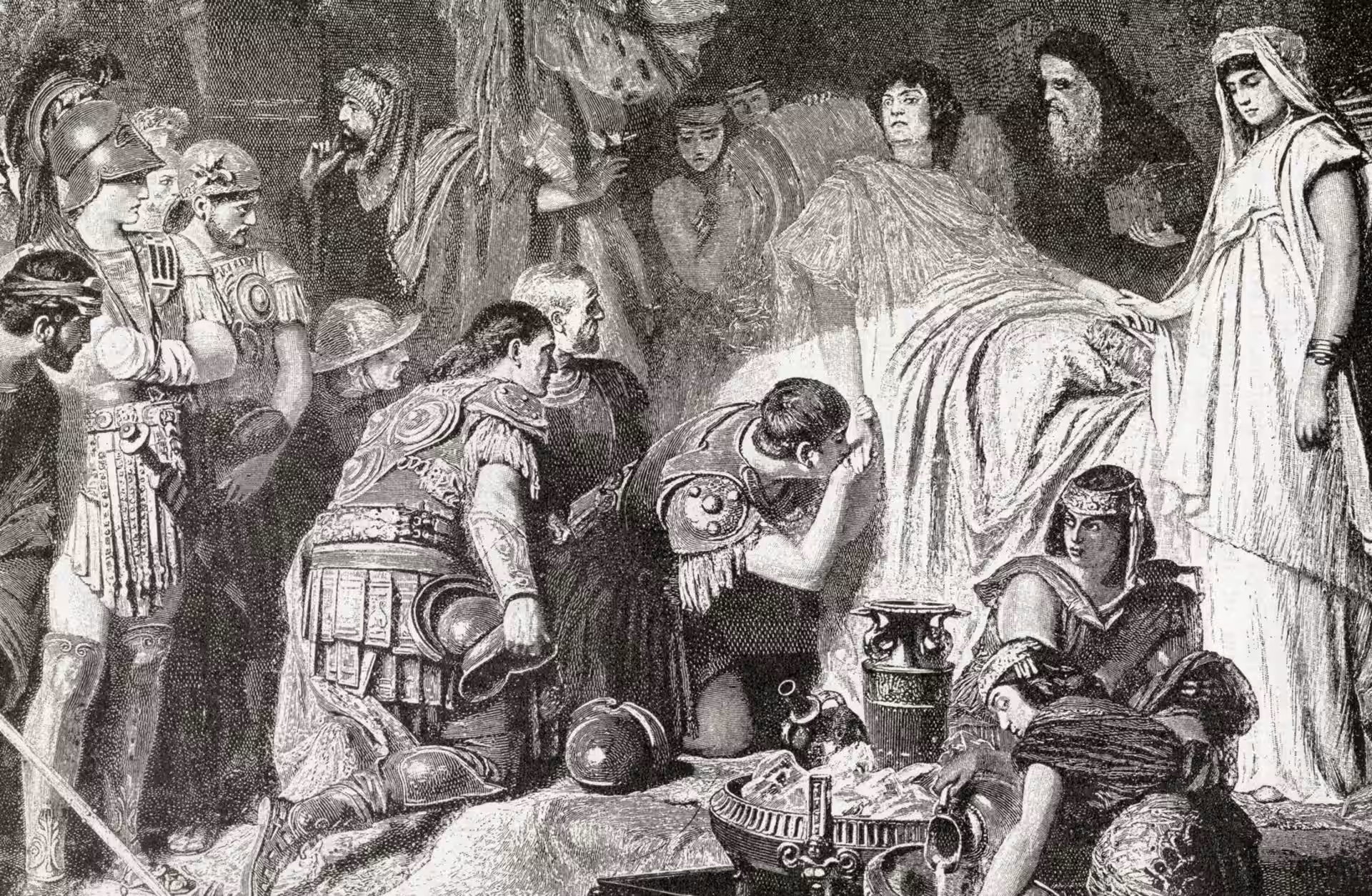
Alexander the Great died in Babylon in 323 BCE at just 32 years old, leaving behind a vast empire and a mystery that endures to this day.

The Final Days

Ancient accounts describe a sudden fever, weakness, and progressive paralysis. He remained mentally alert but unable to speak by the end.

Theories About His Death

Several explanations persist:

  • Poisoning – A popular idea but unlikely, as most toxins act faster than the 12 days his illness reportedly lasted.

  • Malaria or typhoid – Common in the region and consistent with recorded symptoms.

  • Autoimmune disorders – Some historians suggest Guillain-Barré syndrome.

  • Alcohol-related illness – Ancient texts describe a night of heavy drinking before symptoms began.

Why the Truth Is Hard to Find

Alexander’s body was never autopsied, and historical accounts differ. Political intrigue in his court may also have shaped later stories.

A Mystery That Continues

His death remains unsolved, contributing to the legend of a man whose life and end changed the ancient world.

The Role of Women in Ancient Egypt

November 29, 2025

Rights, Status, and the Legacy of Powerful Queens

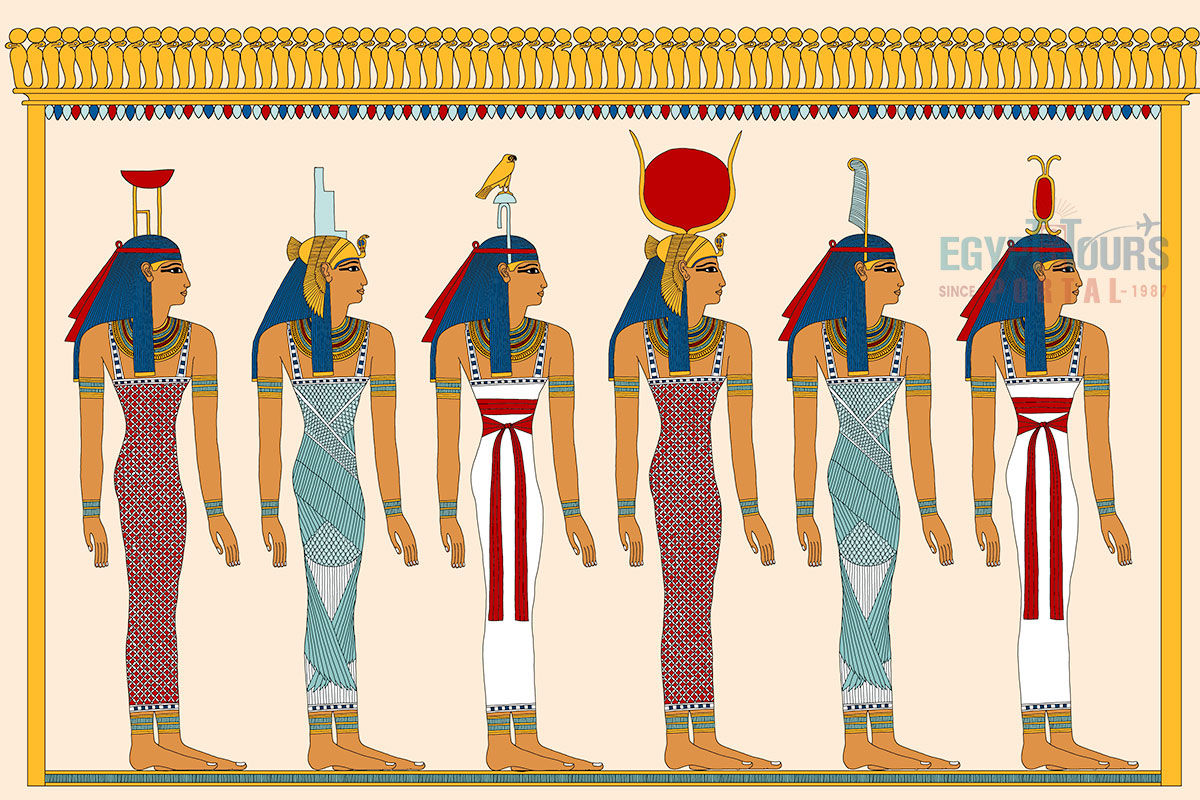
Women in ancient Egypt enjoyed a level of freedom and legal rights unusual for the ancient world. They could own property, initiate divorce, run businesses, and hold religious positions.

Everyday Rights and Social Status

Egyptian women could:

  • Own and inherit land

  • Manage finances

  • Represent themselves in court

  • Engage in trade

Their roles varied widely—from farmers and artisans to priestesses and wealthy elites.

Famous Female Leaders

Egypt also produced influential rulers:

  • Hatshepsut – One of the most successful pharaohs, known for peace, trade, and monumental architecture.

  • Nefertiti – A queen associated with the religious revolution under Akhenaten.

  • Cleopatra VII – The last pharaoh, celebrated for her political skill, diplomacy, and command of multiple languages.

A Unique Place in History

While ancient societies often limited women, Egypt stands out for granting them rights and opportunities that would not reappear in many cultures for centuries.

The Lost Civilization of Cahokia

November 29, 2025

Exploring North America’s Ancient Urban Center

Cahokia was a massive and complex city located near modern-day St. Louis. At its height around 1050–1200 CE, it was one of the largest urban centers in North America.

A Monumental City

Cahokia featured enormous earthen mounds, central plazas, and organized neighborhoods. Monks Mound remains one of the largest prehistoric earthworks in the Western Hemisphere.

A Network of Influence

The city thrived on:

  • Farming

  • Craft production

  • Trade across vast distances

Its people built a sophisticated society with religious centers, political structures, and vibrant cultural practices.

Why Cahokia Declined

Possible reasons include environmental stress, resource depletion, climate shifts, or social changes. No single answer explains its disappearance.

A Civilization Rediscovered

Cahokia challenges the idea that complex cities only rose in Europe or Mesoamerica, proving that North America had advanced societies long before European contact.

The Role of Gladiators in Roman Society

November 29, 2025

Life, Combat, and the Purpose of Arena Games

Gladiators were trained fighters who performed in arenas like the Colosseum. Their lives were harsh, but they held a unique place in Roman culture.

Who Became Gladiators?

Most were enslaved individuals or prisoners of war, though some volunteered seeking fame or payment.

Training and Combat

They trained in specialized schools, learning various fighting styles and weapon techniques. Matches ranged from ritualized combat to dramatic displays meant to entertain crowds.

Social and Political Purpose

The games served as:

  • Public entertainment

  • Displays of power by political leaders

  • Ritual events tied to Roman beliefs about honor, death, and spectacle

A Complex Legacy

While often remembered for violence, gladiators also symbolize courage, discipline, and the dramatic culture of ancient Rome.

The History of Ancient Coins and Currency

November 29, 2025

How Early Civilizations Invented Money and Trade Systems

The development of currency transformed economic life, allowing communities to move beyond bartering and create more complex trade systems.

Early Forms of Money

Before coins, people used items like shells, beads, and metal pieces as a medium of exchange.

The First Coins

Lydia, in modern Turkey, created some of the earliest known coins around the 7th century BCE. These coins were made of electrum and stamped with royal symbols.

Spread Across the Ancient World

Coinage quickly spread to Greece, Persia, India, and China. It made trade easier, supported taxation, and strengthened political authority.

Economic Innovation

Currency allowed civilizations to:

  • Build markets

  • Expand trade routes

  • Standardize value

  • Support growing economies

A Foundation for Modern Finance

These early innovations paved the way for today’s global monetary systems.

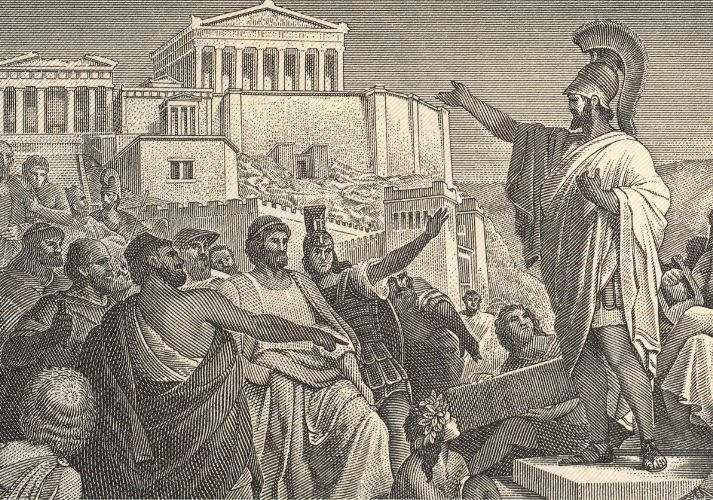
The Golden Age of Athens

November 29, 2025

Politics, Art, and Intellectual Flourishing in the 5th Century BCE

The 5th century BCE marks a period of remarkable growth in Athens, often called the Golden Age. Under leaders like Pericles, the city became a center of democracy, culture, and innovation.

Political Achievements

This era saw:

  • The rise of democratic governance

  • Public participation in decision-making

  • Expansion of civic rights for citizens

Artistic and Architectural Wonders

Athens constructed iconic monuments such as the Parthenon and supported artists, sculptors, and playwrights who shaped Western art.

A Hub of Philosophy and Learning

Thinkers like Socrates, Anaxagoras, and later Plato contributed ideas that influenced ethics, politics, and science.

A Legacy That Endures

The Golden Age established foundations for literature, architecture, and political thought that continue to inspire societies today.

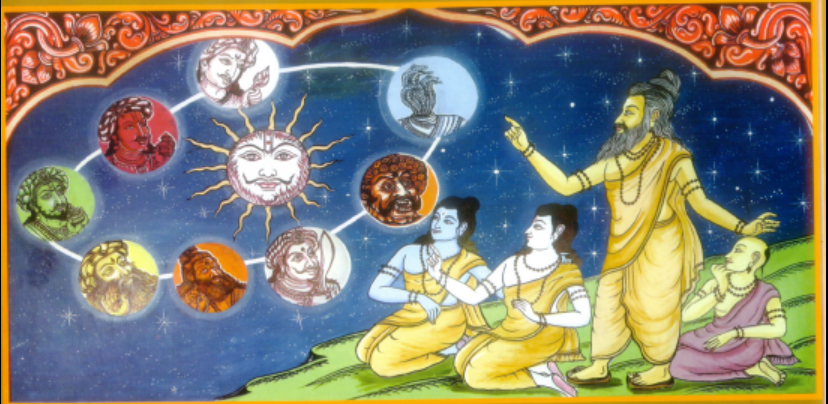
The Role of Astrology in Ancient India

November 29, 2025

How Celestial Beliefs Influenced Culture and Religion

Astrology has deep roots in Indian civilization, shaping personal decisions, religious rituals, and societal customs for thousands of years.

Origins in the Vedic Tradition

Ancient texts like the Vedas and Vedanga Jyotisha laid the foundations for Indian astrology, known as Jyotish. Scholars studied planetary movements to determine auspicious times for ceremonies.

Influence on Daily Life

Astrology guided:

  • Marriage arrangements

  • Festivals and rituals

  • Agricultural planning

  • Royal decisions

A Spiritual and Scientific Blend

In Indian culture, astronomy and astrology developed together, linking cosmic order with human destiny.

A Continuing Tradition

Despite centuries of change, astrology remains an important part of India’s cultural identity and spiritual landscape.

The Mystery of the Vinland Map

November 29, 2025

Is It Real Evidence of Viking Exploration in North America?

The Vinland Map gained worldwide attention when it appeared to show parts of North America long before Columbus. It suggested Viking explorers had charted the region centuries earlier.

Arguments for Authenticity

Supporters claimed the map’s medieval style and references matched Norse accounts of Vinland, a region described in the Icelandic sagas.

Arguments Against It

Modern testing revealed questionable ink and materials inconsistent with known medieval manuscripts. Many scholars now consider it a likely forgery.

What We Know for Sure

Regardless of the map’s authenticity, archaeological evidence from L’Anse aux Meadows in Canada confirms that Vikings reached North America around the 11th century.

A Debate That Continues

The Vinland Map remains controversial, reflecting how mysteries and potential discoveries capture the imagination of historians and the public alike.

The Giant Statues of Easter Island: Moai and Their Meaning

November 29, 2025

The Story Behind the Mysterious Stone Figures

Easter Island, or Rapa Nui, is home to the famous Moai towering stone statues carved by the island’s early inhabitants. Their origins and purpose continue to inspire wonder.

How the Moai Were Made

Carved from volcanic tuff, each Moai features a distinct face and towering presence. Many were transported across the island using sophisticated methods that remain debated today.

Their Purpose and Symbolism

The Moai are believed to represent revered ancestors or chiefs. Placed on stone platforms called ahu, they watched over villages, offering spiritual protection.

Cultural Significance

The statues reflect:

  • Social hierarchy

  • Artistic talent

  • Religious beliefs

  • Community unity

A Legacy in Stone

Despite environmental challenges and societal changes, the Moai remain powerful symbols of the creativity and resilience of the Rapa Nui people.

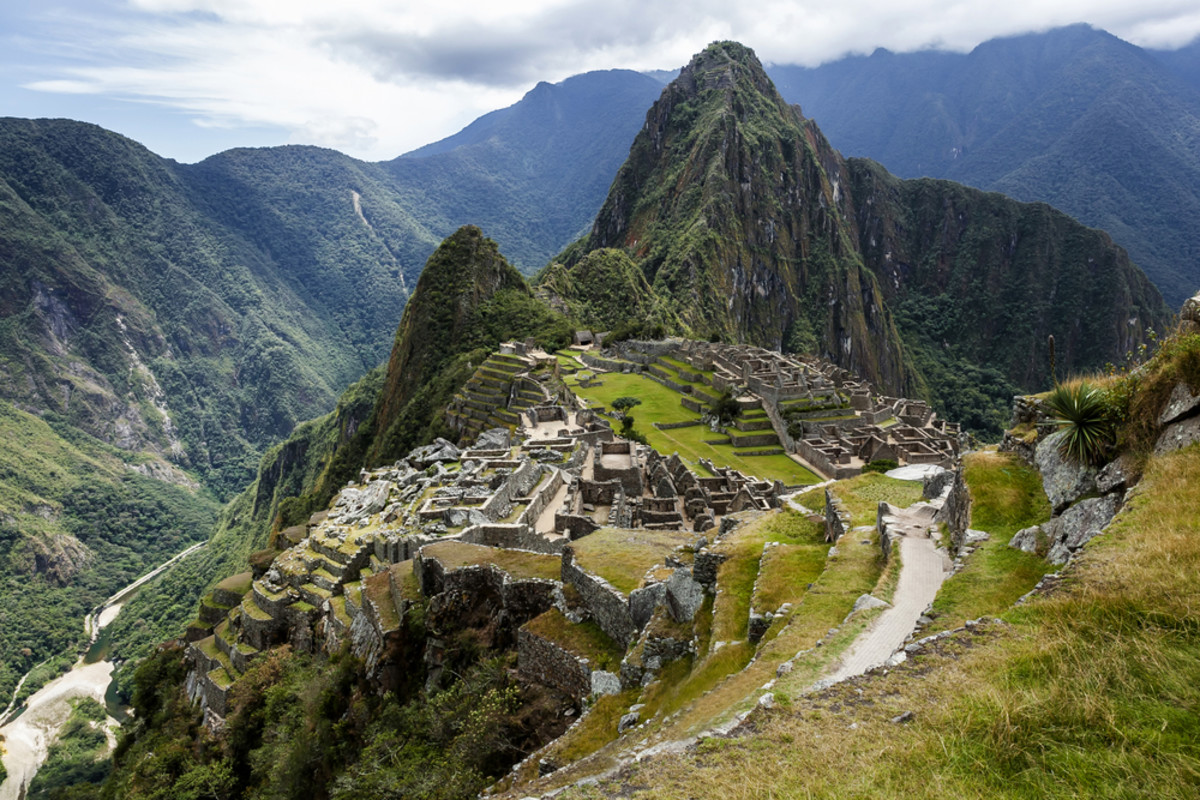
The Ancient Road Networks of the Inca Empire

November 29, 2025

How the Incas Built One of the World’s Great Trail Systems

The Inca Empire developed an extraordinary network of roads across the Andes, connecting cities, trade centers, and agricultural regions over vast and challenging terrain.

Engineering in Extreme Landscapes

Inca engineers built stone-paved roads, rope suspension bridges, stairways, and tunnels. These pathways crossed deserts, mountains, and forests, showing remarkable adaptability.

Communication and Control

The road system supported:

  • Rapid communication via runners called chaskis

  • Military movement

  • Transport of goods

  • Administrative control

The Qhapaq Ñan

The most famous route, the Qhapaq Ñan, stretched thousands of kilometers from Ecuador to Chile and remains a UNESCO World Heritage Site.

A Testament to Inca Innovation

These roads helped unify the empire and remain one of the most impressive engineering achievements of the ancient world.

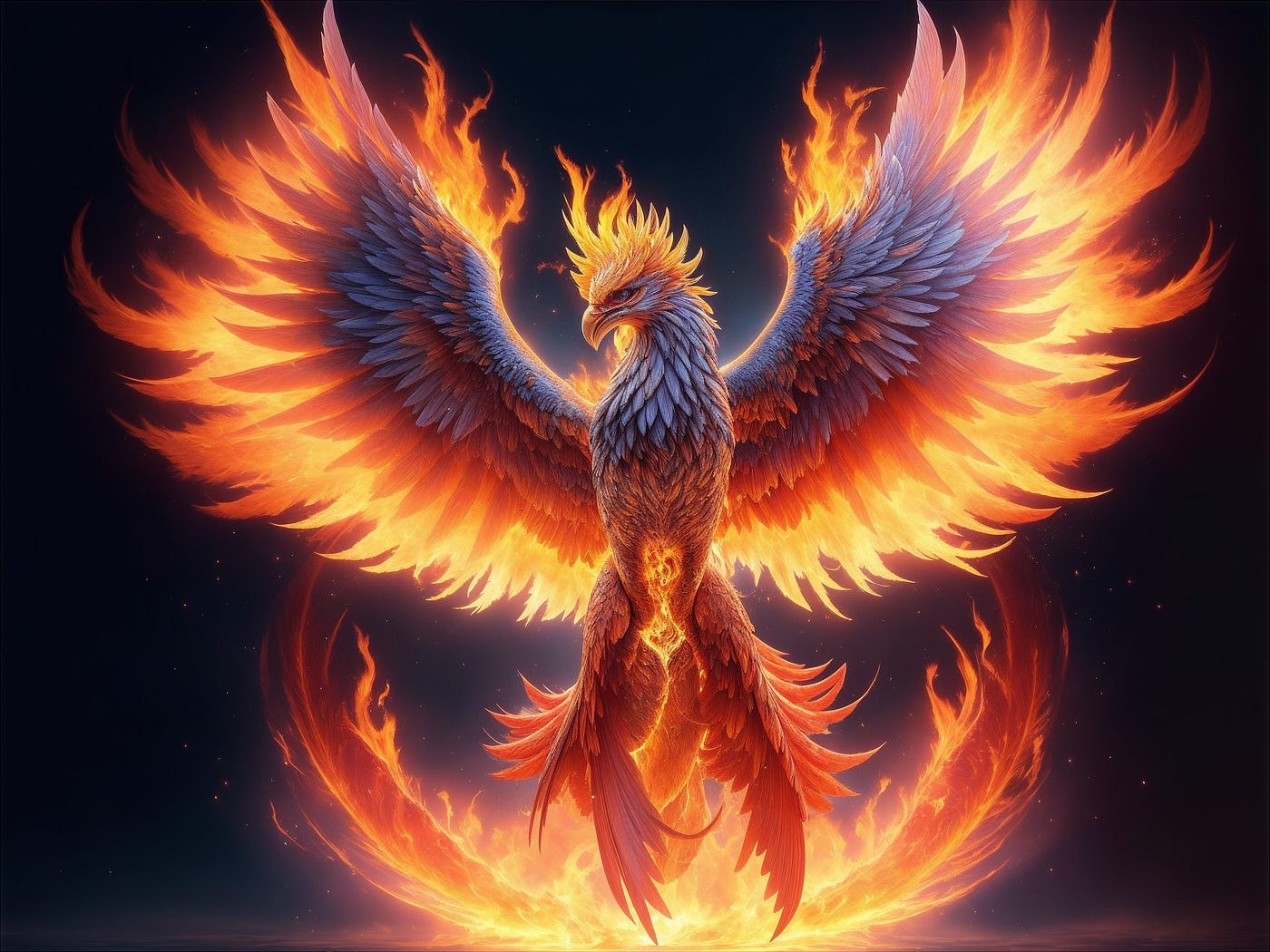
The Myth of the Phoenix: A Bird of Fire and Rebirth

November 29, 2025

he Origins and Symbolism of the Legendary Firebird

The phoenix is a legendary creature known for rising from its own ashes. Although most commonly associated with Greek tradition, similar myths appear across many cultures.

Where the Phoenix Story Began

Ancient Greek writers described the phoenix as a brilliant bird that lived for centuries before burning itself and being reborn. However, Egyptian myths of the Bennu bird may have inspired the concept.

Symbolic Meanings Across Cultures

The phoenix often represents:

  • Rebirth and renewal

  • Immortality

  • Transformation

  • Cycles of destruction and creation

In Asian traditions, the fenghuang symbolizes balance, harmony, and virtue rather than fire.

A Universal Symbol

The phoenix remains an enduring emblem of hope, resilience, and new beginnings in literature, religion, and modern storytelling.

The History of Chinese Oracle Bones

November 29, 2025

How Ancient Rulers Used Bones to Seek Guidance

Oracle bones represent one of the earliest forms of Chinese writing and offer a rare look into the decision-making of Shang Dynasty rulers. These bones typically ox scapulae or turtle shells served as tools for divination.

How Divination Worked

Priests carved questions on the bones, often about warfare, harvests, weather, or royal affairs. They then applied heat until the bones cracked.

Reading the Cracks

The shapes of the cracks were interpreted as messages from ancestors or deities. The results, along with the questions, were recorded on the bones, preserving valuable historical information.

Why Oracle Bones Matter

These artifacts reveal:

  • Early Chinese writing

  • Details of daily life and royal concerns

  • The spiritual beliefs of the Shang Dynasty

A Window Into Ancient Thought

Oracle bones bridge the worlds of archaeology and spirituality, showing how rulers sought divine approval before making important decisions.

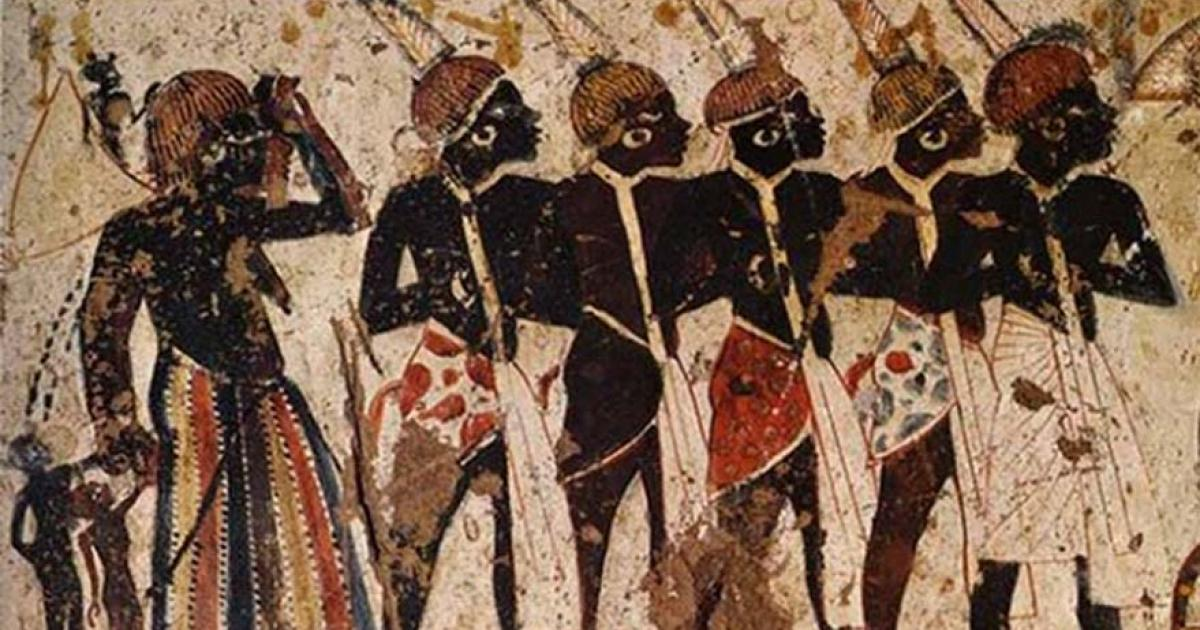
The Forgotten Pyramid of Nubia

November 29, 2025

Exploring the Overlooked Pyramids of the Kingdom of Kush

While Egypt’s pyramids are world-famous, the region of Nubia modern Sudan holds more pyramids than Egypt itself.

A Distinct Architectural Tradition

Kushite pyramids are smaller, steeper, and uniquely decorated. Built as royal tombs, they reflect the powerful culture that ruled the region for centuries.

The Kingdom of Kush

Kush rose to prominence along the Nile, eventually ruling Egypt as the 25th Dynasty. Their burial grounds at Meroë and Nuri reveal a rich blend of African and Egyptian influences.

Rediscovery and Preservation

Many pyramids were damaged by ancient looters or early explorers, but modern archaeologists continue to uncover artifacts and inscriptions that deepen our understanding of Kushite history.

A Heritage Worth Celebrating

Nubia’s pyramids remind us that Africa’s ancient civilizations were diverse, innovative, and deeply interconnected.

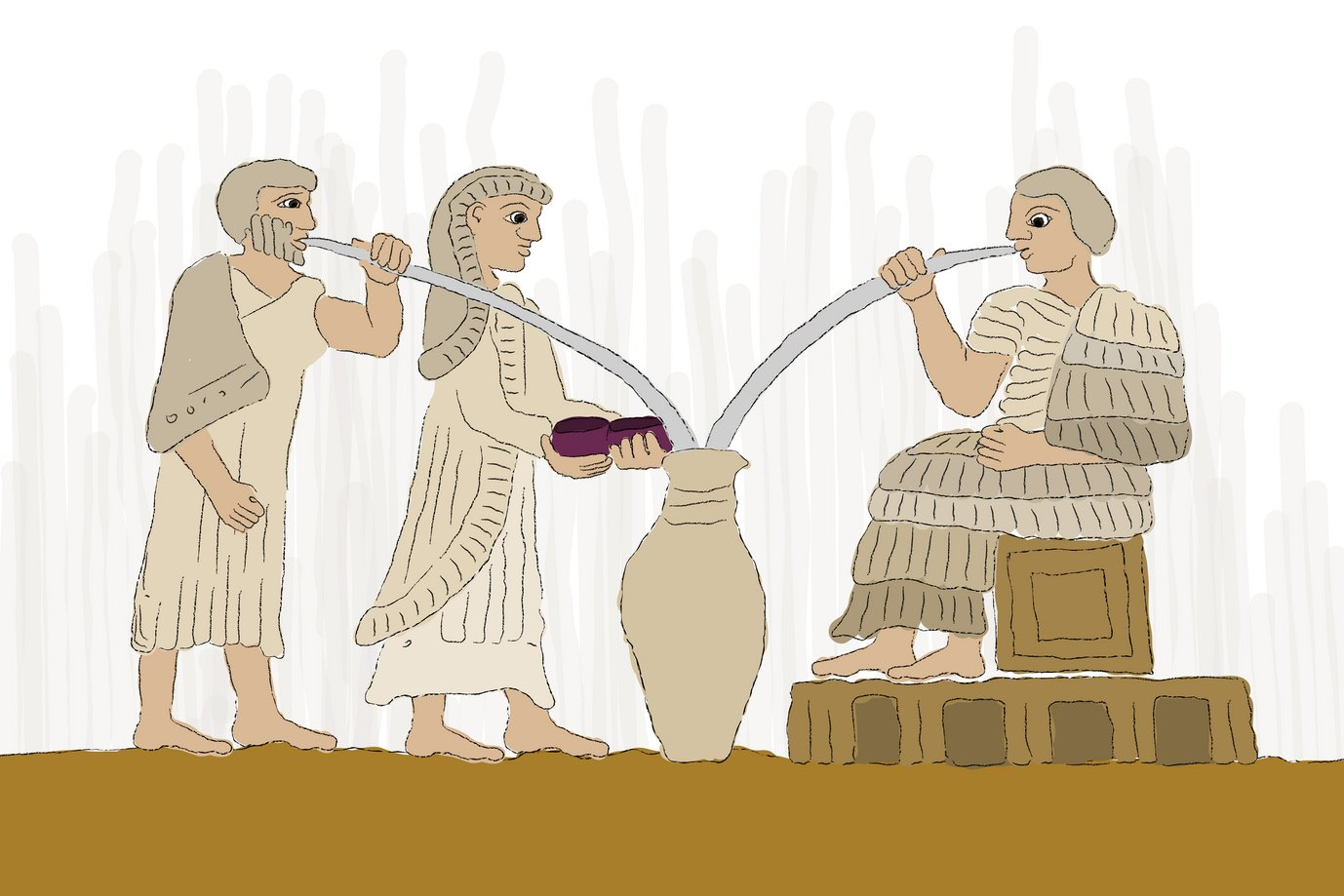
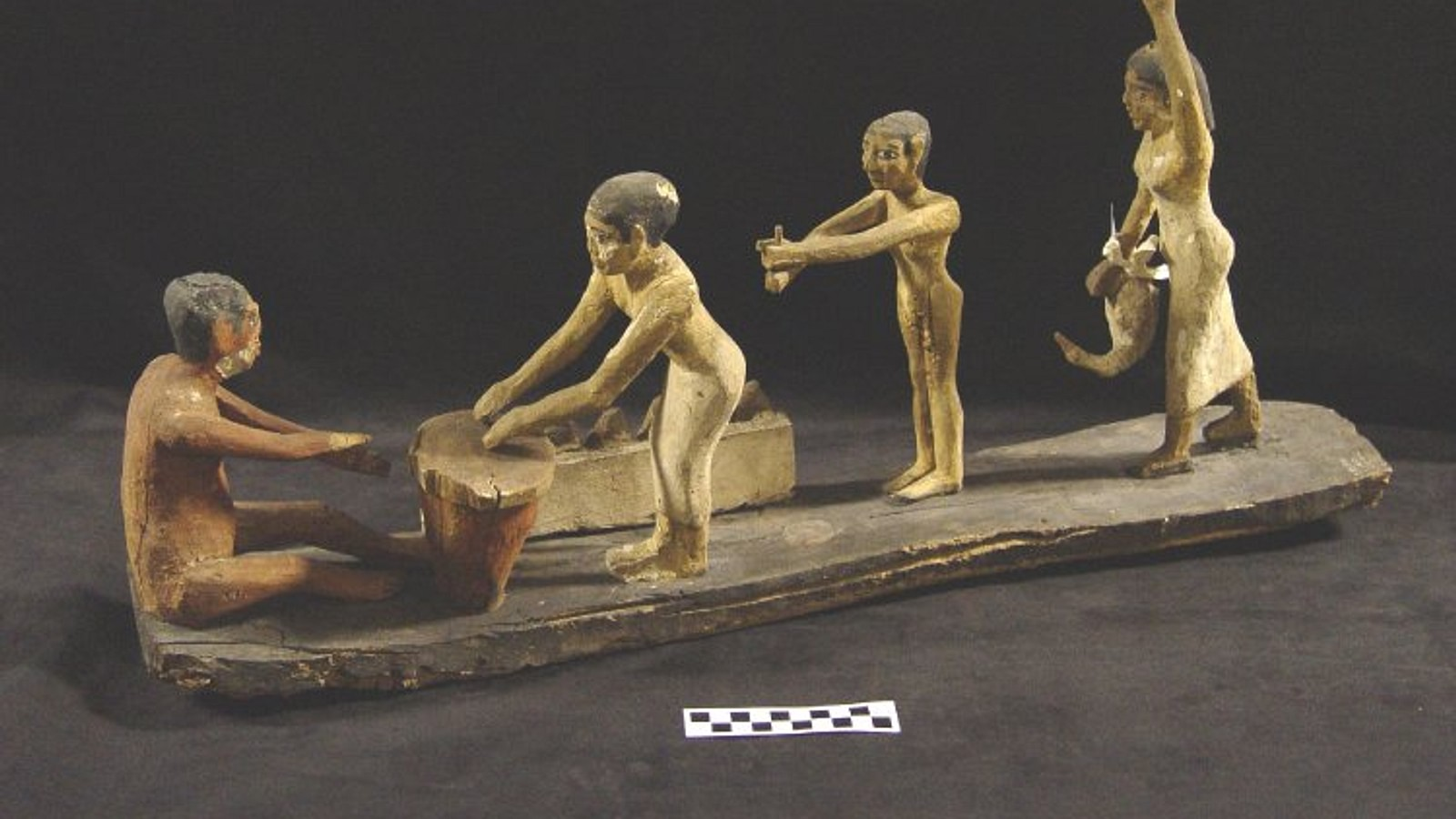
The Role of Beer in Ancient Mesopotamian Society

November 29, 2025

Brewing, Rituals, and Everyday Life

Beer was more than a drink in Mesopotamia it was a staple of daily living, a religious offering, and a source of nutrition.

How It Was Made

Brewers used fermented grains, malted barley, and specially baked bread to create a thick, nutritious beverage. Different varieties existed for different occasions.

A Drink for All Classes

Beer appeared in:

  • Worker rations

  • Royal banquets

  • Religious ceremonies

  • Medical prescriptions

It also played a role in social gatherings and economic exchanges.

Cultural Importance

Sumerian hymns even praise Ninkasi, the goddess of brewing, showing beer’s spiritual significance.

A Drink That Shaped Civilization

Beer connected communities, supported labor, and became a defining feature of early Mesopotamian life.

The Lost Kingdom of Yam

November 29, 2025

Unraveling the Mystery of an Ancient African Power

Yam appears in Egyptian records as a distant, wealthy land south of the Nile. Although its exact location remains uncertain, the kingdom played a major role in early African trade.

Clues From Ancient Texts

Old Kingdom inscriptions describe expeditions sent to Yam for goods like ivory, incense, and exotic animals.

Possible Locations

Scholars propose several sites:

  • Regions near modern-day Sudan

  • Areas west of Nubia

  • Trade hubs deep in central Africa

Its disappearance may be linked to shifting trade routes or environmental changes.

A Civilization Lost to Time

Though Yam remains unidentified, its influence highlights Africa’s long history of trade, diplomacy, and cultural exchange.

The Role of Salt in Ancient Economies

November 29, 2025

How a Common Mineral Became a Global Commodity

Salt played a crucial role in ancient societies, not only as a seasoning but as a tool for survival, preservation, and trade.

A Lifeline for Food Preservation

Before refrigeration, salt allowed people to preserve meat, fish, and vegetables, enabling long-distance travel and trade.

Trade Routes and Wealth

Civilizations built entire economies around salt:

  • The Roman “Via Salaria”

  • African trans-Saharan salt caravans

  • Chinese imperial salt taxes

Salt could be so valuable that it was sometimes used as currency.

Cultural and Ritual Uses

Beyond economics, salt held symbolic meaning for purification, protection, and diplomacy.

An Everyday Item With Extraordinary Power

Salt shaped trade networks, wealth systems, and cultural traditions across the ancient world.

← Newer Posts Older Posts →
Featured
image_2025-12-29_232938667.png
Dec 29, 2025
3,000 BC find takes archaeologists by surprise
Dec 29, 2025
Read More →
Dec 29, 2025
image_2025-12-29_232158886.png
Dec 29, 2025
Fort dig reveals glimpse into Roman daily life
Dec 29, 2025
Read More →
Dec 29, 2025
image_2025-12-29_231742439.png
Dec 29, 2025
Türkiye digs uncover ancient olive oil industry in Syedra
Dec 29, 2025
Read More →
Dec 29, 2025
image_2025-12-29_230836192.png
Dec 29, 2025
Dutch defense bomb disposal team dismantles record 3,438 explosives in 2025
Dec 29, 2025
Read More →
Dec 29, 2025
image_2025-12-29_225748111.png
Dec 29, 2025
Earliest known coin minted in Scotland acquired for the nation
Dec 29, 2025
Read More →
Dec 29, 2025
image_2025-12-29_225305072.png
Dec 29, 2025
Kelso: Housing development stalled during pandemic now approved
Dec 29, 2025
Read More →
Dec 29, 2025
read more

Powered by The archaeologist