• MAIN PAGE
  • LATEST NEWS
    • Lost Cities
    • Archaeology's Greatest Finds
    • Underwater Discoveries
    • Greatest Inventions
    • Studies
    • Blog
  • PHILOSOPHY
  • HISTORY
  • RELIGIONS
    • Africa
    • Anatolia
    • Arabian Peninsula
    • Balkan Region
    • China - East Asia
    • Europe
    • Eurasian Steppe
    • Levant
    • Mesopotamia
    • Oceania - SE Asia
    • Pre-Columbian Civilizations of America
    • Iranian Plateau - Central Asia
    • Indus Valley - South Asia
    • Japan
    • The Archaeologist Editor Group
    • Scientific Studies
    • Aegean Prehistory
    • Historical Period
    • Byzantine Middle Ages
    • Predynastic Period
    • Dynastic Period
    • Greco-Roman Egypt
  • Rome
  • PALEONTOLOGY
  • About us
Menu

The Archaeologist

  • MAIN PAGE
  • LATEST NEWS
  • DISCOVERIES
    • Lost Cities
    • Archaeology's Greatest Finds
    • Underwater Discoveries
    • Greatest Inventions
    • Studies
    • Blog
  • PHILOSOPHY
  • HISTORY
  • RELIGIONS
  • World Civilizations
    • Africa
    • Anatolia
    • Arabian Peninsula
    • Balkan Region
    • China - East Asia
    • Europe
    • Eurasian Steppe
    • Levant
    • Mesopotamia
    • Oceania - SE Asia
    • Pre-Columbian Civilizations of America
    • Iranian Plateau - Central Asia
    • Indus Valley - South Asia
    • Japan
    • The Archaeologist Editor Group
    • Scientific Studies
  • GREECE
    • Aegean Prehistory
    • Historical Period
    • Byzantine Middle Ages
  • Egypt
    • Predynastic Period
    • Dynastic Period
    • Greco-Roman Egypt
  • Rome
  • PALEONTOLOGY
  • About us

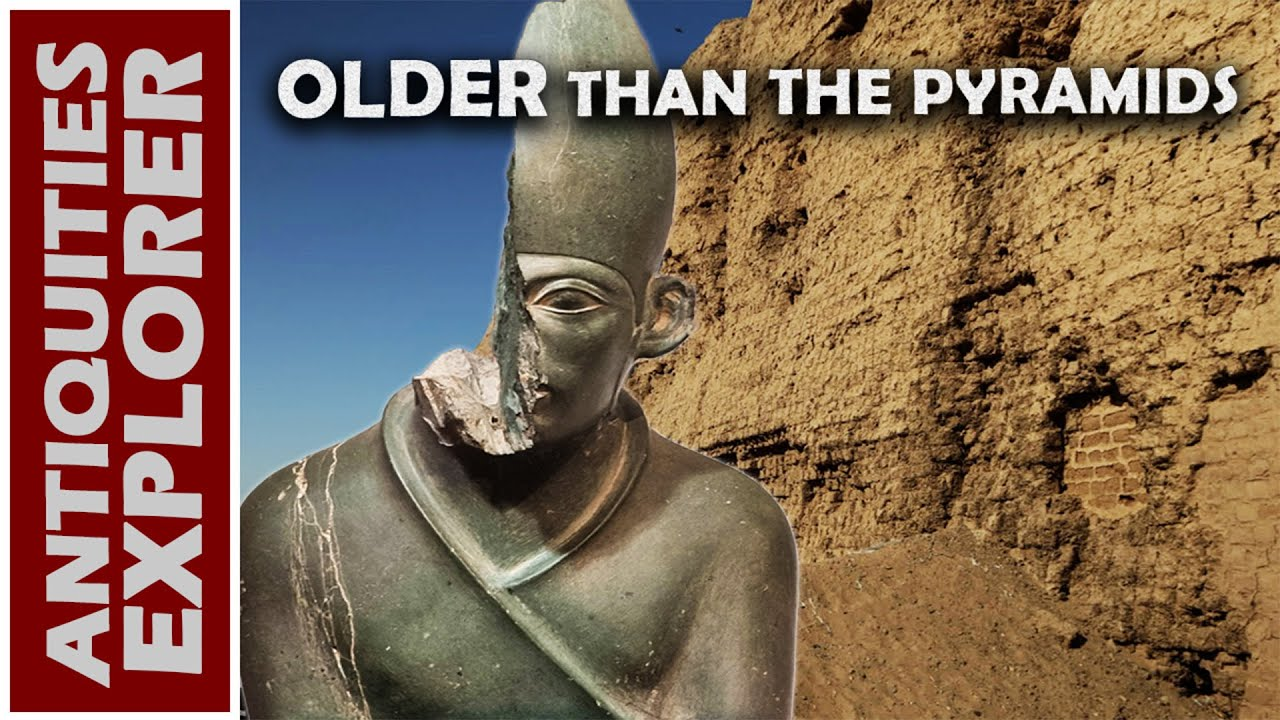
Egypt's First Monumental Building (Off Limits to the Public)

February 20, 2026

Egypt’s Earliest Cities

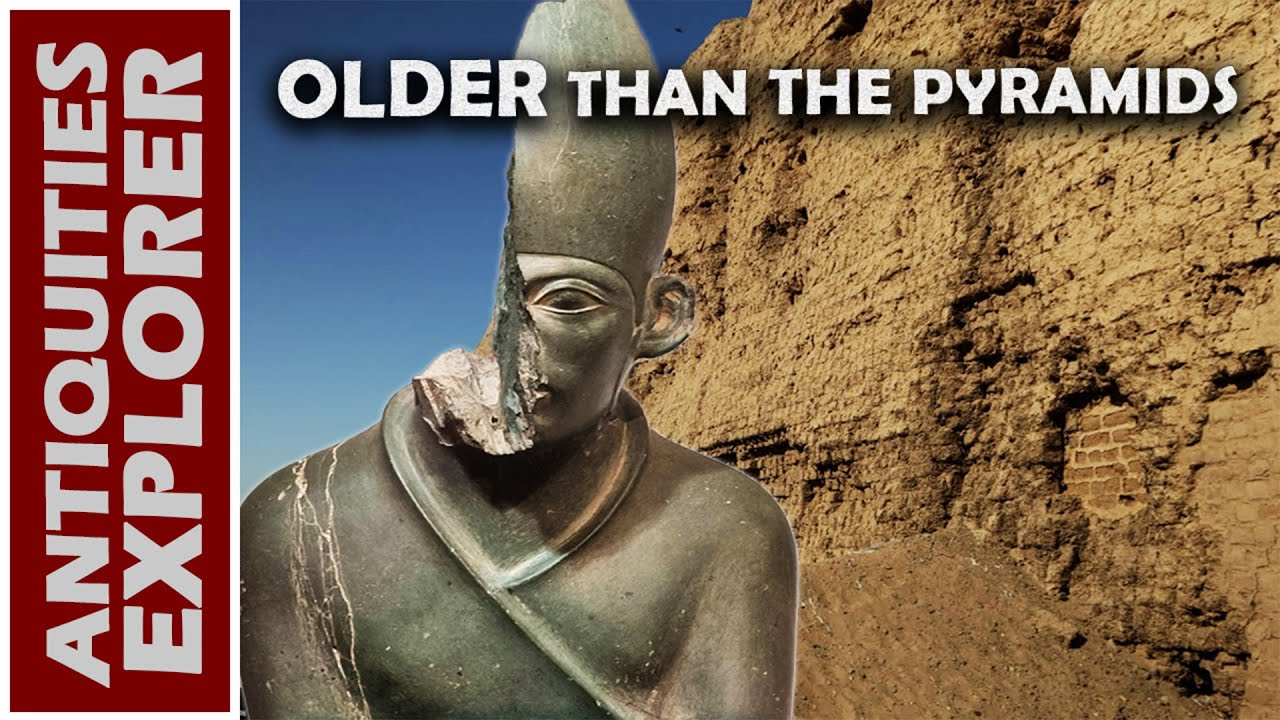
Travel with us to two of Egypt’s most revealing sites, sitting on opposite banks of the Nile: Nekheb (modern El Kab) and Nekhen (Hierakonpolis). These aren’t just ruins—they’re windows into the very beginnings of Egyptian civilization.

El Kab: Reading History in the First Person

At El Kab, the remains allow us to step directly into daily life thousands of years ago. Tombs, temples, and artifacts tell stories of ordinary people, early political systems, and evolving religious practices. Every inscription and relic offers a first-person glimpse into a society that thrived long before the pyramids dominated the horizon.

Hierakonpolis: Egypt’s Monumental Origins

Across the river, Hierakonpolis is usually off-limits, but special access lets us explore one of Egypt’s foundational sites. This is where the Narmer Palette was discovered, an artifact documenting the unification of Upper and Lower Egypt under the first pharaoh. Nearby, the massive early monumental structures reveal the ambitions of a civilization just beginning to organize monumental architecture.

Why These Sites Matter

Together, El Kab and Hierakonpolis show both the everyday and the extraordinary:

  • Ordinary Life: Residential areas, pottery, and local tombs give insight into daily activities and community structure.

  • Rising Power: Monumental constructions and artifacts like the Narmer Palette showcase early kingship and the centralization of authority.

  • Cultural Foundations: These sites preserve early religion, art, and technological innovations that shaped Egypt for millennia.

They’re more than historical locations—they’re the story of Egypt before the pharaohs built pyramids, a glimpse at the origins of one of the world’s greatest civilizations.

🎥 Watch the full episode below to explore these ancient sites and witness Egypt’s origins come alive:

Abandoned 1700s Fairytale Castle ~ Owners Left Everything Behind!

February 20, 2026

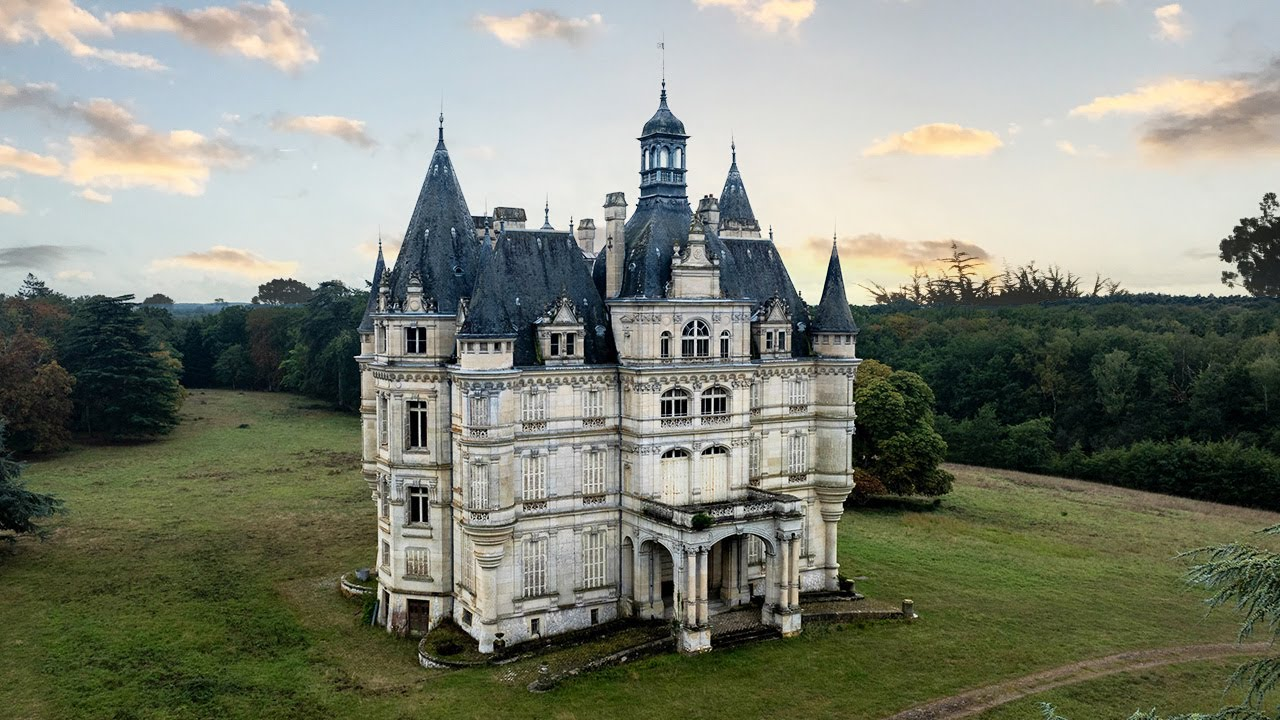
On the outskirts of France, hidden among rolling hills and overgrown gardens, a centuries-old castle waits silently for discovery. Forgotten for decades, this desolate 1700s fairytale Château was once the magnificent home of the Chantille family — a lineage shrouded in mystery.

Stepping through its wrought-iron gates is like crossing a threshold into another world. Though its grandeur has faded, the castle still exudes an eerie beauty, frozen in time. The Chantille family, influential and prominent in their era, have left behind only fragments of their story. Their fortunes vanished mysteriously, and their legacy crumbled into abandonment, leaving this architectural jewel to stand as a ghostly witness to history.

Inside, the preservation is astonishing. The master bedroom holds a red canopy bed that still commands attention, while the dining room stretches into a long oak table, flanked by high-backed chairs, silent witnesses to dinners that will never be repeated. In the living room, a grand piano waits, as if paused mid-concert, while the library offers a glimpse into the intellectual life of the past with rows of leather-bound books. Every parlor, hallway, and chamber tells a story — from ornate antique furniture to intricate detailing in ceilings and fireplaces.

This Château is more than a ruin; it’s a time capsule. Each room, each artifact, captures the essence of an era long gone. It’s a space where history and imagination intertwine, inviting us to ponder the lives that once filled its halls and the secrets that remain hidden in its shadowed corners.

Join us as we uncover the haunting elegance of this forgotten castle, exploring the architecture, the artifacts, and the stories preserved in silence for centuries. Every step echoes with the whispers of the past, offering a rare chance to experience a world that time almost forgot.

🎥 Watch the full exploration below to step inside this 18th-century Château and uncover the mysteries of the Chantille family:

DNA From a Mummy Older Than Ötzi Rewrites American History

February 20, 2026

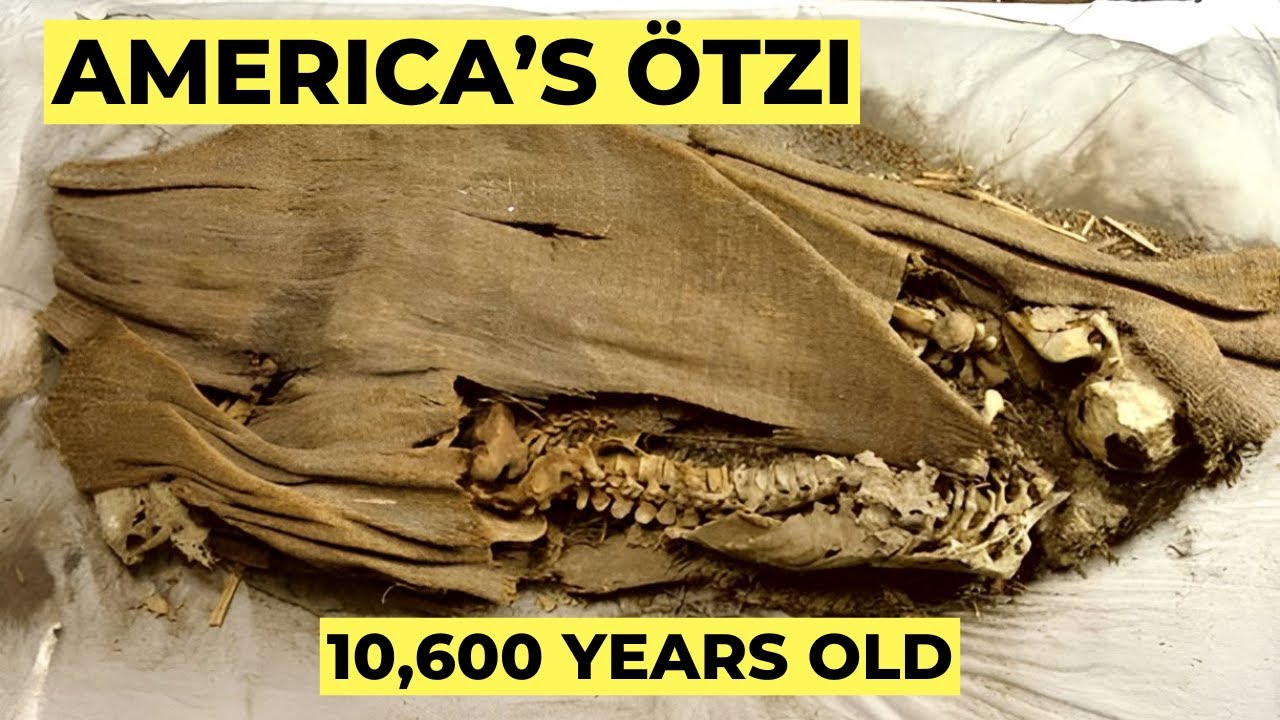
In 1940, deep in the Nevada desert, archaeologists stumbled upon a mysterious bundle buried in the dark of Spirit Cave. What they found inside would remain largely forgotten for decades — America’s oldest natural mummy, predating even Ötzi, Europe’s famed Iceman. At first, it was just another archaeological curiosity, a carefully wrapped body from a long-lost era. But little did anyone know that this discovery would one day force historians and scientists to rewrite the story of the Americas.

For years, the mummy sparked heated debates. How old was it? Who was this individual, and what culture did they belong to? Indigenous groups raised questions about ancestry and stewardship, while scientists wondered how this find fit into the broader puzzle of early human migration. The mystery lingered, frustrating generations of researchers.

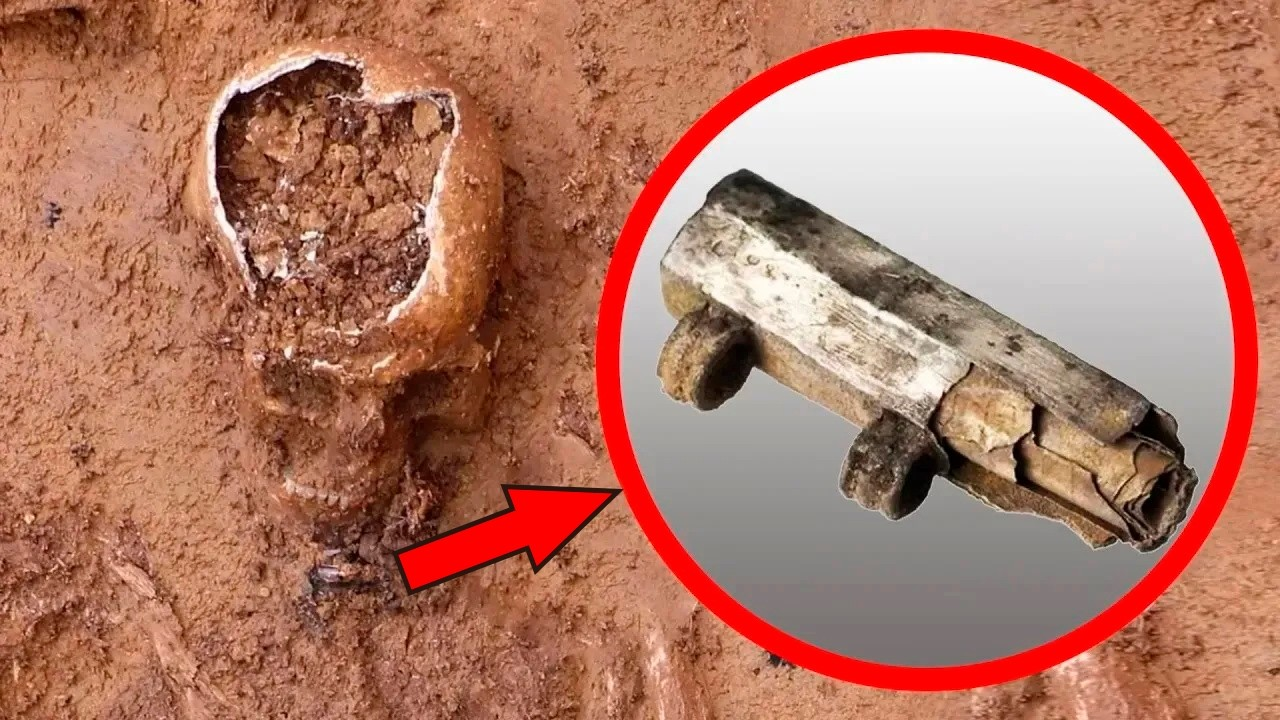
The breakthrough came with the application of modern DNA technology. From a single bone, scientists were able to extract genetic material that told a story no one expected. The DNA revealed a 10,000-year lineage, linking the Spirit Cave individual to the first peoples of the Americas in ways that completely altered previous assumptions. This wasn’t just an isolated case — it showed a continuity of human presence that spanned millennia, reshaping our understanding of how North America was populated.

Beyond the science, the discovery highlights the intersection of archaeology, genetics, and Indigenous history. It reminds us that every artifact carries stories far beyond its immediate context, and that one long-forgotten mummy can challenge centuries of assumptions about human history on an entire continent.

🎥 Watch the full episode below to uncover how Spirit Cave’s mummy changed the course of American history:

Fuel Starved California is Getting Gas from the Bahamas | Refineries, Pipelines & the Jones Act

February 20, 2026

The Refinery Problem

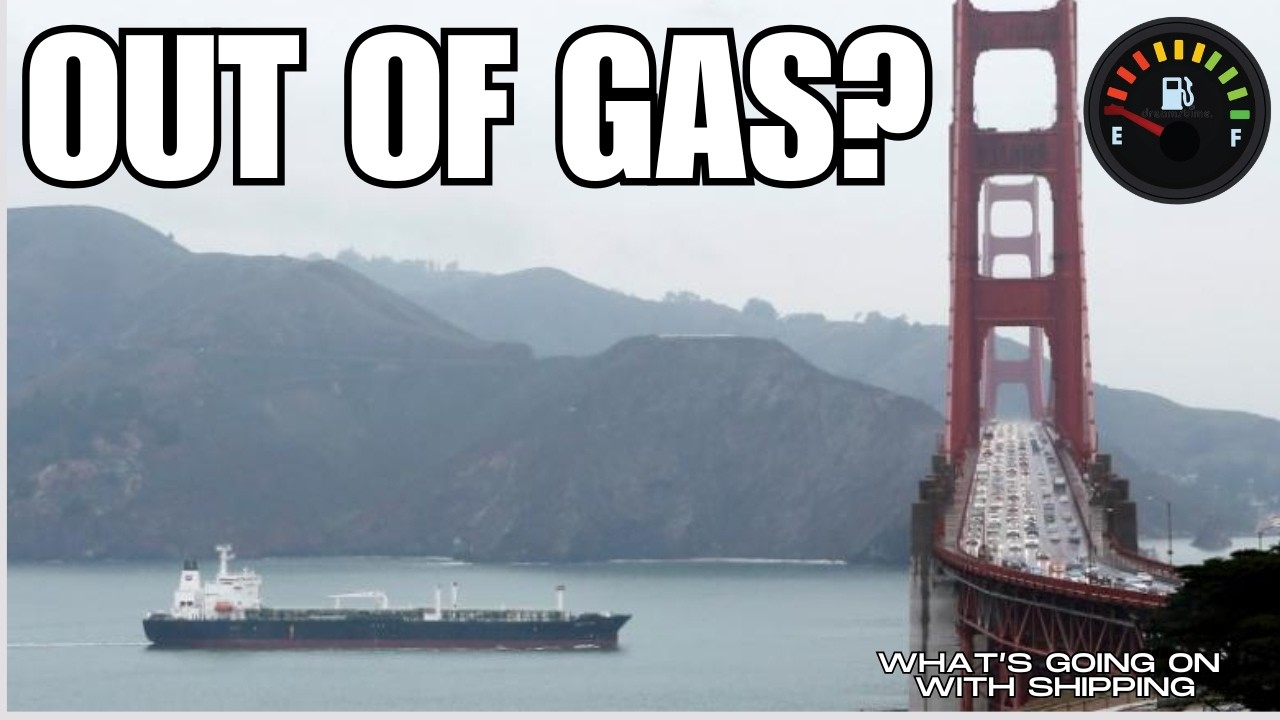
California has lost a significant chunk of its in-state refining capacity over the past few decades due to closures, environmental regulations, and market shifts. Fewer refineries = less local production of gasoline.

Unlike the Gulf Coast, California is basically an “energy island.” It has:

  • Limited interstate petroleum pipelines

  • No direct pipeline connection to major Gulf Coast refining hubs

  • Tight fuel specifications that make importing from other states complicated

So when in-state production dips, the state has to look overseas.

Why the Bahamas?

The Bahamas isn’t drilling oil.

What’s happening is that fuel is often stored or blended at facilities in places like Freeport, then shipped to California. These storage hubs operate as international trading and redistribution points.

It’s a workaround born from infrastructure constraints — not a Caribbean oil boom.

The Jones Act Factor

Here’s where it gets spicy.

The Jones Act (officially the Merchant Marine Act of 1920) requires that goods transported between U.S. ports must be carried on:

  • U.S.-built

  • U.S.-owned

  • U.S.-crewed vessels

There are very few Jones Act–compliant tankers available, and they’re expensive to charter.

So instead of shipping gasoline directly from Texas to California on a costly U.S.-flag tanker, companies sometimes import fuel via foreign-flagged ships from international hubs — including the Bahamas — because once it’s considered an international shipment, the Jones Act doesn’t apply.

That’s the loophole. It can literally be cheaper to ship fuel from the Gulf Coast to the Caribbean and then to California than to send it directly between two U.S. ports.

Storage & Infrastructure Gaps

California also has limited fuel storage capacity compared to major refining regions. That makes the system more sensitive to refinery outages and supply shocks.

When disruptions hit, the state has to move quickly — and the global market becomes the backup plan.

The Bigger Picture

This situation highlights three structural realities:

  1. California’s refining footprint is shrinking.

  2. The state is geographically isolated from other U.S. fuel systems.

  3. The Jones Act reshapes domestic shipping economics in ways many people don’t realize.

It’s less about the Bahamas being a fuel powerhouse… and more about how maritime law, infrastructure limits, and market forces intersect.

Energy logistics is a chessboard. And California is playing from the edge of it.

🎥 Watch the full video below to see how California gets its gasoline and the impact of maritime law on fuel supply:

What the Ship (Ep138) | Tanker Seizures | Russia Oil | Panama | Net Zero | Containers

February 20, 2026

In this episode of What the Ship, we break down the five biggest developments shaping global shipping right now — from tanker seizures and energy geopolitics to Panama Canal tensions and container market contradictions.

Here’s what’s making waves:

1️⃣ Tanker Seizures Escalate Across Key Regions

The United States, the Netherlands, India, and authorities in the Baltic have all moved to seize tankers tied to sanctions violations and shadow fleet activity.

From enforcement actions in U.S. jurisdictions to crackdowns in European waters and South Asia, maritime trade lanes are becoming more legally volatile. The Baltic, in particular, has become a flashpoint for vessels tied to sanctioned crude flows.

Energy shipping is no longer just about freight rates — it’s about geopolitics.

2️⃣ Russia’s Oil Exports & LNG Production

Despite sanctions, Russia continues to reroute crude exports while expanding LNG production capacity.

Western restrictions haven’t halted flows — they’ve reshaped them.

Tracking tanker movements, ship-to-ship transfers, and new LNG developments shows how global energy markets are adapting. The maritime sector sits right at the center of that shift.

3️⃣ Panama Canal: Water, Control & China’s Reaction

The Panama Canal continues to face water-level challenges impacting transits and scheduling.

But the issue goes beyond drought.

Control of terminal operations at both ends of the canal has sparked political scrutiny, especially amid concerns about Chinese-linked port influence. Beijing’s response — diplomatically and commercially — is being closely watched as strategic chokepoints become geopolitical leverage points.

The canal isn’t just infrastructure. It’s strategy.

4️⃣ U.S. Stays in the IMO & Battles the Net Zero Framework

The United States remains engaged at the International Maritime Organization, pushing back against elements of the proposed Net Zero Framework.

With new allies aligning against certain decarbonization mandates, debates are intensifying over timelines, fuel standards, and enforcement mechanisms.

Shipping’s green transition is no longer just environmental — it’s economic and political.

5️⃣ Container Sector Contradictions: Maersk’s Mixed Signals

The container market continues its recalibration.

Maersk has reported falling profits and announced layoffs — yet simultaneously signed contracts exceeding $1.5 billion for new vessel construction.

The contradiction? Excess capacity already weighs on the sector.

Is this long-term fleet renewal strategy… or doubling down in a soft market?

The container industry remains one of the most closely watched indicators of global trade health.

From tanker seizures and LNG strategy to canal control, regulatory battles, and container sector tension — maritime shipping remains a frontline arena for global power, policy, and profit.

🎥 Watch the full episode below to stay up-to-date on the latest in maritime news and global shipping trends.

Every Extinct Animal We Have Found In Permafrost!

February 20, 2026

Frozen in Time: Ice Age Giants Preserved in Permafrost

Imagine walking across a barren Arctic tundra… and beneath your feet lies a world untouched for tens of thousands of years.

Not bones turned to dust.

Not fragments.

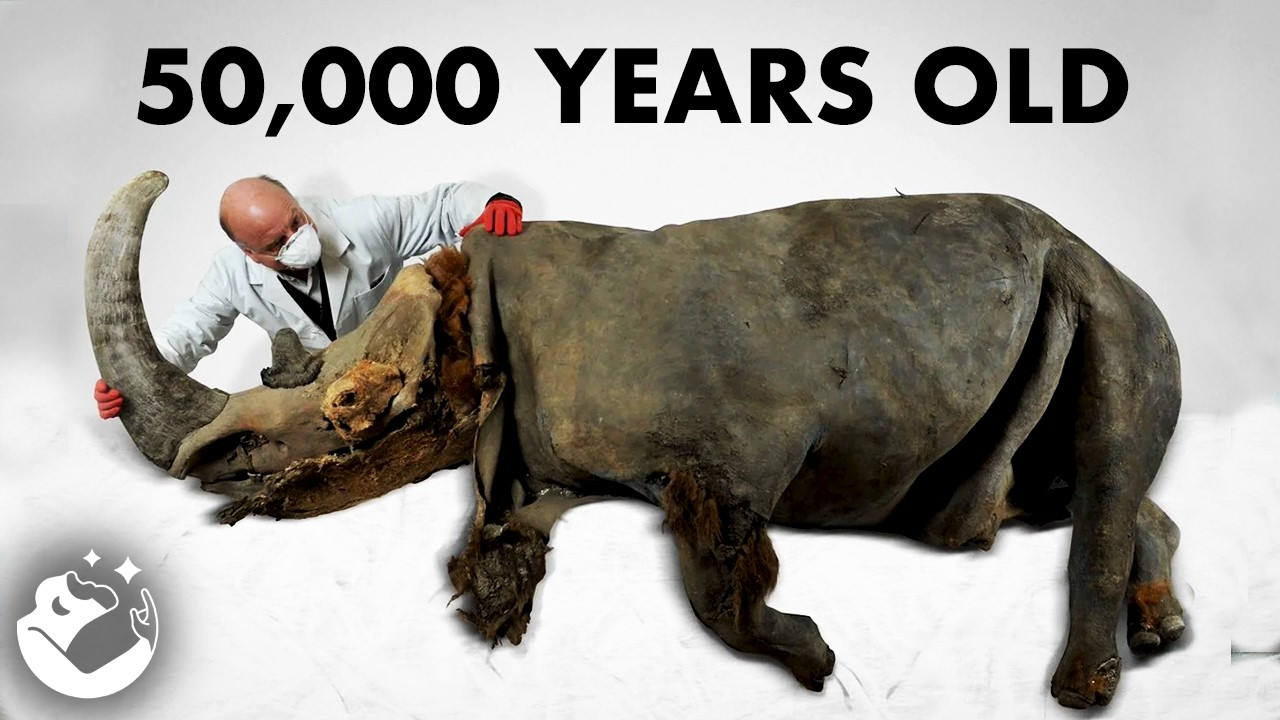
But entire bodies — fur, muscle, even stomach contents — preserved in ice like nature’s own deep freezer.

Permafrost has safeguarded some of the most astonishing remnants of the Ice Age, giving us rare, intimate access to ecosystems long vanished.

The Woolly Mammoth: A Giant Reawakened

Few Ice Age creatures capture the imagination like the Woolly mammoth.

In Siberia and Alaska, melting permafrost has revealed mammoths so well preserved that their fur remains intact, their tusks gleaming, and in some cases, even their last meals still inside them.

These discoveries allow scientists to study:

  • Diet and seasonal migration

  • Climate conditions of the Pleistocene

  • Genetic blueprints through ancient DNA

We’re not just looking at skeletons — we’re looking at snapshots of life frozen mid-story.

Steppe Bison: Power of the Ice Age Plains

The massive Steppe bison once roamed Eurasia and North America in staggering numbers.

Perfectly preserved specimens show thick fur and muscular builds suited for brutal cold.

By analyzing preserved tissue and DNA, researchers reconstruct ancient grassland ecosystems — vast, windswept plains that supported entire food chains of megafauna.

Cave Lions: Predators in the Permafrost

Among the rarest and most haunting finds are preserved cubs of the Eurasian cave lion.

Unlike modern lions, these Ice Age predators hunted in colder, open environments. Some mummified cubs discovered in Siberia were so intact that whiskers and facial features remained visible.

For the first time, we can study their anatomy in extraordinary detail — revealing how apex predators adapted to glacial worlds.

Ancient DNA: Reading the Ice Age Code

Perhaps the most revolutionary breakthrough isn’t what we see — it’s what we extract.

Frozen tissue allows scientists to sequence ancient DNA, opening doors to:

  • Evolutionary timelines

  • Species interbreeding events

  • Climate adaptation patterns

  • Even discussions about de-extinction

Permafrost has essentially become a biological archive.

Each thawing discovery rewrites chapters of human and natural history.

Humans in the Frozen World

These frozen remains don’t just tell us about animals — they illuminate human survival.

Ice Age humans hunted mammoths, followed bison herds, and navigated extreme climates.

Some preserved sites even contain tools, dwellings, and traces of human interaction with megafauna.

Through these finds, we glimpse the resilience and ingenuity of early people adapting to one of Earth’s harshest environments.

A Race Against Time

There’s an irony here.

The same warming climate that threatens modern ecosystems is also revealing ancient ones.

As Arctic permafrost melts, more discoveries emerge — but they are exposed to decay almost immediately.

Scientists are now racing to recover, preserve, and study these remnants before they disappear forever.

Permafrost is not just frozen soil.

It’s a time capsule.

A silent vault preserving entire worlds beneath the ice — waiting to tell their story.

🎥 Watch the full episode below to explore the astonishing Ice Age discoveries preserved in permafrost and uncover what ancient DNA, frozen fur, and mummified predators reveal about our planet’s distant past.

Secrets of the Melted Megaliths – They Always Knew

February 20, 2026

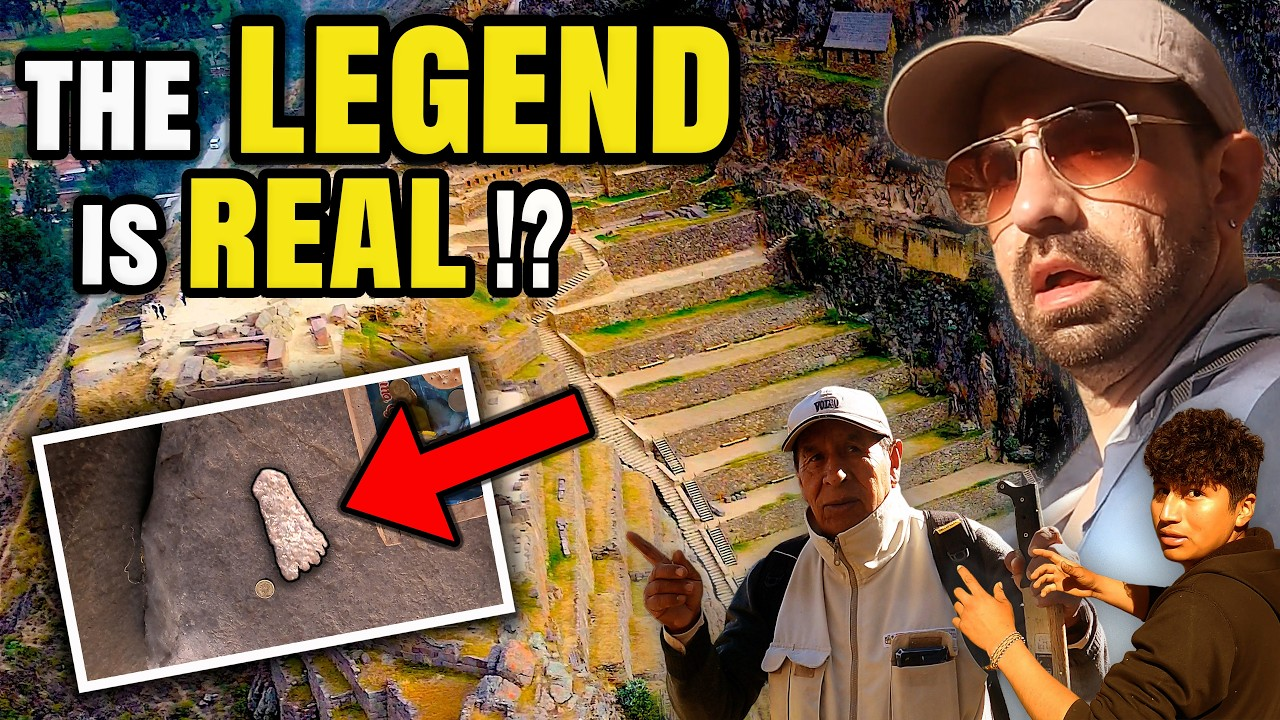
Ancient Technology in Peru? The Legendary Stone Footprint of Ollantaytambo

High in the Sacred Valley of the Andes, stone walls rise with impossible precision. Blocks weighing tons interlock so tightly you can’t slide a sheet of paper between them. No mortar. No steel tools. No modern machinery.

And yet… perfection.

In Ollantaytambo, I followed whispers of something even stranger — a legendary footprint pressed into solid rock.

Locals say it’s proof the ancients could soften stone itself.

Not carve it.

Not chisel it.

Soften it.

The Sacred Footprint of Niño Samachina

Deep within the region’s oral traditions lies the story of Niño Samachina — the “Holy Child.”

For generations, a mysterious imprint in stone has been revered as sacred. Worshipped. Protected. Passed down through stories that blur the line between myth and memory.

Is it symbolic? Geological? Ritualistic?

Or something else entirely?

The legend claims the rock was once pliable — shaped like clay — before hardening again into stone.

And that’s where the mystery deepens.

The Alchemy of the Andes

Some local accounts speak of a lost Inca knowledge — a kind of sacred alchemy capable of softening stone.

A liquid that could turn rock into mud.

Tunnels laced through mountains, guarded by noxious fumes that protected ancient treasures.

Stories like these aren’t just modern inventions. They echo through the centuries — even appearing in the writings of Percy Fawcett, the famed explorer who vanished in the Amazon while searching for lost civilizations.

Was he documenting folklore?

Or recording fragments of a forgotten technology?

Mainstream archaeology attributes the stonework of the Inca to masterful engineering — hammerstones, abrasion techniques, patient craftsmanship, and deep knowledge of local geology.

And yet… standing before those walls, it’s hard not to feel the question linger.

How?

Pachacuti and Sacred Waters

The fortress-temple complex of Ollantaytambo is often linked to Pachacuti, the transformative ruler who expanded the Inca Empire into a vast Andean power.

According to tradition, Pachacuti sought purification in sacred waters — cleansing both conscience and kingdom.

Artifacts tied to these rituals can still be found scattered across the valley.

Water channels carved into stone. Ceremonial platforms. Terraces rising toward the sky.

The engineering alone is staggering.

But within the local worldview, these weren’t just political structures.

They were alive.

Sacred Tunnels & Living History

The mountains surrounding Ollantaytambo are said to be riddled with hidden tunnels — some collapsed, others sealed, a few rumored to still breathe cold air from within.

Locals speak of fumes guarding sacred chambers.

Of relics hidden from invaders.

Of knowledge deliberately concealed.

Whether literal or symbolic, these stories are not relics of the past. They are part of a living tradition.

In the Sacred Valley, descendants of the Inca still preserve language, ritual, and memory.

This isn’t just archaeology.

It’s continuity.

Stone, Myth, and the Edge of Possibility

From the towering terraces of Ollantaytambo to forgotten ruins tucked into the cliffs, every turn in this landscape feels layered.

Science explains much of what we see here through extraordinary but human craftsmanship.

Legends offer something else — a worldview where stone breathes, mountains listen, and knowledge is guarded through story.

The footprint in stone sits at that intersection.

Geology or miracle?

Symbol or technology?

Myth — or memory of something we no longer understand?

In the Andes, history is not just written in books.

It’s carved into mountains.

And sometimes, it looks like it was pressed there by something far stranger than we expect.

🎥 Watch the full episode below to follow the legend of the sacred footprint, explore the fortress of Ollantaytambo, and dive into the enduring mysteries of Inca engineering, hidden tunnels, and the living traditions of the Sacred Valley.

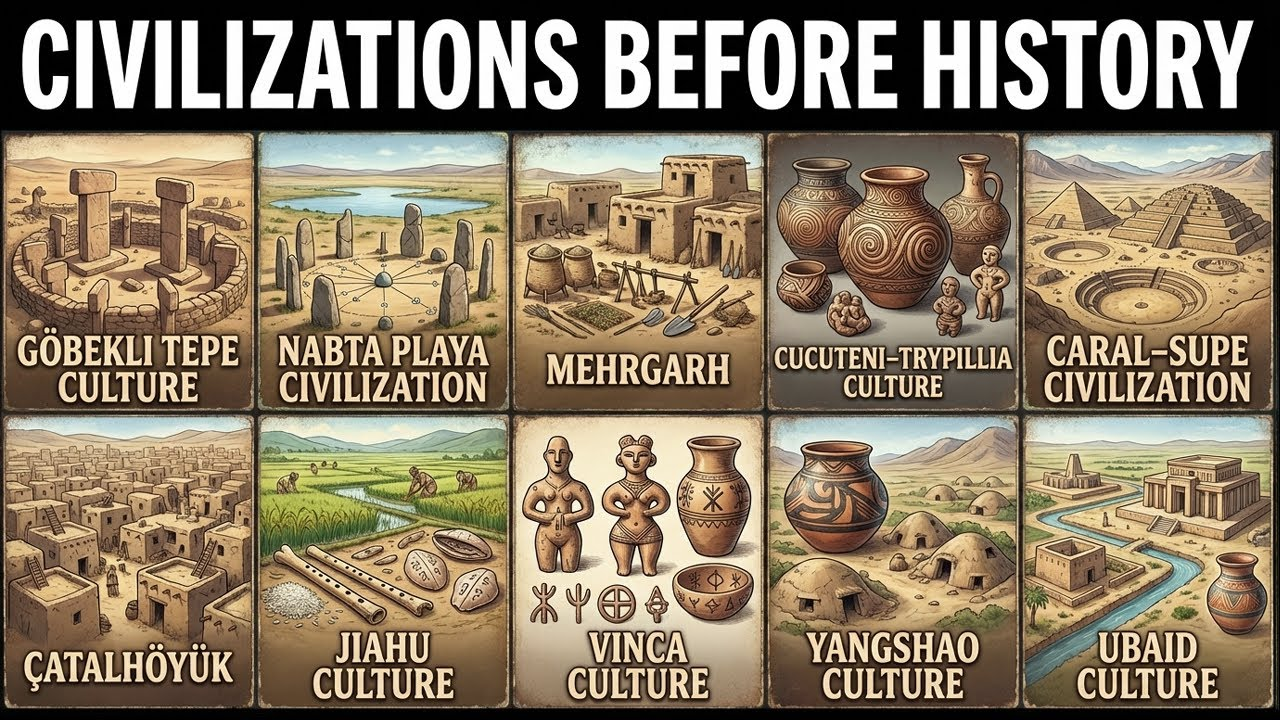
10 Ancient Civilizations That Existed Before Recorded History

February 20, 2026

10 Ancient Civilizations That Existed Before Recorded History

Close your eyes.

You’re standing in a vast library lined with the milestones of human achievement.
Ancient Egypt — 3100 BCE — first hieroglyphs.
Sumer — 3500 BCE — first cities.
Ancient China — 2000 BCE — first dynasties.

These are the “official” beginnings of civilization. The dawn of recorded history.

Now open your eyes.

Because history didn’t begin when writing began.

It began long before that.

Before ink touched clay tablets… before priests etched royal names into stone… before empires declared themselves eternal — there were others.

Civilizations that built in stone when the world supposedly still lived in mud huts.
People who mapped the sky without telescopes.
Engineers who moved stones weighing hundreds of tons.
Surgeons who drilled into skulls — and their patients survived.

And then… they vanished.

Here are ten ancient civilizations that existed before recorded history — and are still rewriting everything we thought we knew.

1. Göbekli Tepe (c. 9600 BCE)

Long before Stonehenge. Before the pyramids. Before agriculture was supposed to exist.

In southeastern Turkey stands Göbekli Tepe, a ceremonial complex built over 11,000 years ago.

Massive T-shaped stone pillars arranged in circles. Intricate carvings of animals. Precision alignment.

It was constructed by hunter-gatherers.

Let that sink in.

This site forces archaeologists to reconsider a core belief: that farming led to civilization. Göbekli Tepe suggests ritual and organized construction may have come first.

2. Çatalhöyük (c. 7500 BCE)

In what is now Turkey, Çatalhöyük reveals a densely packed city of mud-brick homes — built wall-to-wall with no streets.

People entered through rooftops.

Inside were murals, shrines, and symbolic art. It wasn’t primitive. It was complex, planned, and socially organized thousands of years before writing.

3. Mehrgarh (c. 7000 BCE)

Before the Indus Valley script.

In modern Pakistan, Mehrgarh shows early farming communities practicing dentistry. Yes — dentistry.

Human remains reveal drilled molars dating back 9,000 years.

Surgery. Agriculture. Craft specialization.

All before recorded history.

4. Nabta Playa (c. 6000 BCE)

In the Nubian Desert lies Nabta Playa — a stone circle aligned with the summer solstice.

It predates Stonehenge by millennia.

These weren’t wandering nomads. They were sky-watchers. Astronomers.

5. The Cucuteni–Trypillia Culture (c. 5500 BCE)

Stretching across modern Ukraine and Romania, the Cucuteni–Trypillia culture built enormous settlements — some housing tens of thousands of people.

They regularly burned their cities — intentionally.

No clear reason. Ritual renewal? Social reset? We still don’t know.

6. Caral (c. 3000 BCE)

In Peru stands Caral, one of the oldest cities in the Americas.

Massive pyramid complexes. Sophisticated urban planning.

And almost no evidence of warfare.

A civilization without visible violence — thousands of years ago.

7. The Ubaid Culture (c. 6500 BCE)

Before Sumer rose, southern Mesopotamia was shaped by the Ubaid period.

They developed irrigation systems, long-distance trade, and large communal temples.

They laid the groundwork for the civilizations we call “the first.”

8. Jiahu (c. 7000 BCE)

In China, Jiahu reveals early flutes made from crane bones — playable instruments nearly 9,000 years old.

Music. Fermented beverages. Proto-writing symbols.

Human culture thriving long before dynasties.

9. Skara Brae (c. 3100 BCE)

In Scotland’s Orkney Islands sits Skara Brae — a stone-built village older than the Great Pyramid.

Indoor plumbing. Stone furniture. Insulated dwellings.

Prehistoric — yet astonishingly advanced.

10. The Olmec (c. 1500 BCE roots in earlier traditions)

Though later than others on this list, the foundations of Olmec civilization likely stretch further back than their recorded emergence.

Colossal stone heads carved from volcanic rock — transported miles without wheels or beasts of burden.

Their origins remain partly shrouded in mystery.

So What Does This Mean?

Writing didn’t create civilization.

It recorded what had already existed for thousands of years.

The deeper we dig, the older complexity becomes.

History isn’t a straight line beginning in 3000 BCE.

It’s a fog.

And occasionally — when the earth shifts or a farmer plows too deep — something ancient emerges from that fog and reminds us:

We are not as first as we thought.

🎥 Watch the full episode below to uncover the forgotten cities, astronomical monuments, surgical breakthroughs, and vanished cultures that challenge everything we think we know about the dawn of civilization.

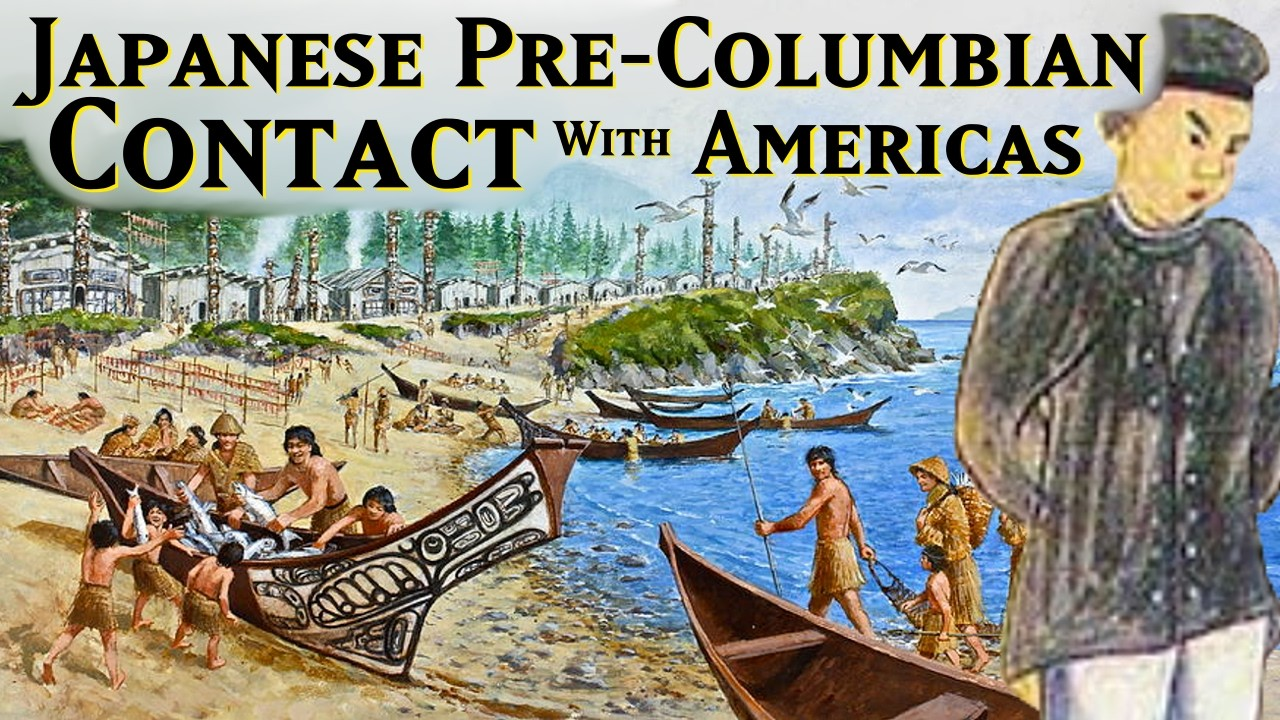
Japanese Pre-Columbian Contact With Americas: An Analysis (Prehistoric North America)

February 20, 2026

Did Japan Reach the Americas Before Columbus? The Hokkaido Connection & The Zuni Enigma

Could ancient Japanese sailors have crossed the Pacific long before Columbus ever sailed west?

It’s a bold idea — one that sits at the intersection of archaeology, ocean currents, oral tradition, and controversial theory. In this episode, we explore the major hypotheses surrounding possible pre-Columbian contact between the peoples of Japan — including Hokkaido — and Indigenous societies of North, Central, and South America.

But we also separate fascination from fact.

The Hokkaido Connection

One of the most discussed clues comes from stone tools.

Researchers have observed similarities between projectile points from the Western Stemmed Tradition in western North America and points discovered in Hokkaido. Both date to roughly the same late Ice Age time frame.

This parallel has been called the “Hokkaido Connection.”

Does that mean contact occurred?

Most archaeologists urge caution. Similar environmental conditions can lead to similar technological solutions. Independent innovation — known as convergent development — is common in human history. Resemblance alone is not proof of interaction.

Jōmon Pottery & Ecuador

Another intriguing comparison involves pottery.

The Jōmon culture produced some of the world’s earliest ceramics, known for their cord-marked decoration. Meanwhile, early pottery from the Valdivia culture in Ecuador has been argued by some researchers to resemble Jōmon forms.

Could this indicate trans-Pacific contact?

The prevailing scholarly view is that the similarities are best explained as parallel invention. Pottery was developed independently in multiple regions worldwide. Without genetic, linguistic, or additional material evidence, resemblance alone cannot confirm cultural diffusion.

The Power of the Kuroshio Current

Then there’s the ocean itself.

The Kuroshio Current, sometimes called the Pacific’s Gulf Stream, flows northward along Japan’s coast before turning east across the open Pacific.

It is powerful — and historically capable of carrying debris, wreckage, and even disabled vessels thousands of miles.

This makes accidental drift voyages physically plausible.

But plausible does not mean proven.

Oral Traditions of the Pacific Northwest

Indigenous oral histories from groups like the Coast Salish, the Makah, and the Tlingit describe encounters with strange people arriving from the sea, sometimes bearing unfamiliar metals such as iron.

Anthropologists emphasize that oral traditions are invaluable historical knowledge systems — but they cannot automatically be read as literal documentation of specific medieval trans-Pacific voyages.

They may preserve memories of encounters.

They are not direct archaeological proof.

Japanese Shipbuilding & Drift Voyages

Historically, Japanese vessels were primarily coastal craft. They were well suited for fishing and regional trade but lacked deep keels, relied on square sails, and were vulnerable to major storms.

When storms struck, control could be lost.

Japan recorded numerous vessels lost at sea in the post-Columbian era — some of which drifted astonishing distances across the Pacific.

The 1834 Castaways

One documented case occurred in 1834 when three Japanese sailors — Iwakichi (29), Kyukichi (16), and Otokichi (15) — lost control of their vessel during a storm.

They drifted across the Pacific for months before wrecking on the coast of Washington State, in territory controlled by the Makah people.

This case proves something important:

Drift voyages from Japan to North America are physically possible.

But this occurred in the 19th century — not the medieval or prehistoric periods.

The Zuni Enigma

Anthropologist Nancy Yaw Davis proposed that the Zuni Pueblo may have been influenced by Japanese Buddhist monks who crossed the Pacific in the 13th century.

This idea, sometimes called the “Zuni Enigma,” draws on perceived similarities in ritual, language, and symbolism.

However, the hypothesis remains speculative and controversial.

Mainstream archaeology and genetics have not confirmed such contact.

So… Did It Happen?

The current scholarly consensus is clear:

  • There is no definitive evidence of sustained pre-Columbian contact between Japan and the Americas.

  • The Jōmon–Valdivia similarities are most likely parallel invention.

  • The Zuni–Japanese theory remains unproven.

  • Pacific Northwest oral traditions are culturally significant but not direct proof of Japanese arrival.

The Pacific is vast.

Ocean currents make drift voyages possible.

But history requires evidence — not just possibility.

The line between “could have happened” and “did happen” matters.

🎥 Watch the full episode below to explore the evidence, the ocean currents, the castaways, and the controversial theories surrounding possible pre-Columbian contact between Japan and the Americas — and decide for yourself where possibility ends and proof begins.

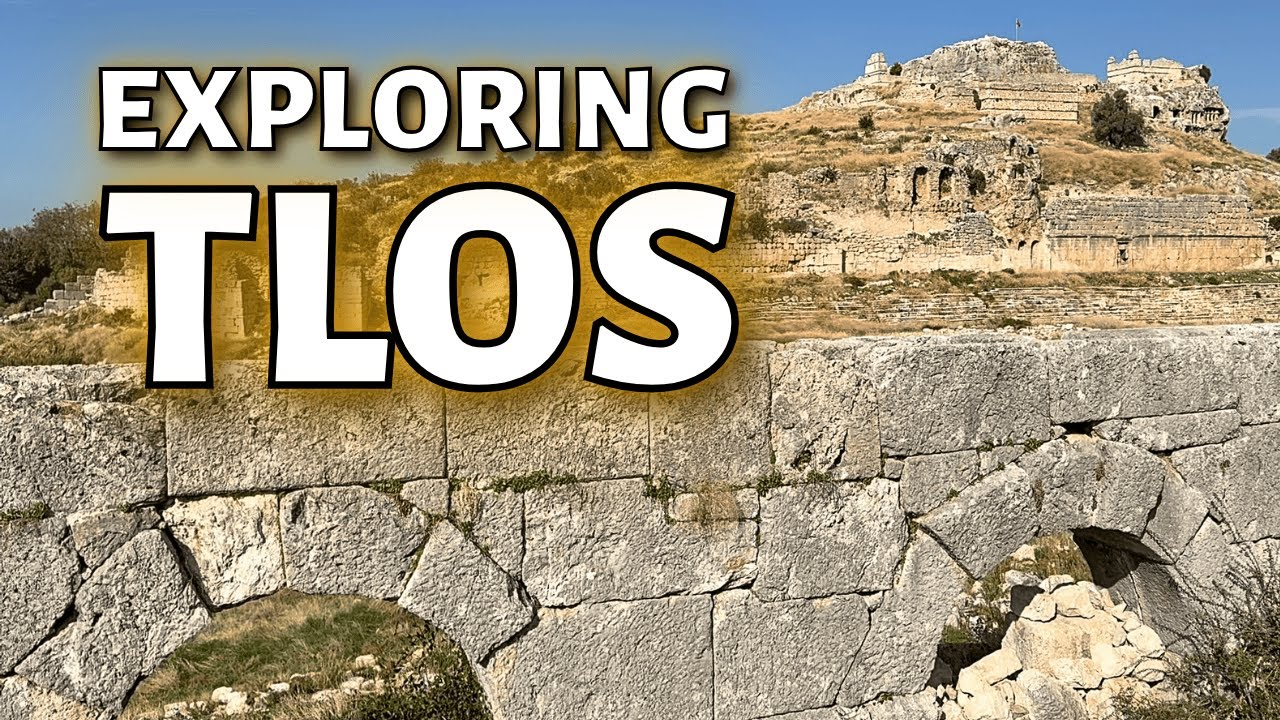
The Ancient Lycian City of Tlos - Established Over 4,000 Years Ago!

February 20, 2026

The Ancient Lycian City of Tlos: 4,000 Years of History in One Hidden Site

Established over 4,000 years ago, the ancient city of Tlos stands as one of the oldest continuously inhabited settlements in the region of Lycia — in modern-day Türkiye.

And somehow, it remains one of the most underrated archaeological sites you can visit today.

Join us as we explore the ruins of Tlos without the crowds — walking through layers of history that stretch from the Bronze Age to the Ottoman era.

A City Before History Books

Archaeological evidence suggests settlement at Tlos began as early as 2000 BC during the Bronze Age. Even more fascinating, Hittite texts from the 15th–14th century BC reference a place called “Dalawa,” believed to be ancient Tlos — centuries before the classical Lycian period.

That means this city was thriving long before the Greeks, long before Rome, and long before the world most people associate with “ancient ruins.”

The Lycian Powerhouse

During the Lycian era, Tlos became one of the leading cities of the Lycian League — a federation of city-states known for its unique political structure.

The city is also deeply tied to myth. Tlos was associated with the hero Bellerophon, the legendary slayer of the Chimera, adding a layer of mythological prestige to its already impressive history.

High above the city, rock-cut tombs carved into towering cliffs dominate the skyline — a signature feature of Lycian architecture that still stuns visitors today.

Empires Rise, Tlos Adapts

Tlos didn’t fade when new powers arrived — it adapted.

  • Persian Rule: Incorporated into the Achaemenid Empire during the mid-1st millennium BC.

  • Hellenistic & Roman Periods: The city flourished under Roman control, gaining monumental architecture including a theater, stadium, baths, and civic buildings.

  • Byzantine & Ottoman Eras: Occupation continued well into the medieval and early modern periods, with reuse of the acropolis and structures below.

This isn’t a city frozen in one moment of time.

It’s a living timeline.

A Landscape of Layers

Walking through Tlos feels like stepping through centuries in minutes.

You’ll find:

  • Dramatic cliffside Lycian tombs

  • A Roman theater overlooking the valley

  • Stadium ruins stretching across open ground

  • Byzantine church remains

  • Ottoman-era fortifications crowning the acropolis

Each layer reveals how civilizations built upon one another — sometimes respectfully, sometimes aggressively — but always leaving their mark.

Why Tlos Matters

Tlos is a powerful example of endurance.

For over four millennia, people lived, governed, worshipped, traded, and rebuilt here. Empires came and went. Cultures merged. Architecture evolved.

Yet the city remained.

It stands today as a window into Anatolia’s deep and complex past — a reminder that history is not a straight line, but a series of adaptations.

And best of all?

You can explore it without fighting massive tourist crowds.

🎥 Watch the video below to explore the ancient Lycian city of Tlos and discover 4,000 years of history layered across one of Türkiye’s most remarkable archaeological sites:

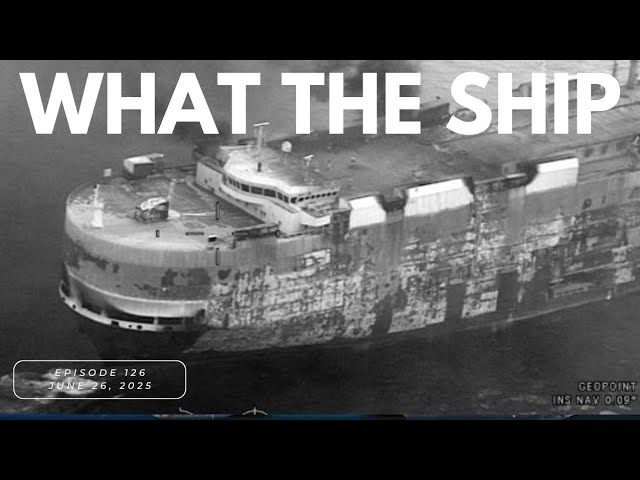
What the Ship (Ep 126): Iran Oil | FMC | LNG Rates | Hormuz | Morning Midas | USMMA

February 17, 2026

What the Ship! Ep 126 – Maritime Updates & Global Shipping News

In the latest episode of What the Ship!, Sal Mercogliano, maritime historian at Campbell University and former merchant mariner, dives into the biggest developments in global shipping and maritime affairs.

Episode Highlights (June 26, 2025):

  • Trump Softens Stance on Iran Oil to China – How this shift could impact global trade and shipping routes.

  • FMC Chairman to Depart – What leadership changes mean for U.S. maritime regulations.

  • LNG Freight Rates Soar – Exploring why liquefied natural gas shipping costs are climbing and what it means for the energy market.

  • Strait of Hormuz Traffic – Monitoring one of the world’s most crucial maritime chokepoints.

  • Morning Midas Sinks – The story behind this maritime incident and its implications.

  • Superintendent of US Merchant Marine Academy Resigns – A look at the leadership shake-up at the premier maritime academy.

Sal combines expert analysis with firsthand experience, giving viewers a unique perspective on shipping, trade, and maritime strategy.

🎥 Watch the full episode below to stay up-to-date on the latest in maritime news and global shipping trends:


China's Hidden Stone Cave Buddha Temple!

February 17, 2026

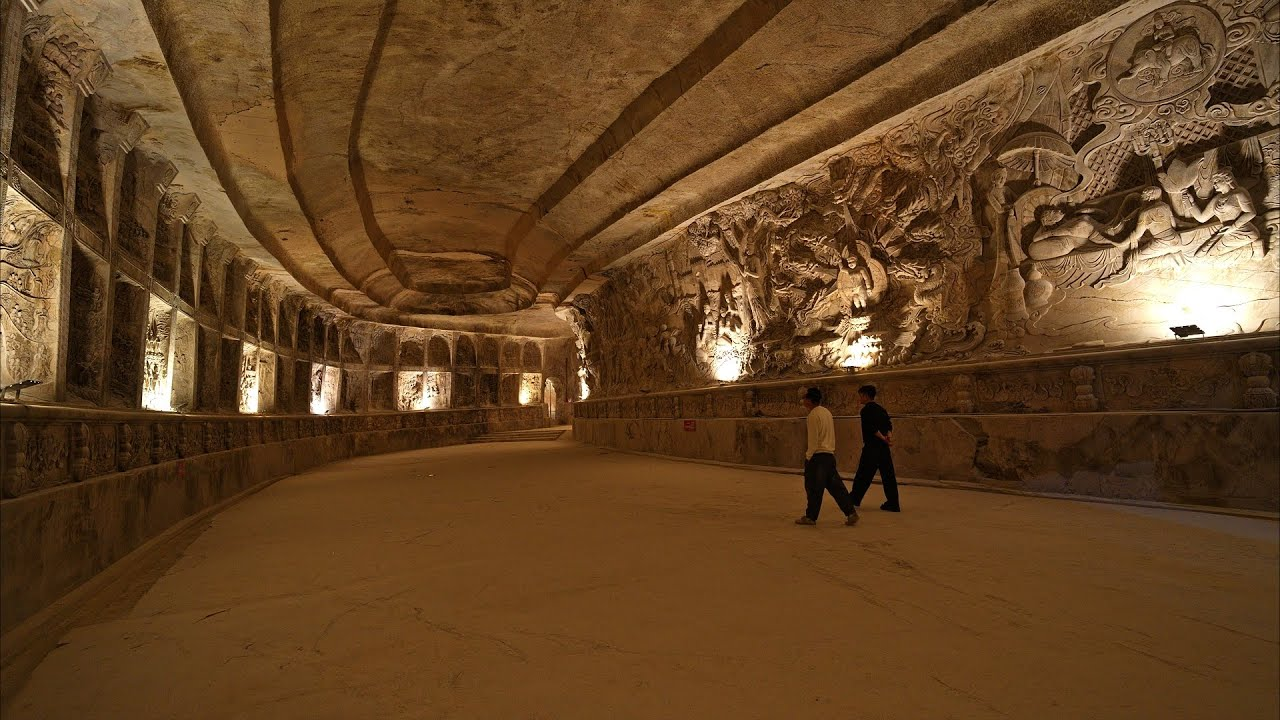
Exploring Hezhangyan: The Hidden Buddha Temple in Fujian, China

Welcome to another adventure on our China tour! Today, we uncover a hidden gem along the Southeast coast of China—a remarkable Buddha temple carved directly into a mountain cave.

Perched high atop the mountain in Shunchang, Fujian, Hezhangyan Temple is a masterpiece of ancient craftsmanship and devotion. Inside the cave, walls are adorned with intricate stone sculptures, depicting Buddhas, Bodhisattvas, and sacred symbols that have stood the test of time.

Walking through the temple is like stepping back centuries, surrounded by the serene atmosphere, the echo of prayers, and the detailed artistry carved into stone. Every sculpture tells a story, offering insight into the spiritual and cultural history of the region.

This is more than a temple—it’s a hidden sanctuary, a place where history, art, and faith converge in a stunning natural setting.

Whether you’re a traveler, history enthusiast, or someone who appreciates spiritual art, Hezhangyan Temple is a must-visit for anyone exploring Fujian.

🎥 Watch the full tour video below to explore every corner of this cave temple and see the incredible stone carvings up close:

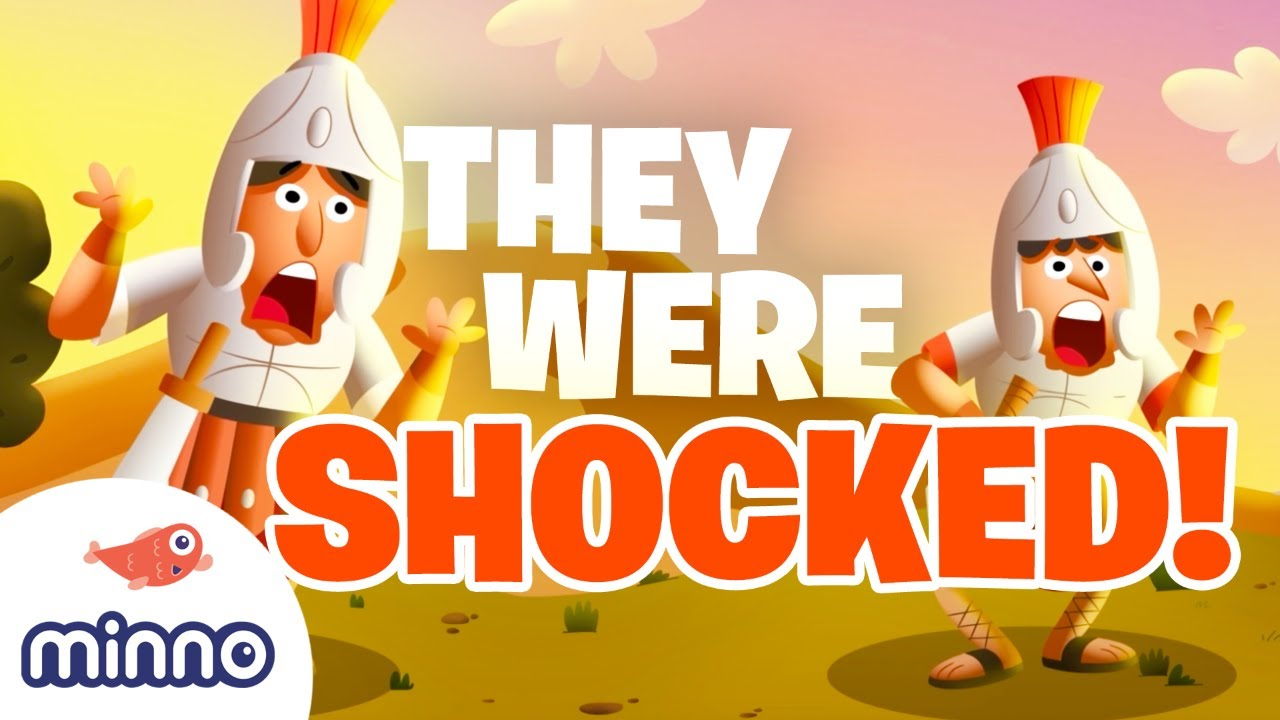
9 Times God AMAZED People with Miracles

February 17, 2026

9 Times God AMAZED People with Miracles

Throughout history, countless events have left people awestruck, moments where the ordinary became extraordinary. From ancient scriptures to modern-day accounts, these miracles are said to defy natural explanation and inspire faith in the divine.

In this article, we explore 9 remarkable times God amazed people with miracles, showing how His power has touched lives across the ages:

1. The Parting of the Red Sea

One of the most famous biblical miracles, Moses led the Israelites through the Red Sea, which miraculously parted to allow safe passage, escaping the Egyptian army. This awe-inspiring event is a cornerstone story of faith and deliverance.

2. The Sun Stands Still

Joshua’s battle required more daylight, and scripture tells us that the sun and moon stopped in the sky until Israel achieved victory. This miraculous event demonstrated divine intervention in human affairs.

3. Feeding the 5,000

Jesus performed one of His most famous miracles by multiplying five loaves and two fish to feed thousands of people, showing compassion and providence.

4. Healing the Blind and Lame

Throughout the Gospels, Jesus healed the sick, blind, and paralyzed. These acts amazed crowds and inspired countless followers, showcasing divine power working through Him.

5. Water into Wine

At the wedding in Cana, Jesus turned water into wine, His first recorded miracle. This act not only revealed His divine authority but also symbolized joy and transformation.

6. Walking on Water

When Jesus walked on the Sea of Galilee, His disciples witnessed an event that defied natural laws, strengthening their faith in Him as the Son of God.

7. Resurrection of Lazarus

Lazarus had been dead for four days, yet Jesus called him back to life. This miracle displayed authority over death itself and foreshadowed Jesus’ own resurrection.

8. Deliverance from the Fiery Furnace

In the Book of Daniel, Shadrach, Meshach, and Abednego survived the fiery furnace unharmed, protected by God Himself. This story symbolizes steadfast faith in the face of persecution.

9. Modern-Day Miracles

Even today, countless accounts tell of divine intervention—from miraculous recoveries to life-saving events—that inspire hope, faith, and gratitude around the world.

🎥 Watch the video below to see these 9 incredible miracles in action and witness how God has amazed people across history:

The mystery of Europe's most famous bog bodies | BBC Global

February 17, 2026

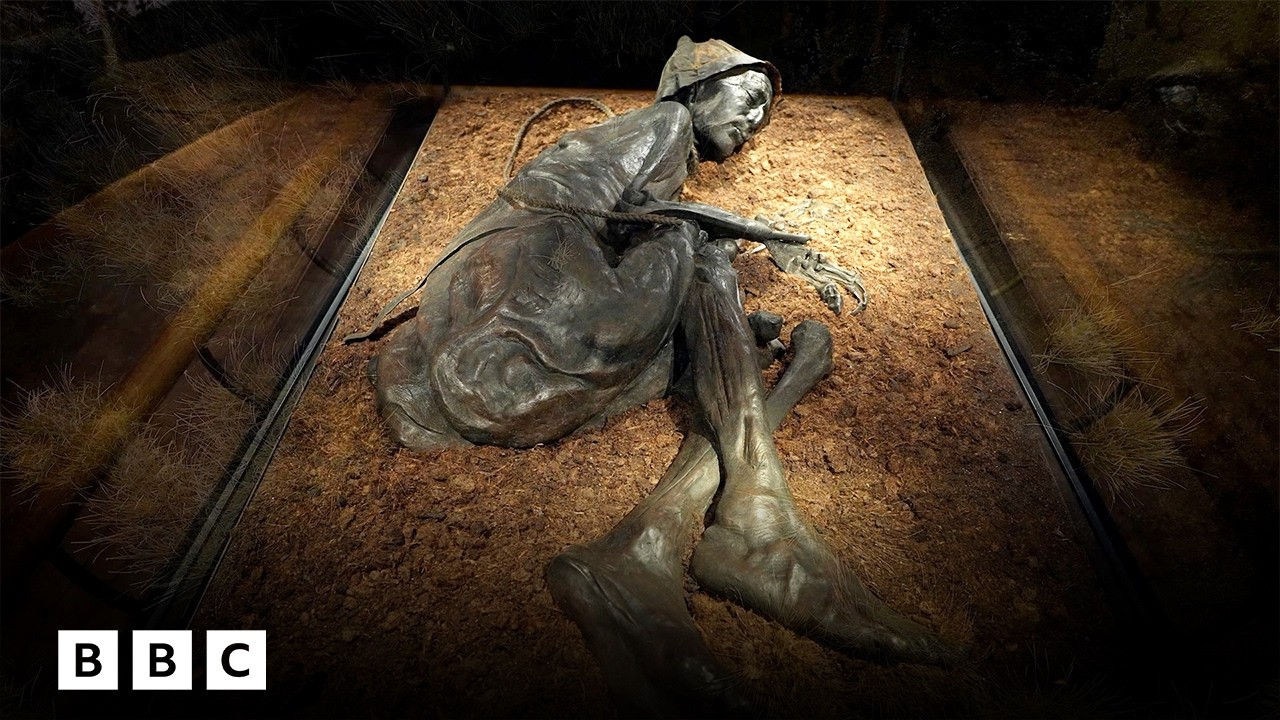
Denmark’s Bog Bodies: The Tollund Man and Grauballe Man

Hidden in the misty peat bogs of Denmark, two figures have silently endured for over 2,000 years: the Tollund Man and Grauballe Man.

These are not ordinary archaeological finds. They are bog bodies — humans whose skin, hair, and even facial features have survived millennia, preserved by the unique chemistry of the peat bogs.

Ritual Sacrifice or Tragic Death?

Scholars believe both men were victims of ritual sacrifices. Their deaths were deliberate, yet the exact reasons remain a mystery.

The Tollund Man’s serene, almost peaceful expression contrasts with the violence of his hanging, while Grauballe Man’s contorted face hints at the harsh realities of Iron Age justice or ceremony. Each body is a window into the lives, beliefs, and social structures of ancient Northern Europe.

A Time Capsule of Iron Age Life

These bogs preserve far more than flesh. The bodies retain traces of hair, stomach contents, and even fingerprints, offering rare insights into diet, health, and daily life nearly two millennia ago.

Every wrinkle, scar, and strand of hair tells a story of a world long gone — a world where ritual, fear, and survival intersected in ways that continue to fascinate historians and archaeologists today.

The Tollund Man and Grauballe Man remind us that archaeology is not just about bones and artifacts. It is about life, death, and the human stories that echo across centuries.

🎥 Watch the video below to uncover the mysteries of Denmark’s bog bodies, and step back into Iron Age Europe with Tollund Man and Grauballe Man:


Egypt's First Monumental Building (Off Limits to the Public)

February 17, 2026

Across the Nile: Egypt’s Origins at Nekheb and Nekhen

Travel with us to two of Egypt’s most revealing archaeological sites — facing one another across the Nile.

On one bank stands El Kab, known in antiquity as Nekheb.
Across the water lies Hierakonpolis, the ancient city of Nekhen.

Together, these sites offer something extraordinary: a glimpse into the birth of Egyptian civilization itself.

Nekheb (El Kab): History in the First Person

At El Kab, history is not abstract.

It is personal.

Rock-cut tombs carved into desert cliffs preserve autobiographical inscriptions from officials who lived and served in the early dynastic and New Kingdom periods. These texts speak in the first person — recounting military campaigns, royal service, loyalty, and ambition.

We don’t just learn what happened.

We hear how individuals wanted to be remembered.

El Kab was a powerful religious center dedicated to the goddess Nekhbet, protector of Upper Egypt. Its temples, city walls, and tomb inscriptions reveal a thriving provincial hub deeply connected to royal power.

Here, Egypt’s story is told by its own people.

Nekhen (Hierakonpolis): Where Kingship Began

Across the Nile lies Hierakonpolis — one of the most important early settlements in Egyptian history.

Normally off-limits, access to this site is rare. But within its desert expanse lies something monumental: the ceremonial heart of predynastic Egypt.

Hierakonpolis is the findspot of the legendary Narmer Palette, one of the most iconic objects in Egyptian archaeology. The palette depicts King Narmer, often associated with the unification of Upper and Lower Egypt — a foundational moment in the creation of the pharaonic state.

But the site offers even more.

Archaeologists uncovered a massive early ceremonial structure here — sometimes referred to as one of the first monumental constructions in Egypt. Long before pyramids pierced the skyline, monumental architecture was already taking shape at Hierakonpolis.

This was not just a settlement.

It was a political and ritual powerhouse at the dawn of dynastic Egypt.

Two Cities, One Origin Story

Standing on opposite banks of the Nile, Nekheb and Nekhen represent two sides of the same transformation:

  • The rise of centralized kingship

  • The emergence of monumental architecture

  • The blending of religion and royal authority

  • The formation of one of the world’s first great civilizations

Together, they reveal how local communities evolved into a unified state — how symbols became power, and how ritual became governance.

The Nile was not a boundary.

It was a lifeline connecting the birthplaces of Egyptian identity.

These sites don’t just tell us about ancient Egypt.

They show us the moment it began.

🎥 Watch the video below to explore Nekheb (El Kab) and Hierakonpolis, and step into the origins of ancient Egyptian civilization at the very place kingship was born:

A Traveler's Guide to the Planets Full Episode | Venus and Mercury

February 17, 2026

A Traveler’s Guide to the Planets: Visiting Venus and Mercury

Thinking of booking a holiday to the inner Solar System?

You might want to reconsider.

In the full episode of A Traveler's Guide to the Planets, titled “Venus and Mercury,” viewers are taken on an unforgettable — and slightly terrifying — journey to our fiendishly hot planetary neighbors.

This isn’t your average sightseeing tour.

This is survival-level tourism.

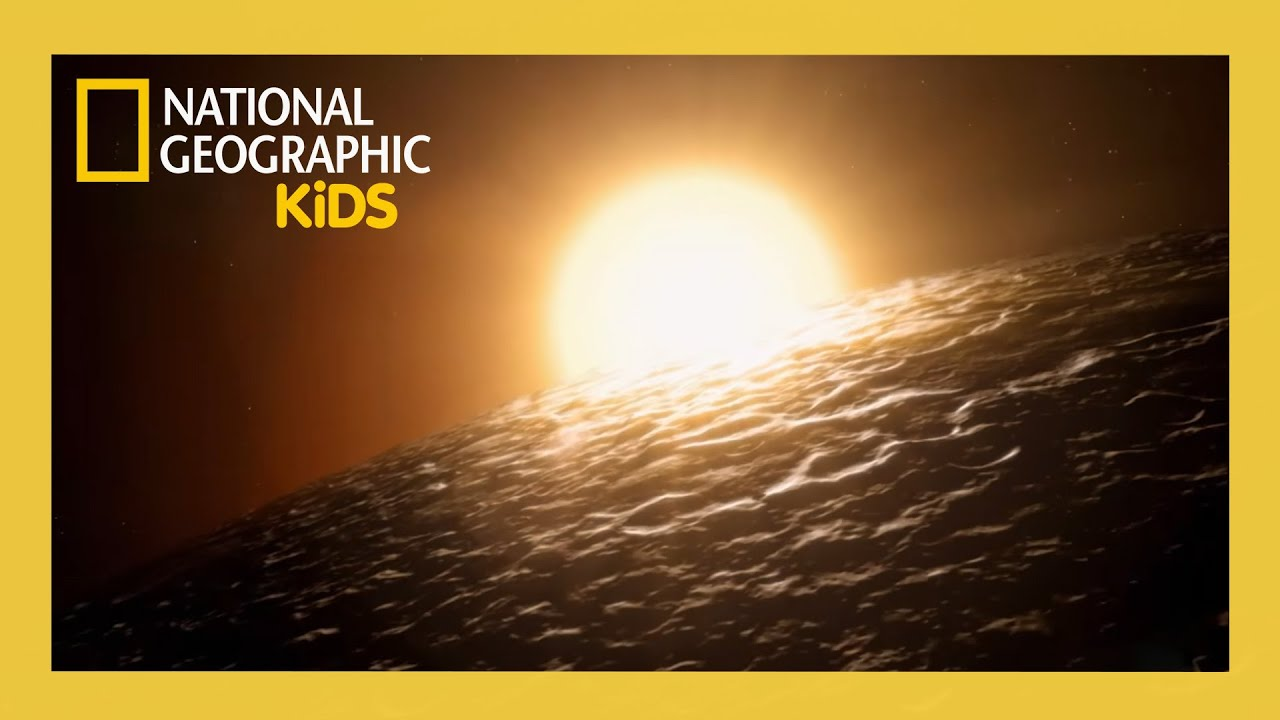
First Stop: Mercury

Mercury may look small and quiet from afar, but up close it’s a world of extremes.

With no real atmosphere to regulate temperature, Mercury swings wildly between scorching heat and freezing darkness. One side of the planet bakes under relentless sunlight, while the other plunges into deep cold.

But for travelers brave enough to endure the temperature swings, the views are unforgettable:

  • The Sun looms enormous in the sky.

  • Cratered landscapes stretch endlessly across the horizon.

  • The silence of space feels absolute.

Just don’t forget your reinforced heat shield.

Next Destination: Venus

If Mercury is extreme, Venus is unforgiving.

Often called Earth’s “twin” because of its similar size, Venus hides a nightmare beneath its thick clouds. Surface temperatures are hot enough to melt lead. Crushing atmospheric pressure would flatten most spacecraft. And sulfuric acid clouds swirl overhead.

And yet — it’s mesmerizing.

Beneath the dense atmosphere lies a volcanic landscape shaped by ancient eruptions and tectonic forces. Lightning flashes across a toxic sky. The planet glows brilliantly in Earth’s twilight, earning its nickname as the “Evening Star.”

Beautiful from afar.

Hostile up close.

The Ultimate Solar System Travel Experience

This episode blends stunning telescope imagery with advanced animation, giving viewers a front-row seat to these distant worlds. High-resolution visuals captured by modern space missions reveal surface details once hidden from human eyes.

Through immersive storytelling and cutting-edge graphics, the series transforms planetary science into a cosmic adventure. It answers the big travel questions:

What would it feel like to stand there?
What would you see in the sky?
What dangers would you face?

And perhaps most importantly — would you survive the trip?

Space Travel, Reimagined

A Traveler’s Guide to the Planets doesn’t just explain astronomy. It invites you to imagine yourself there — packing your bags, blasting off, and sending postcards home from the edge of the Sun’s influence.

It’s science.

It’s spectacle.

And it’s a reminder that even our closest neighbors remain wildly alien.

🎥 Watch the video below to experience the full episode “Venus and Mercury” and take the ultimate guided tour of the Solar System’s most extreme destinations:

25 Most Amazing Ancient Artifacts Finds

February 17, 2026

Why Human Curiosity About the Past Never Fades

Human curiosity naturally stretches in two directions — toward the distant past and the unknown future. We look backward to understand who we were, and forward to imagine who we might become.

Archaeology lives at the center of that curiosity.

Every excavation, every artifact, every fragment of bone or broken pottery carries a quiet but powerful message: someone was here. Someone built, believed, traded, fought, created, and dreamed long before us.

Artifacts as Time Capsules

Artifacts are not just old objects buried beneath soil and sand. They are preserved experiences.

A stone tool reveals survival strategies.
A ceremonial mask hints at belief systems.
A shattered amphora traces forgotten trade routes.
A burial site reflects identity, ritual, and social structure.

Through careful excavation and scientific analysis, archaeologists turn silent objects into detailed narratives. A single shard can reshape migration theories. A buried settlement can rewrite timelines. Even microscopic residue trapped in a tool can reveal what people hunted or how they lived.

The past is not abstract.

It is tangible.

Rewriting History, One Discovery at a Time

What makes archaeology so powerful is its ability to challenge assumptions.

New discoveries constantly refine — and sometimes overturn — long-held beliefs about early civilizations, technological advancement, and human migration. The story of humanity is not fixed; it evolves with every dig site and laboratory test.

Each artifact adds context to our shared timeline, showing us that innovation, resilience, and adaptation have always defined our species.

The Bridge Between Past and Future

Understanding the past doesn’t just satisfy curiosity.

It shapes perspective.

By studying earlier societies — how they flourished, how they struggled, and how they changed — we gain insight into our own world. Archaeology reminds us that civilizations are dynamic, that progress is layered, and that human ingenuity is timeless.

The ground beneath our feet holds centuries of memory.

And we’re only just beginning to uncover it.

🎥 Watch the video below to explore how archaeological discoveries continue to reveal humanity’s hidden stories and reshape our understanding of history:

50 Roman Historical Figures Reimagined as Modern People Living Today

February 17, 2026

50 Roman Historical Figures Reimagined as Modern People Living Today

History doesn’t have to be dusty textbooks and toga statues — sometimes it takes on a whole new life.

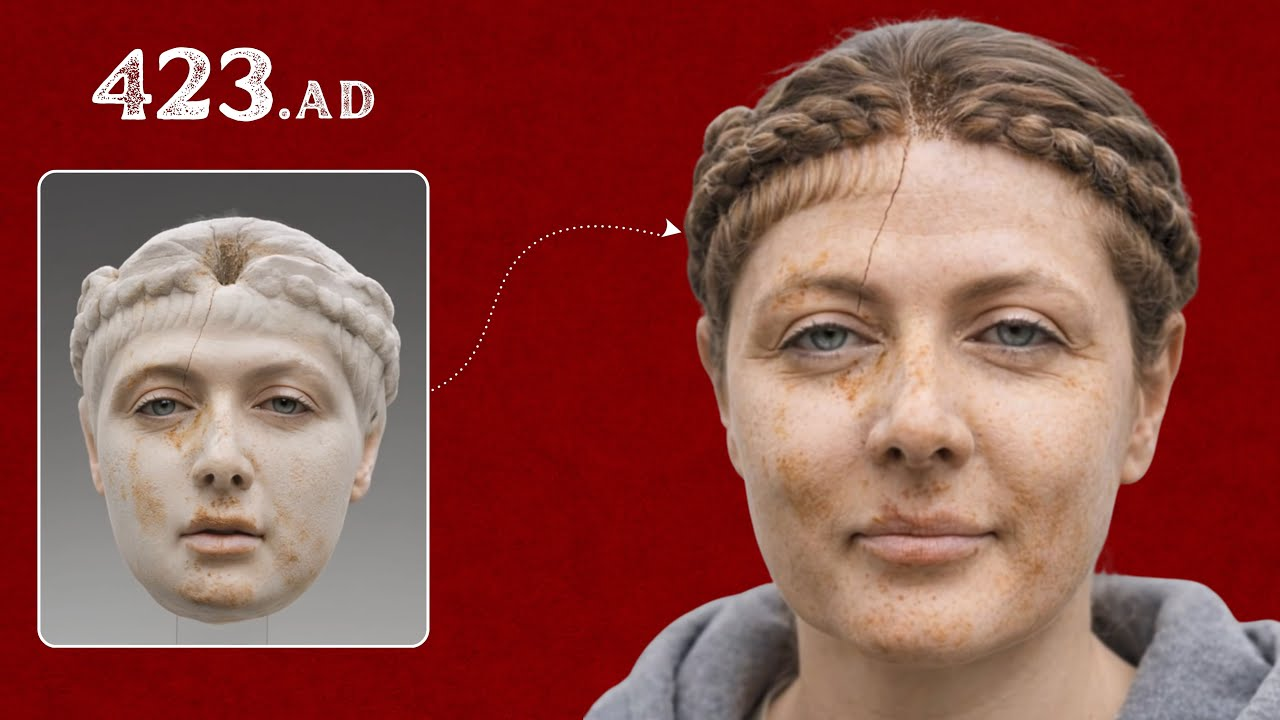
In this fascinating visual journey, 50 figures from the ancient Roman world are reimagined as modern individuals living today. Using cutting-edge digital restoration and creative interpretation, the video brings these historical personalities into the present day, showing how they might look, dress, and even present themselves in the modern world.

From celebrated emperors and influential statesmen to philosophers, generals, and cultural icons, this video goes beyond static busts and coins — it humanizes the Romans and invites us to imagine them walking among us. These reimaginings blend archaeological heritage with creative visual storytelling to spark curiosity about who these people really were and how their personalities might translate across time.

Whether you’re a fan of Roman history, a lover of character design, or just intrigued by creative reinterpretations, this collection offers a unique bridge between antiquity and the present — showing us that historical figures, at their core, were people with strengths, flaws, ambitions, and motivations not so different from our own.

Why This Matters

  • Humanizing History: Turning ancient figures into people you could meet today makes the past feel more relatable.

  • Visual Storytelling: These modern makeovers invite us to think about how culture, fashion, and personality intersect across eras.

  • Inspiring Curiosity: Each figure prompts questions — Who were they? What did they stand for? How would they fit into our world?

This video isn’t just a list — it’s a conversation starter about identity, legacy, and how we connect with history on a personal level.

🎥 Watch the video below to see 50 Roman historical figures reimagined as modern people living today — and imagine how the ancient world might look if its greatest personalities walked among us:

Archaeologists Just Found 18,000-Year-Old Settlement in Oregon — What They Found Is TERRIFYING

February 17, 2026

Did Humans Reach America 5,000 Years Earlier Than We Thought? The Rimrock Draw Discovery

For decades, the dominant story was simple: the first humans arrived in North America around 13,000 years ago.

But deep in the Oregon desert, that timeline is being pushed back — dramatically.

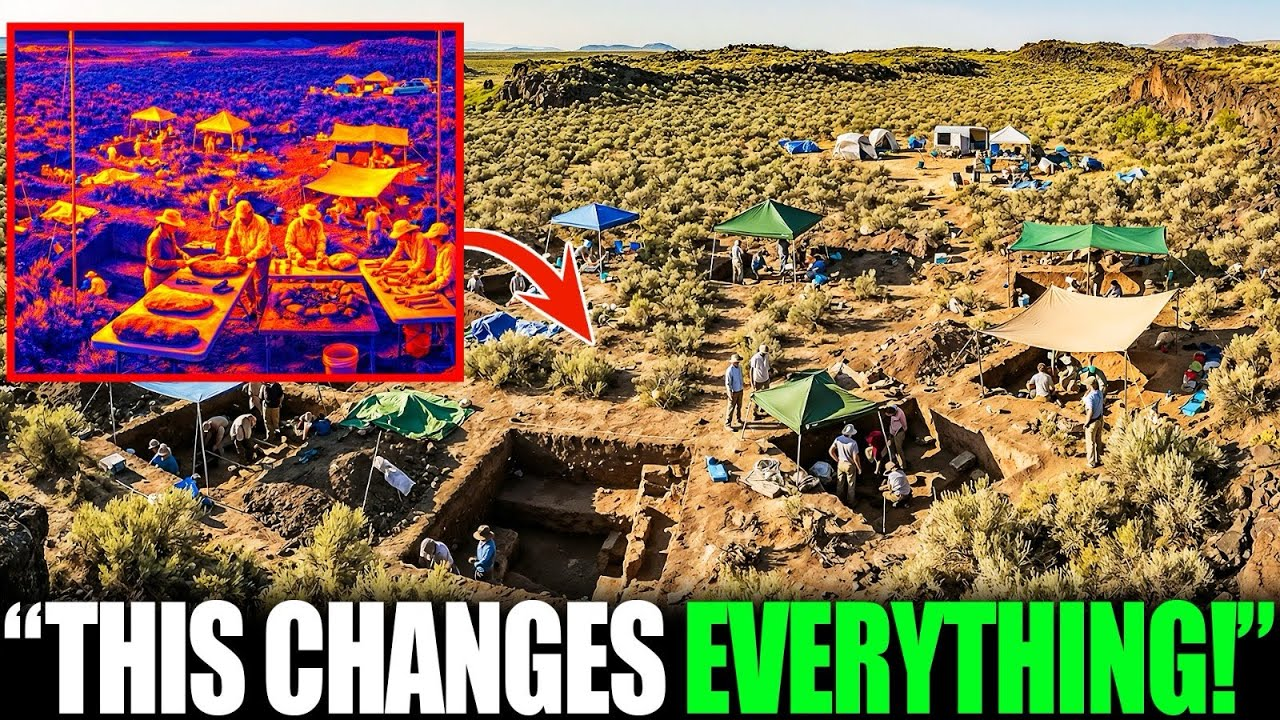
At the Rimrock Draw Rockshelter, archaeologists from the University of Oregon uncovered evidence that suggests humans were present in the Pacific Northwest as early as 18,000 years ago.

If confirmed, that’s 5,000 years earlier than the long-accepted Clovis-first model.

And the evidence is striking.

The Ash That Locked Time in Place

Buried within the rockshelter were stone tools and the remains of an extinct Ice Age camel. These artifacts lay beneath a pristine layer of volcanic ash traced to an eruption of Mount St. Helens dated to roughly 15,000 years ago.

That ash layer acts like a timestamp.

Anything beneath it must be older.

That alone challenges the traditional migration timeline — but what came next was even more compelling.

The “CSI” Moment: Ancient Blood Proteins

Researchers conducted protein residue analysis on the stone tools. Trapped within microscopic cracks were preserved proteins consistent with ancient bison blood.

This isn’t just about tool shapes or sediment layers.

It’s biochemical evidence suggesting these tools were used in hunting tens of thousands of years ago.

That implies something significant:
An organized hunting culture operating in Oregon while much of northern North America was still covered under massive ice sheets.

Rethinking the First Americans

For years, the Clovis culture was considered the earliest widespread human presence in North America. But discoveries across the continent — from coastal sites to inland shelters like Rimrock Draw — are steadily reshaping that narrative.

Rather than a single wave of migration 13,000 years ago, the evidence increasingly suggests a deeper, more complex human presence.

Possibly coastal.
Possibly earlier than we imagined.
Possibly parallel to early populations in Europe and Asia.

But here’s the key: this doesn’t mean “history was wrong.” It means history is evolving.

Science updates itself.

And right now, the American timeline is being refined in real time.

A Bigger Question

If humans were present in North America 18,000 years ago — during the height of the last Ice Age — how did they get here?

Coastal migration routes?
Ice-free corridors earlier than expected?
Seafaring adaptations?

The answers are still unfolding.

But one thing is clear: the story of the first Americans is older, more complex, and far more fascinating than the textbooks once suggested.

👍 LIKE, SUBSCRIBE, and comment below:
Do you think humans have been in the Americas as long as they’ve been in Europe?

🎥 Watch the video below to explore the Rimrock Draw discovery and the evidence reshaping America’s ancient timeline:

GREECE: The Ancient World They Never Show

February 17, 2026

Exploring Greece’s Ancient and Historical Wonders

Step into a land where myth and history blur beneath an endless Mediterranean sky.

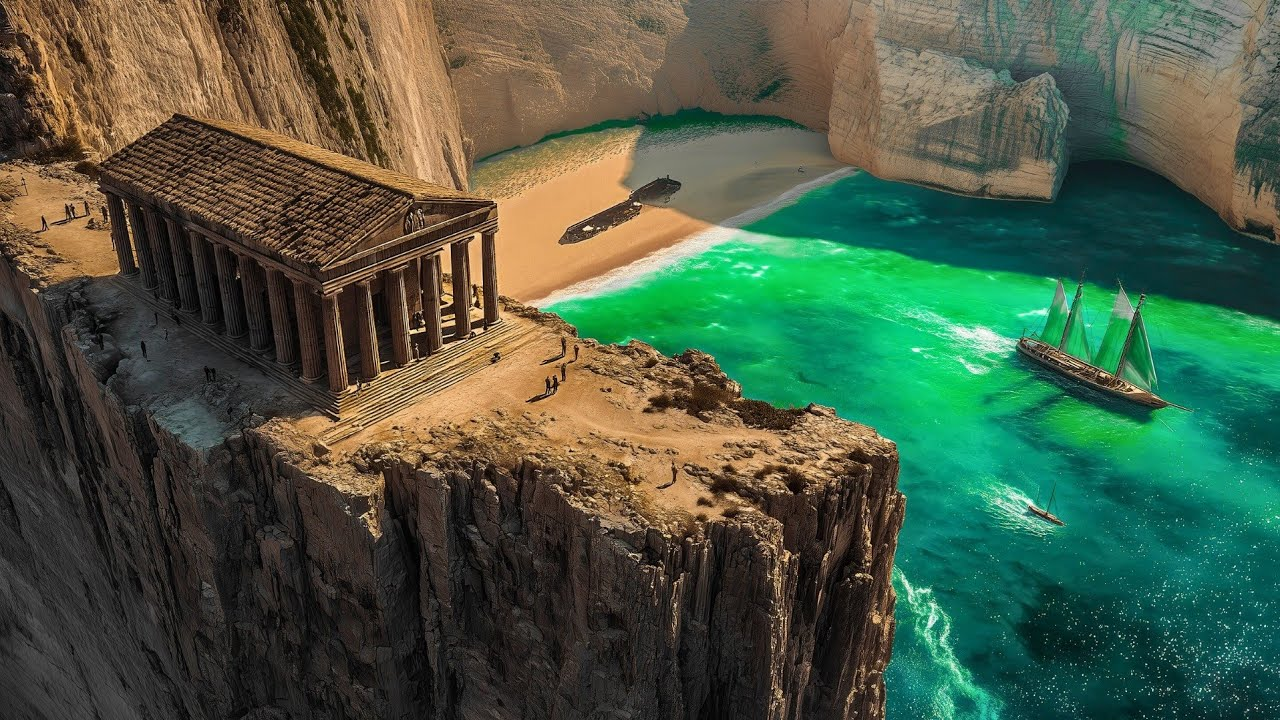
In this travel documentary, we journey across Greece, uncovering ancient cities, marble temples, cliffside monasteries, hilltop fortresses, stone theatres, and vast archaeological landscapes that still whisper stories of gods, philosophers, warriors, and empires.

Every site is a chapter.
Every ruin is a memory carved in stone.

The Cradle of Western Civilization

From the iconic heights of the Acropolis of Athens, crowned by the Parthenon, to the sacred sanctuary of Delphi, where oracles once shaped the decisions of kings, Greece’s ancient world feels both distant and astonishingly present.

In the theatre of Epidaurus, acoustics perfected over two millennia ago still carry a whisper from stage to summit.
At Mycenae, cyclopean walls rise in silent testimony to a Bronze Age power that inspired Homeric legend.

These are not isolated ruins.

They are fragments of a civilization that reshaped politics, philosophy, science, art, and architecture.

Stone, Faith, and Fortresses

Beyond the classical world, Greece’s layered history unfolds through Byzantine monasteries clinging to cliffs and medieval fortresses guarding strategic passes.

The sky-piercing monasteries of Meteora defy gravity and logic, perched atop towering rock pillars like something imagined rather than engineered.

Hilltop strongholds and Ottoman-era fortifications reveal centuries of conflict, resilience, and transformation — proof that Greece’s story did not end with antiquity.

A Landscape Shaped by Myth and Time

What makes Greece extraordinary is not just its monuments, but the way landscape and legend intertwine.

Mountains tied to Olympian gods.
Coastlines traced by epic voyages.
Temples aligned with celestial rhythms.

Here, architecture is not merely structural — it is symbolic. Cities were designed not only for defense or governance, but to honor divinity, celebrate civic identity, and project cultural power.

This documentary invites you to wander through sunlit ruins and shadowed corridors, across marble steps worn smooth by centuries, and into the heart of a civilization that continues to influence the modern world.

Because in Greece, the past isn’t buried.

It stands.

🎥 Watch the video below to journey through Greece’s ancient cities, sacred temples, dramatic monasteries, and timeless archaeological wonders:

← Newer Posts Older Posts →
Featured
image_2026-03-12_232439795.png
Mar 13, 2026
The Mysterious Architects of Ancient Palaces
Mar 13, 2026
Read More →
Mar 13, 2026
image_2026-03-12_232356896.png
Mar 13, 2026
Divine Kingship: When Rulers Were Seen as Gods
Mar 13, 2026
Read More →
Mar 13, 2026
image_2026-03-12_232211099.png
Mar 13, 2026
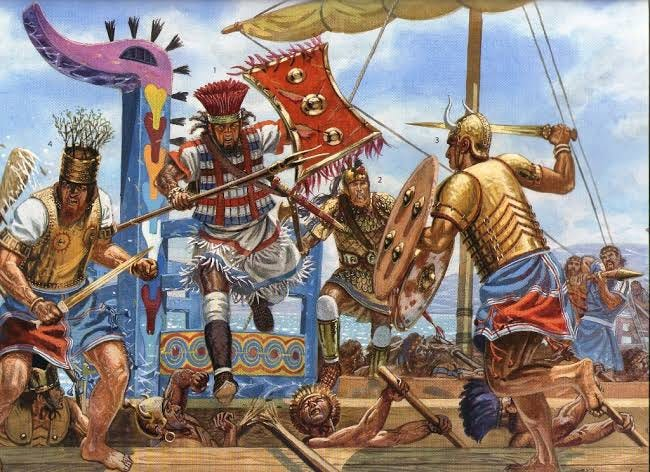
The Forgotten Sea Peoples: Raiders of the Ancient World
Mar 13, 2026
Read More →
Mar 13, 2026
image_2026-03-12_232026356.png
Mar 13, 2026
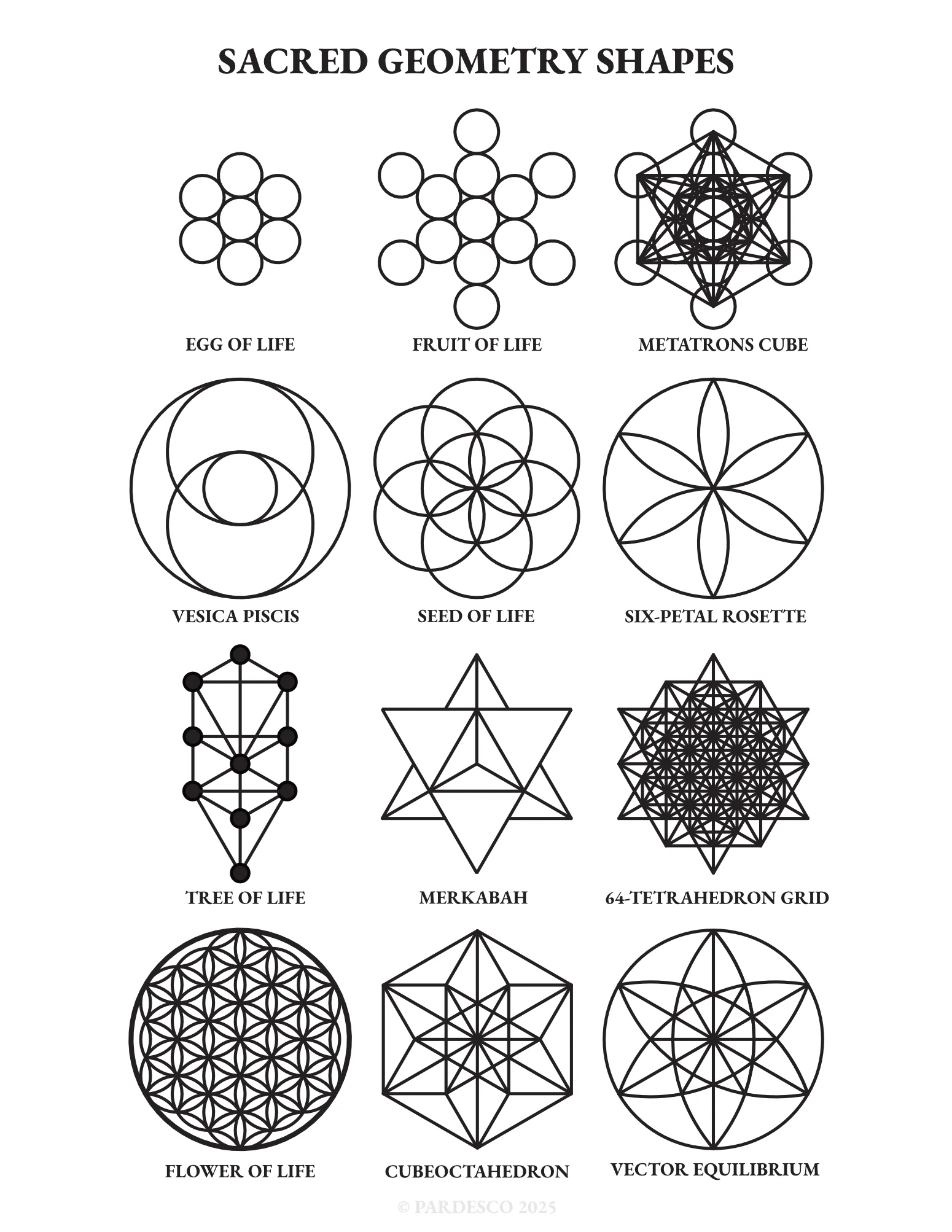
The Origins of Sacred Geometry
Mar 13, 2026
Read More →
Mar 13, 2026
image_2026-03-12_231941982.png
Mar 13, 2026
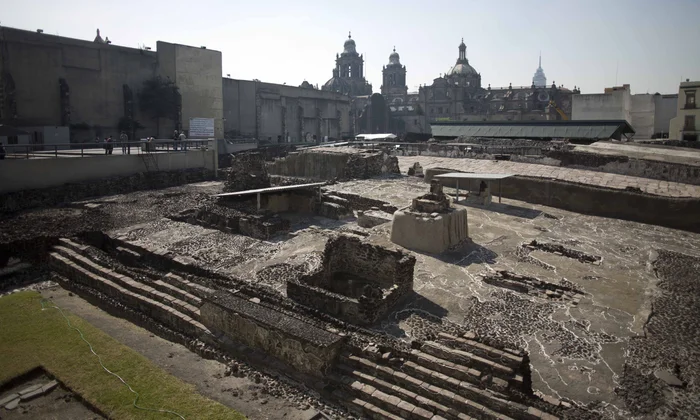
Buried Temples Beneath Modern Cities
Mar 13, 2026
Read More →
Mar 13, 2026
image_2026-03-12_231845648.png
Mar 13, 2026
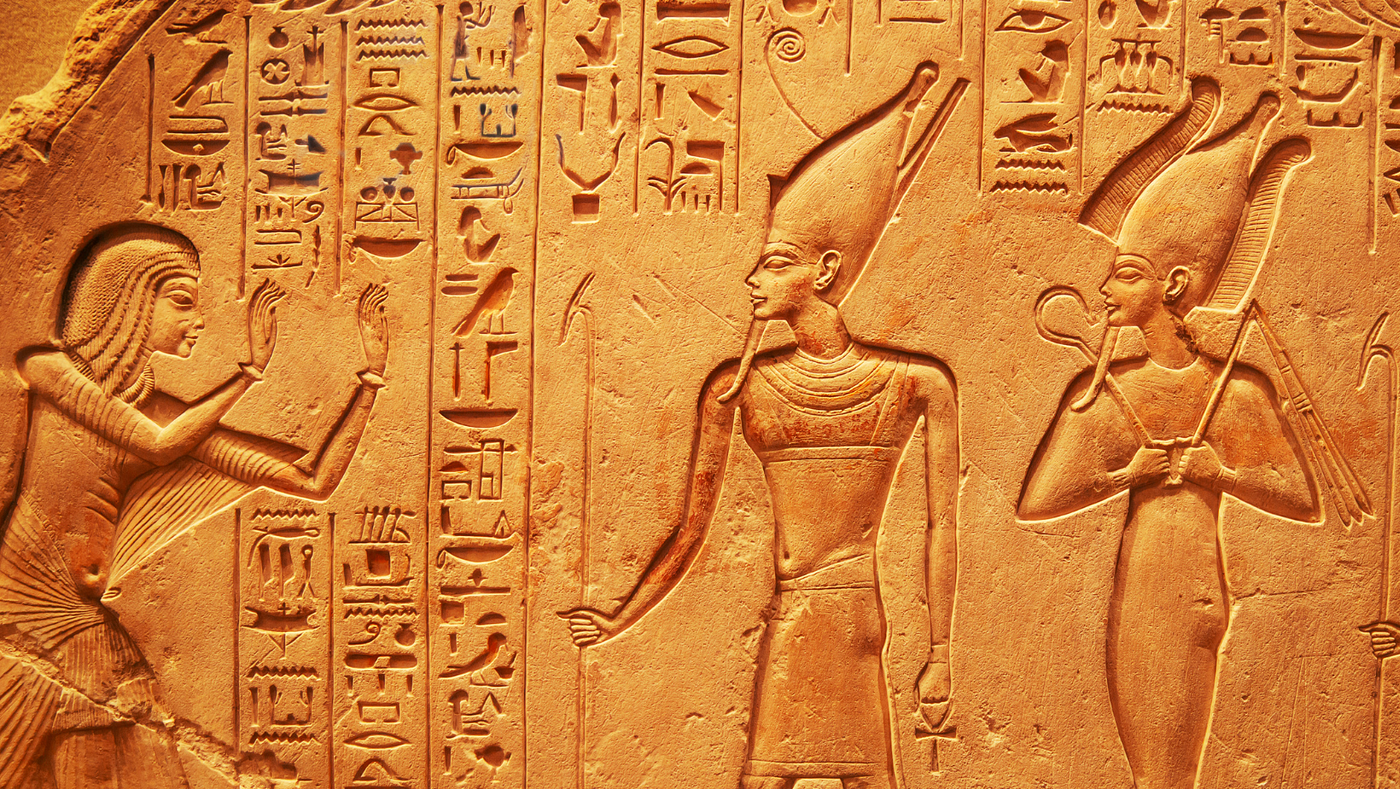
The Secret Languages of the Ancient Priesthoods
Mar 13, 2026
Read More →
Mar 13, 2026
read more

Powered by The archaeologist