• MAIN PAGE
  • LATEST NEWS
    • Lost Cities
    • Archaeology's Greatest Finds
    • Underwater Discoveries
    • Greatest Inventions
    • Studies
    • Blog
  • PHILOSOPHY
  • HISTORY
  • RELIGIONS
    • Africa
    • Anatolia
    • Arabian Peninsula
    • Balkan Region
    • China - East Asia
    • Europe
    • Eurasian Steppe
    • Levant
    • Mesopotamia
    • Oceania - SE Asia
    • Pre-Columbian Civilizations of America
    • Iranian Plateau - Central Asia
    • Indus Valley - South Asia
    • Japan
    • The Archaeologist Editor Group
    • Scientific Studies
    • Aegean Prehistory
    • Historical Period
    • Byzantine Middle Ages
    • Predynastic Period
    • Dynastic Period
    • Greco-Roman Egypt
  • Rome
  • PALEONTOLOGY
  • About us
Menu

The Archaeologist

  • MAIN PAGE
  • LATEST NEWS
  • DISCOVERIES
    • Lost Cities
    • Archaeology's Greatest Finds
    • Underwater Discoveries
    • Greatest Inventions
    • Studies
    • Blog
  • PHILOSOPHY
  • HISTORY
  • RELIGIONS
  • World Civilizations
    • Africa
    • Anatolia
    • Arabian Peninsula
    • Balkan Region
    • China - East Asia
    • Europe
    • Eurasian Steppe
    • Levant
    • Mesopotamia
    • Oceania - SE Asia
    • Pre-Columbian Civilizations of America
    • Iranian Plateau - Central Asia
    • Indus Valley - South Asia
    • Japan
    • The Archaeologist Editor Group
    • Scientific Studies
  • GREECE
    • Aegean Prehistory
    • Historical Period
    • Byzantine Middle Ages
  • Egypt
    • Predynastic Period
    • Dynastic Period
    • Greco-Roman Egypt
  • Rome
  • PALEONTOLOGY
  • About us

Faces from History Brought Back to Life | V2

February 20, 2026

Bringing Faces from History Back to Life

Behind every faded photograph from the past lies a story—a life once lived, full of hopes, struggles, and moments that shaped history. In this collection, historical faces—both famous and forgotten—are brought back to life with incredible clarity, letting us connect with people across time like never before.

From intimate portraits to iconic figures, each image has been carefully restored and animated, revealing the expressions, eyes, and humanity hidden beneath the surface. It’s a powerful reminder that history is made up of real people, not just dates and events.

Experience the past in a way textbooks can’t capture: feel the presence of those who came before us, and see history reflected through the faces of the people who lived it.

🎥 Watch the full video below to bring these incredible historical faces back to life:

The DARK SECRET Of Neanderthal-Homo Sapiens Interbreeding

February 20, 2026

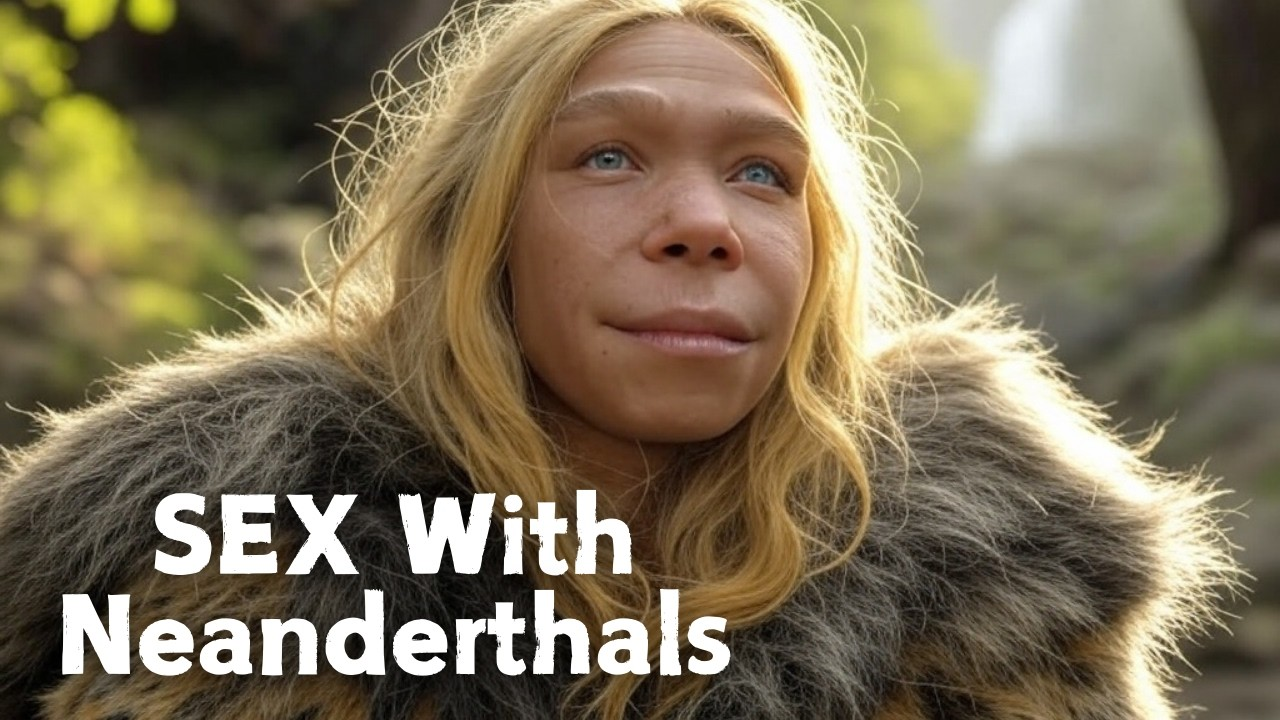
Did Humans and Neanderthals Produce “Mules”?

Some researchers have suggested that interbreeding between Homo sapiens and Neanderthals may have been so frequent that pure Neanderthals gradually disappeared. This raises a fascinating question: Could some of these inter-species unions have produced hybrid humans—similar to how mules are born from horse-donkey pairings?

It’s well known in biology that hybrid offspring between species can sometimes produce infertile males, as in the classic example of mules. This naturally leads to speculation about whether such genetic dynamics occurred between our species and Neanderthals.

Homo sapiens is the sole surviving human species from the last Ice Age, a time when multiple hominins walked the Earth. Among them were Homo neanderthalensis—often considered a separate species—or, by some arguments, a subspecies: Homo sapiens neanderthalensis. Interbreeding between these groups left traces in modern human DNA, showing that while some genes persisted, the full Neanderthal genome did not survive intact.

This story is about more than genetics—it’s about survival, adaptation, and the complex history of our species. By studying ancient DNA and fossil evidence, scientists are slowly piecing together how these interactions shaped the humans we are today.

🎥 Watch the full episode below to explore human-Neanderthal interbreeding, hybridization theories, and what modern science tells us about our Ice Age cousins:

How Tartaria’s Sculptors Made Stone Look Like Fabric — A Technique We Lost

February 20, 2026

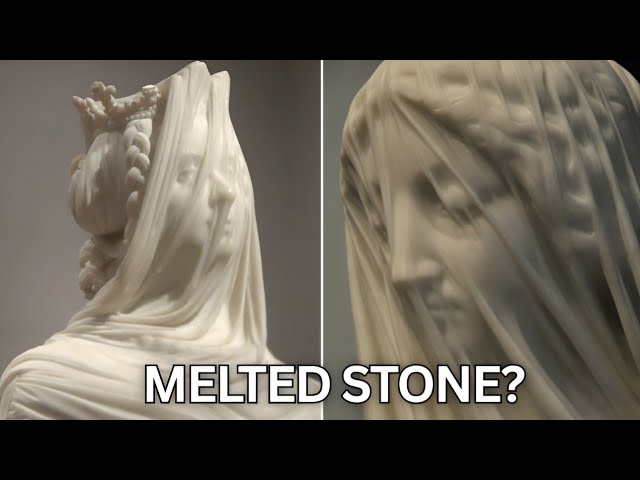
Veils in Stone: The Secrets of 18th-Century Marble Sculpting

How did sculptors in the 1700s transform solid marble into forms that look and behave like soft, flowing fabric? It’s a question that has fascinated historians, artists, and craftsmen for centuries.

While researching historic marble techniques, we came across a series of sculptures with veil-like surfaces—astonishingly thin, exquisitely detailed, and almost impossible to replicate using conventional carving methods. These masterpieces reveal a level of skill and subtlety that modern sculptors struggle to achieve.

In this documentary investigation, we dig deep into archival photographs, restoration reports, and historical records to uncover how these works were made. We explore traditional workshop practices, the limitations of materials, and the training systems that allowed sculptors to develop such extraordinary precision. Many methods were never fully written down, and some skills were passed orally from master to apprentice—only to disappear as craft traditions declined.

By comparing sculpture, architecture, and modern restoration projects, this documentary highlights not only what made these techniques possible, but also why they became so rare. It’s a careful journey through history, following the evidence, pointing out gaps in the record, and trying to answer questions that have puzzled art historians for centuries.

🎥 Watch the full episode below to uncover the secrets behind these astonishing veiled sculptures and learn why 18th-century marble techniques still captivate the world:

3 Dinosaur Fossils That Preserve Internal Organs

February 20, 2026

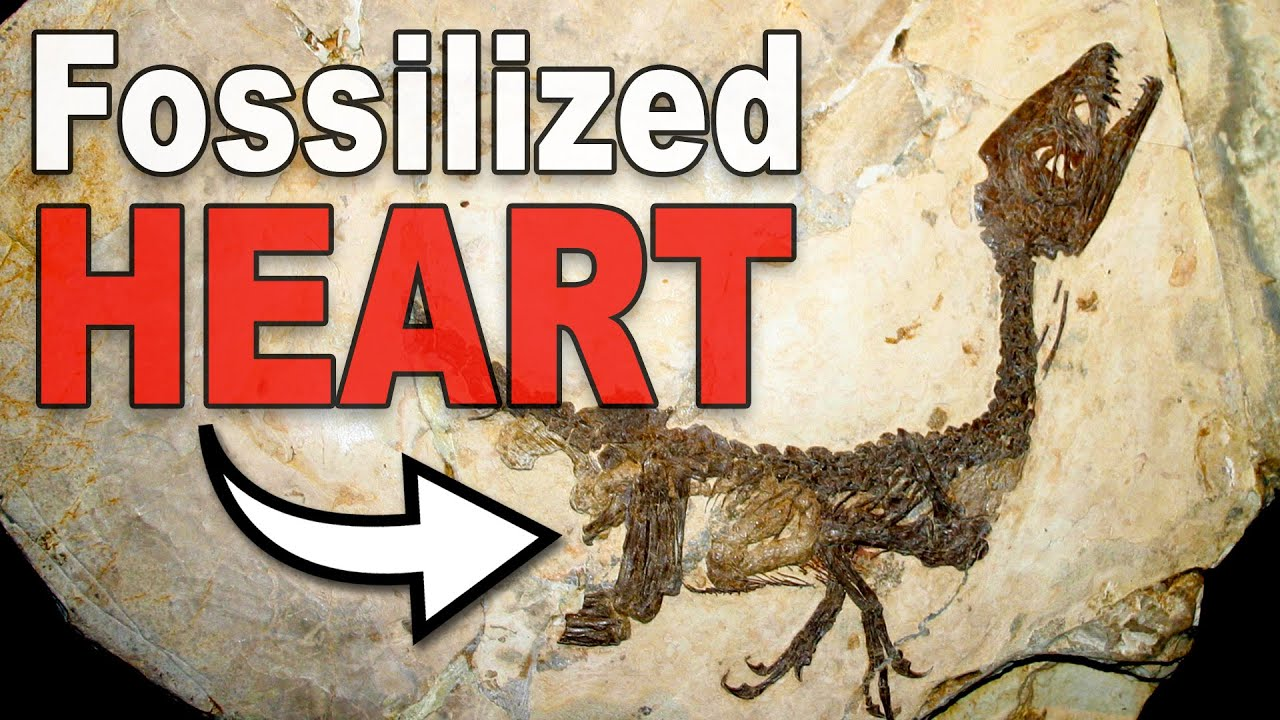
Dinosaur Secrets Preserved in Stone: Fossilized Internal Organs

The fossil record doesn’t just show us bones. Occasionally, it offers tantalizing glimpses into the biology of long-extinct animals, revealing details that science can hardly believe. Among the most extraordinary discoveries are fossils that preserve internal organs, providing an unprecedented look at how dinosaurs lived, grew, and functioned.

From delicate tissue structures to evidence of organs like lungs, hearts, and digestive systems, these fossils help paleontologists reconstruct the inner workings of creatures that roamed the Earth millions of years ago. Each specimen is a rare window into a world long vanished, challenging assumptions and deepening our understanding of prehistoric life.

In this episode, we explore three remarkable examples where fossilized internal organs have been discovered, revealing secrets hidden beneath the bones and offering clues about metabolism, physiology, and even behavior. These discoveries are reshaping how we study dinosaurs, proving that even millions of years later, their biology still has stories to tell.

🎥 Watch the full episode below to dive into these incredible fossil discoveries and see the hidden life of dinosaurs unveiled:

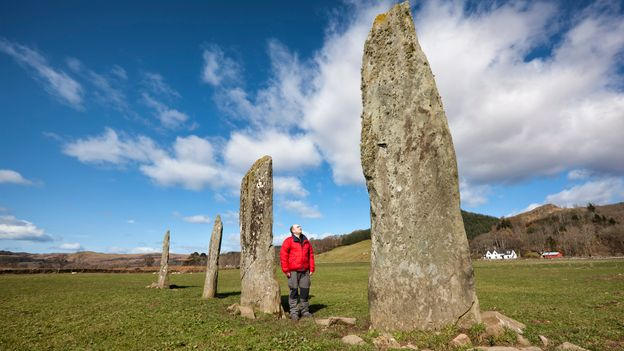
What Archaeologists Still Can’t Explain About Ireland’s Megaliths

February 20, 2026

Ireland’s Megalithic Marvels: Alignment, Mystery, and Ancient Ingenuity

Why were these monuments built with such extraordinary precision? Why do some align perfectly with the rising or setting sun, the distant horizon, or even specific mountains? Why do some conceal light deep underground, while others leave the dead open to the sky and sea? And if these structures were built by the same people, why do their architectural rules vary so dramatically?

In this exploration, we journey across Ireland to uncover the secrets of its most iconic megalithic sites, from passage tombs and dolmens to stone circles and cairns. Each site tells a story of ritual, astronomy, and the ingenuity of communities living thousands of years ago.

00:00 — Introduction
Set the stage for Ireland’s ancient wonders and the mysteries they hold.

00:35 — Newgrange Passage Tomb (Brú na Bóinne)
Step inside one of Europe’s oldest and most famous passage tombs, built to capture the winter solstice sunrise with breathtaking accuracy.

08:12 — Poulnabrone Dolmen (The Burren)
Explore the stark beauty of this iconic portal tomb, standing as a sentinel over the limestone landscape of The Burren.

14:23 — Knowth Passage Tomb (Brú na Bóinne)
Discover intricate carvings and solar alignments that hint at an advanced understanding of time and ritual.

20:36 — Carrowmore Megalithic Cemetery
Visit one of the largest collections of tombs in Ireland, a sprawling necropolis reflecting complex social and spiritual life.

26:33 — Drombeg Stone Circle
Examine a stone circle perfectly oriented to the winter solstice, illustrating the builders’ connection to the cycles of the sun.

31:18 — Loughcrew Cairns (Carnbane East / Hag’s Cairn)
Witness cairns built atop hills, where light penetrates chambers in dramatic displays during solstices and equinoxes.

36:23 — Knocknarea Cairn (Queen Maeve’s Cairn)
Stand before a monumental cairn overlooking Sligo, steeped in legend and mystery, linking landscape, legend, and ritual.

These megalithic sites reveal a deep understanding of astronomy, landscape, and ritualistic architecture. They are monuments not just to the dead, but to human curiosity, observation, and craftsmanship across millennia.

🎥 Watch the full episode below to explore Ireland’s most incredible megalithic sites and their hidden alignments:

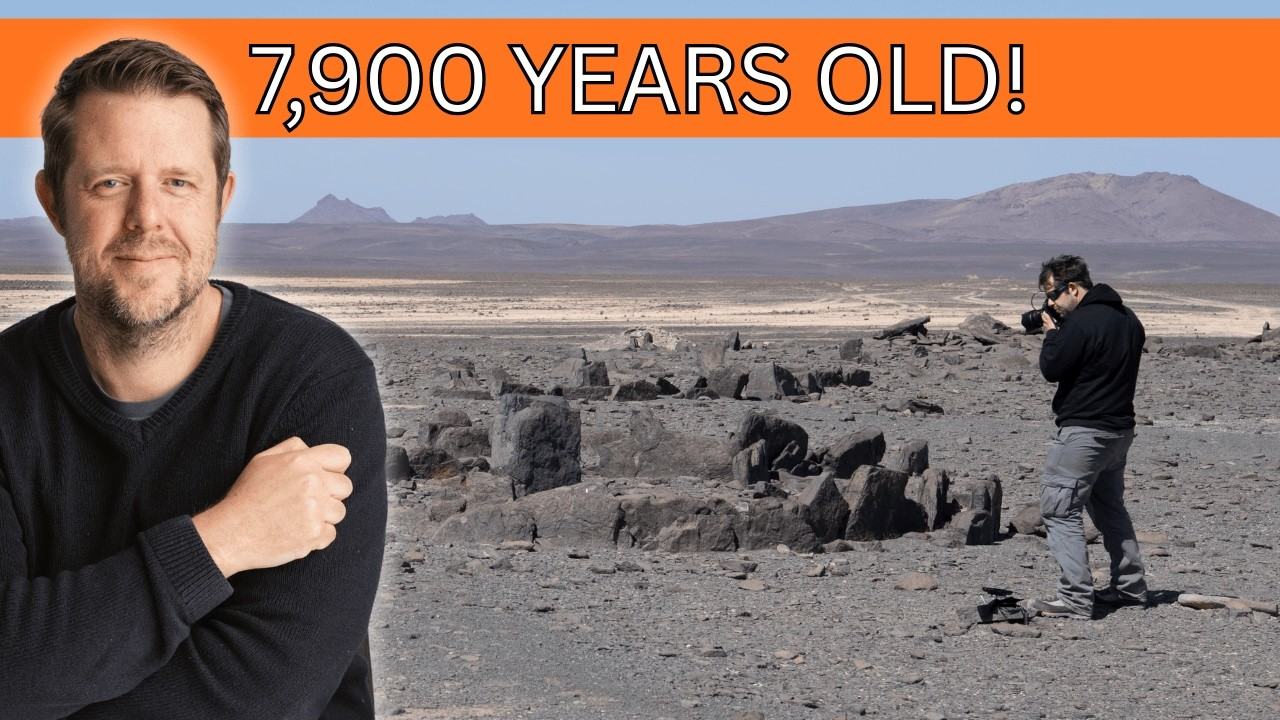
What Is This? 7,900-Year-Old Structures Found in Saudi

February 20, 2026

Standing Stone Circles: Unearthing Saudi Arabia’s Ancient Secrets

In 2018, on my very first day in the field in Saudi Arabia, we stumbled upon something extraordinary—a new archaeological structure, unlike anything documented before. To the best of our knowledge, no archaeologist had studied it, and we had more questions than answers.

What was this structure? How old could it be? And, perhaps most importantly, what should we even call it? At the time, we had no clear answers.

Over the next six years, from 2018 to 2024, our team conducted extensive surveys across the AlUla region, mapping dozens of these enigmatic sites. Excavations revealed fascinating details: stone arrangements carefully positioned on the landscape, signs of deliberate construction, and hints that these structures were not just functional, but ceremonial.

After careful analysis, we gave them a name: Standing Stone Circles. Radiocarbon dating and contextual evidence suggest they were built between 8,000 and 6,000 years ago, placing them in a remarkable chapter of human prehistory. These circles offer a glimpse into the social and ritual practices of early communities in the Arabian Peninsula—people who left no written records but who shaped the land in ways that still resonate today.

From their placement in the desert to their alignment and construction, the Standing Stone Circles invite us to reconsider our understanding of early human ingenuity, community, and ritual life in Arabia.

🎥 Watch the full episode below to explore the discovery of the Standing Stone Circles and the fascinating stories they tell about ancient life in AlUla:

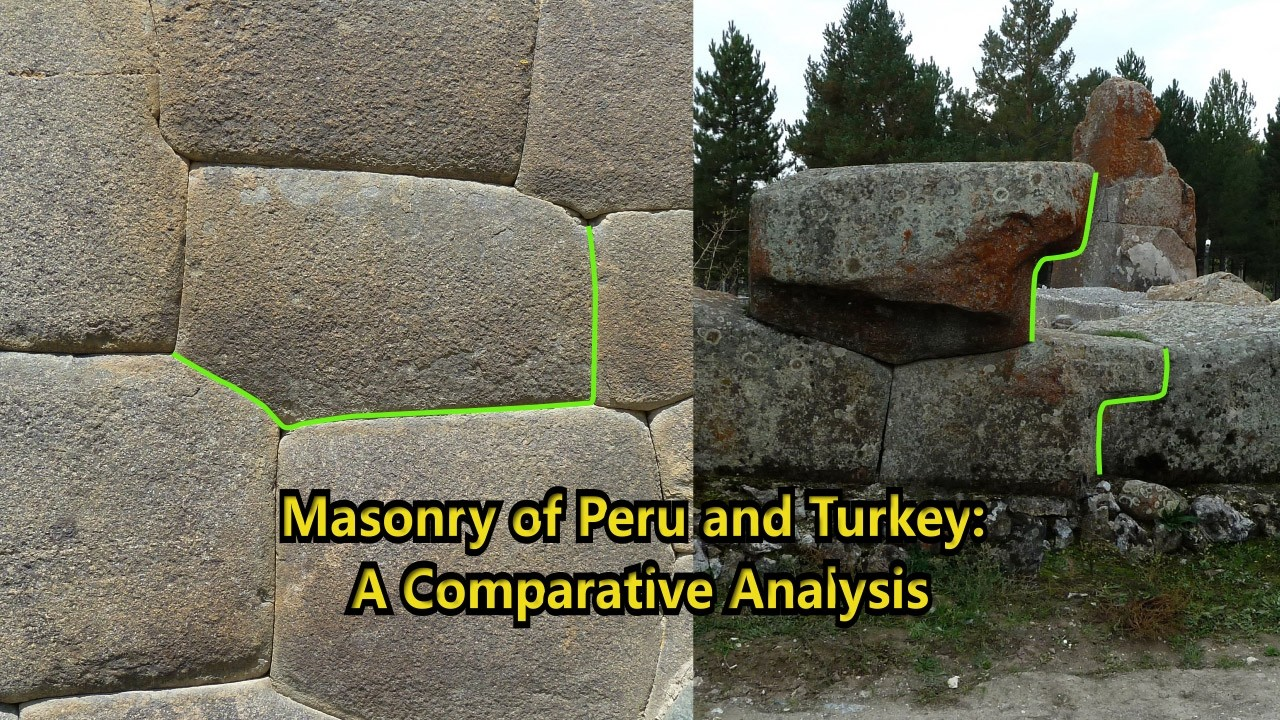
Precisely Fitted Masonry in Peru and Turkey: A Comparative Analysis

February 20, 2026

Ancient Masonry Across Continents: Peru and Turkey

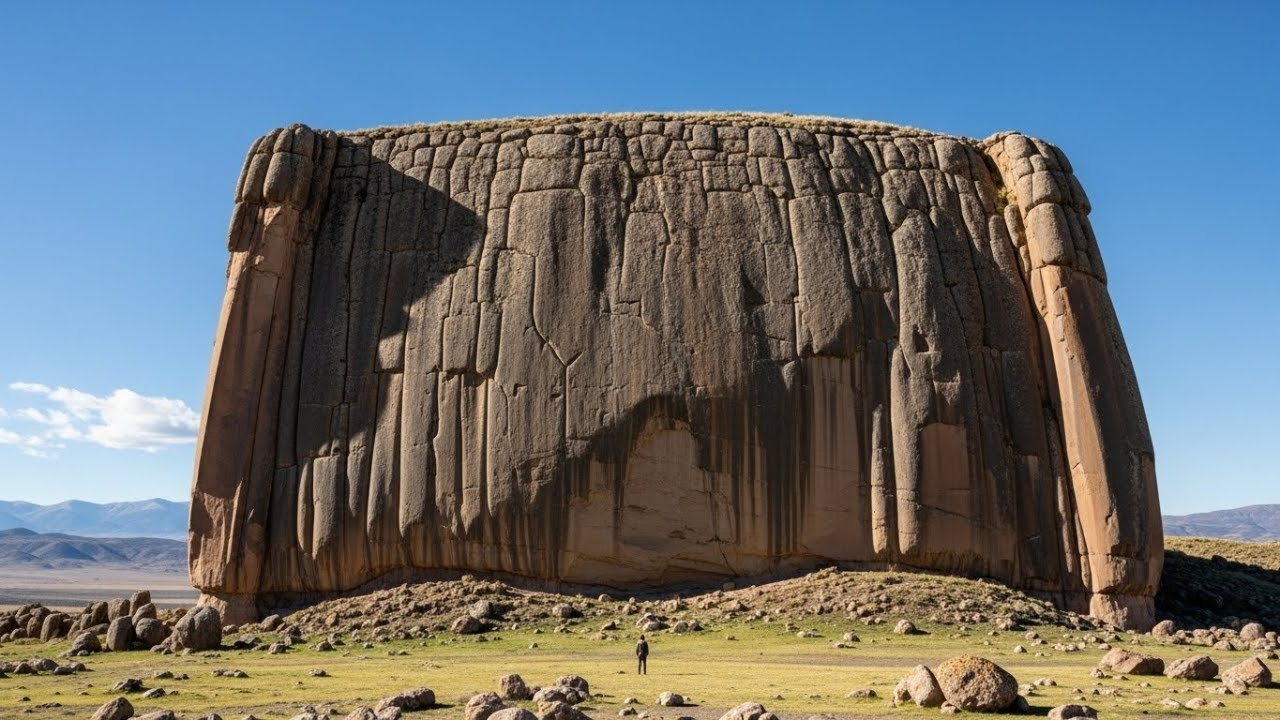
What connects the stone walls of Peru with the megalithic structures of Turkey? At first glance, thousands of miles and centuries apart, they seem worlds apart. But a detailed study comparing masonry traditions reveals surprising parallels that hint at common technological principles in ancient construction.

Researchers examined construction methods, surface treatments, and tool marks on stones from both regions. By analyzing the types of stone, how blocks were shaped and fitted, and the marks left by ancient tools, they uncovered patterns that transcend geography. These methods show not just skill, but sophisticated understanding of materials, weight distribution, and structural stability.

The cross-regional analysis allows us to see that, despite cultural differences, ancient builders often relied on similar problem-solving strategies. Techniques for smoothing surfaces, joining massive stones without mortar, and handling heavy blocks suggest a shared ingenuity that continues to inspire architects and engineers today.

This research is more than just a technical study—it’s a window into the minds of the builders, showing us that innovation, experimentation, and craftsmanship were universal human traits. Whether in the Andes or the Anatolian highlands, the principles behind megalithic construction tell a story of human ingenuity and enduring legacy.

🎥 Watch the full episode below to see the incredible stonework of Peru and Turkey, and learn how ancient civilizations mastered the art of building with massive stones:

Sumerian Records Reveal 6 Lost Civilizations Before Ours — The 7th Is Us

February 20, 2026

Sumerian Lists, Ancient Numbers, and the Mysteries “Before the Flood”

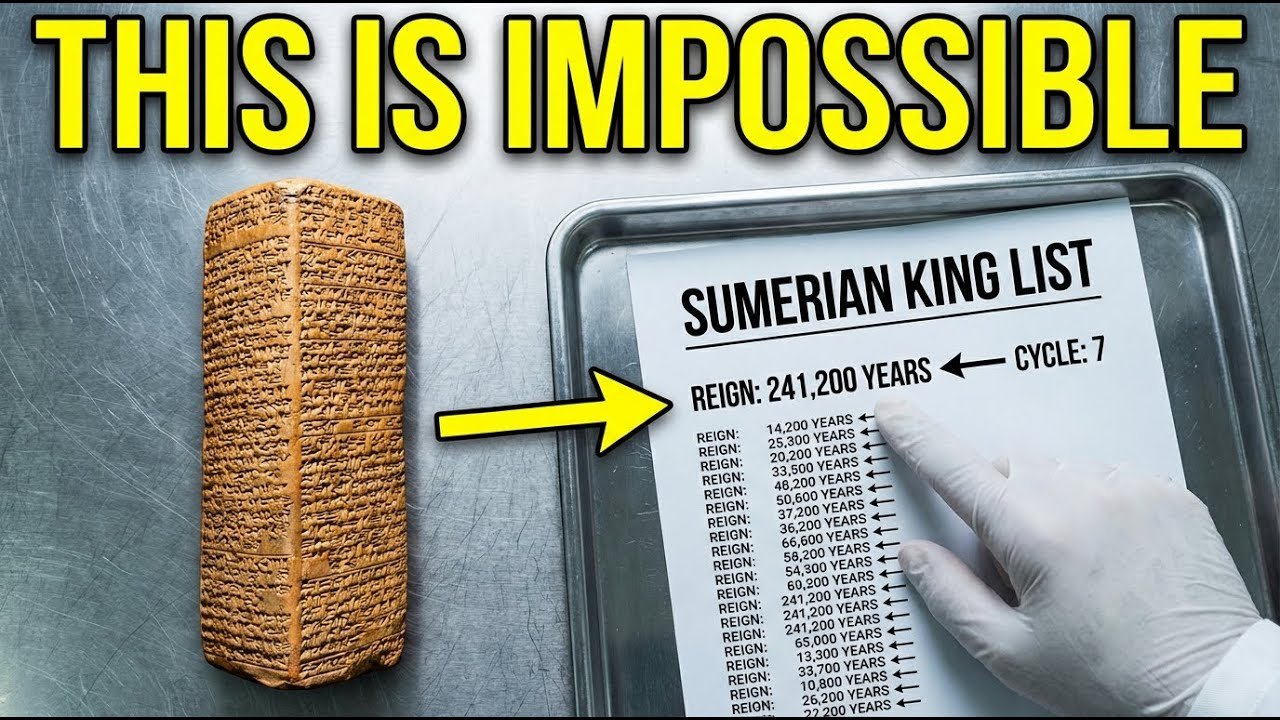
The Sumerians didn’t record history in the way we think of it today. They didn’t tell stories, write chronicles, or compose biographies. Instead, they wrote lists—carefully ordered sequences of names, reign lengths, and dynastic eras. Sometimes, these lists include numbers so vast they almost defy belief.

One of the most intriguing aspects of these records is the repeated mention of events “before the flood.” To modern eyes, it reads like a warning label stamped on the very concept of human time. Scholars have long debated what these phrases truly meant: were they literal accounts of a cataclysmic deluge, symbolic markers of cosmic cycles, or a method to impose order on a past that was already distant and mythic?

This episode dives into some of the most famous of these lists—often cited by enthusiasts as evidence of “six civilizations before ours.” By carefully analyzing the tablets, inscriptions, and context, we can see that the Sumerians may have been trying to preserve more than mere dates. These lists hint at a worldview where time, kingship, and human endeavor were inseparably tied to cycles, divine intervention, and memory.

We’ll explore:

  • How the Sumerian King List mixes myth, history, and astronomical symbolism.

  • Why enormous reign lengths—sometimes thousands of years—appear alongside plausible historical kings.

  • What modern scholars think these lists were really for, from legitimizing rulers to embedding warnings for future generations.

  • How “before the flood” resonates through other ancient cultures and texts, suggesting shared ideas about lost civilizations and catastrophic events.

By understanding the Sumerians’ approach to recording time, we gain a window not just into the past, but into how humans have always tried to make sense of the world around them—even when the answers seem impossible.

🎥 Watch the full episode below to explore the Sumerian lists, the mysterious “pre-flood” civilizations, and what they reveal about ancient human history:

This is what Victorian people sounded like

February 20, 2026

Hearing the Voices of Victorian Icons

In a previous video, we explored the oldest sounds ever captured—recordings made on Édouard-Léon Scott de Martinville’s phonautograph and Thomas Edison’s early tinfoil phonograph. These inventions allowed voices from the past to survive long after the people themselves were gone.

This time, we step into Victorian Britain, where Edison’s “perfected” phonograph sparked a craze to capture voices for posterity. Thanks to these early recording efforts, the voices of poets, composers, and political leaders were preserved for future generations.

  • Robert Browning & Arthur Sullivan: Literary and musical genius immortalized through sound.

  • William Gladstone: Major political figures speaking as if they were in the room with us today.

  • Queen Victoria: After persistent efforts by Edison’s rivals, even the monarch’s voice was finally recorded.

These recordings give us an intimate, almost magical connection to a world long past—proof that sound can carry history in ways no book or photograph ever could.

🎥 Watch the full video below to hear the voices of Victorian Britain come to life:

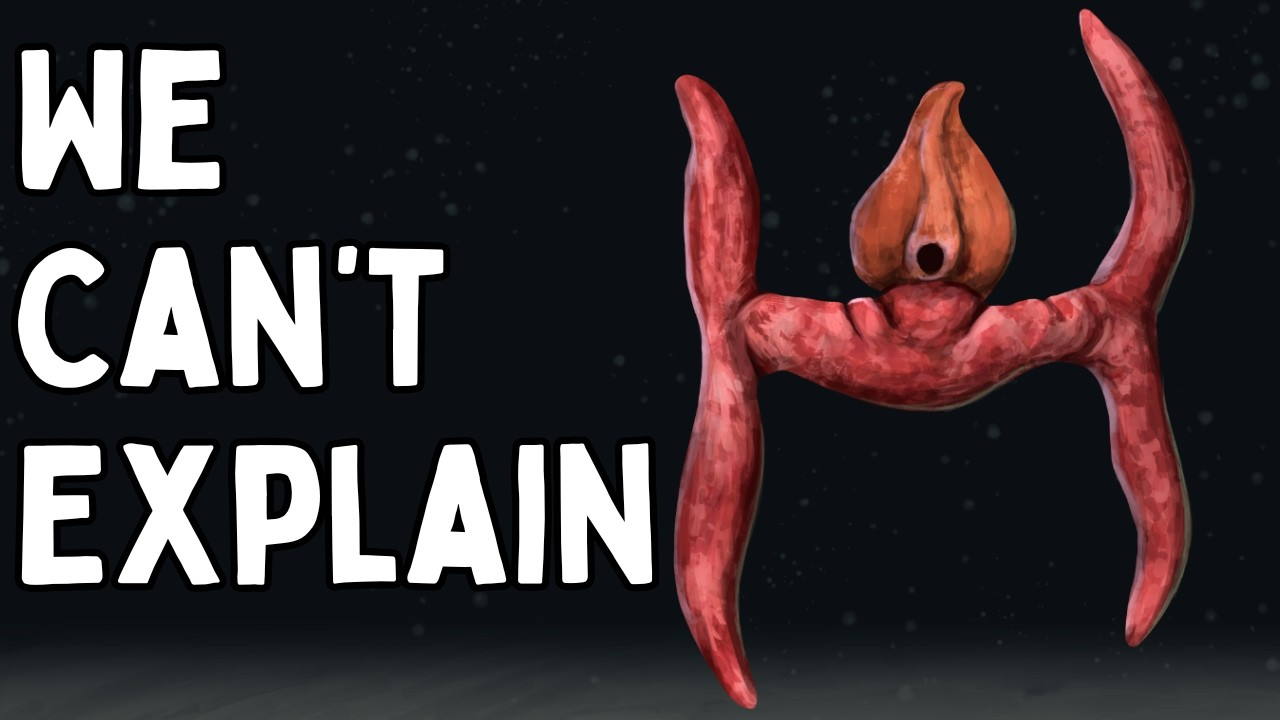
The Strangest Extinct Creatures Ever Found

February 20, 2026

The Strangest Extinct Animals Science Can’t Explain

Extinct animals are fascinating, but some are so bizarre that even modern science can’t make sense of them. From alien-like fish to creatures that seem almost otherworldly, these fossils challenge everything we know about life on Earth.

Highlights from the Video

  • 0:00 – To Become a Fossil: How ordinary creatures can leave extraordinary traces for millions of years.

  • 0:55 – After 90 Years, Still Confused: Fossils that defy identification, leaving paleontologists scratching their heads.

  • 3:42 – The Alien Goldfish: Creatures so strange they look like they belong on another planet.

  • 6:26 – Animals Only Explainable by the Alphabet: Weirdness that can only be described with imagination.

  • 7:58 – An Entire Era of Mysteries: Species from forgotten epochs that challenge our understanding of evolution.

  • 8:30 – A Flesh Tree… With a Skeleton?: Creatures that blur the line between plant and animal.

  • 10:36 – If Your Bathroom Rug Came Alive: Tiny, strange, and shocking life forms preserved in time.

  • 12:00 – Fossils So Weird, They Might Not Be Fossils: When even experts hesitate to classify them.

These creatures remind us that the past was as strange and mysterious as the imagination can conjure—and that life on Earth has always been full of surprises.

🎥 Watch the full video below to explore the weirdest extinct animals that science still can’t fully explain:

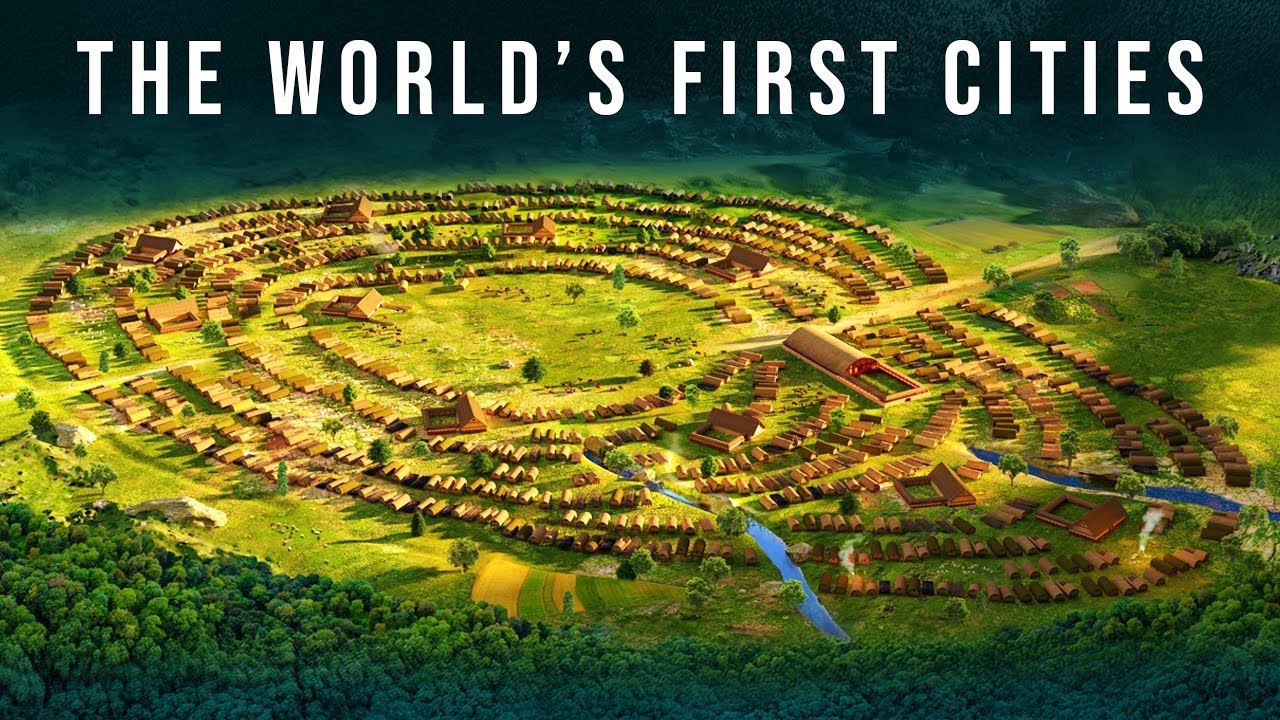
The Vast Ancient Cities of Prehistoric Europe

February 20, 2026

The Giant Settlements of the Cucuteni-Trypillia Culture

Between 5000 and 3000 BC, in what is today Romania, Moldova, and Ukraine, the Cucuteni-Trypillia people built something extraordinary. They weren’t just farming communities—they were urban planners of the ancient world.

Vast Chalcolithic Cities

Unlike the first cities of Sumer, which many consider the cradle of urban life, Cucuteni-Trypillia settlements dwarfed them:

  • Some covered up to 450 hectares.

  • Estimated populations reached 46,000 residents.

  • Streets, communal spaces, and concentric layouts reveal sophisticated planning.

These weren’t random clusters of houses—they were deliberately organized urban landscapes.

Why Build So Big?

The reasons behind these enormous settlements remain partially mysterious, but archaeologists suggest possibilities:

  • Social cohesion: Large populations needed complex social organization.

  • Defensive strategy: Concentric layouts may have provided protection.

  • Ceremonial importance: Large plazas and central structures hint at religious or cultural activities.

  • Agricultural surplus: Sustaining tens of thousands of people implies advanced farming techniques.

Even thousands of years later, these sites force us to rethink the timeline of urban development and challenge assumptions about what prehistoric humans were capable of.

🎥 Watch the full video below to explore the massive settlements of the Cucuteni-Trypillia culture and uncover the mysteries of their incredible Chalcolithic cities:

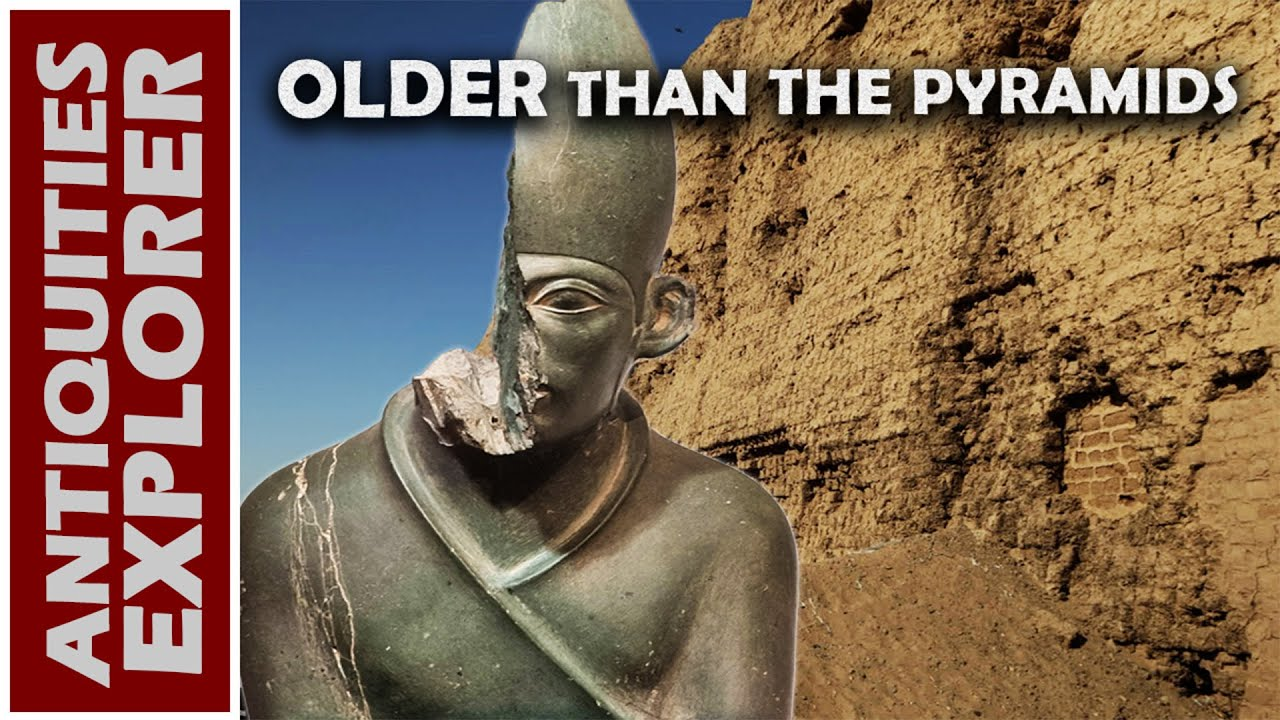
Egypt's First Monumental Building (Off Limits to the Public)

February 20, 2026

Egypt’s Earliest Cities

Travel with us to two of Egypt’s most revealing sites, sitting on opposite banks of the Nile: Nekheb (modern El Kab) and Nekhen (Hierakonpolis). These aren’t just ruins—they’re windows into the very beginnings of Egyptian civilization.

El Kab: Reading History in the First Person

At El Kab, the remains allow us to step directly into daily life thousands of years ago. Tombs, temples, and artifacts tell stories of ordinary people, early political systems, and evolving religious practices. Every inscription and relic offers a first-person glimpse into a society that thrived long before the pyramids dominated the horizon.

Hierakonpolis: Egypt’s Monumental Origins

Across the river, Hierakonpolis is usually off-limits, but special access lets us explore one of Egypt’s foundational sites. This is where the Narmer Palette was discovered, an artifact documenting the unification of Upper and Lower Egypt under the first pharaoh. Nearby, the massive early monumental structures reveal the ambitions of a civilization just beginning to organize monumental architecture.

Why These Sites Matter

Together, El Kab and Hierakonpolis show both the everyday and the extraordinary:

  • Ordinary Life: Residential areas, pottery, and local tombs give insight into daily activities and community structure.

  • Rising Power: Monumental constructions and artifacts like the Narmer Palette showcase early kingship and the centralization of authority.

  • Cultural Foundations: These sites preserve early religion, art, and technological innovations that shaped Egypt for millennia.

They’re more than historical locations—they’re the story of Egypt before the pharaohs built pyramids, a glimpse at the origins of one of the world’s greatest civilizations.

🎥 Watch the full episode below to explore these ancient sites and witness Egypt’s origins come alive:

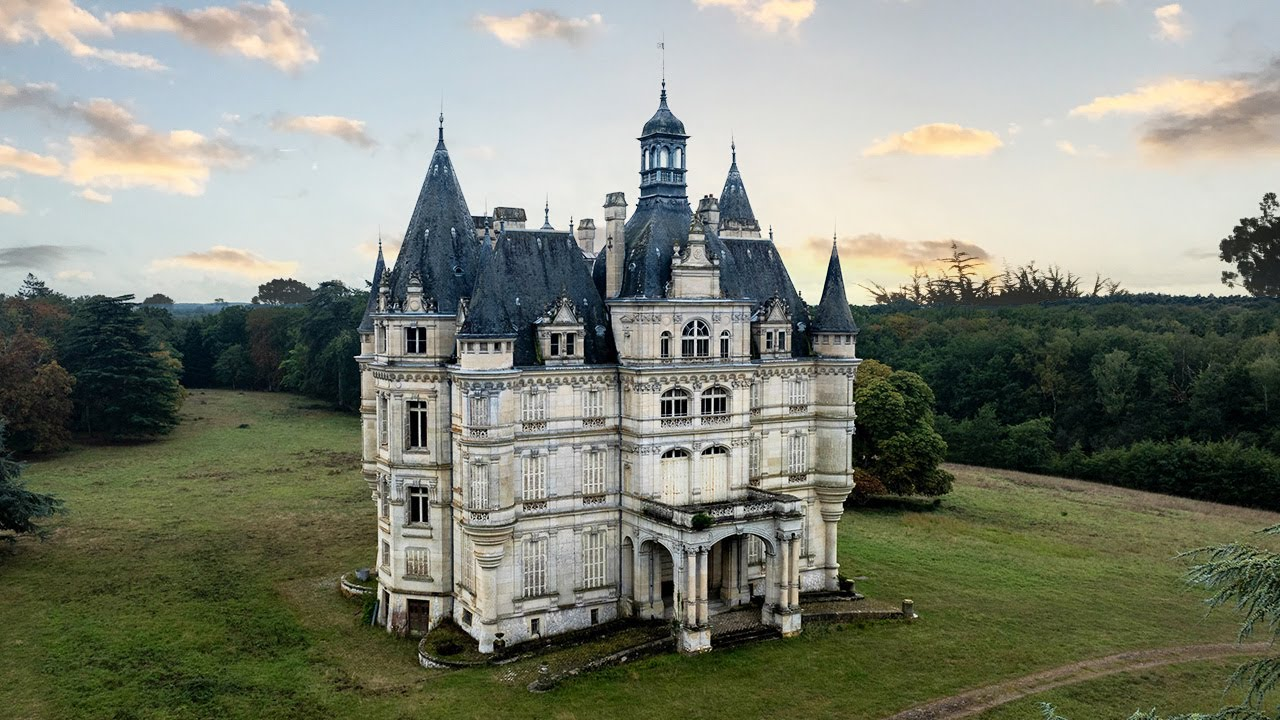
Abandoned 1700s Fairytale Castle ~ Owners Left Everything Behind!

February 20, 2026

On the outskirts of France, hidden among rolling hills and overgrown gardens, a centuries-old castle waits silently for discovery. Forgotten for decades, this desolate 1700s fairytale Château was once the magnificent home of the Chantille family — a lineage shrouded in mystery.

Stepping through its wrought-iron gates is like crossing a threshold into another world. Though its grandeur has faded, the castle still exudes an eerie beauty, frozen in time. The Chantille family, influential and prominent in their era, have left behind only fragments of their story. Their fortunes vanished mysteriously, and their legacy crumbled into abandonment, leaving this architectural jewel to stand as a ghostly witness to history.

Inside, the preservation is astonishing. The master bedroom holds a red canopy bed that still commands attention, while the dining room stretches into a long oak table, flanked by high-backed chairs, silent witnesses to dinners that will never be repeated. In the living room, a grand piano waits, as if paused mid-concert, while the library offers a glimpse into the intellectual life of the past with rows of leather-bound books. Every parlor, hallway, and chamber tells a story — from ornate antique furniture to intricate detailing in ceilings and fireplaces.

This Château is more than a ruin; it’s a time capsule. Each room, each artifact, captures the essence of an era long gone. It’s a space where history and imagination intertwine, inviting us to ponder the lives that once filled its halls and the secrets that remain hidden in its shadowed corners.

Join us as we uncover the haunting elegance of this forgotten castle, exploring the architecture, the artifacts, and the stories preserved in silence for centuries. Every step echoes with the whispers of the past, offering a rare chance to experience a world that time almost forgot.

🎥 Watch the full exploration below to step inside this 18th-century Château and uncover the mysteries of the Chantille family:

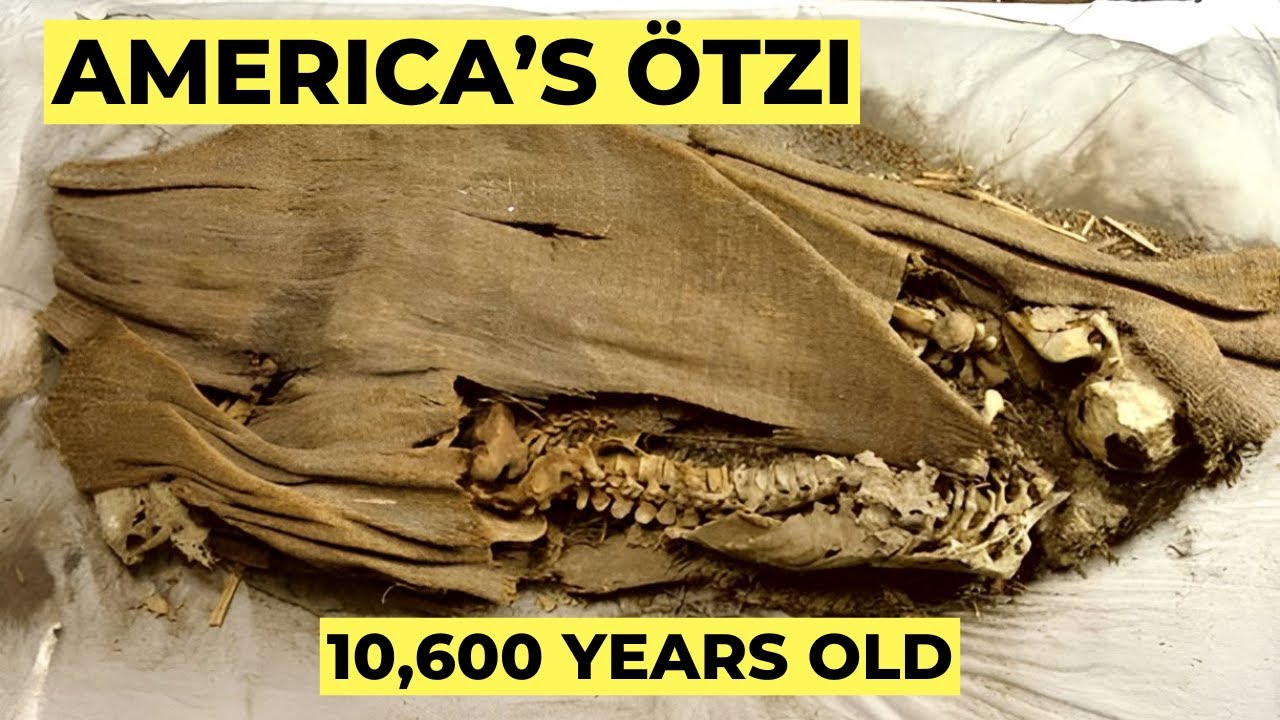
DNA From a Mummy Older Than Ötzi Rewrites American History

February 20, 2026

In 1940, deep in the Nevada desert, archaeologists stumbled upon a mysterious bundle buried in the dark of Spirit Cave. What they found inside would remain largely forgotten for decades — America’s oldest natural mummy, predating even Ötzi, Europe’s famed Iceman. At first, it was just another archaeological curiosity, a carefully wrapped body from a long-lost era. But little did anyone know that this discovery would one day force historians and scientists to rewrite the story of the Americas.

For years, the mummy sparked heated debates. How old was it? Who was this individual, and what culture did they belong to? Indigenous groups raised questions about ancestry and stewardship, while scientists wondered how this find fit into the broader puzzle of early human migration. The mystery lingered, frustrating generations of researchers.

The breakthrough came with the application of modern DNA technology. From a single bone, scientists were able to extract genetic material that told a story no one expected. The DNA revealed a 10,000-year lineage, linking the Spirit Cave individual to the first peoples of the Americas in ways that completely altered previous assumptions. This wasn’t just an isolated case — it showed a continuity of human presence that spanned millennia, reshaping our understanding of how North America was populated.

Beyond the science, the discovery highlights the intersection of archaeology, genetics, and Indigenous history. It reminds us that every artifact carries stories far beyond its immediate context, and that one long-forgotten mummy can challenge centuries of assumptions about human history on an entire continent.

🎥 Watch the full episode below to uncover how Spirit Cave’s mummy changed the course of American history:

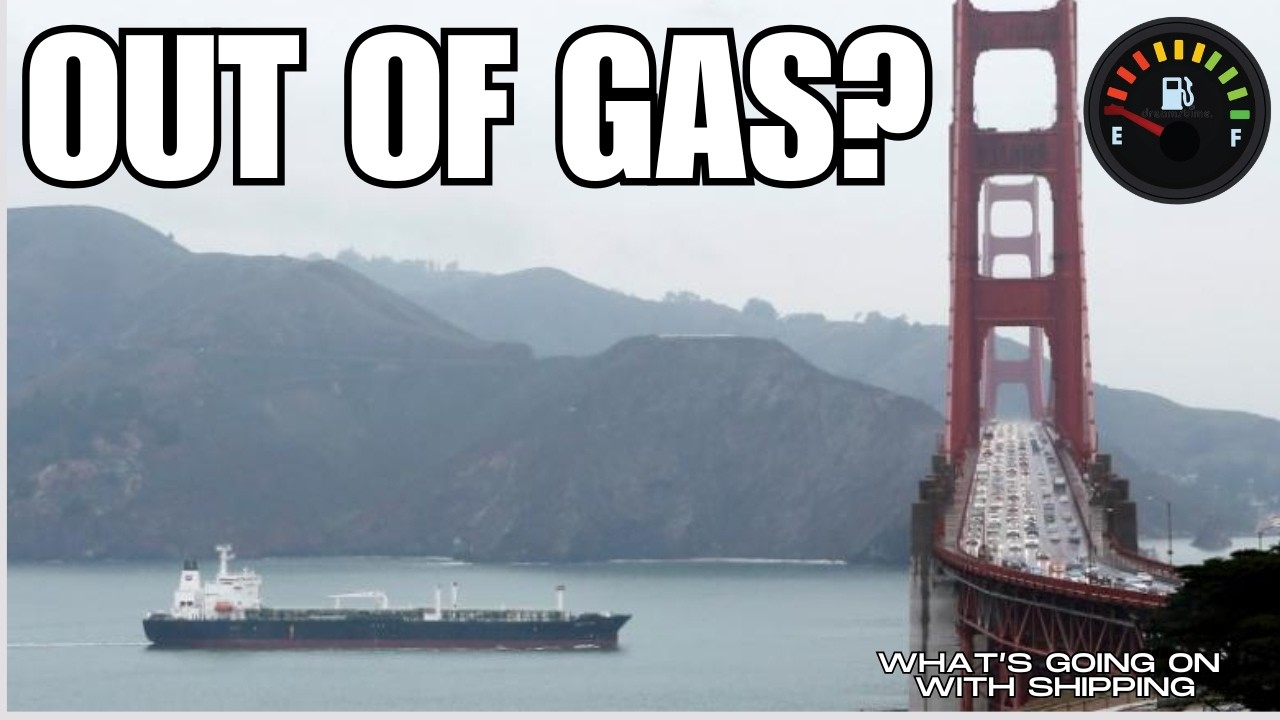
Fuel Starved California is Getting Gas from the Bahamas | Refineries, Pipelines & the Jones Act

February 20, 2026

The Refinery Problem

California has lost a significant chunk of its in-state refining capacity over the past few decades due to closures, environmental regulations, and market shifts. Fewer refineries = less local production of gasoline.

Unlike the Gulf Coast, California is basically an “energy island.” It has:

  • Limited interstate petroleum pipelines

  • No direct pipeline connection to major Gulf Coast refining hubs

  • Tight fuel specifications that make importing from other states complicated

So when in-state production dips, the state has to look overseas.

Why the Bahamas?

The Bahamas isn’t drilling oil.

What’s happening is that fuel is often stored or blended at facilities in places like Freeport, then shipped to California. These storage hubs operate as international trading and redistribution points.

It’s a workaround born from infrastructure constraints — not a Caribbean oil boom.

The Jones Act Factor

Here’s where it gets spicy.

The Jones Act (officially the Merchant Marine Act of 1920) requires that goods transported between U.S. ports must be carried on:

  • U.S.-built

  • U.S.-owned

  • U.S.-crewed vessels

There are very few Jones Act–compliant tankers available, and they’re expensive to charter.

So instead of shipping gasoline directly from Texas to California on a costly U.S.-flag tanker, companies sometimes import fuel via foreign-flagged ships from international hubs — including the Bahamas — because once it’s considered an international shipment, the Jones Act doesn’t apply.

That’s the loophole. It can literally be cheaper to ship fuel from the Gulf Coast to the Caribbean and then to California than to send it directly between two U.S. ports.

Storage & Infrastructure Gaps

California also has limited fuel storage capacity compared to major refining regions. That makes the system more sensitive to refinery outages and supply shocks.

When disruptions hit, the state has to move quickly — and the global market becomes the backup plan.

The Bigger Picture

This situation highlights three structural realities:

  1. California’s refining footprint is shrinking.

  2. The state is geographically isolated from other U.S. fuel systems.

  3. The Jones Act reshapes domestic shipping economics in ways many people don’t realize.

It’s less about the Bahamas being a fuel powerhouse… and more about how maritime law, infrastructure limits, and market forces intersect.

Energy logistics is a chessboard. And California is playing from the edge of it.

🎥 Watch the full video below to see how California gets its gasoline and the impact of maritime law on fuel supply:

What the Ship (Ep138) | Tanker Seizures | Russia Oil | Panama | Net Zero | Containers

February 20, 2026

In this episode of What the Ship, we break down the five biggest developments shaping global shipping right now — from tanker seizures and energy geopolitics to Panama Canal tensions and container market contradictions.

Here’s what’s making waves:

1️⃣ Tanker Seizures Escalate Across Key Regions

The United States, the Netherlands, India, and authorities in the Baltic have all moved to seize tankers tied to sanctions violations and shadow fleet activity.

From enforcement actions in U.S. jurisdictions to crackdowns in European waters and South Asia, maritime trade lanes are becoming more legally volatile. The Baltic, in particular, has become a flashpoint for vessels tied to sanctioned crude flows.

Energy shipping is no longer just about freight rates — it’s about geopolitics.

2️⃣ Russia’s Oil Exports & LNG Production

Despite sanctions, Russia continues to reroute crude exports while expanding LNG production capacity.

Western restrictions haven’t halted flows — they’ve reshaped them.

Tracking tanker movements, ship-to-ship transfers, and new LNG developments shows how global energy markets are adapting. The maritime sector sits right at the center of that shift.

3️⃣ Panama Canal: Water, Control & China’s Reaction

The Panama Canal continues to face water-level challenges impacting transits and scheduling.

But the issue goes beyond drought.

Control of terminal operations at both ends of the canal has sparked political scrutiny, especially amid concerns about Chinese-linked port influence. Beijing’s response — diplomatically and commercially — is being closely watched as strategic chokepoints become geopolitical leverage points.

The canal isn’t just infrastructure. It’s strategy.

4️⃣ U.S. Stays in the IMO & Battles the Net Zero Framework

The United States remains engaged at the International Maritime Organization, pushing back against elements of the proposed Net Zero Framework.

With new allies aligning against certain decarbonization mandates, debates are intensifying over timelines, fuel standards, and enforcement mechanisms.

Shipping’s green transition is no longer just environmental — it’s economic and political.

5️⃣ Container Sector Contradictions: Maersk’s Mixed Signals

The container market continues its recalibration.

Maersk has reported falling profits and announced layoffs — yet simultaneously signed contracts exceeding $1.5 billion for new vessel construction.

The contradiction? Excess capacity already weighs on the sector.

Is this long-term fleet renewal strategy… or doubling down in a soft market?

The container industry remains one of the most closely watched indicators of global trade health.

From tanker seizures and LNG strategy to canal control, regulatory battles, and container sector tension — maritime shipping remains a frontline arena for global power, policy, and profit.

🎥 Watch the full episode below to stay up-to-date on the latest in maritime news and global shipping trends.

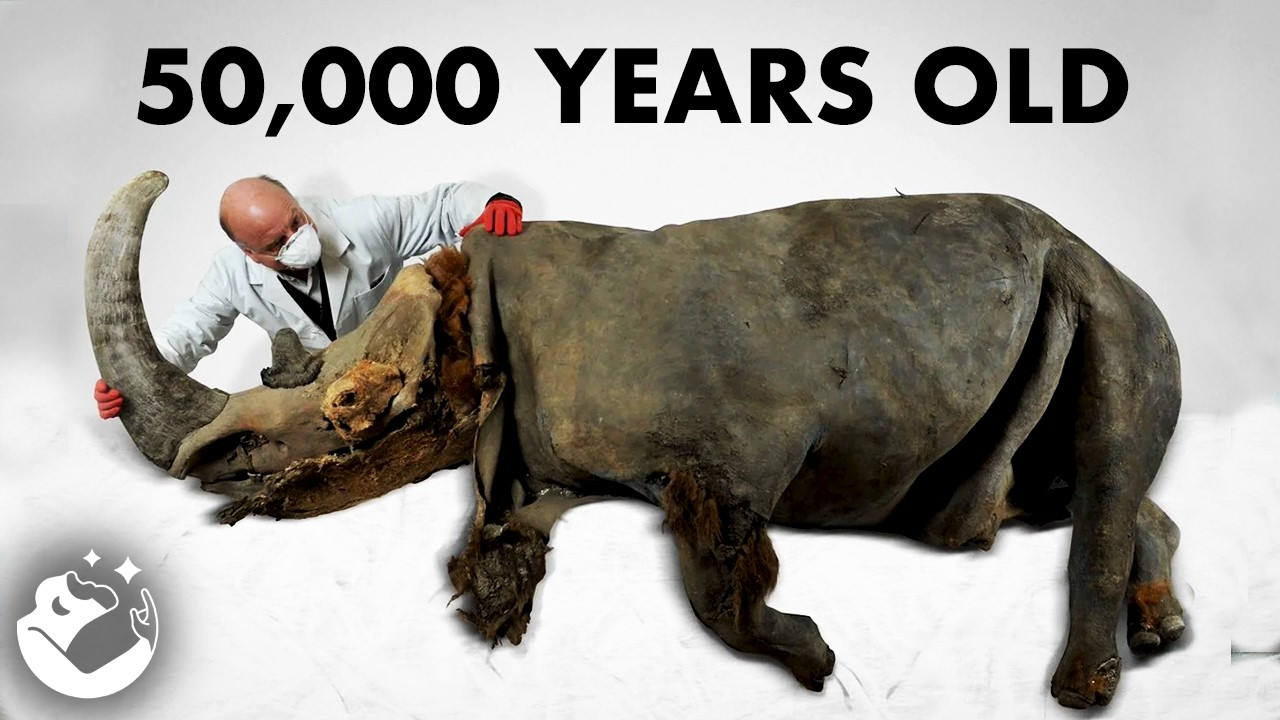
Every Extinct Animal We Have Found In Permafrost!

February 20, 2026

Frozen in Time: Ice Age Giants Preserved in Permafrost

Imagine walking across a barren Arctic tundra… and beneath your feet lies a world untouched for tens of thousands of years.

Not bones turned to dust.

Not fragments.

But entire bodies — fur, muscle, even stomach contents — preserved in ice like nature’s own deep freezer.

Permafrost has safeguarded some of the most astonishing remnants of the Ice Age, giving us rare, intimate access to ecosystems long vanished.

The Woolly Mammoth: A Giant Reawakened

Few Ice Age creatures capture the imagination like the Woolly mammoth.

In Siberia and Alaska, melting permafrost has revealed mammoths so well preserved that their fur remains intact, their tusks gleaming, and in some cases, even their last meals still inside them.

These discoveries allow scientists to study:

  • Diet and seasonal migration

  • Climate conditions of the Pleistocene

  • Genetic blueprints through ancient DNA

We’re not just looking at skeletons — we’re looking at snapshots of life frozen mid-story.

Steppe Bison: Power of the Ice Age Plains

The massive Steppe bison once roamed Eurasia and North America in staggering numbers.

Perfectly preserved specimens show thick fur and muscular builds suited for brutal cold.

By analyzing preserved tissue and DNA, researchers reconstruct ancient grassland ecosystems — vast, windswept plains that supported entire food chains of megafauna.

Cave Lions: Predators in the Permafrost

Among the rarest and most haunting finds are preserved cubs of the Eurasian cave lion.

Unlike modern lions, these Ice Age predators hunted in colder, open environments. Some mummified cubs discovered in Siberia were so intact that whiskers and facial features remained visible.

For the first time, we can study their anatomy in extraordinary detail — revealing how apex predators adapted to glacial worlds.

Ancient DNA: Reading the Ice Age Code

Perhaps the most revolutionary breakthrough isn’t what we see — it’s what we extract.

Frozen tissue allows scientists to sequence ancient DNA, opening doors to:

  • Evolutionary timelines

  • Species interbreeding events

  • Climate adaptation patterns

  • Even discussions about de-extinction

Permafrost has essentially become a biological archive.

Each thawing discovery rewrites chapters of human and natural history.

Humans in the Frozen World

These frozen remains don’t just tell us about animals — they illuminate human survival.

Ice Age humans hunted mammoths, followed bison herds, and navigated extreme climates.

Some preserved sites even contain tools, dwellings, and traces of human interaction with megafauna.

Through these finds, we glimpse the resilience and ingenuity of early people adapting to one of Earth’s harshest environments.

A Race Against Time

There’s an irony here.

The same warming climate that threatens modern ecosystems is also revealing ancient ones.

As Arctic permafrost melts, more discoveries emerge — but they are exposed to decay almost immediately.

Scientists are now racing to recover, preserve, and study these remnants before they disappear forever.

Permafrost is not just frozen soil.

It’s a time capsule.

A silent vault preserving entire worlds beneath the ice — waiting to tell their story.

🎥 Watch the full episode below to explore the astonishing Ice Age discoveries preserved in permafrost and uncover what ancient DNA, frozen fur, and mummified predators reveal about our planet’s distant past.

Secrets of the Melted Megaliths – They Always Knew

February 20, 2026

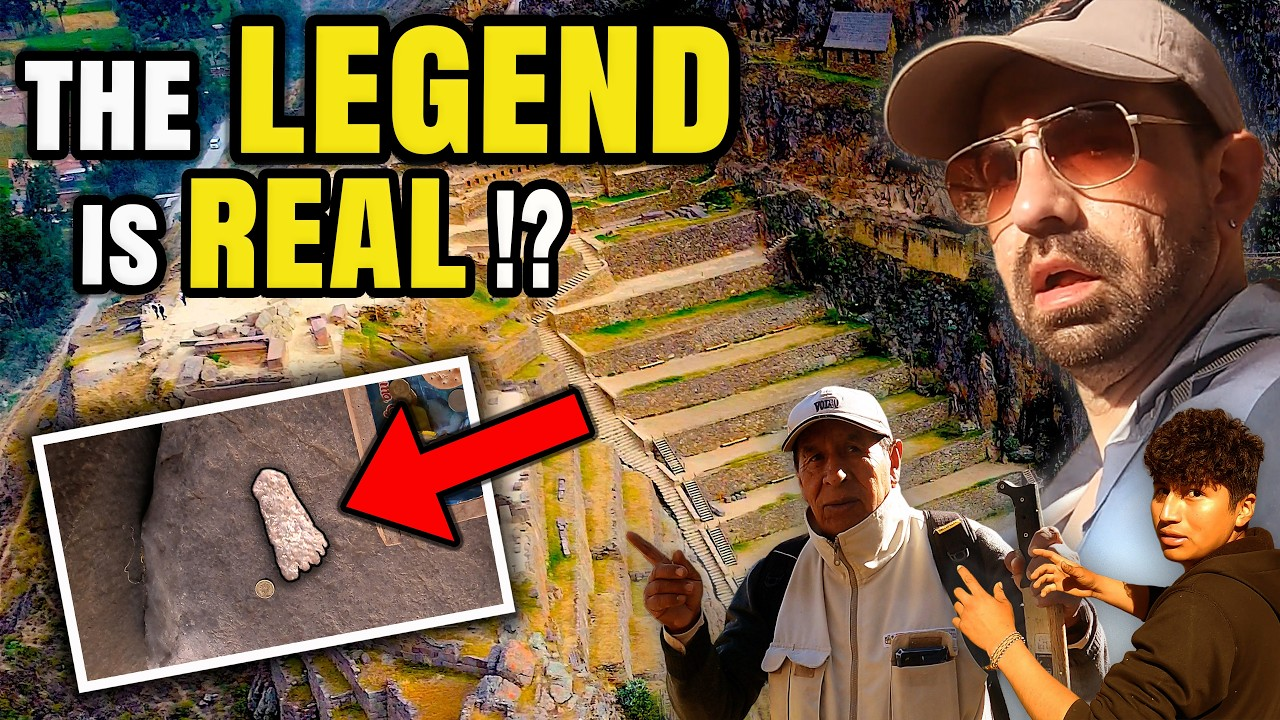
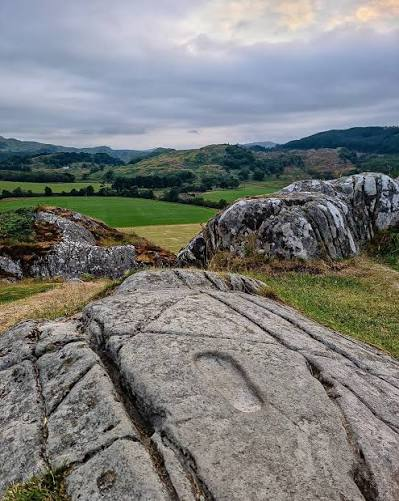
Ancient Technology in Peru? The Legendary Stone Footprint of Ollantaytambo

High in the Sacred Valley of the Andes, stone walls rise with impossible precision. Blocks weighing tons interlock so tightly you can’t slide a sheet of paper between them. No mortar. No steel tools. No modern machinery.

And yet… perfection.

In Ollantaytambo, I followed whispers of something even stranger — a legendary footprint pressed into solid rock.

Locals say it’s proof the ancients could soften stone itself.

Not carve it.

Not chisel it.

Soften it.

The Sacred Footprint of Niño Samachina

Deep within the region’s oral traditions lies the story of Niño Samachina — the “Holy Child.”

For generations, a mysterious imprint in stone has been revered as sacred. Worshipped. Protected. Passed down through stories that blur the line between myth and memory.

Is it symbolic? Geological? Ritualistic?

Or something else entirely?

The legend claims the rock was once pliable — shaped like clay — before hardening again into stone.

And that’s where the mystery deepens.

The Alchemy of the Andes

Some local accounts speak of a lost Inca knowledge — a kind of sacred alchemy capable of softening stone.

A liquid that could turn rock into mud.

Tunnels laced through mountains, guarded by noxious fumes that protected ancient treasures.

Stories like these aren’t just modern inventions. They echo through the centuries — even appearing in the writings of Percy Fawcett, the famed explorer who vanished in the Amazon while searching for lost civilizations.

Was he documenting folklore?

Or recording fragments of a forgotten technology?

Mainstream archaeology attributes the stonework of the Inca to masterful engineering — hammerstones, abrasion techniques, patient craftsmanship, and deep knowledge of local geology.

And yet… standing before those walls, it’s hard not to feel the question linger.

How?

Pachacuti and Sacred Waters

The fortress-temple complex of Ollantaytambo is often linked to Pachacuti, the transformative ruler who expanded the Inca Empire into a vast Andean power.

According to tradition, Pachacuti sought purification in sacred waters — cleansing both conscience and kingdom.

Artifacts tied to these rituals can still be found scattered across the valley.

Water channels carved into stone. Ceremonial platforms. Terraces rising toward the sky.

The engineering alone is staggering.

But within the local worldview, these weren’t just political structures.

They were alive.

Sacred Tunnels & Living History

The mountains surrounding Ollantaytambo are said to be riddled with hidden tunnels — some collapsed, others sealed, a few rumored to still breathe cold air from within.

Locals speak of fumes guarding sacred chambers.

Of relics hidden from invaders.

Of knowledge deliberately concealed.

Whether literal or symbolic, these stories are not relics of the past. They are part of a living tradition.

In the Sacred Valley, descendants of the Inca still preserve language, ritual, and memory.

This isn’t just archaeology.

It’s continuity.

Stone, Myth, and the Edge of Possibility

From the towering terraces of Ollantaytambo to forgotten ruins tucked into the cliffs, every turn in this landscape feels layered.

Science explains much of what we see here through extraordinary but human craftsmanship.

Legends offer something else — a worldview where stone breathes, mountains listen, and knowledge is guarded through story.

The footprint in stone sits at that intersection.

Geology or miracle?

Symbol or technology?

Myth — or memory of something we no longer understand?

In the Andes, history is not just written in books.

It’s carved into mountains.

And sometimes, it looks like it was pressed there by something far stranger than we expect.

🎥 Watch the full episode below to follow the legend of the sacred footprint, explore the fortress of Ollantaytambo, and dive into the enduring mysteries of Inca engineering, hidden tunnels, and the living traditions of the Sacred Valley.

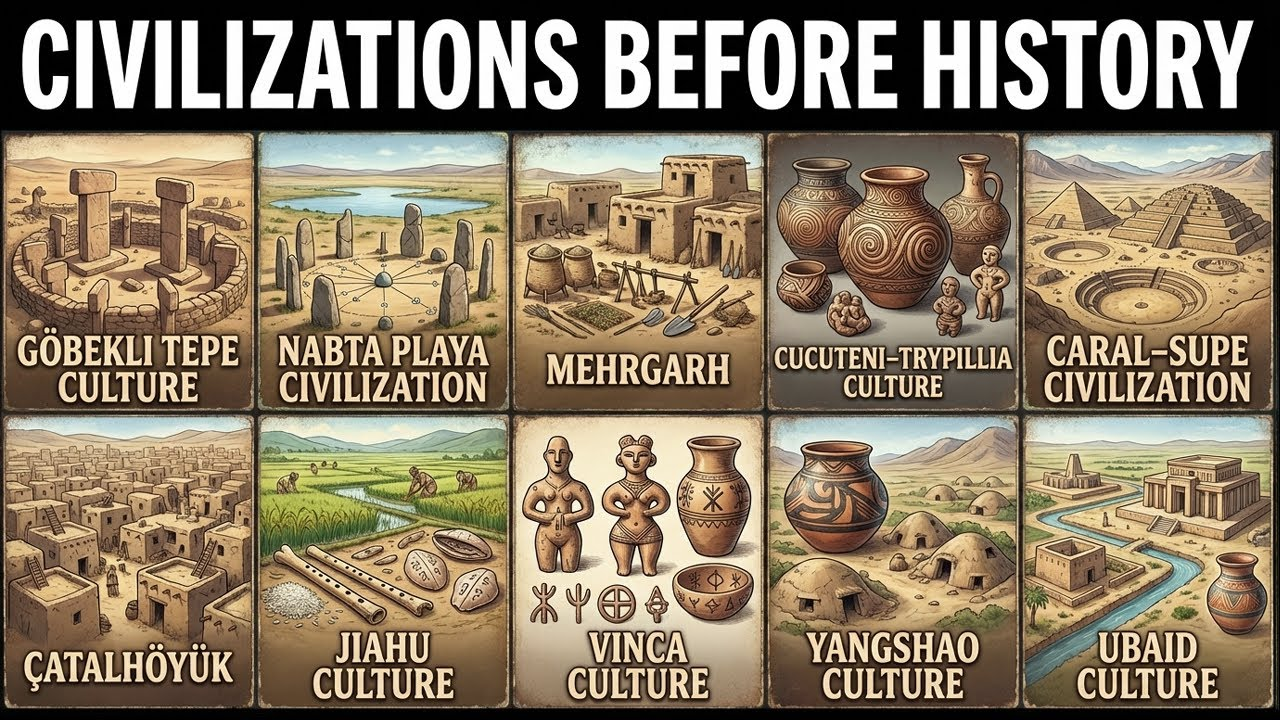
10 Ancient Civilizations That Existed Before Recorded History

February 20, 2026

10 Ancient Civilizations That Existed Before Recorded History

Close your eyes.

You’re standing in a vast library lined with the milestones of human achievement.
Ancient Egypt — 3100 BCE — first hieroglyphs.
Sumer — 3500 BCE — first cities.
Ancient China — 2000 BCE — first dynasties.

These are the “official” beginnings of civilization. The dawn of recorded history.

Now open your eyes.

Because history didn’t begin when writing began.

It began long before that.

Before ink touched clay tablets… before priests etched royal names into stone… before empires declared themselves eternal — there were others.

Civilizations that built in stone when the world supposedly still lived in mud huts.
People who mapped the sky without telescopes.
Engineers who moved stones weighing hundreds of tons.
Surgeons who drilled into skulls — and their patients survived.

And then… they vanished.

Here are ten ancient civilizations that existed before recorded history — and are still rewriting everything we thought we knew.

1. Göbekli Tepe (c. 9600 BCE)

Long before Stonehenge. Before the pyramids. Before agriculture was supposed to exist.

In southeastern Turkey stands Göbekli Tepe, a ceremonial complex built over 11,000 years ago.

Massive T-shaped stone pillars arranged in circles. Intricate carvings of animals. Precision alignment.

It was constructed by hunter-gatherers.

Let that sink in.

This site forces archaeologists to reconsider a core belief: that farming led to civilization. Göbekli Tepe suggests ritual and organized construction may have come first.

2. Çatalhöyük (c. 7500 BCE)

In what is now Turkey, Çatalhöyük reveals a densely packed city of mud-brick homes — built wall-to-wall with no streets.

People entered through rooftops.

Inside were murals, shrines, and symbolic art. It wasn’t primitive. It was complex, planned, and socially organized thousands of years before writing.

3. Mehrgarh (c. 7000 BCE)

Before the Indus Valley script.

In modern Pakistan, Mehrgarh shows early farming communities practicing dentistry. Yes — dentistry.

Human remains reveal drilled molars dating back 9,000 years.

Surgery. Agriculture. Craft specialization.

All before recorded history.

4. Nabta Playa (c. 6000 BCE)

In the Nubian Desert lies Nabta Playa — a stone circle aligned with the summer solstice.

It predates Stonehenge by millennia.

These weren’t wandering nomads. They were sky-watchers. Astronomers.

5. The Cucuteni–Trypillia Culture (c. 5500 BCE)

Stretching across modern Ukraine and Romania, the Cucuteni–Trypillia culture built enormous settlements — some housing tens of thousands of people.

They regularly burned their cities — intentionally.

No clear reason. Ritual renewal? Social reset? We still don’t know.

6. Caral (c. 3000 BCE)

In Peru stands Caral, one of the oldest cities in the Americas.

Massive pyramid complexes. Sophisticated urban planning.

And almost no evidence of warfare.

A civilization without visible violence — thousands of years ago.

7. The Ubaid Culture (c. 6500 BCE)

Before Sumer rose, southern Mesopotamia was shaped by the Ubaid period.

They developed irrigation systems, long-distance trade, and large communal temples.

They laid the groundwork for the civilizations we call “the first.”

8. Jiahu (c. 7000 BCE)

In China, Jiahu reveals early flutes made from crane bones — playable instruments nearly 9,000 years old.

Music. Fermented beverages. Proto-writing symbols.

Human culture thriving long before dynasties.

9. Skara Brae (c. 3100 BCE)

In Scotland’s Orkney Islands sits Skara Brae — a stone-built village older than the Great Pyramid.

Indoor plumbing. Stone furniture. Insulated dwellings.

Prehistoric — yet astonishingly advanced.

10. The Olmec (c. 1500 BCE roots in earlier traditions)

Though later than others on this list, the foundations of Olmec civilization likely stretch further back than their recorded emergence.

Colossal stone heads carved from volcanic rock — transported miles without wheels or beasts of burden.

Their origins remain partly shrouded in mystery.

So What Does This Mean?

Writing didn’t create civilization.

It recorded what had already existed for thousands of years.

The deeper we dig, the older complexity becomes.

History isn’t a straight line beginning in 3000 BCE.

It’s a fog.

And occasionally — when the earth shifts or a farmer plows too deep — something ancient emerges from that fog and reminds us:

We are not as first as we thought.

🎥 Watch the full episode below to uncover the forgotten cities, astronomical monuments, surgical breakthroughs, and vanished cultures that challenge everything we think we know about the dawn of civilization.


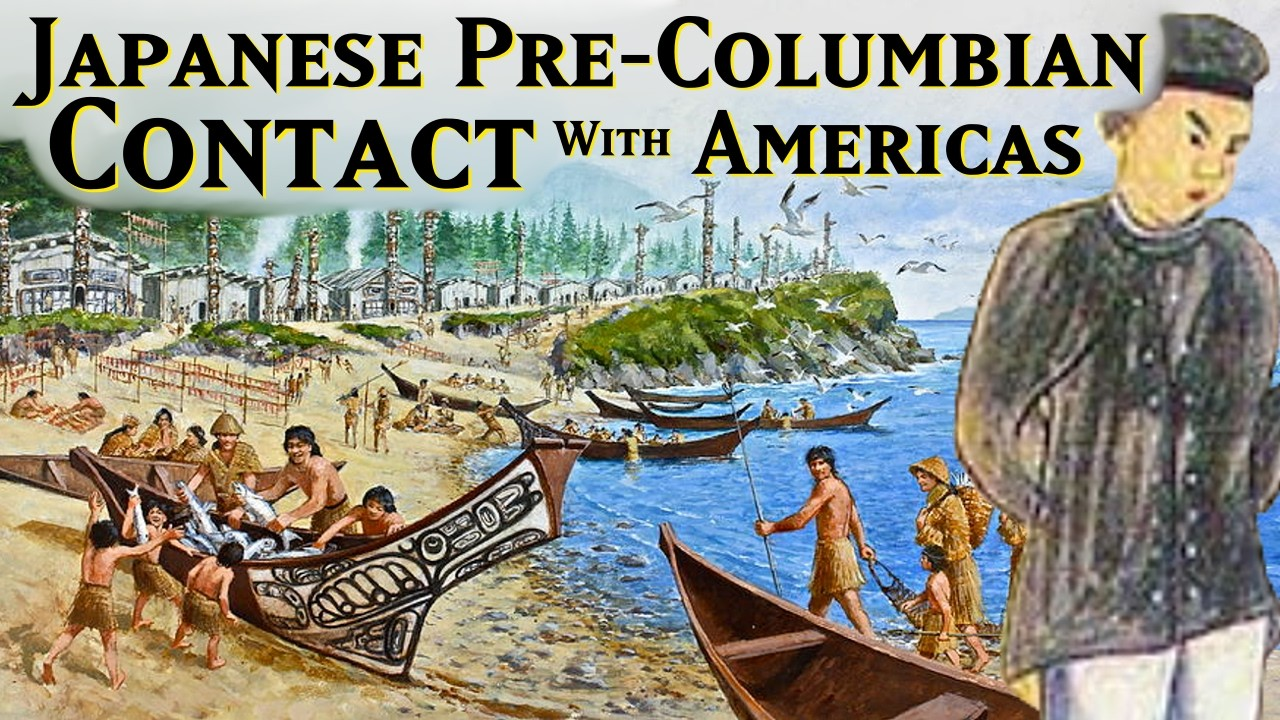
Japanese Pre-Columbian Contact With Americas: An Analysis (Prehistoric North America)

February 20, 2026

Did Japan Reach the Americas Before Columbus? The Hokkaido Connection & The Zuni Enigma

Could ancient Japanese sailors have crossed the Pacific long before Columbus ever sailed west?

It’s a bold idea — one that sits at the intersection of archaeology, ocean currents, oral tradition, and controversial theory. In this episode, we explore the major hypotheses surrounding possible pre-Columbian contact between the peoples of Japan — including Hokkaido — and Indigenous societies of North, Central, and South America.

But we also separate fascination from fact.

The Hokkaido Connection

One of the most discussed clues comes from stone tools.

Researchers have observed similarities between projectile points from the Western Stemmed Tradition in western North America and points discovered in Hokkaido. Both date to roughly the same late Ice Age time frame.

This parallel has been called the “Hokkaido Connection.”

Does that mean contact occurred?

Most archaeologists urge caution. Similar environmental conditions can lead to similar technological solutions. Independent innovation — known as convergent development — is common in human history. Resemblance alone is not proof of interaction.

Jōmon Pottery & Ecuador

Another intriguing comparison involves pottery.

The Jōmon culture produced some of the world’s earliest ceramics, known for their cord-marked decoration. Meanwhile, early pottery from the Valdivia culture in Ecuador has been argued by some researchers to resemble Jōmon forms.

Could this indicate trans-Pacific contact?

The prevailing scholarly view is that the similarities are best explained as parallel invention. Pottery was developed independently in multiple regions worldwide. Without genetic, linguistic, or additional material evidence, resemblance alone cannot confirm cultural diffusion.

The Power of the Kuroshio Current

Then there’s the ocean itself.

The Kuroshio Current, sometimes called the Pacific’s Gulf Stream, flows northward along Japan’s coast before turning east across the open Pacific.

It is powerful — and historically capable of carrying debris, wreckage, and even disabled vessels thousands of miles.

This makes accidental drift voyages physically plausible.

But plausible does not mean proven.

Oral Traditions of the Pacific Northwest

Indigenous oral histories from groups like the Coast Salish, the Makah, and the Tlingit describe encounters with strange people arriving from the sea, sometimes bearing unfamiliar metals such as iron.

Anthropologists emphasize that oral traditions are invaluable historical knowledge systems — but they cannot automatically be read as literal documentation of specific medieval trans-Pacific voyages.

They may preserve memories of encounters.

They are not direct archaeological proof.

Japanese Shipbuilding & Drift Voyages

Historically, Japanese vessels were primarily coastal craft. They were well suited for fishing and regional trade but lacked deep keels, relied on square sails, and were vulnerable to major storms.

When storms struck, control could be lost.

Japan recorded numerous vessels lost at sea in the post-Columbian era — some of which drifted astonishing distances across the Pacific.

The 1834 Castaways

One documented case occurred in 1834 when three Japanese sailors — Iwakichi (29), Kyukichi (16), and Otokichi (15) — lost control of their vessel during a storm.

They drifted across the Pacific for months before wrecking on the coast of Washington State, in territory controlled by the Makah people.

This case proves something important:

Drift voyages from Japan to North America are physically possible.

But this occurred in the 19th century — not the medieval or prehistoric periods.

The Zuni Enigma

Anthropologist Nancy Yaw Davis proposed that the Zuni Pueblo may have been influenced by Japanese Buddhist monks who crossed the Pacific in the 13th century.

This idea, sometimes called the “Zuni Enigma,” draws on perceived similarities in ritual, language, and symbolism.

However, the hypothesis remains speculative and controversial.

Mainstream archaeology and genetics have not confirmed such contact.

So… Did It Happen?

The current scholarly consensus is clear:

  • There is no definitive evidence of sustained pre-Columbian contact between Japan and the Americas.

  • The Jōmon–Valdivia similarities are most likely parallel invention.

  • The Zuni–Japanese theory remains unproven.

  • Pacific Northwest oral traditions are culturally significant but not direct proof of Japanese arrival.

The Pacific is vast.

Ocean currents make drift voyages possible.

But history requires evidence — not just possibility.

The line between “could have happened” and “did happen” matters.

🎥 Watch the full episode below to explore the evidence, the ocean currents, the castaways, and the controversial theories surrounding possible pre-Columbian contact between Japan and the Americas — and decide for yourself where possibility ends and proof begins.

← Newer Posts Older Posts →
Featured
image_2026-03-12_232439795.png
Mar 13, 2026
The Mysterious Architects of Ancient Palaces
Mar 13, 2026
Read More →
Mar 13, 2026
image_2026-03-12_232356896.png
Mar 13, 2026
Divine Kingship: When Rulers Were Seen as Gods
Mar 13, 2026
Read More →
Mar 13, 2026
image_2026-03-12_232211099.png
Mar 13, 2026
The Forgotten Sea Peoples: Raiders of the Ancient World
Mar 13, 2026
Read More →
Mar 13, 2026
image_2026-03-12_232026356.png
Mar 13, 2026
The Origins of Sacred Geometry
Mar 13, 2026
Read More →
Mar 13, 2026
image_2026-03-12_231941982.png
Mar 13, 2026
Buried Temples Beneath Modern Cities
Mar 13, 2026
Read More →
Mar 13, 2026
image_2026-03-12_231845648.png
Mar 13, 2026
The Secret Languages of the Ancient Priesthoods
Mar 13, 2026
Read More →
Mar 13, 2026
read more

Powered by The archaeologist