
• MAIN PAGE
  • LATEST NEWS
    • Lost Cities
    • Archaeology's Greatest Finds
    • Underwater Discoveries
    • Greatest Inventions
    • Studies
    • Blog
  • PHILOSOPHY
  • HISTORY
  • RELIGIONS
    • Africa
    • Anatolia
    • Arabian Peninsula
    • Balkan Region
    • China - East Asia
    • Europe
    • Eurasian Steppe
    • Levant
    • Mesopotamia
    • Oceania - SE Asia
    • Pre-Columbian Civilizations of America
    • Iranian Plateau - Central Asia
    • Indus Valley - South Asia
    • Japan
    • The Archaeologist Editor Group
    • Scientific Studies
    • Aegean Prehistory
    • Historical Period
    • Byzantine Middle Ages
    • Predynastic Period
    • Dynastic Period
    • Greco-Roman Egypt
  • Rome
  • PALEONTOLOGY
  • About us
Menu

The Archaeologist

  • MAIN PAGE
  • LATEST NEWS
  • DISCOVERIES
    • Lost Cities
    • Archaeology's Greatest Finds
    • Underwater Discoveries
    • Greatest Inventions
    • Studies
    • Blog
  • PHILOSOPHY
  • HISTORY
  • RELIGIONS
  • World Civilizations
    • Africa
    • Anatolia
    • Arabian Peninsula
    • Balkan Region
    • China - East Asia
    • Europe
    • Eurasian Steppe
    • Levant
    • Mesopotamia
    • Oceania - SE Asia
    • Pre-Columbian Civilizations of America
    • Iranian Plateau - Central Asia
    • Indus Valley - South Asia
    • Japan
    • The Archaeologist Editor Group
    • Scientific Studies
  • GREECE
    • Aegean Prehistory
    • Historical Period
    • Byzantine Middle Ages
  • Egypt
    • Predynastic Period
    • Dynastic Period
    • Greco-Roman Egypt
  • Rome
  • PALEONTOLOGY
  • About us

Eatery recreates ancient Roman pizza – without tomatoes or mozzarella

February 21, 2026

A pizzeria in Budapest is offering diners a taste of history by recreating what a Roman-era “pizza” might have looked like — long before tomatoes, mozzarella, or even the term itself existed in Europe.

At Neverland Pizzeria, founder Josep Zara and his team developed a limited-edition flatbread using only ingredients known in ancient Rome. The idea began with a simple question: what would something like pizza have tasted like two thousand years ago?

While Romans didn’t eat pizza in the modern sense — tomatoes arrived from the Americas centuries later, and mozzarella only appeared much later in Italy — they did consume baked flatbreads topped with herbs, cheeses, and sauces. These were commonly sold in Roman snack bars known as thermopolia and are considered early ancestors of pizza.

Zara’s inspiration grew after a 2023 discovery in Pompeii, where archaeologists uncovered a fresco showing a focaccia-like flatbread topped with what appeared to be pomegranate seeds, dates, spices, and a pesto-style spread. Curious about its flavor, Zara began researching Roman culinary traditions, consulting a historian and studying the ancient cookbook De re coquinaria, believed to date to around the 5th century.

After compiling a historically accurate ingredient list, he handed it to head chef László Bárdossy. The restrictions led to months of experimentation. Since modern pizza dough is mostly water — and Roman infrastructure lacked running water systems — the team had to rethink the process. Their solution was to use fermented spinach juice to help the dough rise. They also relied on ancient grains like einkorn and spelt, producing a denser base than typical modern pizza.

The finished creation includes toppings associated with Roman elite cuisine: epityrum (olive paste), garum (a fermented fish sauce common in Roman cooking), confit duck leg, toasted pine nuts, ricotta, and a grape reduction. Bárdossy described it as a modern interpretation designed to be approachable, though he acknowledged it appeals mainly to curious diners rather than everyday pizza lovers.

For Zara, the project reflects the restaurant’s balance between creativity and respect for tradition. They enjoy pushing boundaries — just not too far. One modern topping, he insists, will never appear on their menu: pineapple.
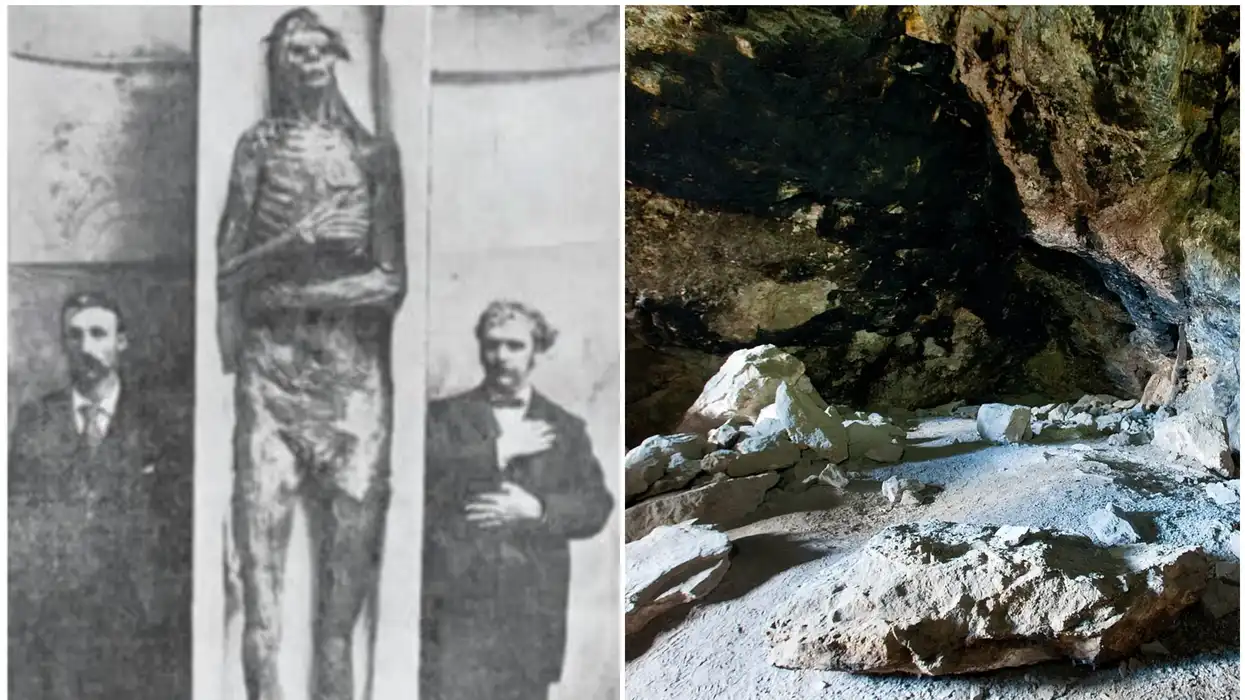
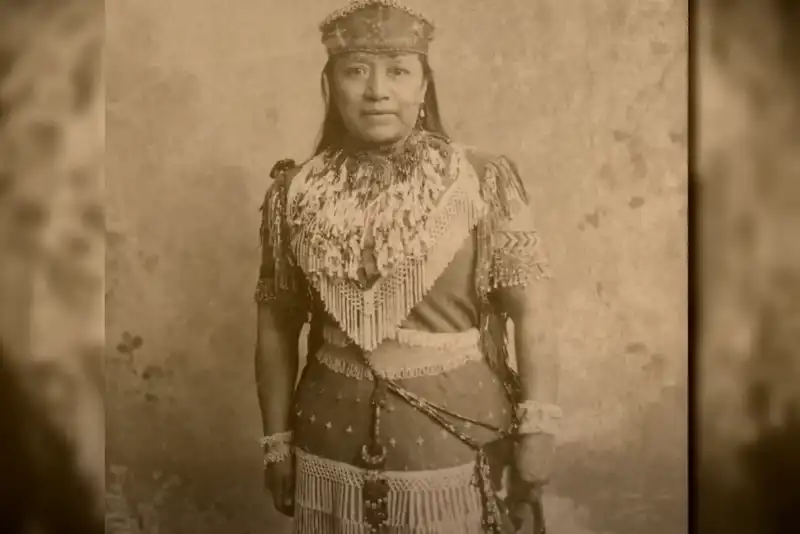
The so-called Lovelock Giants were unearthed in a cave in Nevada

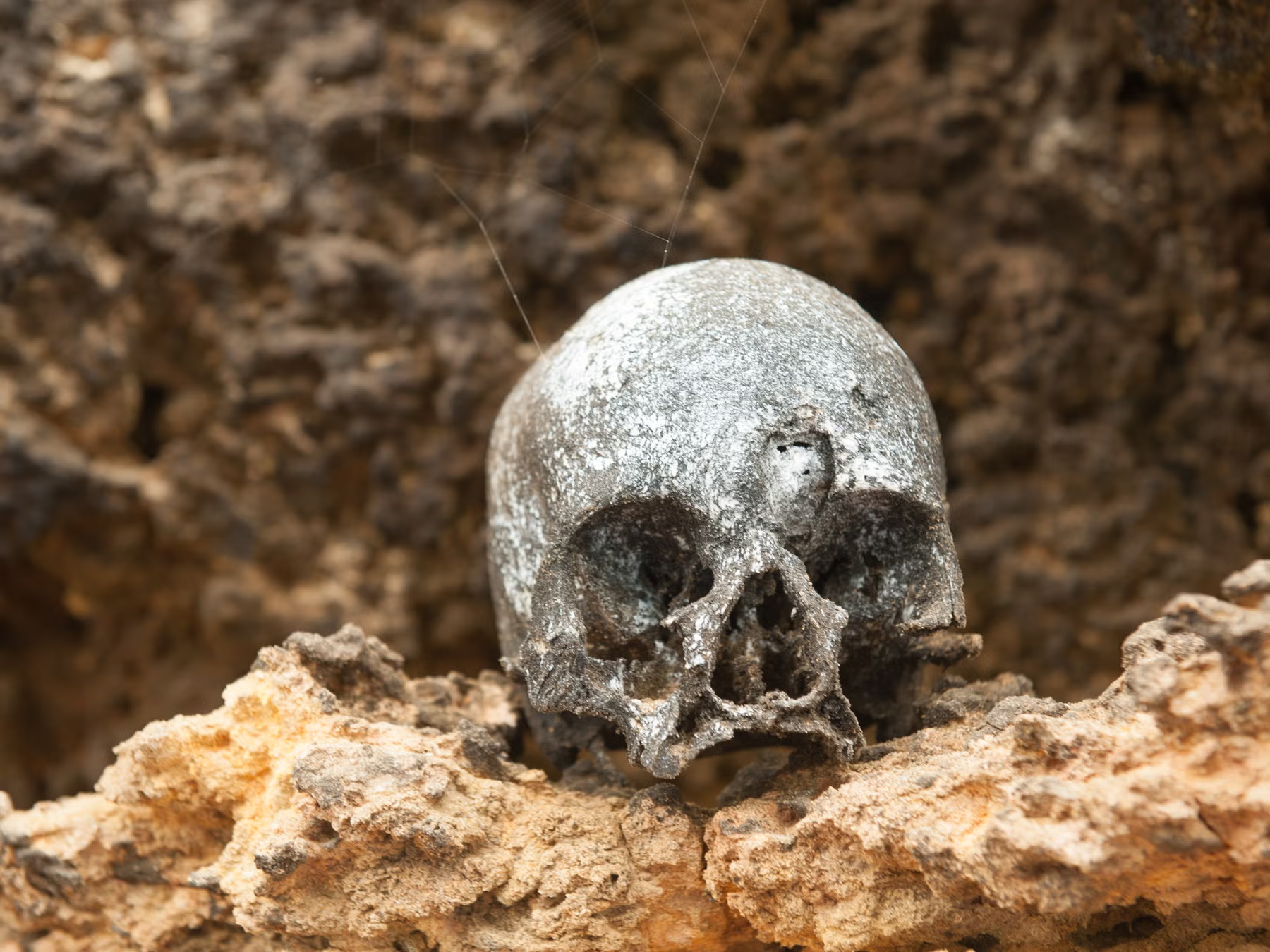
Archaeologists discover remains of '10-foot-tall people' in cave

February 21, 2026

There is no verified scientific evidence that a race of 8–10-foot-tall red-haired giants once lived in Nevada or anywhere else in the Americas. The Lovelock “giants” story is a mix of Paiute oral tradition, early 20th-century newspaper exaggeration, and later sensational retellings.

Now let’s unpack what actually happened.

In 1911, miners digging for guano in a cave near Lovelock uncovered artifacts and human remains. This site, now known as Lovelock Cave, was later excavated formally in 1912 and 1924. Thousands of artifacts were recovered — tools, sandals, duck decoys, textiles — and they are considered important finds in Great Basin archaeology.

The Paiute oral tradition speaks of red-haired beings called the Si-Te-Cah, described as enemies who arrived on reed rafts and were eventually defeated. That legend is real and culturally significant.

What about the giant skeletons?

Here’s where it gets murky:

  • No 8–10-foot skeletons from Lovelock Cave exist in museum collections.

  • No peer-reviewed archaeological reports confirm such heights.

  • Early newspaper articles (like one from the Nevada Review-Miner in 1931) made dramatic claims, but those reports were never substantiated scientifically.

  • Human hair can turn reddish after death due to chemical changes — which may explain the “red hair” description.

As for Pedro Cieza de León — yes, he recorded Indigenous legends in 16th-century Peru about giants arriving by sea. But explorers frequently documented local myths without verifying them as biological fact.

Archaeologically speaking, the human remains from Lovelock Cave that have been studied fall within normal human height ranges for the time. There’s no credible evidence of a separate race of giants dominating southwestern America.

That doesn’t make the story boring, though. It’s actually more interesting.

What we’re looking at is:

  • Indigenous myth preserved over generations

  • Early sensational journalism

  • A real archaeological site with real cultural importance

  • And modern internet amplification

Mythology across cultures — including Biblical Nephilim stories — often features giants. That tells us something powerful about human storytelling and symbolism. But symbolism isn’t the same as skeletal proof.

If you want, we can dive into:

  • The Paiute version of the Si-Te-Cah story

  • How giant myths appear across cultures

  • Or how early 1900s archaeology sometimes fueled sensational claims

The Paiute people were said to have fought back after years of being terrorised and cannibalised by the Si-Te-Cah

Alright — let’s slow this down a little, because this is where myth and archaeology get tangled together again.

Yes, elongated skulls have been found in the Andes, particularly around the Lake Titicaca region between Peru and Bolivia. Many of these remains date back thousands of years.

But here’s the key thing:
Those skull shapes are the result of intentional cranial modification, not a separate species or a race of giants.

Ancient Andean cultures — like the Paracas and others — practiced head binding, where a child’s skull was gently shaped over time using boards or cloth. The skull bones of infants are soft and can be molded. This was a social or cultural marker — often tied to status, identity, or beauty — not biology.

Now about the size claims.
There’s no verified scientific evidence that these skeletons were dramatically larger than normal humans. And as for the red hair? That part actually has a very mundane explanation: human hair can turn reddish after burial because dark pigments break down over time. It’s a chemical change, not proof of ancestry.

The Si-Te-Cah legend from the Paiute is powerful and meaningful — but it’s oral tradition, not forensic documentation. Many cultures tell stories of giant enemies or ancient powerful beings. These stories often symbolize conflict with rival groups, outsiders, or earlier populations. Over generations, those enemies become “giants” in memory — bigger, stronger, more monstrous.

And the ending of the story — where tribes unite to defeat them — fits a classic mythic structure. It’s about survival, unity, and identity.

Here’s the grounded takeaway:

  • Elongated skulls = cultural practice

  • Red hair = post-burial chemical change

  • Giant skeleton claims = not supported by verified museum evidence

  • Si-Te-Cah = important mythology, not proven biological population

It’s totally understandable why these stories feel compelling. Giants appear in the Bible, in Greek myths, in Norse legends, in Mesoamerican stories — everywhere. Humans have always told stories about beings larger than life.

But so far? No credible archaeological evidence supports the existence of a 8–10 foot red-haired race in the Americas.

Archaeology Students Dug Up a Mass Viking Grave—With a Literal Giant Inside

February 21, 2026

Here’s what you’ll discover in this story:

Archaeology students from the University of Cambridge were taking part in a training excavation when they uncovered a mass grave just three miles from the city. The burial dates to the ninth century C.E., during the period when Vikings controlled the region, and contained the remains of at least ten young men. Among them was one individual whose extraordinary height would have made him a “giant” by early medieval standards.

What began as an unremarkable field exercise quickly became a major find. Initially, the most notable object unearthed was a discarded 1960s Smarties lid. But everything changed when the team revealed a burial pit at Wandlebury. The number of skulls recovered confirmed that at least ten individuals had been interred there.

The most striking discovery was a man estimated to have stood around 6 feet 5 inches tall — dramatically taller than the average person of the ninth century. Even more intriguing, his skull showed evidence of a surgically drilled hole, suggesting he may have undergone a procedure such as trepanation.

Student archaeologist Olivia Courtney described the experience as both powerful and humbling, reflecting on how the individuals buried there were close in age to the excavation team, yet separated from them by more than a thousand years of history.

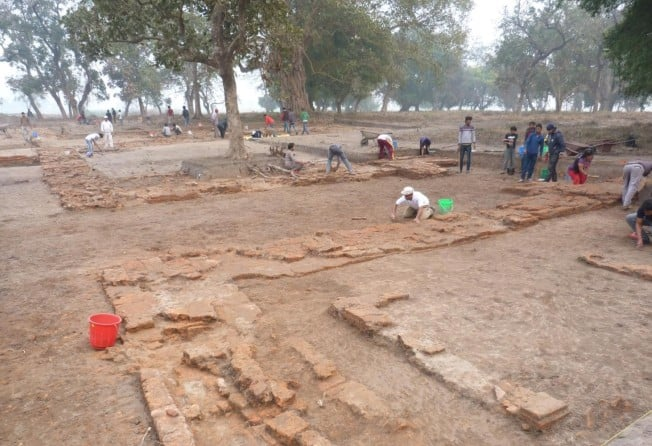
Archaeologists at work in Tilaurakot, Lumbini, Nepal. Photo

Unearthed temple in Nepal sheds new light on Buddha’s early life

February 21, 2026

Lumbini has long been a central destination on the Buddhist pilgrimage route as the birthplace of the Buddha. Not far away lie the fortified remains of Tilaurakot, widely believed to be the ancient capital where Siddhartha Gautama spent his early life as a prince. Despite its deep historical importance, the site attracts far fewer visitors than Lumbini.

Now, archaeologists say a recently discovered temple at Tilaurakot may shift that balance. The find provides new evidence that the site once held much greater religious importance for Buddhist communities than its relatively quiet state today would suggest, potentially reshaping how scholars and pilgrims view its role in early Buddhist history.

Budapest pizzeria offers time-travel twist with ancient Rome-inspired pie

February 21, 2026

In Budapest — a city more famous for goulash than flatbread — Neverland Pizzeria is taking diners on a culinary trip back 2,000 years. Founder Josep Zara and his team have introduced a limited-edition pizza made exclusively with ingredients that would have been available in ancient Rome — long before tomatoes, mozzarella, or even the word “pizza” existed in Europe.

Zara said the idea came from a simple question: what might something like pizza have tasted like during the Roman Empire? While Romans didn’t eat pizza as we know it today — since tomatoes arrived from the Americas centuries later and mozzarella only emerged much later in Italy — they did consume oven-baked flatbreads topped with herbs, cheese, and sauces. These were often sold in Roman snack bars known as thermopolia and are considered ancestors of modern pizza.

The inspiration deepened in 2023 when archaeologists uncovered a fresco in Pompeii showing a focaccia-like flatbread topped with ingredients resembling pomegranate seeds, dates, spices, and a pesto-style spread. The discovery sparked Zara’s curiosity about how such flavors might have tasted.

To develop the recipe, he researched Roman culinary traditions, consulting a historian and studying the ancient cookbook De re coquinaria, believed to date to around the 5th century. From there, he compiled a list of historically accurate ingredients, deliberately excluding anything that originated in the Americas.

Head chef László Bárdossy explained that recreating a Roman-style dough proved challenging. Since modern pizza dough is largely water and ancient infrastructure lacked running water systems, the team experimented extensively before settling on fermented spinach juice to help the dough rise. They used ancient grains such as einkorn and spelt, resulting in a denser texture than typical contemporary pizzas.

The finished creation features toppings associated with Roman aristocratic cuisine: epityrum (olive paste), garum (a fermented fish sauce common in Roman cooking), confit duck leg, toasted pine nuts, ricotta, and a grape reduction. Bárdossy described it as a modern interpretation designed to be accessible, though he acknowledged it appeals mainly to adventurous diners rather than everyday pizza lovers.

For Zara, the project reflects the restaurant’s balance between innovation and tradition. They enjoy experimenting — but with one modern limit firmly in place: no pineapple.

The discovery was made in El Cano, in the Nata district, about 200 kilometers southwest of Panama City

Tomb more than 1,000 years old found in Panama

February 21, 2026

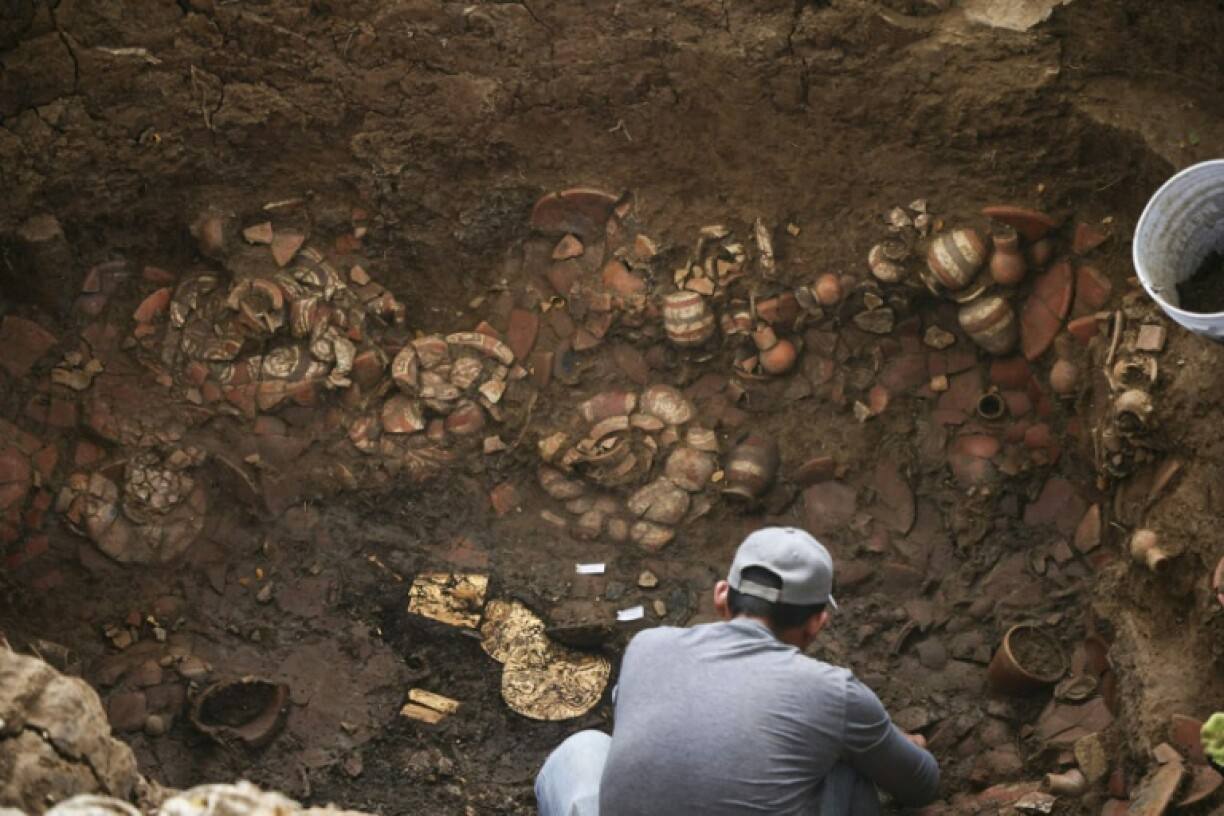
Archaeologists in Panama have uncovered a tomb dating back over a thousand years, containing human remains buried alongside gold ornaments and ceramic artifacts, the project’s lead researcher told AFP.

The tomb was found at the El Caño Archaeological Site in the Natá district, roughly 200 kilometers southwest of Panama City. The site has been under excavation for about two decades, during which researchers have revealed numerous remains linked to pre-Hispanic cultures of the region.

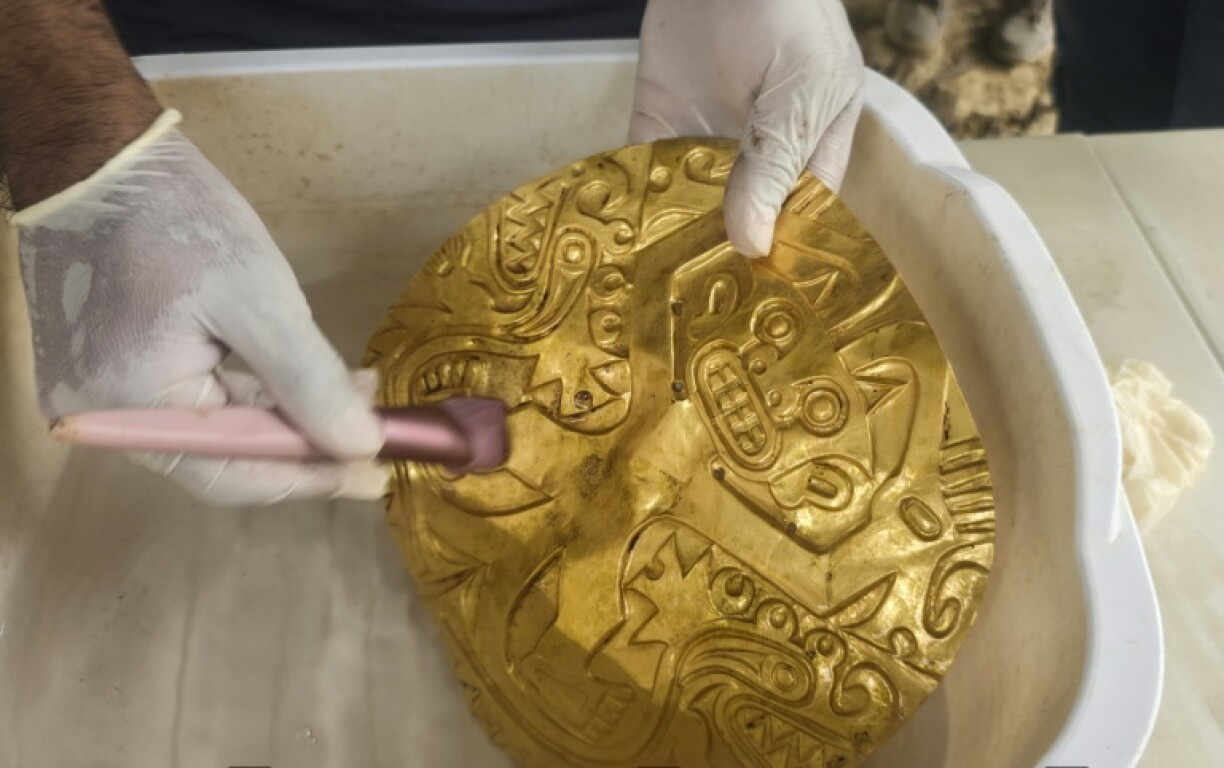
According to archaeologist Julia Mayo, the tomb dates between 800 and 1000 AD. The skeletal remains were discovered surrounded by gold artifacts and pottery decorated with traditional motifs, indicating the individuals buried there likely held high social status.

One individual, believed to have been the most prominent in the group, was adorned with two bracelets, two earrings, and pectoral jewelry featuring bat and crocodile designs—symbols that may have carried spiritual or political significance.

The El Caño Archaeological Site is associated with the societies that inhabited Panama’s central provinces between the 8th and 11th centuries, offering valuable insight into their social hierarchy, craftsmanship, and ceremonial practices.

The skeletal remains were found surrounded by gold objects and pottery decorated with traditional motifs, pointing to these being

“This was their burial ground for roughly two centuries,” Mayo explained, noting that nine other tombs of a similar type had previously been uncovered at the site.

Ministry of Culture of Panama described the find as highly significant for Panamanian archaeology and for understanding pre-Hispanic societies of the Central American isthmus—the land bridge linking North and South America.

Experts say the discoveries suggest that, for these communities, death was not viewed as an absolute end but rather a passage into another stage of existence. The presence of rich grave goods indicates that social rank and identity likely continued to hold meaning even in the afterlife.

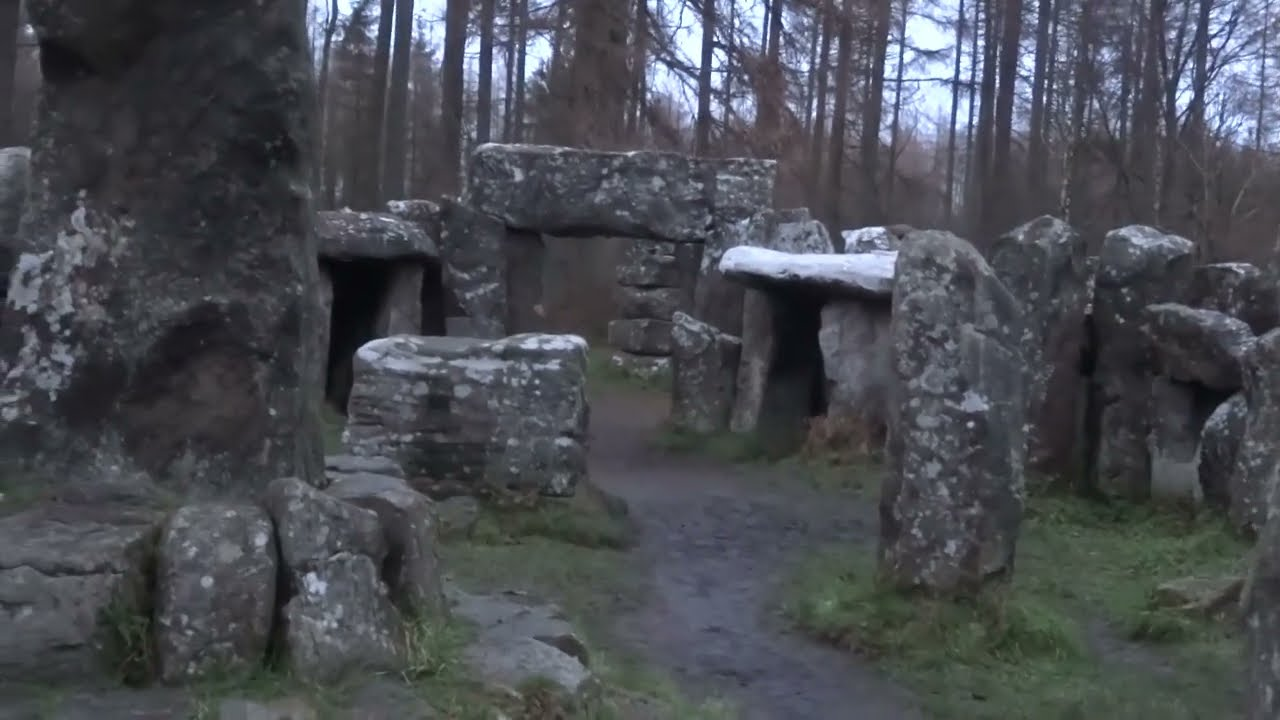
Druids Temple WTF Is Going On Here!!

February 20, 2026

The Druids’ Temple in North Yorkshire: A 19th-Century Wonder

Never in my life have I seen anything like this. Julie and I were overwhelmed and mesmerized by the sheer scale of the construction. Built from the late 17th to early 1800s, all by hand with just hammers, chisels, shovels, forks, and horse-drawn carts—it’s hard to believe! The traditional narrative struggles to explain it, and in my opinion, the timeline and tools barely add up.

Early on, you’ll notice tree-ring patterns in the stone layers—an amazing detail that shows how nature and craftsmanship intersect here.

A Folly, Not a Temple

The Druids’ Temple isn’t an ancient structure. It’s a 19th-century folly created by William Danby, a wealthy landowner, around 1820. Danby built it in the style of prehistoric stone circles to provide employment during a time of high unemployment and agricultural depression. Workers were paid a shilling a day—or 5p in today’s money—to quarry, transport, and assemble massive stones, some over 10 feet high.

Despite its relatively recent origins, the temple looks ancient and evokes the feel of a magical religious site. Local legends claim it’s haunted and that the Devil was worshipped here, adding to the site’s mystique.

Construction and Features

The stone circle is enormous, made up of:

  • Stacked stones, cairns, and obelisks

  • Altars, menhirs, dolmens, and sarsens

  • A dolmen chamber at one end, acting as a tomb

The design mimics prehistoric sites like Stonehenge and Avebury, making it easy to mistake for a millennia-old monument. Beyond the main circle, the surrounding woodland contains additional stone formations, creating a sprawling architectural marvel.

Purpose and Legacy

While it looks like a site for ancient Druidic rituals, it was purely a 19th-century project. Danby’s aim was to relieve unemployment and provide work for locals during hard times. The folly is still owned by the Swinton Estate, preserving a fascinating piece of history that bridges social welfare, eccentricity, and monumental construction.

🎥 Watch the full video below to explore the Druids’ Temple and uncover its hidden history:

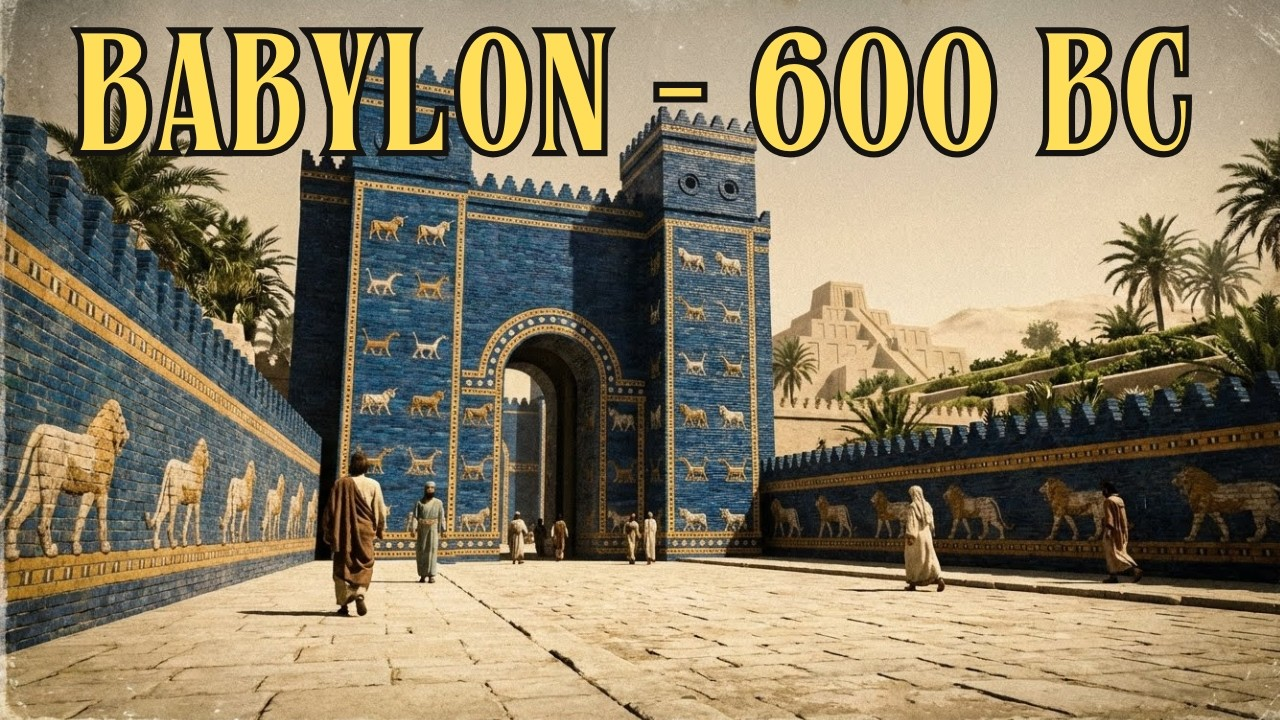
Babylon in 600 BC — Inside the World’s Greatest Ancient City (AI Reconstruction)

February 20, 2026

Step into Babylon: The Greatest City of the Ancient World

Travel back to 600 BC, when Babylon stood as the jewel of the Neo-Babylonian Empire under Nebuchadnezzar II. This AI reconstruction brings the city to life like never before, revealing both its monumental architecture and the rhythms of everyday life.

Marvel at the Hanging Gardens, one of the ancient wonders of the world, lush with greenery and flowing water. Walk beneath the Ishtar Gate, adorned with vibrant glazed bricks and depictions of sacred animals, and imagine the crowds passing through on festival days. Witness the legendary Tower of Babel (Etemenanki) rising high into the Mesopotamian sky, a testament to human ambition and engineering.

Beyond the monuments, explore the daily lives of Babylonians—from bustling marketplaces to quiet homes—immersing yourself in a civilization that shaped law, science, and culture for millennia. This cinematic journey combines historical evidence with cutting-edge AI visualization to transport you straight into the heart of ancient Mesopotamia.

🎥 Watch the full episode below to experience Babylon at its height:

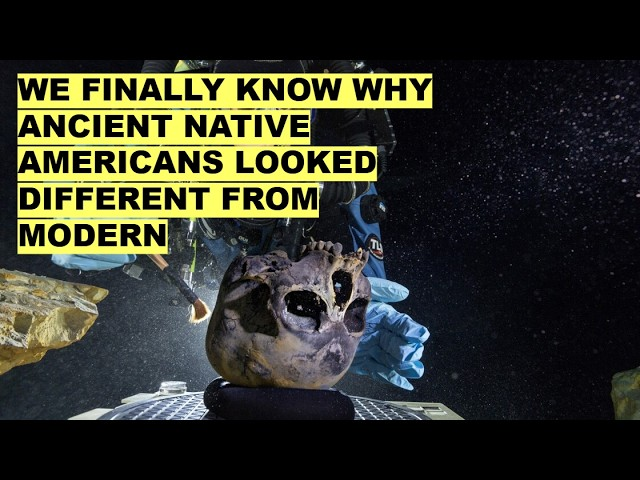
Analysis of Naia- Most Complete Paleoamerican Skeleton-Solves an Evolutionary Mystery

February 20, 2026

Naia: The Teenager Who Revolutionized Our Understanding of the First Americans

Deep beneath the jungle floor of the Yucatán Peninsula lies Hoyo Negro, or the Black Hole—a submerged vault holding secrets from the end of the last Ice Age. In 2007, cave divers discovered a near-perfectly preserved skeleton of a teenage girl, later named Naia.

Naia lived in a world of giant sloths, saber-toothed cats, and untamed wilderness. Her tragic fall into a deep, underwater pit preserved her remains for thousands of years, creating a time capsule that would challenge everything scientists thought they knew about the first Americans.

For decades, researchers were puzzled by the "Ancient American Mystery": early skeletons looked different from modern Native Americans. Were there lost populations that disappeared before contemporary tribes arrived?

In this episode, you’ll discover:

  • The harrowing details of Naia’s final moments.

  • How a “liquid lid” of fresh water protected her bones for millennia.

  • The DNA breakthrough from a single tooth that solved a continental mystery.

  • Why human faces change over time (Phenotypic Plasticity) and what it tells us about adaptation.

Naia’s story is not just about a single life—it’s a window into the origins of the first Americans and the resilience of life preserved against all odds.

🎥 Watch the full video below to explore Naia’s journey and the secrets of Hoyo Negro:

Faces from History Brought Back to Life | V2

February 20, 2026

Bringing Faces from History Back to Life

Behind every faded photograph from the past lies a story—a life once lived, full of hopes, struggles, and moments that shaped history. In this collection, historical faces—both famous and forgotten—are brought back to life with incredible clarity, letting us connect with people across time like never before.

From intimate portraits to iconic figures, each image has been carefully restored and animated, revealing the expressions, eyes, and humanity hidden beneath the surface. It’s a powerful reminder that history is made up of real people, not just dates and events.

Experience the past in a way textbooks can’t capture: feel the presence of those who came before us, and see history reflected through the faces of the people who lived it.

🎥 Watch the full video below to bring these incredible historical faces back to life:

The DARK SECRET Of Neanderthal-Homo Sapiens Interbreeding

February 20, 2026

Did Humans and Neanderthals Produce “Mules”?

Some researchers have suggested that interbreeding between Homo sapiens and Neanderthals may have been so frequent that pure Neanderthals gradually disappeared. This raises a fascinating question: Could some of these inter-species unions have produced hybrid humans—similar to how mules are born from horse-donkey pairings?

It’s well known in biology that hybrid offspring between species can sometimes produce infertile males, as in the classic example of mules. This naturally leads to speculation about whether such genetic dynamics occurred between our species and Neanderthals.

Homo sapiens is the sole surviving human species from the last Ice Age, a time when multiple hominins walked the Earth. Among them were Homo neanderthalensis—often considered a separate species—or, by some arguments, a subspecies: Homo sapiens neanderthalensis. Interbreeding between these groups left traces in modern human DNA, showing that while some genes persisted, the full Neanderthal genome did not survive intact.

This story is about more than genetics—it’s about survival, adaptation, and the complex history of our species. By studying ancient DNA and fossil evidence, scientists are slowly piecing together how these interactions shaped the humans we are today.

🎥 Watch the full episode below to explore human-Neanderthal interbreeding, hybridization theories, and what modern science tells us about our Ice Age cousins:

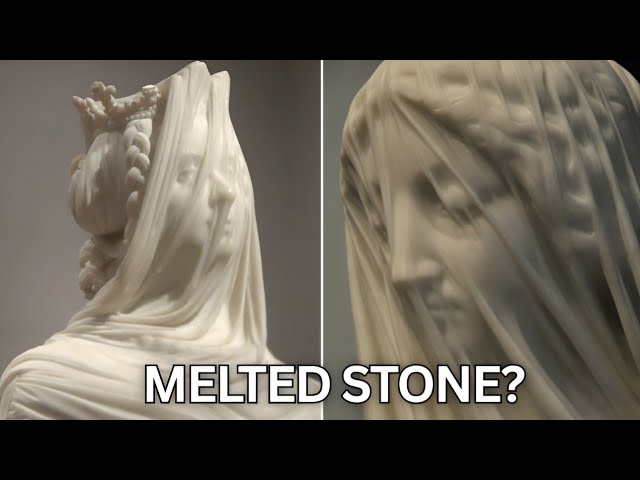
How Tartaria’s Sculptors Made Stone Look Like Fabric — A Technique We Lost

February 20, 2026

Veils in Stone: The Secrets of 18th-Century Marble Sculpting

How did sculptors in the 1700s transform solid marble into forms that look and behave like soft, flowing fabric? It’s a question that has fascinated historians, artists, and craftsmen for centuries.

While researching historic marble techniques, we came across a series of sculptures with veil-like surfaces—astonishingly thin, exquisitely detailed, and almost impossible to replicate using conventional carving methods. These masterpieces reveal a level of skill and subtlety that modern sculptors struggle to achieve.

In this documentary investigation, we dig deep into archival photographs, restoration reports, and historical records to uncover how these works were made. We explore traditional workshop practices, the limitations of materials, and the training systems that allowed sculptors to develop such extraordinary precision. Many methods were never fully written down, and some skills were passed orally from master to apprentice—only to disappear as craft traditions declined.

By comparing sculpture, architecture, and modern restoration projects, this documentary highlights not only what made these techniques possible, but also why they became so rare. It’s a careful journey through history, following the evidence, pointing out gaps in the record, and trying to answer questions that have puzzled art historians for centuries.

🎥 Watch the full episode below to uncover the secrets behind these astonishing veiled sculptures and learn why 18th-century marble techniques still captivate the world:

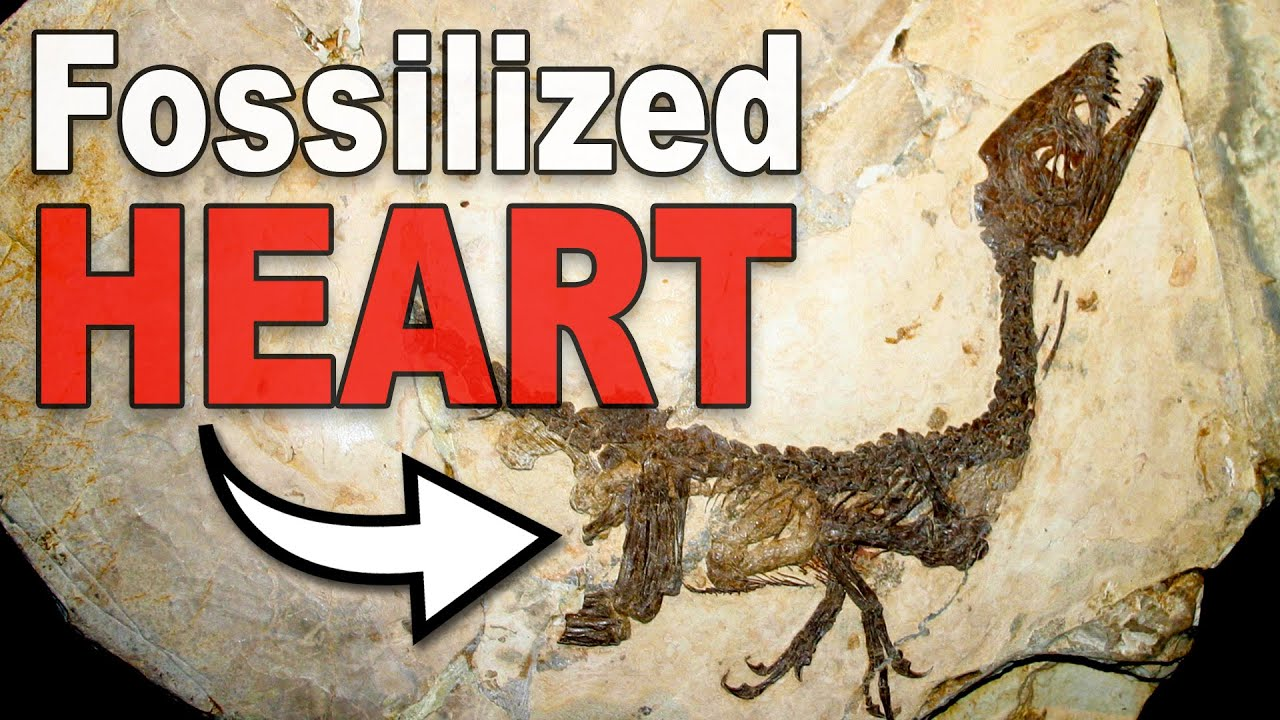
3 Dinosaur Fossils That Preserve Internal Organs

February 20, 2026

Dinosaur Secrets Preserved in Stone: Fossilized Internal Organs

The fossil record doesn’t just show us bones. Occasionally, it offers tantalizing glimpses into the biology of long-extinct animals, revealing details that science can hardly believe. Among the most extraordinary discoveries are fossils that preserve internal organs, providing an unprecedented look at how dinosaurs lived, grew, and functioned.

From delicate tissue structures to evidence of organs like lungs, hearts, and digestive systems, these fossils help paleontologists reconstruct the inner workings of creatures that roamed the Earth millions of years ago. Each specimen is a rare window into a world long vanished, challenging assumptions and deepening our understanding of prehistoric life.

In this episode, we explore three remarkable examples where fossilized internal organs have been discovered, revealing secrets hidden beneath the bones and offering clues about metabolism, physiology, and even behavior. These discoveries are reshaping how we study dinosaurs, proving that even millions of years later, their biology still has stories to tell.

🎥 Watch the full episode below to dive into these incredible fossil discoveries and see the hidden life of dinosaurs unveiled:

What Archaeologists Still Can’t Explain About Ireland’s Megaliths

February 20, 2026

Ireland’s Megalithic Marvels: Alignment, Mystery, and Ancient Ingenuity

Why were these monuments built with such extraordinary precision? Why do some align perfectly with the rising or setting sun, the distant horizon, or even specific mountains? Why do some conceal light deep underground, while others leave the dead open to the sky and sea? And if these structures were built by the same people, why do their architectural rules vary so dramatically?

In this exploration, we journey across Ireland to uncover the secrets of its most iconic megalithic sites, from passage tombs and dolmens to stone circles and cairns. Each site tells a story of ritual, astronomy, and the ingenuity of communities living thousands of years ago.

00:00 — Introduction
Set the stage for Ireland’s ancient wonders and the mysteries they hold.

00:35 — Newgrange Passage Tomb (Brú na Bóinne)
Step inside one of Europe’s oldest and most famous passage tombs, built to capture the winter solstice sunrise with breathtaking accuracy.

08:12 — Poulnabrone Dolmen (The Burren)
Explore the stark beauty of this iconic portal tomb, standing as a sentinel over the limestone landscape of The Burren.

14:23 — Knowth Passage Tomb (Brú na Bóinne)
Discover intricate carvings and solar alignments that hint at an advanced understanding of time and ritual.

20:36 — Carrowmore Megalithic Cemetery
Visit one of the largest collections of tombs in Ireland, a sprawling necropolis reflecting complex social and spiritual life.

26:33 — Drombeg Stone Circle
Examine a stone circle perfectly oriented to the winter solstice, illustrating the builders’ connection to the cycles of the sun.

31:18 — Loughcrew Cairns (Carnbane East / Hag’s Cairn)
Witness cairns built atop hills, where light penetrates chambers in dramatic displays during solstices and equinoxes.

36:23 — Knocknarea Cairn (Queen Maeve’s Cairn)
Stand before a monumental cairn overlooking Sligo, steeped in legend and mystery, linking landscape, legend, and ritual.

These megalithic sites reveal a deep understanding of astronomy, landscape, and ritualistic architecture. They are monuments not just to the dead, but to human curiosity, observation, and craftsmanship across millennia.

🎥 Watch the full episode below to explore Ireland’s most incredible megalithic sites and their hidden alignments:

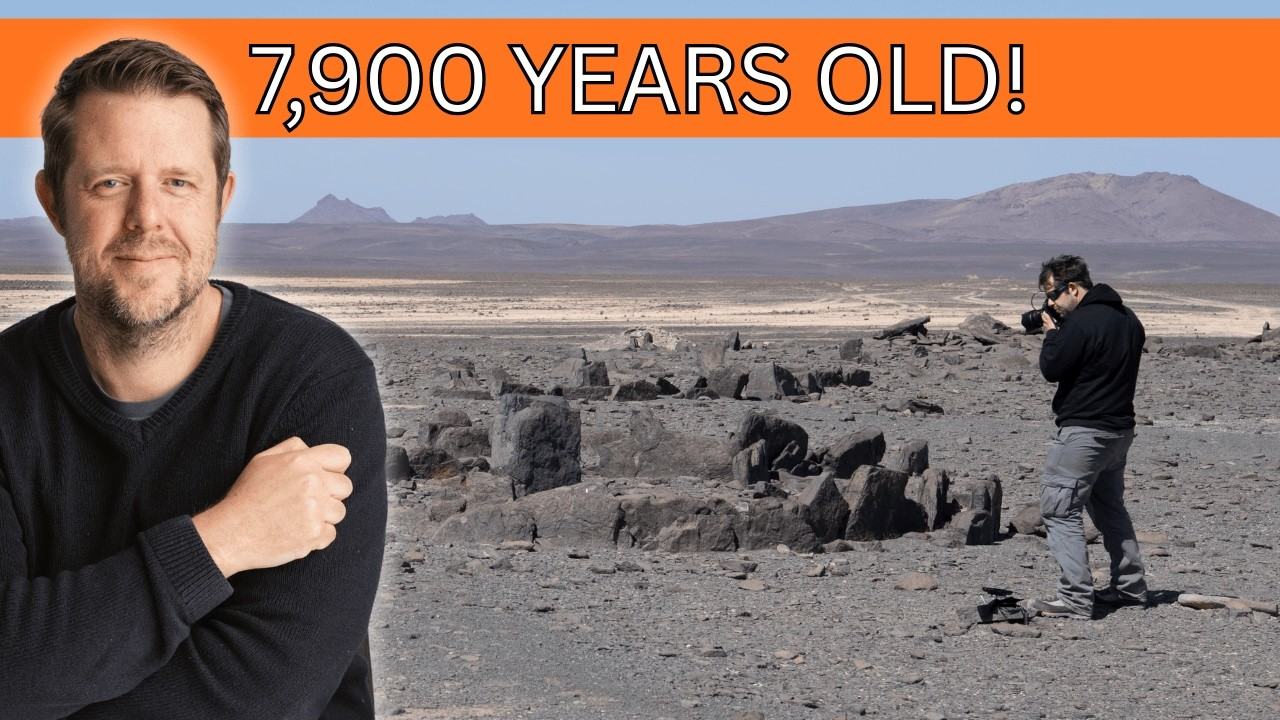
What Is This? 7,900-Year-Old Structures Found in Saudi

February 20, 2026

Standing Stone Circles: Unearthing Saudi Arabia’s Ancient Secrets

In 2018, on my very first day in the field in Saudi Arabia, we stumbled upon something extraordinary—a new archaeological structure, unlike anything documented before. To the best of our knowledge, no archaeologist had studied it, and we had more questions than answers.

What was this structure? How old could it be? And, perhaps most importantly, what should we even call it? At the time, we had no clear answers.

Over the next six years, from 2018 to 2024, our team conducted extensive surveys across the AlUla region, mapping dozens of these enigmatic sites. Excavations revealed fascinating details: stone arrangements carefully positioned on the landscape, signs of deliberate construction, and hints that these structures were not just functional, but ceremonial.

After careful analysis, we gave them a name: Standing Stone Circles. Radiocarbon dating and contextual evidence suggest they were built between 8,000 and 6,000 years ago, placing them in a remarkable chapter of human prehistory. These circles offer a glimpse into the social and ritual practices of early communities in the Arabian Peninsula—people who left no written records but who shaped the land in ways that still resonate today.

From their placement in the desert to their alignment and construction, the Standing Stone Circles invite us to reconsider our understanding of early human ingenuity, community, and ritual life in Arabia.

🎥 Watch the full episode below to explore the discovery of the Standing Stone Circles and the fascinating stories they tell about ancient life in AlUla:

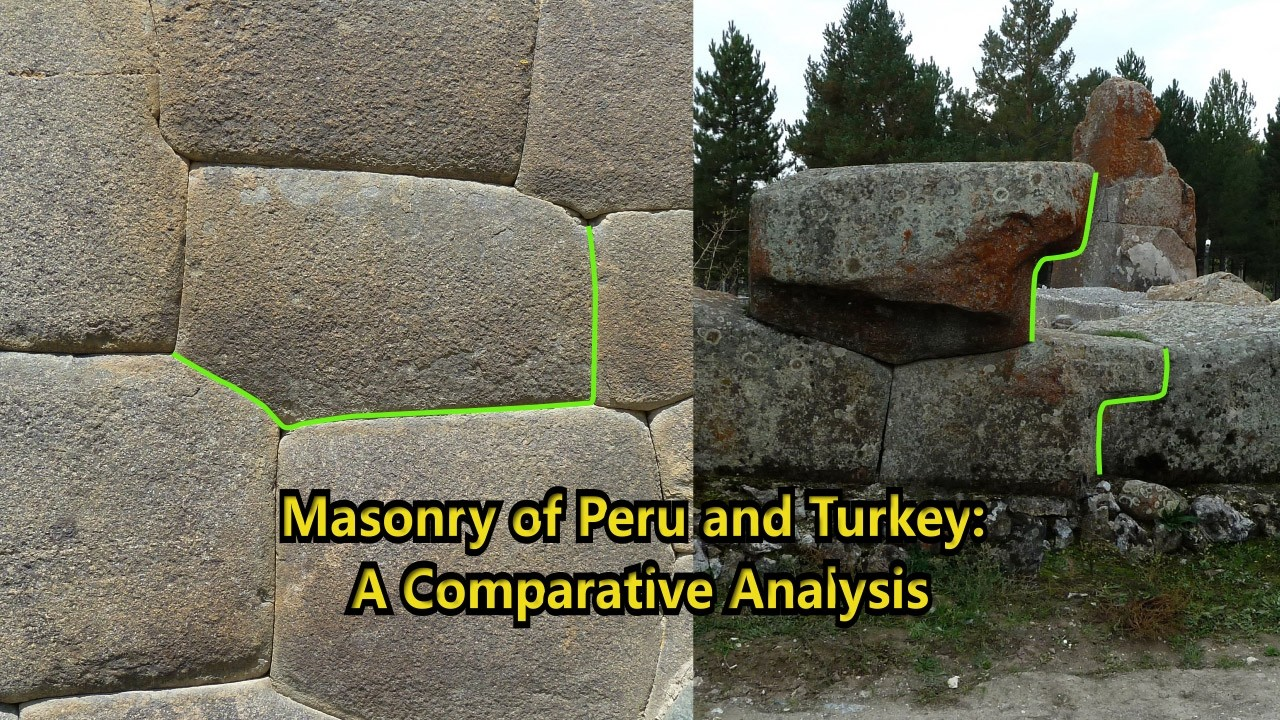
Precisely Fitted Masonry in Peru and Turkey: A Comparative Analysis

February 20, 2026

Ancient Masonry Across Continents: Peru and Turkey

What connects the stone walls of Peru with the megalithic structures of Turkey? At first glance, thousands of miles and centuries apart, they seem worlds apart. But a detailed study comparing masonry traditions reveals surprising parallels that hint at common technological principles in ancient construction.

Researchers examined construction methods, surface treatments, and tool marks on stones from both regions. By analyzing the types of stone, how blocks were shaped and fitted, and the marks left by ancient tools, they uncovered patterns that transcend geography. These methods show not just skill, but sophisticated understanding of materials, weight distribution, and structural stability.

The cross-regional analysis allows us to see that, despite cultural differences, ancient builders often relied on similar problem-solving strategies. Techniques for smoothing surfaces, joining massive stones without mortar, and handling heavy blocks suggest a shared ingenuity that continues to inspire architects and engineers today.

This research is more than just a technical study—it’s a window into the minds of the builders, showing us that innovation, experimentation, and craftsmanship were universal human traits. Whether in the Andes or the Anatolian highlands, the principles behind megalithic construction tell a story of human ingenuity and enduring legacy.

🎥 Watch the full episode below to see the incredible stonework of Peru and Turkey, and learn how ancient civilizations mastered the art of building with massive stones:

Sumerian Records Reveal 6 Lost Civilizations Before Ours — The 7th Is Us

February 20, 2026

Sumerian Lists, Ancient Numbers, and the Mysteries “Before the Flood”

The Sumerians didn’t record history in the way we think of it today. They didn’t tell stories, write chronicles, or compose biographies. Instead, they wrote lists—carefully ordered sequences of names, reign lengths, and dynastic eras. Sometimes, these lists include numbers so vast they almost defy belief.

One of the most intriguing aspects of these records is the repeated mention of events “before the flood.” To modern eyes, it reads like a warning label stamped on the very concept of human time. Scholars have long debated what these phrases truly meant: were they literal accounts of a cataclysmic deluge, symbolic markers of cosmic cycles, or a method to impose order on a past that was already distant and mythic?

This episode dives into some of the most famous of these lists—often cited by enthusiasts as evidence of “six civilizations before ours.” By carefully analyzing the tablets, inscriptions, and context, we can see that the Sumerians may have been trying to preserve more than mere dates. These lists hint at a worldview where time, kingship, and human endeavor were inseparably tied to cycles, divine intervention, and memory.

We’ll explore:

  • How the Sumerian King List mixes myth, history, and astronomical symbolism.

  • Why enormous reign lengths—sometimes thousands of years—appear alongside plausible historical kings.

  • What modern scholars think these lists were really for, from legitimizing rulers to embedding warnings for future generations.

  • How “before the flood” resonates through other ancient cultures and texts, suggesting shared ideas about lost civilizations and catastrophic events.

By understanding the Sumerians’ approach to recording time, we gain a window not just into the past, but into how humans have always tried to make sense of the world around them—even when the answers seem impossible.

🎥 Watch the full episode below to explore the Sumerian lists, the mysterious “pre-flood” civilizations, and what they reveal about ancient human history:

This is what Victorian people sounded like

February 20, 2026

Hearing the Voices of Victorian Icons

In a previous video, we explored the oldest sounds ever captured—recordings made on Édouard-Léon Scott de Martinville’s phonautograph and Thomas Edison’s early tinfoil phonograph. These inventions allowed voices from the past to survive long after the people themselves were gone.

This time, we step into Victorian Britain, where Edison’s “perfected” phonograph sparked a craze to capture voices for posterity. Thanks to these early recording efforts, the voices of poets, composers, and political leaders were preserved for future generations.

  • Robert Browning & Arthur Sullivan: Literary and musical genius immortalized through sound.

  • William Gladstone: Major political figures speaking as if they were in the room with us today.

  • Queen Victoria: After persistent efforts by Edison’s rivals, even the monarch’s voice was finally recorded.

These recordings give us an intimate, almost magical connection to a world long past—proof that sound can carry history in ways no book or photograph ever could.

🎥 Watch the full video below to hear the voices of Victorian Britain come to life:

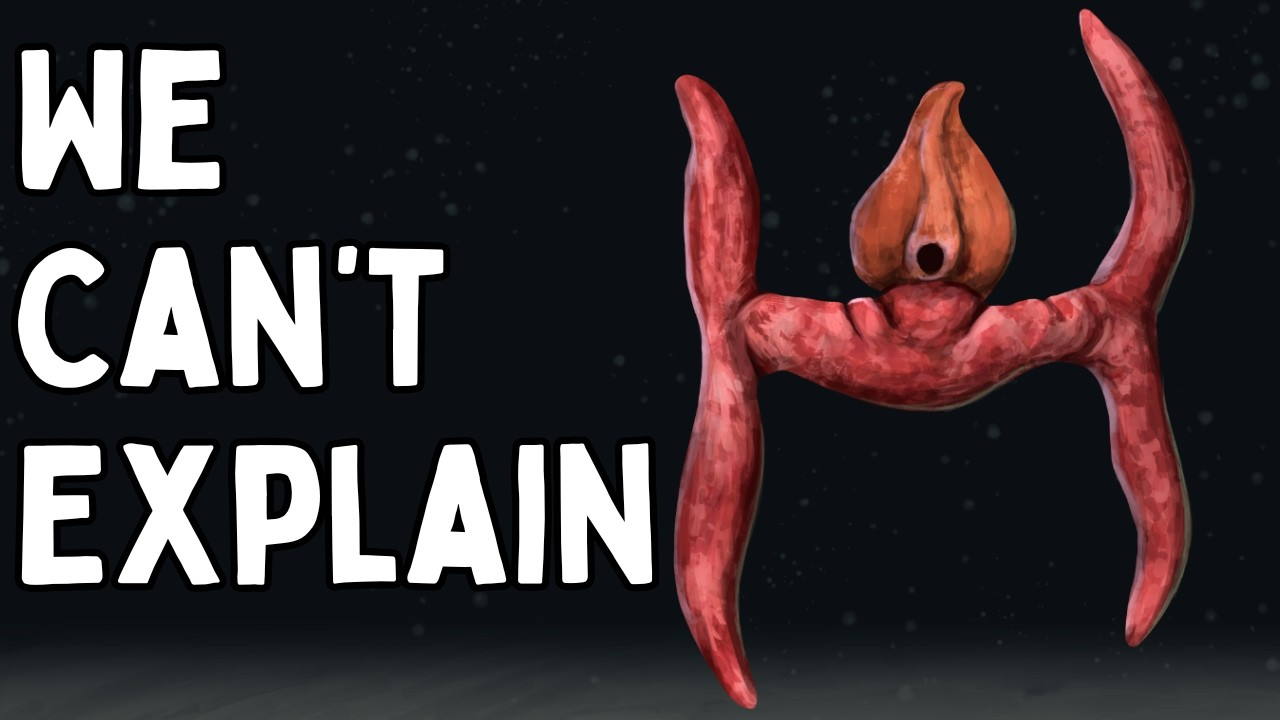
The Strangest Extinct Creatures Ever Found

February 20, 2026

The Strangest Extinct Animals Science Can’t Explain

Extinct animals are fascinating, but some are so bizarre that even modern science can’t make sense of them. From alien-like fish to creatures that seem almost otherworldly, these fossils challenge everything we know about life on Earth.

Highlights from the Video

  • 0:00 – To Become a Fossil: How ordinary creatures can leave extraordinary traces for millions of years.

  • 0:55 – After 90 Years, Still Confused: Fossils that defy identification, leaving paleontologists scratching their heads.

  • 3:42 – The Alien Goldfish: Creatures so strange they look like they belong on another planet.

  • 6:26 – Animals Only Explainable by the Alphabet: Weirdness that can only be described with imagination.

  • 7:58 – An Entire Era of Mysteries: Species from forgotten epochs that challenge our understanding of evolution.

  • 8:30 – A Flesh Tree… With a Skeleton?: Creatures that blur the line between plant and animal.

  • 10:36 – If Your Bathroom Rug Came Alive: Tiny, strange, and shocking life forms preserved in time.

  • 12:00 – Fossils So Weird, They Might Not Be Fossils: When even experts hesitate to classify them.

These creatures remind us that the past was as strange and mysterious as the imagination can conjure—and that life on Earth has always been full of surprises.

🎥 Watch the full video below to explore the weirdest extinct animals that science still can’t fully explain:

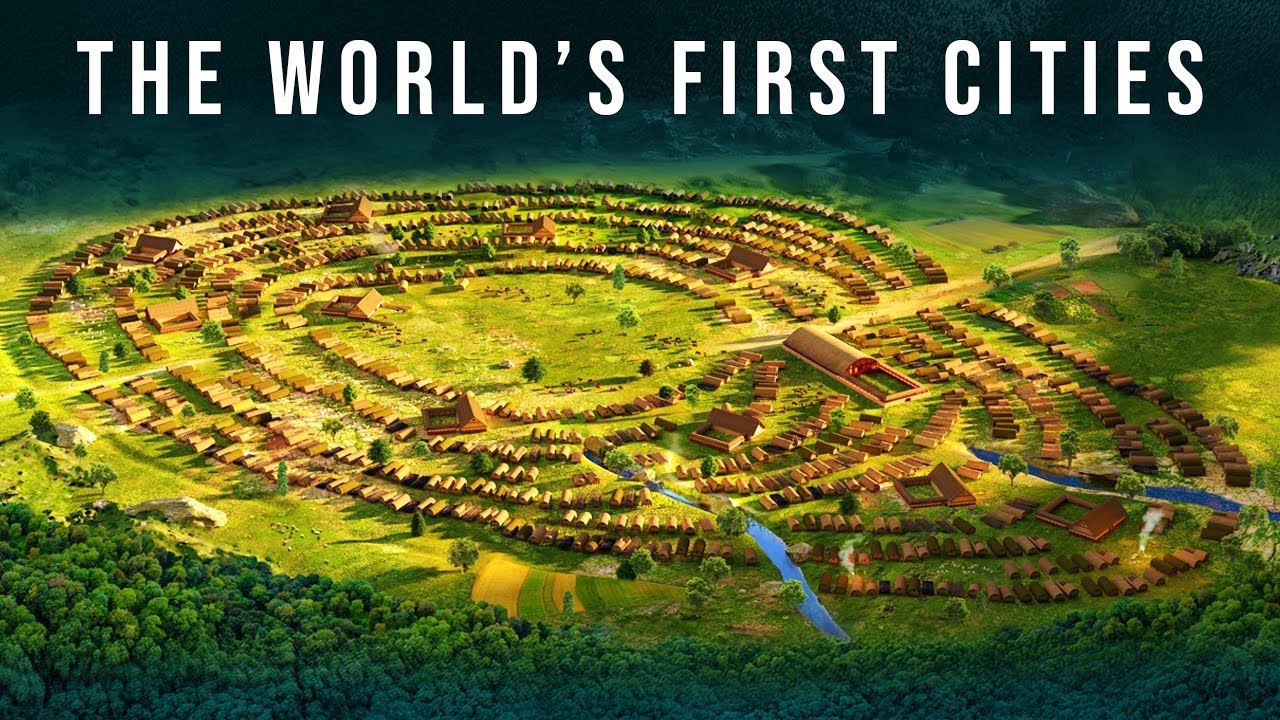
The Vast Ancient Cities of Prehistoric Europe

February 20, 2026

The Giant Settlements of the Cucuteni-Trypillia Culture

Between 5000 and 3000 BC, in what is today Romania, Moldova, and Ukraine, the Cucuteni-Trypillia people built something extraordinary. They weren’t just farming communities—they were urban planners of the ancient world.

Vast Chalcolithic Cities

Unlike the first cities of Sumer, which many consider the cradle of urban life, Cucuteni-Trypillia settlements dwarfed them:

  • Some covered up to 450 hectares.

  • Estimated populations reached 46,000 residents.

  • Streets, communal spaces, and concentric layouts reveal sophisticated planning.

These weren’t random clusters of houses—they were deliberately organized urban landscapes.

Why Build So Big?

The reasons behind these enormous settlements remain partially mysterious, but archaeologists suggest possibilities:

  • Social cohesion: Large populations needed complex social organization.

  • Defensive strategy: Concentric layouts may have provided protection.

  • Ceremonial importance: Large plazas and central structures hint at religious or cultural activities.

  • Agricultural surplus: Sustaining tens of thousands of people implies advanced farming techniques.

Even thousands of years later, these sites force us to rethink the timeline of urban development and challenge assumptions about what prehistoric humans were capable of.

🎥 Watch the full video below to explore the massive settlements of the Cucuteni-Trypillia culture and uncover the mysteries of their incredible Chalcolithic cities:

← Newer Posts Older Posts →
Featured
image_2026-03-12_232439795.png
Mar 13, 2026
The Mysterious Architects of Ancient Palaces
Mar 13, 2026
Read More →
Mar 13, 2026
image_2026-03-12_232356896.png
Mar 13, 2026
Divine Kingship: When Rulers Were Seen as Gods
Mar 13, 2026
Read More →
Mar 13, 2026
image_2026-03-12_232211099.png
Mar 13, 2026
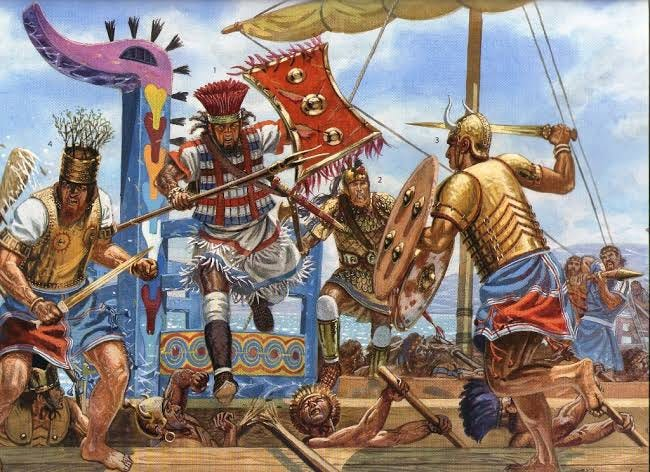
The Forgotten Sea Peoples: Raiders of the Ancient World
Mar 13, 2026
Read More →
Mar 13, 2026
image_2026-03-12_232026356.png
Mar 13, 2026
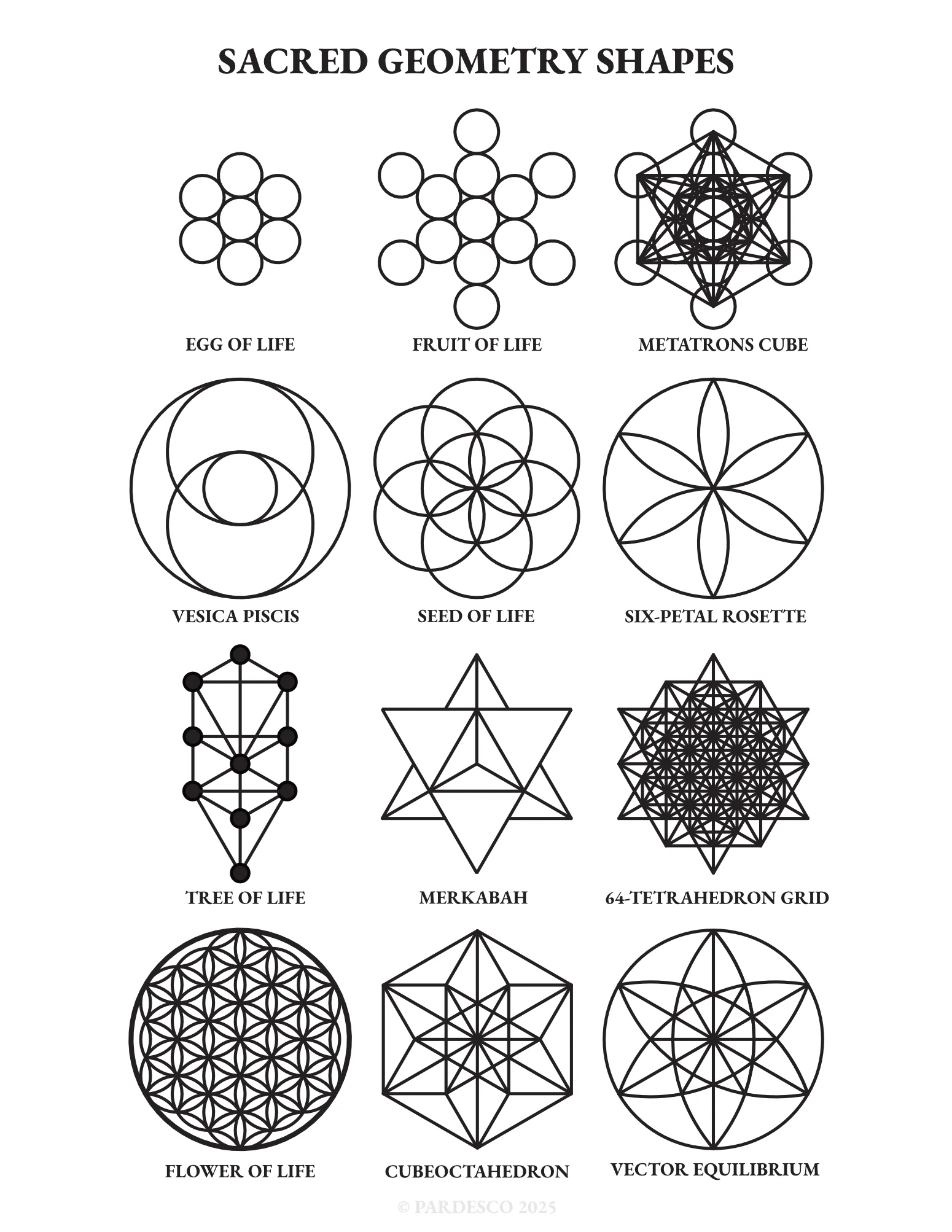
The Origins of Sacred Geometry
Mar 13, 2026
Read More →
Mar 13, 2026
image_2026-03-12_231941982.png
Mar 13, 2026
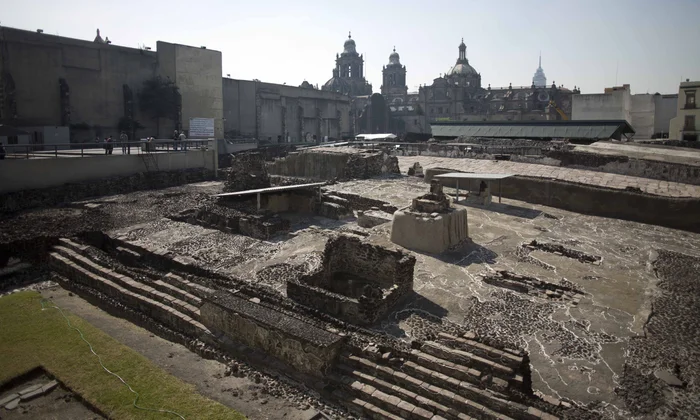
Buried Temples Beneath Modern Cities
Mar 13, 2026
Read More →
Mar 13, 2026
image_2026-03-12_231845648.png
Mar 13, 2026
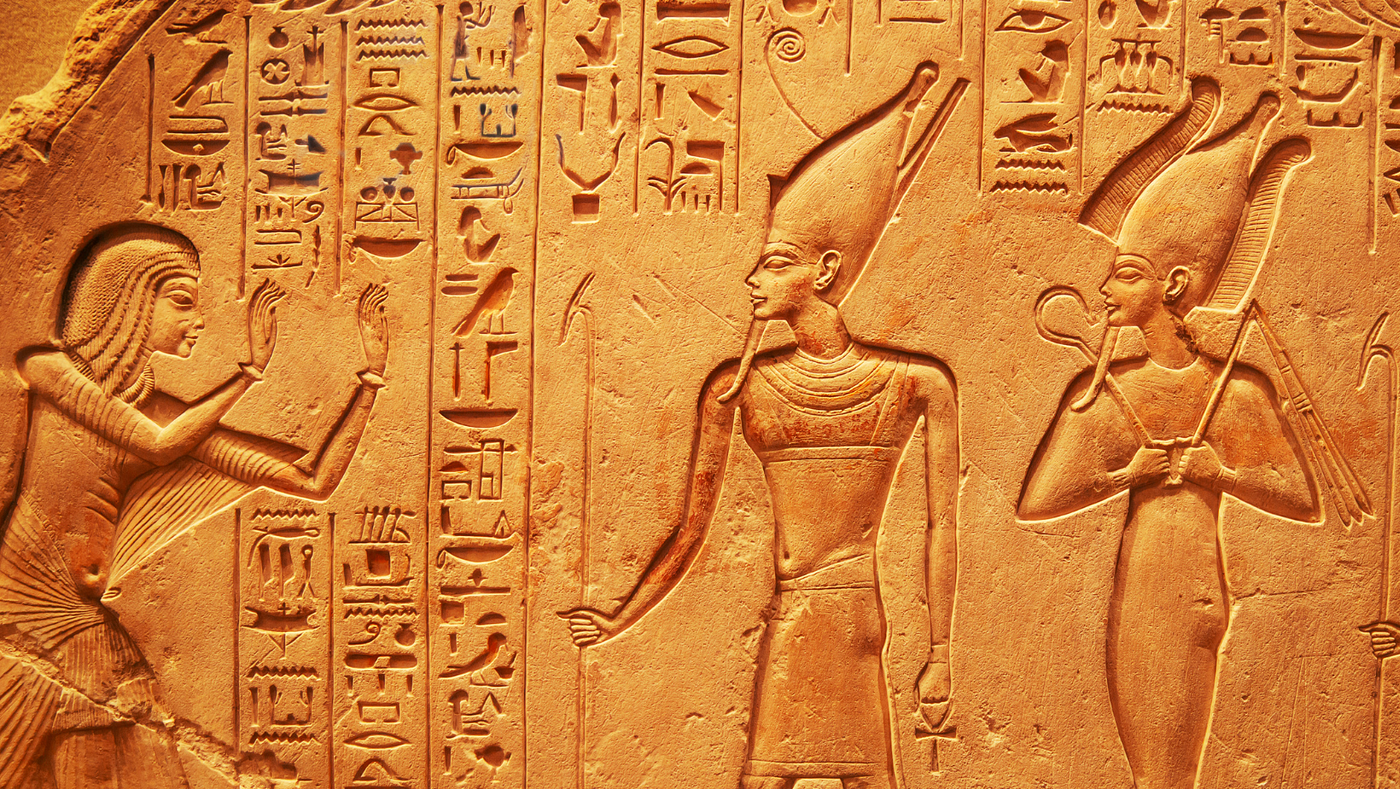
The Secret Languages of the Ancient Priesthoods
Mar 13, 2026
Read More →
Mar 13, 2026
read more

Powered by The archaeologist