• MAIN PAGE
  • LATEST NEWS
    • Lost Cities
    • Archaeology's Greatest Finds
    • Underwater Discoveries
    • Greatest Inventions
    • Studies
    • Blog
  • PHILOSOPHY
  • HISTORY
  • RELIGIONS
    • Africa
    • Anatolia
    • Arabian Peninsula
    • Balkan Region
    • China - East Asia
    • Europe
    • Eurasian Steppe
    • Levant
    • Mesopotamia
    • Oceania - SE Asia
    • Pre-Columbian Civilizations of America
    • Iranian Plateau - Central Asia
    • Indus Valley - South Asia
    • Japan
    • The Archaeologist Editor Group
    • Scientific Studies
    • Aegean Prehistory
    • Historical Period
    • Byzantine Middle Ages
    • Predynastic Period
    • Dynastic Period
    • Greco-Roman Egypt
  • Rome
  • PALEONTOLOGY
  • About us
Menu

The Archaeologist

  • MAIN PAGE
  • LATEST NEWS
  • DISCOVERIES
    • Lost Cities
    • Archaeology's Greatest Finds
    • Underwater Discoveries
    • Greatest Inventions
    • Studies
    • Blog
  • PHILOSOPHY
  • HISTORY
  • RELIGIONS
  • World Civilizations
    • Africa
    • Anatolia
    • Arabian Peninsula
    • Balkan Region
    • China - East Asia
    • Europe
    • Eurasian Steppe
    • Levant
    • Mesopotamia
    • Oceania - SE Asia
    • Pre-Columbian Civilizations of America
    • Iranian Plateau - Central Asia
    • Indus Valley - South Asia
    • Japan
    • The Archaeologist Editor Group
    • Scientific Studies
  • GREECE
    • Aegean Prehistory
    • Historical Period
    • Byzantine Middle Ages
  • Egypt
    • Predynastic Period
    • Dynastic Period
    • Greco-Roman Egypt
  • Rome
  • PALEONTOLOGY
  • About us

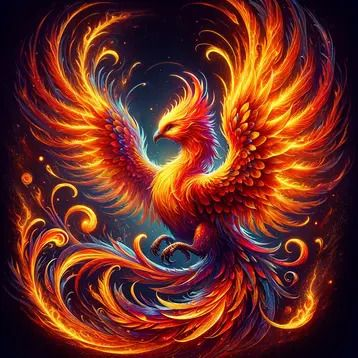
The Ancient Myth of the Phoenix: Symbol of Rebirth

December 7, 2025

Tracing Its Origins in Egyptian and Greek Traditions

The Phoenix is one of the most enduring symbols of renewal—a bird that dies, burns, and rises again in radiant rebirth.

Egyptian Beginnings: The Bennu Bird

In Egyptian tradition, the Bennu bird was linked to the sun god and the creation of the world. It represented:

  • rebirth

  • eternal cycles

  • the rising sun

Temples in Heliopolis celebrated its connection to cosmic renewal.

Greek Transformation

Greek authors adapted the myth, describing a majestic creature that lived for centuries before igniting itself and emerging anew. It became a symbol of immortality and spiritual endurance.

A Universal Icon

From ancient Egypt to medieval Europe, the Phoenix symbolized hope, transformation, and the triumph of life over death.

The Sacred Temples of Ancient Malta: Older Than the Pyramids

December 7, 2025

Exploring the Megalithic Temples and Their Cosmic Alignment

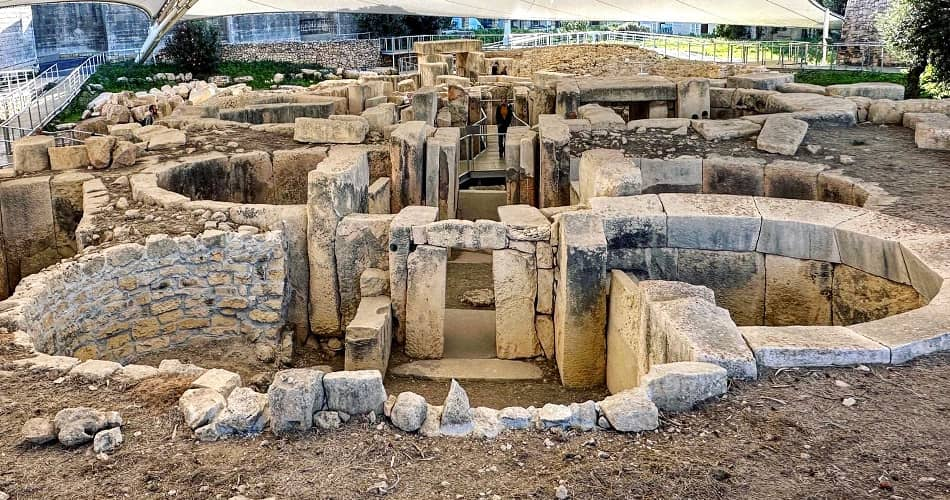
Malta’s ancient temples, built between 3600–2500 BCE, are among the oldest free-standing stone monuments in the world.

Remarkable Architecture

Structures like Mnajdra and Ħaġar Qim include curved rooms, altars, and decorated stones. Their sophistication suggests advanced planning and community cooperation.

Aligned with the Heavens

Several temples align with solar events. At Mnajdra, sunlight during the equinox illuminates the inner passageway perfectly, showing precise astronomical observation.

A Ritual Landscape

Artifacts—figurines, altars, animal bones—hint that the temples were centers of worship, community gatherings, and possibly seasonal ceremonies.

A Window into Prehistoric Spirituality

Malta’s temples reveal a culture deeply connected to cycles of nature and the cosmos long before written history.

The Role of Astronomy in Ancient Navigation

December 7, 2025

How Sailors Used the Stars to Cross the Seas

Long before compasses, sailors looked to the night sky for guidance.

Finding Direction by the Stars

Navigators used fixed stars, especially Polaris, to determine north. They gauged latitude by measuring a star’s height above the horizon using simple tools like knotted ropes or early astrolabes.

Reading Winds and Seasons

Ancient mariners learned how seasonal winds behaved. In the Indian Ocean, predictable monsoons allowed ships to travel across great distances with remarkable reliability.

Star Maps and Oral Tradition

Cultures like the Polynesians memorized star paths—patterns of rising and setting stars used to travel between islands. Their navigation combined astronomy, wave patterns, clouds, and bird behavior.

A Science Born from Necessity

Astronomy made global travel possible, enabling trade, exploration, and cultural exchange.

The Forgotten Language of the Etruscans

December 7, 2025

Unraveling the Mysterious Script of Ancient Italy

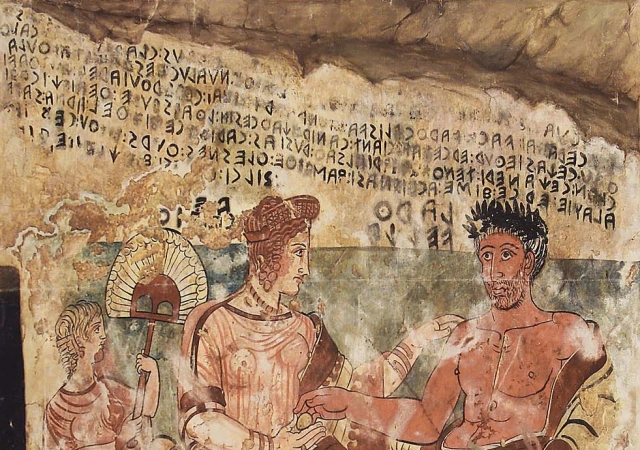
Before Rome rose to power, the Etruscans dominated central Italy. Their language—preserved in tombs, artifacts, and religious inscriptions—remains only partly understood.

A Language Unlike Its Neighbors

Etruscan does not belong to the Indo-European language family, making it difficult to decode. While we can read the script (since it resembles early Greek), many words remain mysterious.

Clues from Tombs and Art

Etruscan inscriptions appear on sarcophagi, mirrors, and jewelry. They reveal:

  • family names

  • ritual formulas

  • dedications to gods

But longer texts are rare, limiting full interpretation.

A Culture of Ritual and Elegance

Their vibrant art, elaborate tombs, and skilled metalwork show a refined civilization deeply connected to religion and the afterlife.

Lingering Mysteries

Although partially deciphered, the language still hides secrets about Etruscan myths, history, and worldview.

The First Global Trade Routes of the Ancient World

December 7, 2025

Exploring the Silk Road, Incense Route, and Early Maritime Networks

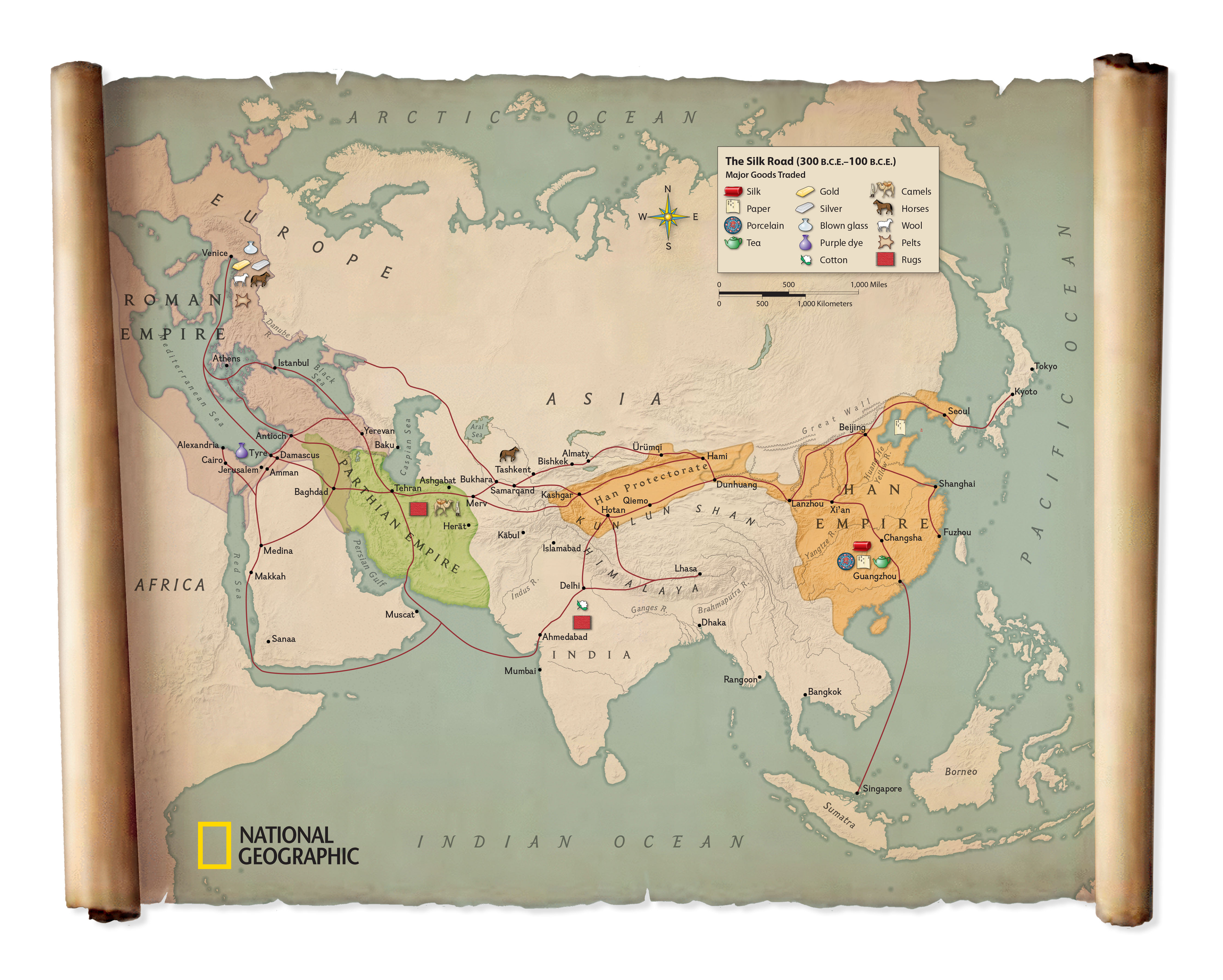
Long before modern globalization, ancient trade routes connected continents, ideas, and cultures.

The Silk Road: Asia’s Artery of Exchange

Stretching from China to the Mediterranean, the Silk Road linked merchants, scholars, and pilgrims. Traders carried silk, spices, glassware, and even new inventions. Cities like Samarkand thrived as cultural crossroads.

The Incense Route: Arabia’s Perfumed Highway

Transporting frankincense and myrrh, this desert route connected southern Arabia with Egypt, Mesopotamia, and Rome. Caravans crossed harsh landscapes, bringing luxury goods that were essential for temples and royal ceremonies.

Ancient Maritime Networks

Sailors navigated the Indian Ocean using monsoon winds, connecting East Africa, India, and Southeast Asia. These sea routes allowed exchange of textiles, beads, ivory, and ideas about religion and astronomy.

A Connected Ancient World

These early networks shaped civilizations, spreading culture, technology, and belief systems across vast distances.

The Role of the Sacred Bull in Ancient Religions

December 7, 2025

Understanding Bull Worship in Minoan, Mesopotamian, and Egyptian Cultures

Across the ancient world, the bull symbolized strength, fertility, and divine power. Civilizations used this majestic animal in rituals, myths, and art.

Minoan Crete: The Leaping Bull

At Knossos, murals depict young acrobats performing leaps over charging bulls. The bull was linked to fertility and renewal, and possibly to the Minotaur myth. Bull imagery filled palaces, pottery, and religious spaces.

Mesopotamia: The Bull of Heaven

In the Epic of Gilgamesh, the Bull of Heaven was a divine weapon. Kings associated themselves with bulls to show divine strength and authority. Bull statues guarded temples as protectors.

Egypt: The Apis Bull

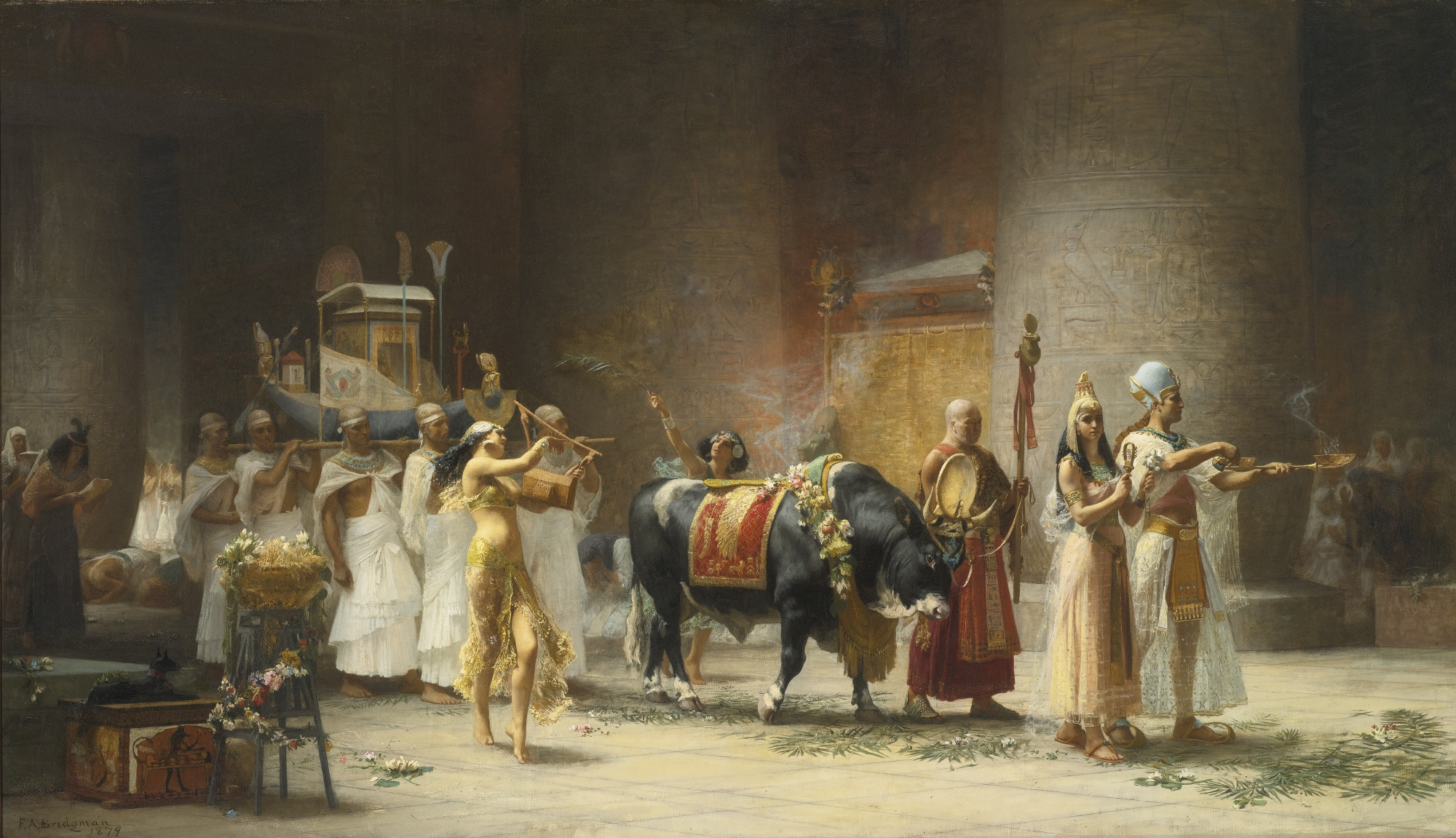
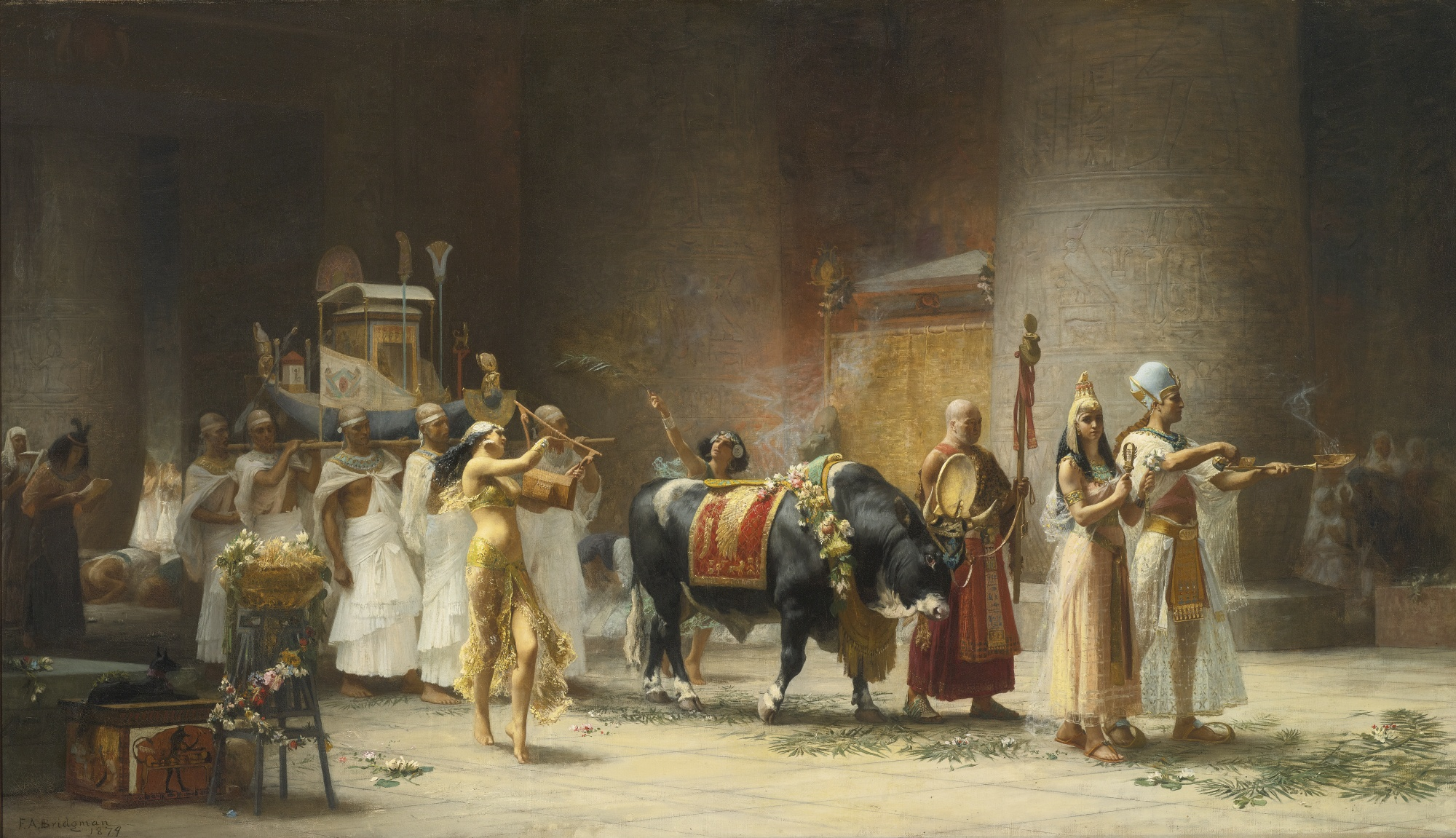
The Apis bull was worshipped as a living manifestation of Ptah and later Osiris. Sacred bulls lived in luxury, attended by priests, and were mummified after death.

A Universal Symbol

Across cultures, the bull represented earthly power and cosmic energy, bridging the human world and the divine.

The Lost City of Ubar: The Atlantis of the Sands

December 7, 2025

Exploring the Ancient Arabian City Buried Beneath the Desert

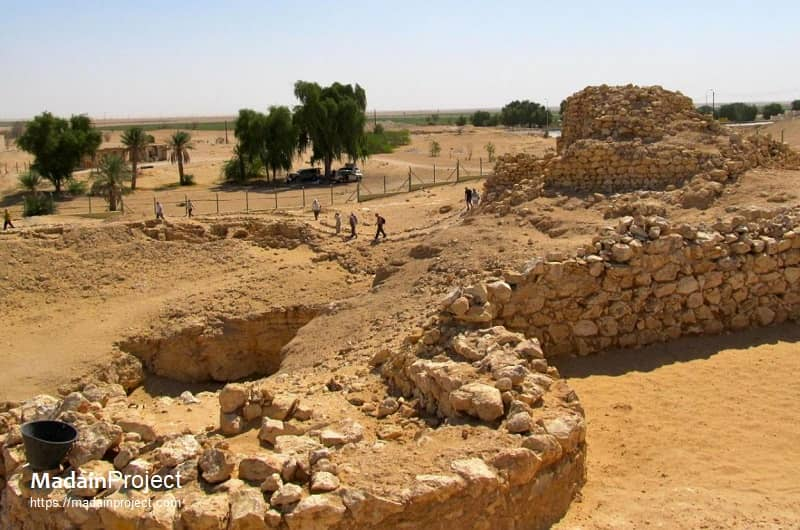
For centuries, travelers spoke of Ubar a wealthy city in the Arabian desert said to have vanished beneath shifting sands. Known as the “Atlantis of Arabia,” the search for Ubar blended legend and archaeology.

A City of Incense and Trade

Ubar thrived along the Incense Route, a network that transported frankincense and myrrh from southern Arabia to the Mediterranean. Traders described it as a hub of wealth, caravans, and towering fortifications.

Lost to the Desert Winds

According to tradition, Ubar collapsed into a massive sinkhole or was swallowed by dunes due to overuse of its water system. Its disappearance turned it into a story of divine punishment and human pride.

Modern Rediscovery

Satellite imaging in the 1990s revealed ancient caravan trails converging on a single spot in Oman. Excavations uncovered a fortified settlement with collapsed towers—evidence matching descriptions of Ubar.

Myth and History Intertwine

While not a massive city, Ubar was likely a significant outpost whose dramatic fall inspired centuries of legend.

The Mysterious Obelisks of Ancient Egypt

December 7, 2025

Why the Egyptians Built These Towering Monuments

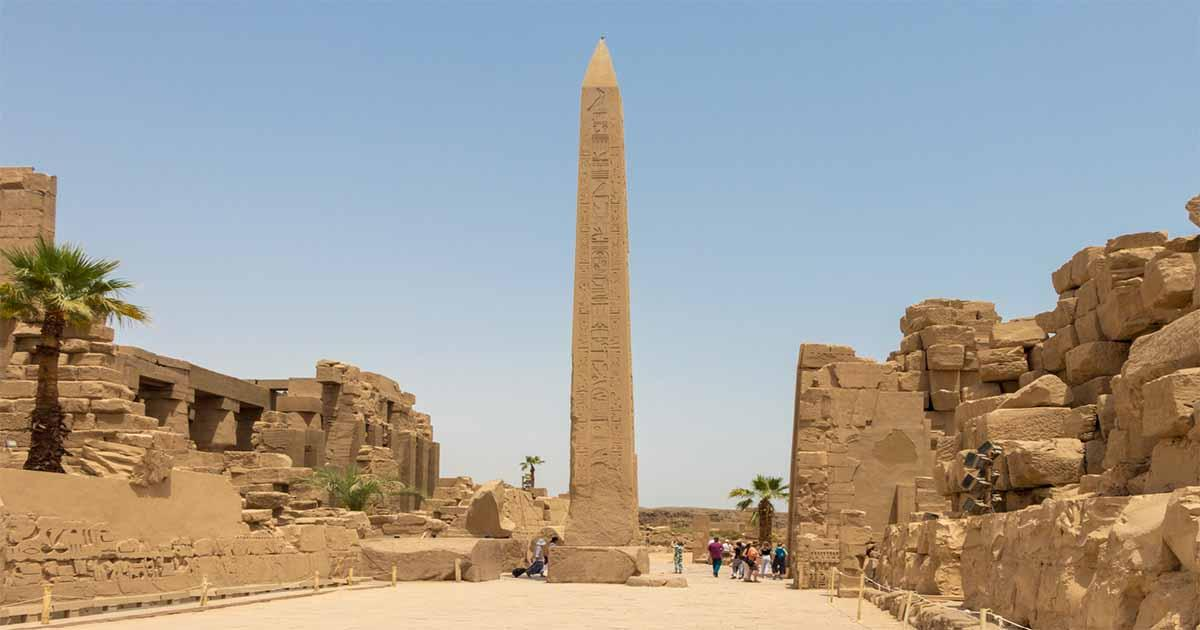
Obelisks stand as some of the most striking symbols of ancient Egypt tall, tapering pillars carved from single blocks of stone and capped with pyramid-shaped tips. Their meaning blends religion, power, and cosmic symbolism.

Sacred Symbols of the Sun

Egyptians connected obelisks with Ra, the sun god. The structures were thought to represent a frozen sunbeam, embodying light, life, and creation. Their polished granite surfaces reflected sunlight, making them shine like celestial markers.

Engineering Marvels

Carved from massive granite quarries in Aswan, obelisks weighed hundreds of tons. Moving them required extraordinary coordination:

  • beds of sand

  • wooden sledges

  • teams of hundreds pulling in unison

Erecting them required equally complex engineering, involving ramps, levers, and counterweights.

Monuments of Power

Pharaohs commissioned obelisks to honor gods and legitimize their reign. Paired obelisks stood at temple entrances like guardians, proclaiming divine authority.

A Lasting Influence

Many were later transported to Rome, Paris, Istanbul, and New York, spreading Egyptian symbolism across the world.

The First Philosophers of Ancient Greece: Wisdom and Reason

December 7, 2025

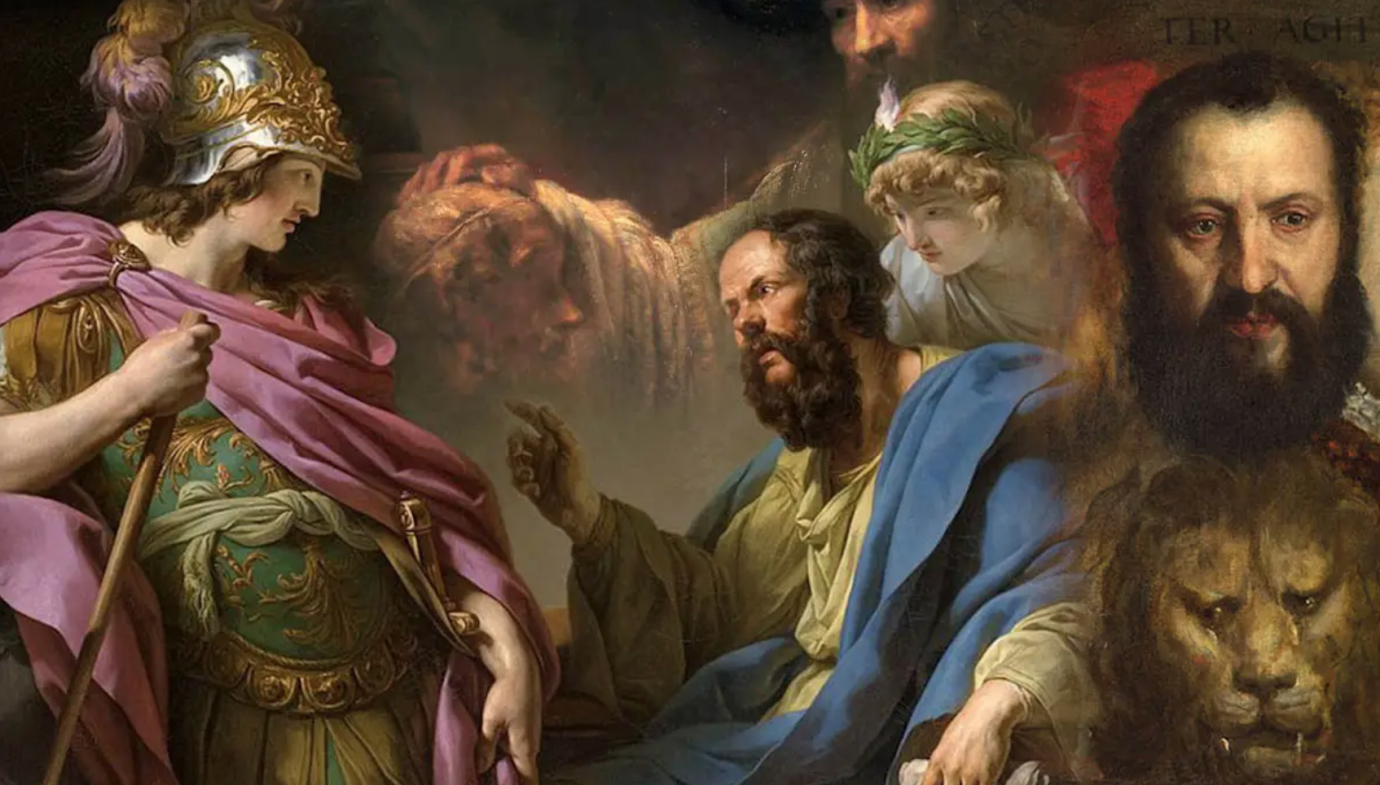
Exploring the Teachings of Thales, Heraclitus, and Pythagoras

Before Plato and Aristotle, there were the early Greek thinkers who first asked the bold question: What is the world made of? These early philosophers shifted explanations of nature from myth toward reason, laying the foundation for Western thought.

Thales: The Father of Western Philosophy

Thales of Miletus believed that the universe could be explained through natural laws rather than divine actions. He proposed that water was the primary substance of all things. Though simple, his idea marked a revolutionary step—he suggested the world could be understood rationally.

He also predicted a solar eclipse, showing impressive early scientific thinking.

Heraclitus: Everything Flows

Heraclitus of Ephesus taught that the world is in constant motion. His famous idea “You cannot step into the same river twice”captured his belief that change is the fundamental nature of reality.

He viewed fire as the symbol of eternal transformation and believed that opposites like day and night worked together to create harmony.

Pythagoras: Mysticism and Mathematics

Pythagoras is best known for his theorem, but his school taught far more. He believed numbers were the essence of the universe, and that harmony, proportion, and geometry governed both nature and the soul.

His followers practiced a disciplined lifestyle, pursued spiritual purification, and studied mathematics as a path to truth.

A Legacy of Reason

These three thinkers sparked a new way of understanding the world through logic, observation, and the search for universal principles. Their ideas continue to influence science, philosophy, and mathematics today.

The Secrets of the Ancient Druids and Their Sacred Groves

December 7, 2025

Exploring the Rituals, Beliefs, and Hidden Wisdom of the Celtic Priesthood

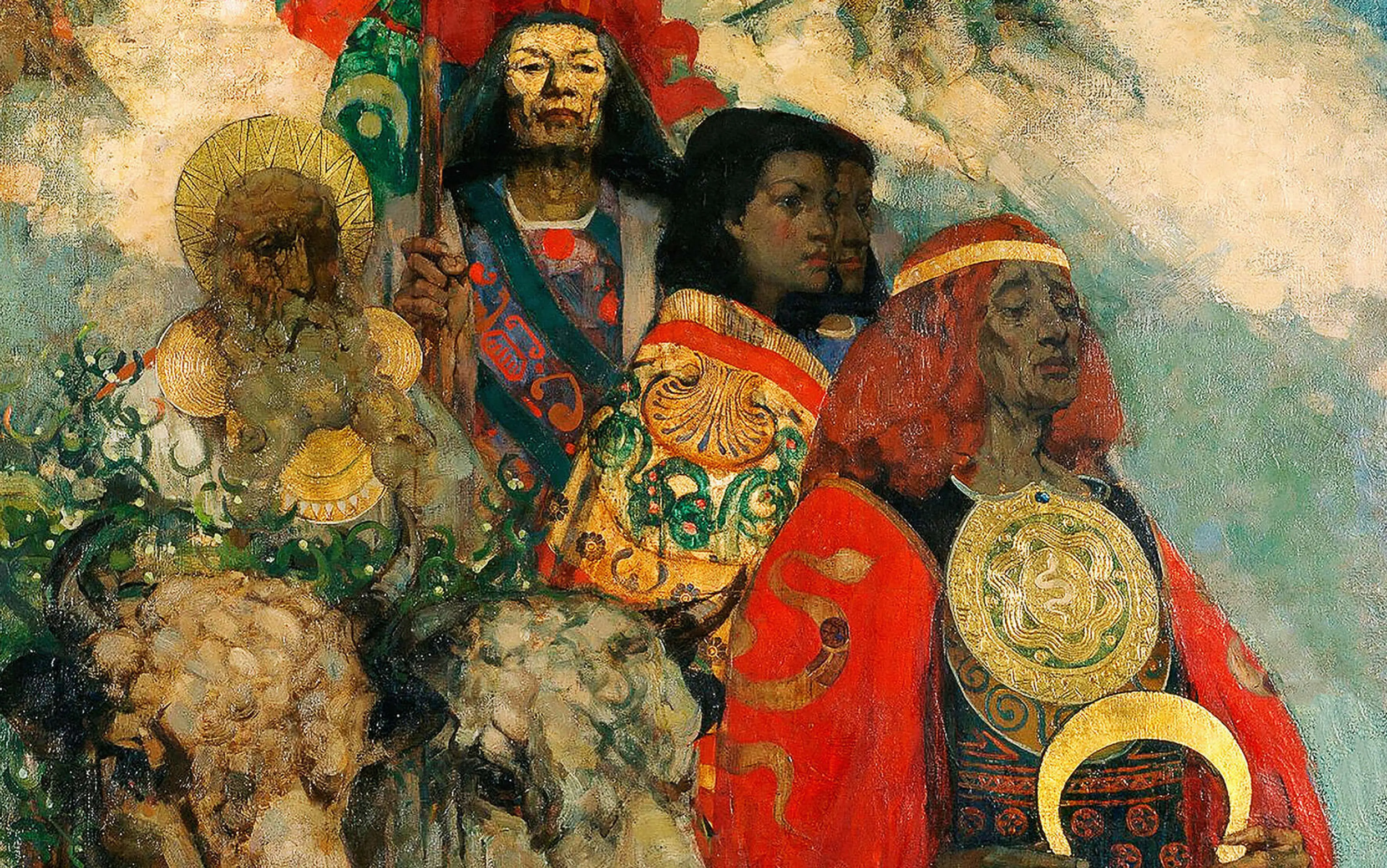
The Druids remain one of the most fascinating and mysterious groups of the ancient world. Known as the spiritual leaders of Celtic societies across Britain, Ireland, and Gaul, they served not only as priests but also as judges, healers, astronomers, and keepers of oral tradition. Because they left no written records, much of what we know comes from archaeology and accounts by Greek and Roman writers making their practices both intriguing and elusive.

Guardians of Sacred Groves

Nature was at the heart of Druidic spirituality. Their most important rituals took place in nemeton sacred groves filled with ancient oaks, yews, or ash trees. These living sanctuaries were believed to be gateways between the human world and the divine.

Trees held symbolic meaning:

  • Oak represented strength, wisdom, and divine authority.

  • Yew symbolized death, rebirth, and the eternal cycle.

  • Mistletoe, especially when gathered from oaks, was considered a powerful healing charm.

Ceremonies performed in these groves focused on blessing the land, marking seasonal cycles, and honoring the gods.

Masters of Ritual and Oral Knowledge

The Druids underwent long training—sometimes up to twenty years. Their education was entirely oral, ensuring sacred knowledge remained protected.

Their roles included:

  • leading celebrations during festivals like Samhain and Beltane

  • interpreting omens and cosmic signs

  • resolving disputes and maintaining social harmony

  • preserving genealogies, myths, and cultural memory

Through their teachings, they shaped the spiritual and political life of Celtic communities.

Astronomy, Nature, and the Divine

The Druids observed the stars, moon, and sun, using celestial patterns to mark time and guide agricultural cycles. Many ancient sites connected to Celtic worship—such as standing stones and early shrines—align with solstices and equinoxes, showing their deep understanding of astronomy.

For them, the natural world was infused with spirit. Rivers, hills, animals, and weather all carried divine presence, making everyday life a sacred interaction between people and nature.

A Legacy Wrapped in Mystery

Though Roman expansion eventually suppressed Druidic authority, the memory of their wisdom endured. Today, they remain symbols of ancient knowledge, spiritual depth, and humanity’s bond with the natural world.

Their sacred groves remind us that, to the Druids, the forest was not just a place it was a living temple where the universe could be understood through nature itself.

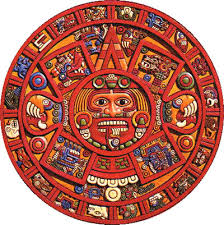
The Sacred Geometry of the Mayan Calendar

December 6, 2025

Exploring the Mathematical and Astronomical System of the Maya

The Maya developed one of the most advanced calendar systems of the ancient world, combining mathematics, astronomy, and sacred symbolism.

Cycles of Time

The Maya used several interlocking calendars. The Tzolk’in guided spiritual life, while the Haab’ structured the agricultural year. Together they formed the Calendar Round, a 52-year cycle.

Mathematical Precision

Mayan astronomers accurately tracked planetary movements, lunar phases, and solar cycles. Their understanding of Venus and solar alignments was exceptionally advanced.

Time as a Sacred Pattern

For the Maya, time was more than chronology it was a spiritual force. Their temples and monuments often aligned with celestial events, reflecting a worldview where the cosmos shaped daily life and destiny.

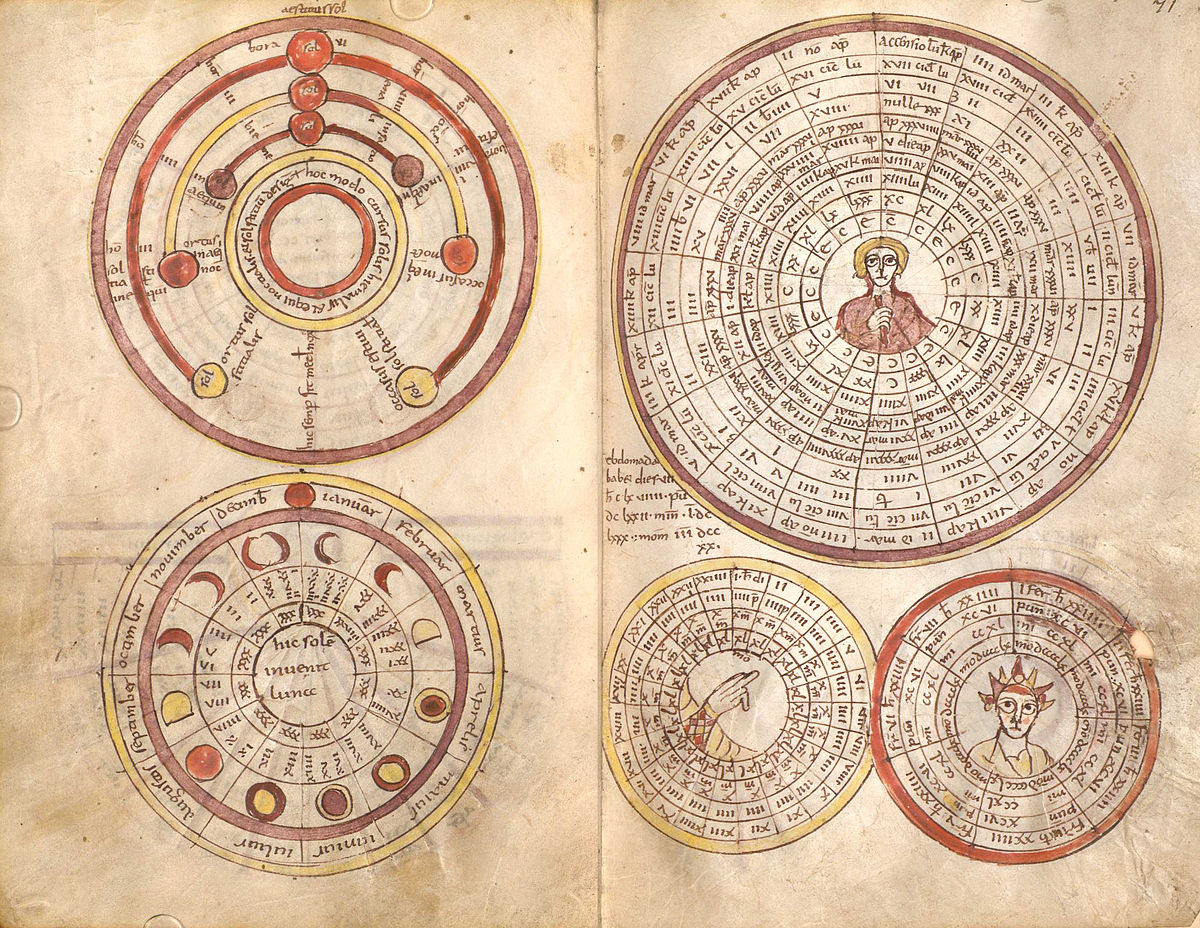
The Role of the Moon in Ancient Calendars

December 6, 2025

How Lunar Cycles Guided Rituals and Daily Life

For many ancient cultures, the moon served as a natural timekeeper. Its phases marked the rhythm of months, festivals, and agricultural activities.

Tracking Time Through the Sky

Civilizations in the Middle East, Asia, Africa, and the Americas used lunar calendars long before the adoption of solar systems. The changing phases provided a clear and consistent way to count days.

Guiding Agriculture and Rituals

Farmers planted crops based on moon phases believed to influence growth. Religious leaders scheduled festivals, ceremonies, and seasonal rites according to the lunar cycle.

A Symbol of Renewal

The moon represented rebirth, fertility, and cosmic order. Its steady pattern connected ancient people to the wider rhythm of the universe.

The Secrets of the Ancient Ziggurats of Mesopotamia

December 6, 2025

Exploring the Purpose of These Towering Step Pyramids

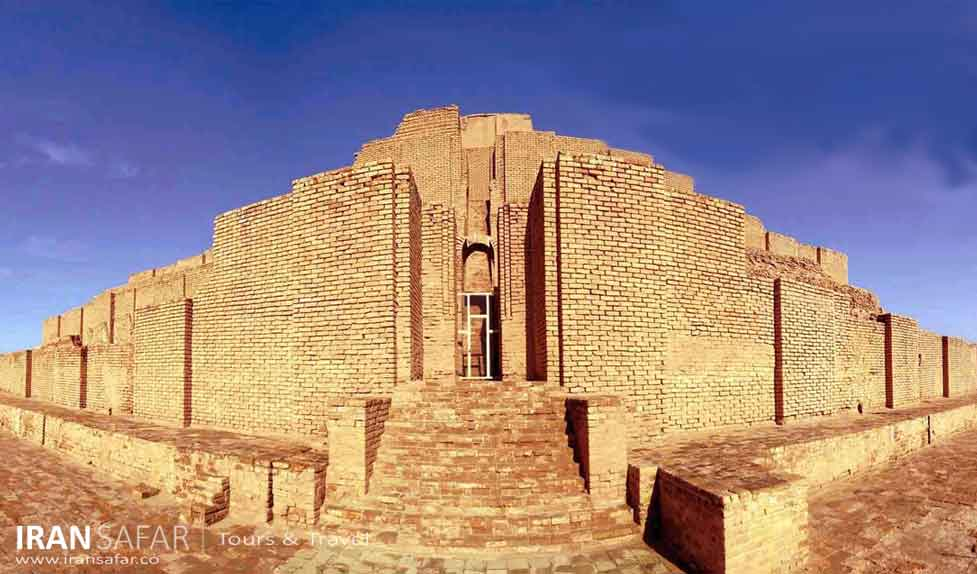
Ziggurats were monumental structures built by the Sumerians, Babylonians, and Assyrians. Rising high above their cities, they served as spiritual centers and symbols of royal power.

Sacred Platforms for the Gods

Each ziggurat supported a temple at its summit dedicated to a city’s patron deity. Priests performed rituals there, believing they were closer to the divine realm.

Engineering in the Ancient World

Constructed from millions of bricks, ziggurats featured layered terraces and grand staircases. The Ziggurat of Ur is one of the best preserved and shows the precision of early Mesopotamian builders.

Centers of Urban Life

These structures were not tombs but community landmarks, linking religion, governance, and daily activity. Their massive size still inspires awe today.

The Ancient Practice of Sky Burials in Tibet

December 6, 2025

Understanding the Spiritual Meaning Behind the Ritual

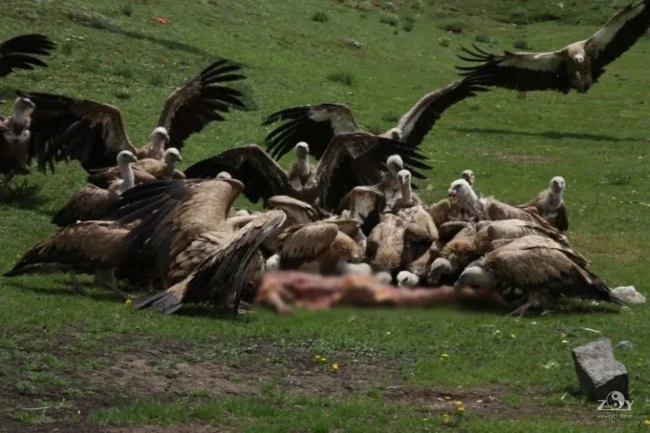
Sky burials are one of the most distinctive funerary traditions in Tibetan Buddhism. Instead of burial or cremation, the body is offered to vultures on a sacred hillside.

A Ritual of Compassion and Impermanence

Tibetan teachings emphasize that the body is only a temporary vessel. By offering it to nature, families perform a final act of generosity, symbolizing the release of the soul and acceptance of life’s transience.

Practical and Spiritual Roots

High-altitude regions of Tibet lack wood for cremation and have rocky soil, making burial difficult. The sky burial ritual developed as a practical solution supported by deep spiritual meaning.

Sacred Messengers of the Sky

Vultures are viewed as purifying beings, carrying the offering toward the heavens. For Tibetans, the ritual reflects harmony between humans, nature, and cosmic cycles.

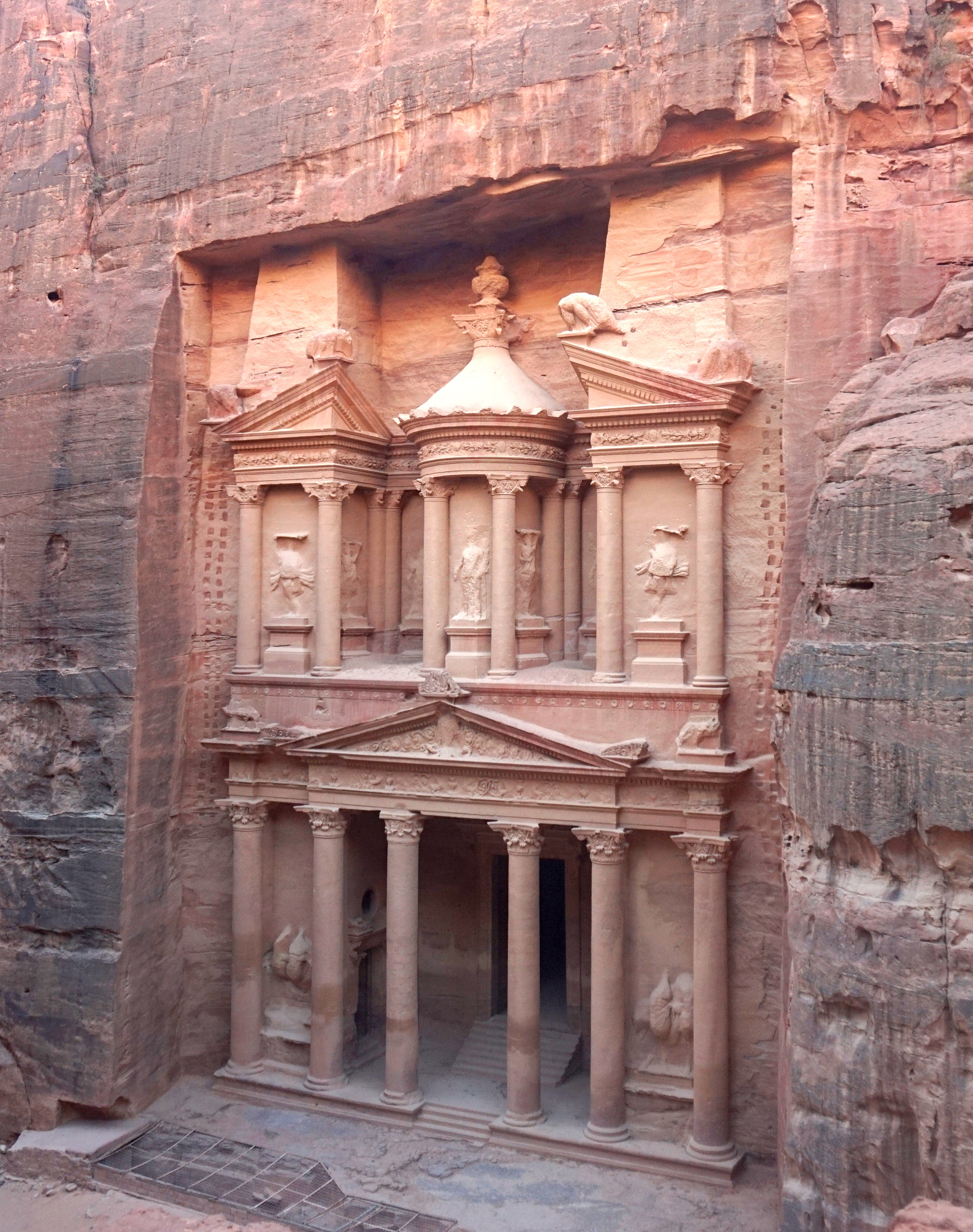
The Lost City of Petra: Carved in Stone

December 6, 2025

Exploring the Nabatean City Hidden in the Desert

Petra is one of the world’s most remarkable archaeological wonders, a city carved directly into rose-colored cliffs by the Nabateans over 2,000 years ago. Hidden within the rugged canyons of southern Jordan, it thrived as a center of trade and craftsmanship.

Origins of Petra

The Nabateans built Petra around the 4th century BCE, choosing a secluded valley that allowed them to control major trade routes. They carved monumental structures—temples, tombs, and façades—straight from the sandstone, blending Greek, Egyptian, and Arabian artistic styles.

A City of Stone and Water

Beyond its famous carvings, Petra was engineered with advanced water systems including channels, dams, and reservoirs. These innovations allowed the city to flourish in an extremely dry environment.

A Rediscovered Wonder

After centuries of obscurity, Petra was brought to modern attention in 1812. Today, landmarks like the Treasury and Monastery reveal the creativity and spiritual life of the Nabatean people, preserving their legacy in stone.

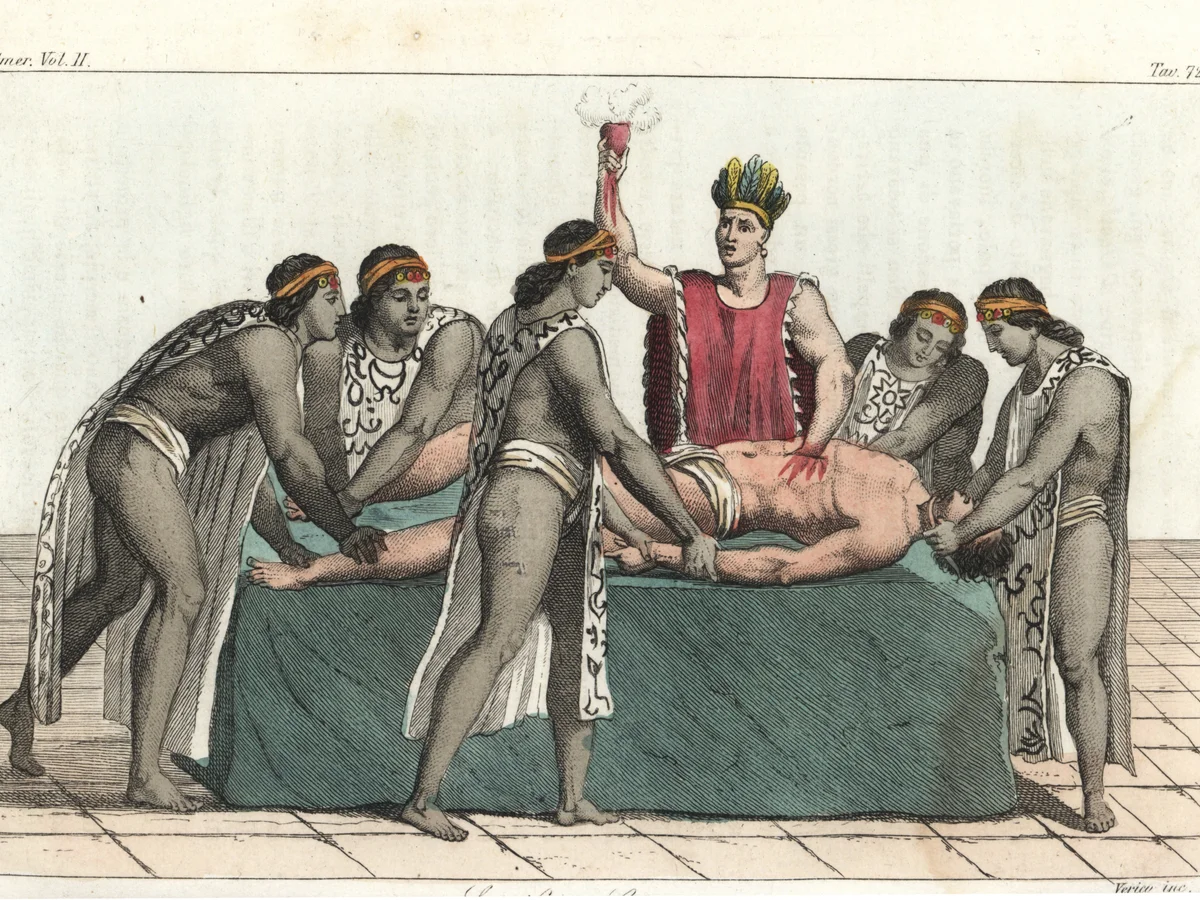
The Ancient Ritual of Human Sacrifice: Why and Where?

December 6, 2025

Examining Cultures That Practiced Sacrifice and the Meaning Behind It

Human sacrifice, though disturbing to modern sensibilities, played a significant role in several ancient cultures. Understanding its purpose helps illuminate the worldview and values of these societies.

Civilizations That Practiced Sacrifice

Evidence appears in:

  • Mesoamerica, where Aztecs offered captives to sustain cosmic order

  • Ancient China, where early dynasties buried retainers with nobles

  • The Near East, where rituals honored deities during crises

  • Iron Age Europe, where bog bodies reflect ritual killings

Each practice arose from specific cultural beliefs.

Symbolism and Purpose

Human sacrifice often symbolized renewal, cosmic balance, or devotion. Some societies believed the gods required human life to maintain harmony, ensure fertility, or protect the community.

Understanding an Ancient Worldview

While difficult to interpret today, these rituals were rooted in complex ideas about duty, spirituality, and the relationship between humans and divine forces.

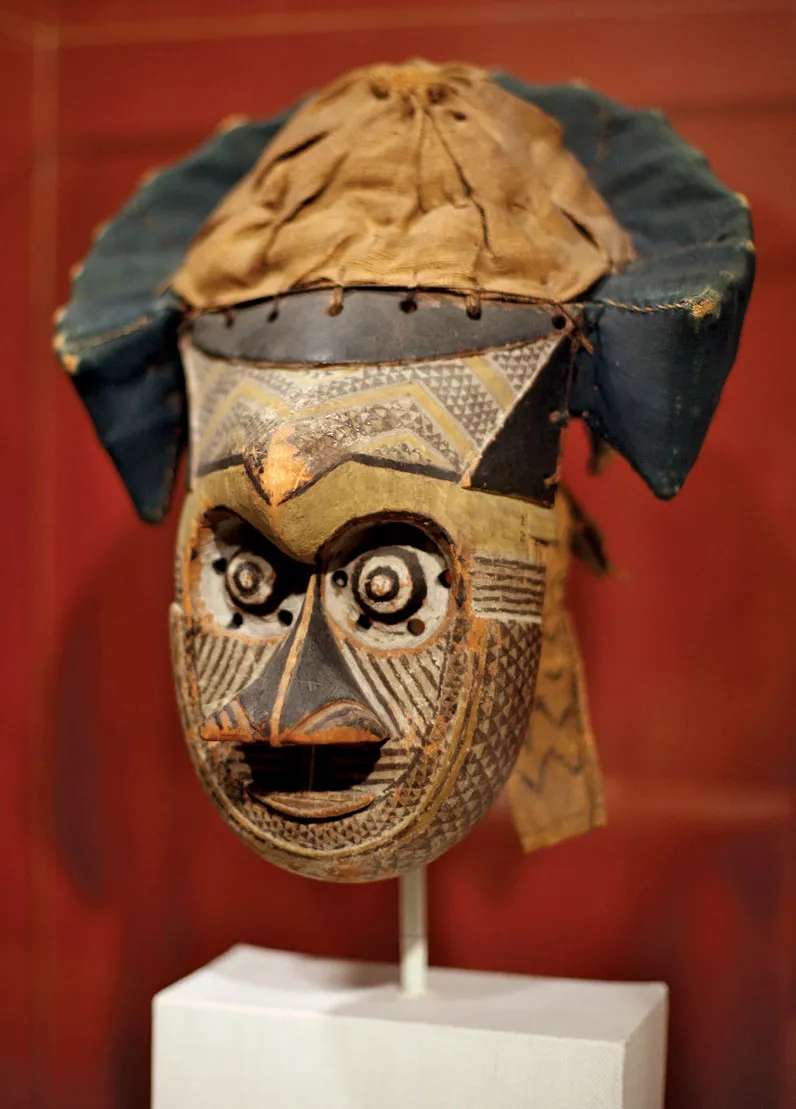
The Role of Masks in Ancient Rituals and Ceremonies

December 6, 2025

How Masks Connected People to Spirits, Gods, and Ancestral Forces

Masks have been central to ritual performance across cultures, transforming wearers into divine beings or spiritual intermediaries.

Ritual Transformation

In many societies, masks allowed shamans, priests, or dancers to embody deities or ancestors. The act of wearing the mask was believed to invite spiritual presence.

Cultures such as the Hopi, Yoruba, Greeks, and ancient Chinese used masks to communicate with unseen forces.

Ceremonial and Theatrical Functions

Masks were used during:

  • Initiation rites

  • Fertility and harvest festivals

  • Funeral ceremonies

  • Ancient dramas and sacred performances

Each mask carried symbolic designs that communicated cultural identity and belief.

A Bridge Between Worlds

Masks helped define moments when ordinary life gave way to the sacred, allowing communities to connect with mythic narratives and spiritual energies.

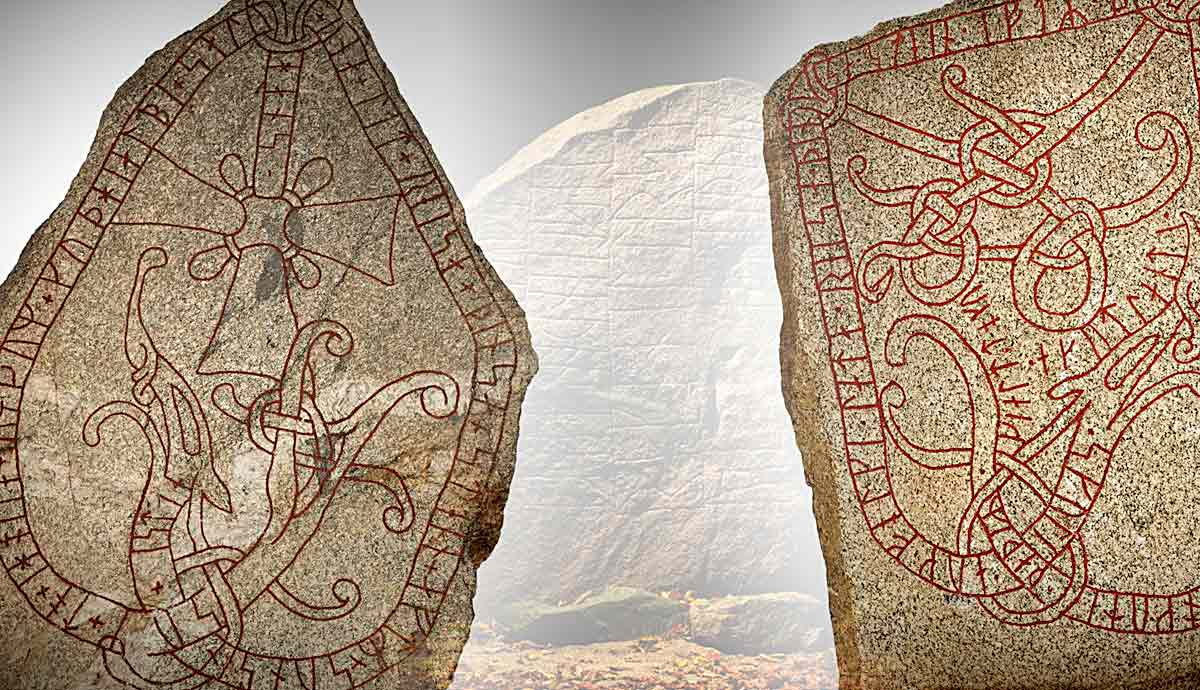
The Secrets of the Ancient Viking Runes

December 6, 2025

Uncovering the Origins and Meaning of the Runic Alphabet

The Vikings used runes not only for writing but for magic, ritual, and protection. These symbols carved onto wood, stone, and metal reveal the beliefs and identity of Norse culture.

Origins of the Runes

The runic alphabet, or Elder Futhark, developed around the 2nd century CE. Its shapes were designed for carving into hard surfaces, with straight lines and sharp angles.

Runes as Sacred Symbols

Beyond communication, runes held mystical significance. Norse mythology tells that Odin discovered the runes through a powerful ritual of self-sacrifice. As a result, each rune carried spiritual meaning protection, victory, fertility, or destiny.

Carved Messages Across the North

Rune stones recorded memorials, achievements, boundary markers, and sometimes warnings or curses. These inscriptions preserve the voices of Viking communities across Scandinavia.

The Myth of the Seven Sages of Ancient India

December 6, 2025

Exploring the Wisdom and Legacy of the Legendary Rishis

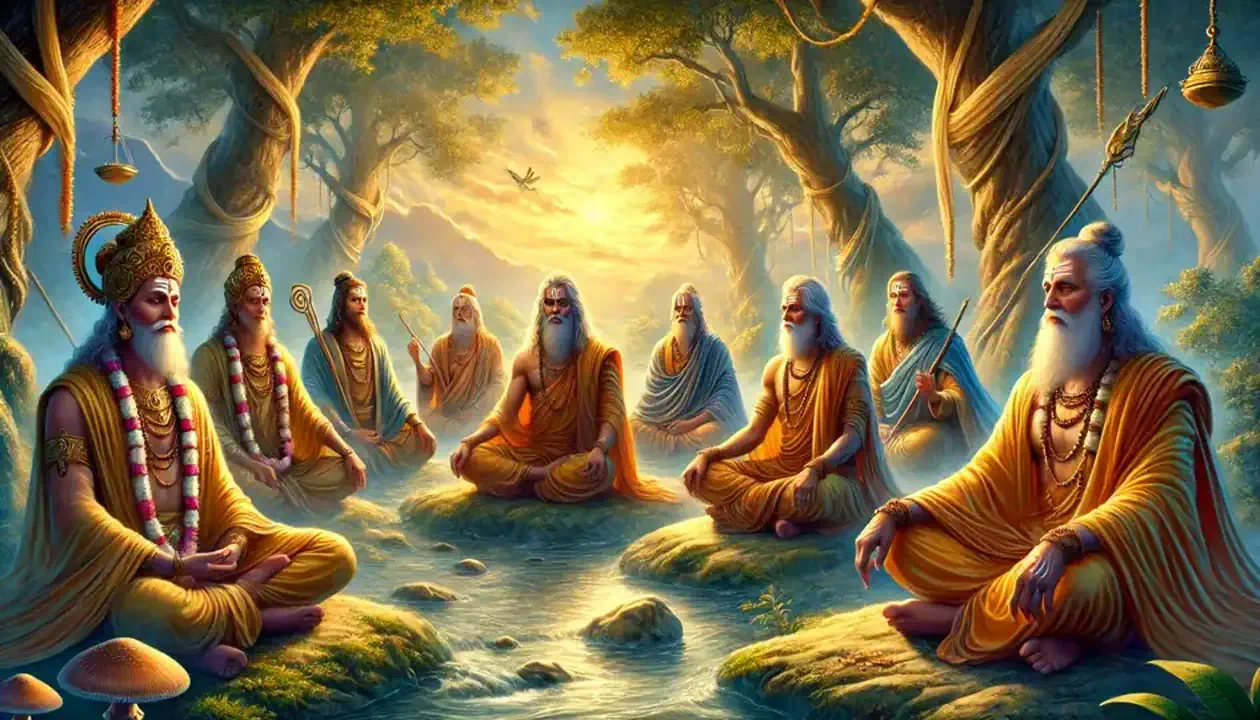
In ancient Indian tradition, the Seven Sages, or Saptarishi, are revered as enlightened beings who guided humanity through knowledge, spirituality, and cosmic understanding.

Bearers of Sacred Knowledge

Each Sage is associated with specific teachings astronomy, philosophy, medicine, and divine law. They appear in Vedic literature as authors of hymns, advisors to kings, and keepers of cosmic order.

Cosmic and Symbolic Significance

The Seven Sages were linked to the seven stars of the Big Dipper, symbolizing stability and guidance. Their presence in myths reflects the belief that wisdom is eternal and continuously passed down.

Influence on Indian Culture

The teachings of the Rishis shaped yoga, ritual traditions, and philosophical schools. Their legacy remains central to Indian spiritual heritage.

The Origins of the Egyptian Sphinx: Guardian of the Desert

December 6, 2025

Exploring the Purpose and Creation of One of Egypt’s Most Iconic Monuments

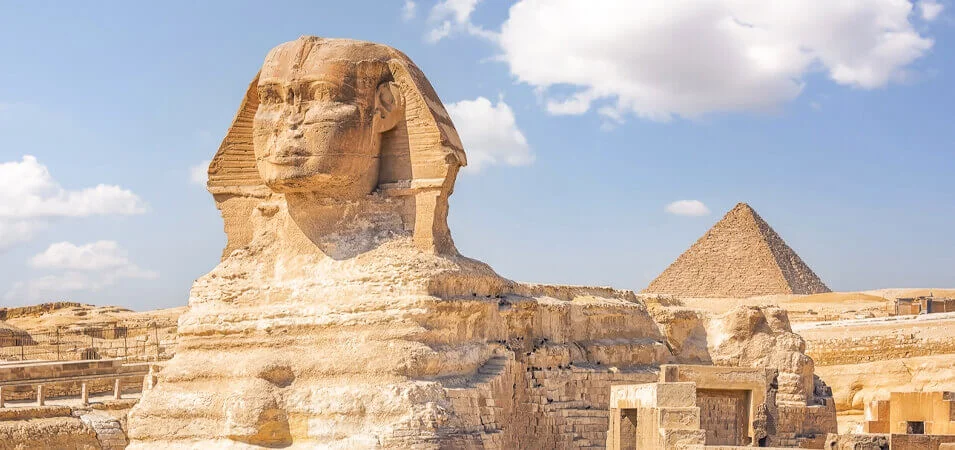
The Great Sphinx of Giza, with its lion’s body and human face, stands as one of the most recognizable symbols of ancient Egypt. Yet its origins and purpose continue to inspire debate.

When Was the Sphinx Built?

Most scholars attribute the Sphinx to Pharaoh Khafre of the Fourth Dynasty (c. 2500 BCE), carved from a single limestone outcrop near the pyramids. Its features and proximity to Khafre’s pyramid support this theory.

A Guardian and Symbol of Power

The Sphinx likely served as a protective guardian, watching over the necropolis and representing royal strength. Its lion body symbolized might, while the human face represented intelligence and divine authority.

Mysteries Still Unsolved

Erosion patterns, missing inscriptions, and later restorations leave questions unanswered. Some propose older origins or alternative symbolic meanings. Regardless, the Sphinx remains a masterpiece of ancient engineering and iconography.

← Newer Posts Older Posts →
Featured
image_2025-12-20_011100063.png
Dec 19, 2025
The Role of Myth in Sumerian Kingship
Dec 19, 2025
Read More →
Dec 19, 2025
image_2025-12-20_005333454.png
Dec 19, 2025
The Sacred Bull in Ancient Cultures
Dec 19, 2025
Read More →
Dec 19, 2025
image_2025-12-20_003537323.png
Dec 19, 2025
The Mystery of the Etruscans
Dec 19, 2025
Read More →
Dec 19, 2025
image_2025-12-20_002741288.png
Dec 19, 2025
The God-Kings of Ancient Egypt
Dec 19, 2025
Read More →
Dec 19, 2025
image_2025-12-20_002024096.png
Dec 19, 2025
The Ancient Olympic Games
Dec 19, 2025
Read More →
Dec 19, 2025
image_2025-12-20_001517638.png
Dec 19, 2025
The Legend of the Minotaur and the Labyrinth
Dec 19, 2025
Read More →
Dec 19, 2025
read more

Powered by The archaeologist